Antarctica Cruise: What It’s Like and What to Expect
Discover what an Antarctica cruise is like, from stunning landscapes to unique wildlife encounters and essential travel tips.
Taking an Antarctica cruise is a unique adventure that offers travelers the chance to explore one of the most remote and stunning places on Earth. This journey is unlike any other, filled with breathtaking landscapes, diverse wildlife, and a sense of isolation that many seek in our increasingly crowded world. Understanding what an Antarctica cruise is like can help you prepare for this once-in-a-lifetime experience.
From the moment you set foot on the ship, you’ll notice the excitement in the air. Travelers are eager to witness the majestic beauty of icebergs, glaciers, and the wildlife that calls this continent home. However, it’s essential to know what to expect in terms of the cruise experience, the challenges of the environment, and the best practices for enjoying your time in this pristine wilderness.
This guide will walk you through various aspects of an Antarctica cruise, including the types of cruises available, on-board experiences, wildlife encounters, and practical travel tips that will enhance your journey.
Types of Antarctica Cruises
When considering an Antarctica cruise, you’ll find a variety of options tailored to different interests and budgets. Here are the most common types of cruises:
- Expedition Cruises: These are typically smaller ships that offer a more intimate experience, focusing on wildlife observation and exploration. Expedition cruises often include guided landings on the continent.
- Luxury Cruises: For travelers seeking comfort, luxury cruises provide high-end amenities, spacious cabins, and gourmet dining. While these cruises may offer similar itineraries, the experience is more about indulgence.
- Traditional Cruises: These larger cruise ships offer a range of amenities and activities. While they may not focus heavily on the Antarctic experience, they provide a comfortable way to reach the continent.
Choosing the right type of cruise depends on your travel goals. For those wanting a deeper understanding of the unique ecosystem, an expedition cruise may be the best choice, while those looking for a more luxurious experience might prefer a luxury cruise.
What to Expect On Board
An Antarctica cruise experience begins as soon as you board the ship. The atmosphere is often filled with excitement, as passengers share their reasons for embarking on this incredible journey. Here’s what you can typically expect:
Cabins and Amenities
Cruise ships vary significantly in size and style, but most provide comfortable accommodations. Here are some common features:
- Cabins: Depending on your chosen itinerary, cabins can range from basic to luxurious. Most come equipped with en-suite bathrooms and offer ocean views.
- Dining Options: Meals are typically included in the cruise package, with options ranging from buffet-style to fine dining. Expect a menu featuring local seafood and international cuisine.
- Common Areas: Ships often feature lounges, bars, and outdoor decks where passengers can socialize and enjoy the views.
Onboard Activities
Aside from cruising, there are numerous activities to keep travelers engaged. Here are a few popular options:
- Lectures: Many cruises offer educational lectures by naturalists and experts who provide insights into the Antarctic ecosystem, history, and wildlife.
- Photography Workshops: Some cruises feature workshops focused on photographing the stunning landscapes and wildlife, helping you capture the experience.
- Wellness Programs: Many ships offer fitness classes, wellness seminars, and spa services to help you relax and rejuvenate.

Wildlife Encounters
The wildlife of Antarctica is one of the main draws for visitors. The region is home to a variety of species, providing unique opportunities for observation and photography.
Common Wildlife
While cruising, you will likely encounter:
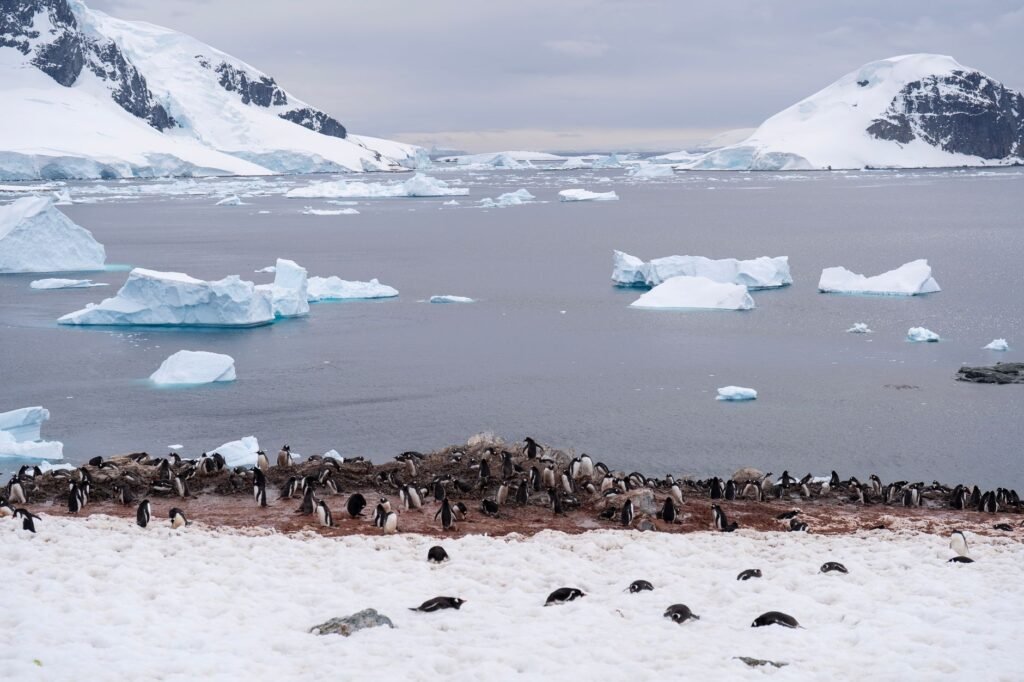
- Penguins: Various species, including Adelie, Gentoo, and Emperor penguins, can be seen in their natural habitats.
- Seals: Look out for Weddell, leopard, and elephant seals lounging on the ice.
- Whales: Depending on the season, you may spot humpback, minke, or orca whales while cruising.
Guided Landings
Many cruises include guided landings on the Antarctic Peninsula, allowing travelers to step foot on the continent. Here’s what to expect:
- Zodiac Excursions: Smaller boats called Zodiacs are often used to transport passengers to shore, making it easier to navigate icy waters.
- Guided Walks: Naturalists lead shore excursions, providing information about the local flora and fauna, as well as ensuring respect for the environment.
- Wildlife Watching: Opportunities to observe wildlife up close will leave a lasting impression, as you watch seals basking in the sun or penguins waddling along the shore.
Challenges of Cruising in Antarctica
While Antarctica is awe-inspiring, it does come with its unique challenges. Understanding these can help you prepare for your adventure.
Weather Conditions
The weather in Antarctica can be unpredictable. Here are some key points to consider:
- Temperature Variability: Temperatures can vary significantly, even within a single day. Prepare for anything from sunny skies to snowstorms.
- Wind and Sea Conditions: Rough seas are a possibility, particularly in the Drake Passage. Be prepared for motion sickness, and consult your doctor for advice on medications.
- Layered Clothing: The best approach is to dress in layers. This allows you to adjust to changing conditions comfortably.
Limited Connectivity
Expect limited access to the internet and phone services while on board. Here’s what to keep in mind:
- Disconnect to Reconnect: Many travelers find the limited connectivity a welcome break from the digital world, allowing them to engage more fully with their surroundings.
- Emergency Communication: Cruise ships typically have satellite communication for emergencies, but personal use of the internet may be restricted or come with additional fees.
- Plan Ahead: Inform friends and family of your limited connectivity and provide them with your itinerary for peace of mind.

Planning Your Antarctica Cruise
Planning is crucial when it comes to an Antarctica cruise. Here are some key aspects to consider:
Choosing the Right Time to Visit
The best time to cruise in Antarctica is during the austral summer, which runs from late October to early March. Here’s why:
- Wildlife Activity: This period offers the best opportunities to see penguin chicks and other wildlife actively engaged in their natural behaviors.
- Weather Conditions: Though still chilly, temperatures are milder, making excursions more enjoyable.
- Longer Days: With nearly 24 hours of daylight, you’ll have ample time to explore and photograph the stunning landscapes.
Budgeting for Your Cruise
Costs can vary significantly based on the cruise line, duration, and type of cabin. Here are some budgeting tips:
- Research Different Lines: Compare prices and itineraries from various cruise lines to find the best fit for your budget and expectations.
- Consider Additional Costs: Beyond the cruise fare, budget for excursions, tips, and any specialty dining or activities.
- Book Early: Early bookings often come with discounts or added perks, so planning ahead can be financially beneficial.
Preparing for Your Antarctica Cruise
Essential Gear and Clothing
When preparing for an Antarctica cruise, the right gear and clothing are crucial for comfort and safety. The harsh conditions can vary widely, so layering is key. Start with moisture-wicking base layers to keep sweat away from your skin. Mid-layers such as fleece or insulated jackets provide warmth, while waterproof outer layers will protect you from wind and precipitation.
Here is a list of essential items to pack:
- Waterproof and windproof jacket
- Insulated gloves and mittens
- Warm hat and neck gaiter
- Thermal undergarments
- Waterproof pants
- Sturdy waterproof boots
- Binoculars for wildlife watching
- High SPF sunscreen and lip balm
- Reusable water bottle
Additionally, ensure that your boots have good insulation and traction, as you may encounter slippery terrain. Don’t forget a pair of comfortable shoes for use on the ship.
Health and Safety Precautions
Before embarking on your cruise, it’s important to consider health and safety precautions. Consult your doctor regarding any vaccinations that may be recommended for travel to Antarctica. Common suggestions include vaccinations for hepatitis A, hepatitis B, and influenza.
Furthermore, travel insurance specifically covering emergency evacuation and medical expenses is a wise investment. Onboard medical facilities are basic, so being prepared is essential. Bring any personal medications, as well as a small first aid kit containing basic supplies like band-aids, antiseptic wipes, and pain relievers.

Excursions and Activities in Antarctica
Shore Landings and Zodiac Tours
One of the most exciting aspects of an Antarctica cruise is the opportunity for shore landings and Zodiac excursions. Zodiacs are inflatable boats that can navigate through ice and rough waters, allowing you to get up close to the stunning landscapes and wildlife.
During shore landings, you may have the chance to explore penguin colonies, visit research stations, and hike through breathtaking scenery. Each landing typically lasts a couple of hours, during which you can take photographs, watch wildlife, and soak in the unique environment.
Excursions may vary by cruise operator, but can include:
- Guided hikes in designated areas
- Wildlife watching from the Zodiac
- Photography tours with expert guides
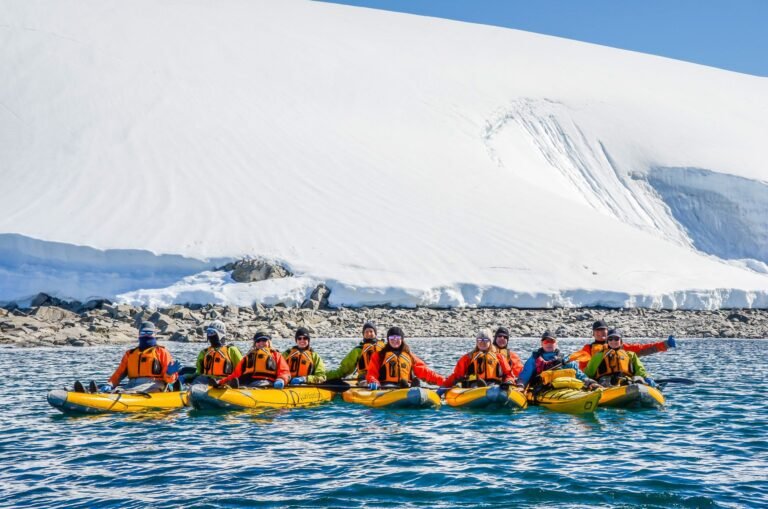
- Kayaking through icy waters
Please note that shore landings are dependent on weather and ice conditions, and safety briefings are mandatory before excursions.
Adventure Activities
For the more adventurous traveler, many cruise operators offer special activities that enhance the Antarctica experience. Kayaking is a popular choice, allowing for a quiet exploration of the icy waters while observing marine life and ice formations up close.
Some other adventure activities you may consider include:
- Camping on the ice for a night
- Snowshoeing across the snowy landscapes
- Polar plunges for the brave
These activities often come with additional fees and require advance reservations, so check with your cruise operator early.
Cultural Insights and Environmental Awareness
Indigenous Cultures and Research Stations
While Antarctica is largely uninhabited, there is a rich history of exploration and research. Visitors can learn about the various research stations operated by different countries, each contributing to our understanding of climate change and ecosystems. Some cruises even offer guided tours of these stations, providing insight into the lives of scientists working in extreme conditions.
Understanding the impact of human activity is crucial, and many cruise operators emphasize environmental education. Engaging with knowledgeable guides can enhance your appreciation of the delicate ecosystems in this region.
Environmental Responsibility and Conservation Efforts
Traveling to Antarctica comes with a responsibility to protect its fragile environment. Cruise operators are increasingly adopting sustainable practices, such as minimizing waste and using eco-friendly materials. It is essential for travelers to follow guidelines that promote conservation, such as:
- Staying on marked trails to avoid disturbing wildlife
- Respecting wildlife viewing distances
- Avoiding littering and taking all waste back to the ship
- Participating in educational programs about conservation efforts
By being mindful of your actions, you can contribute to the preservation of this pristine environment for future generations.
Understanding the Antarctic Environment
Climate Variability
The climate in Antarctica is highly variable, and understanding it is crucial for planning your cruise. While summer temperatures can hover around freezing, wind chill can make it feel much colder. The continent experiences long daylight hours during the summer months, with the sun barely setting, allowing for extended exploration time. Travelers should prepare for sudden weather changes, as clear skies can quickly turn to snowstorms.
Glacial Dynamics
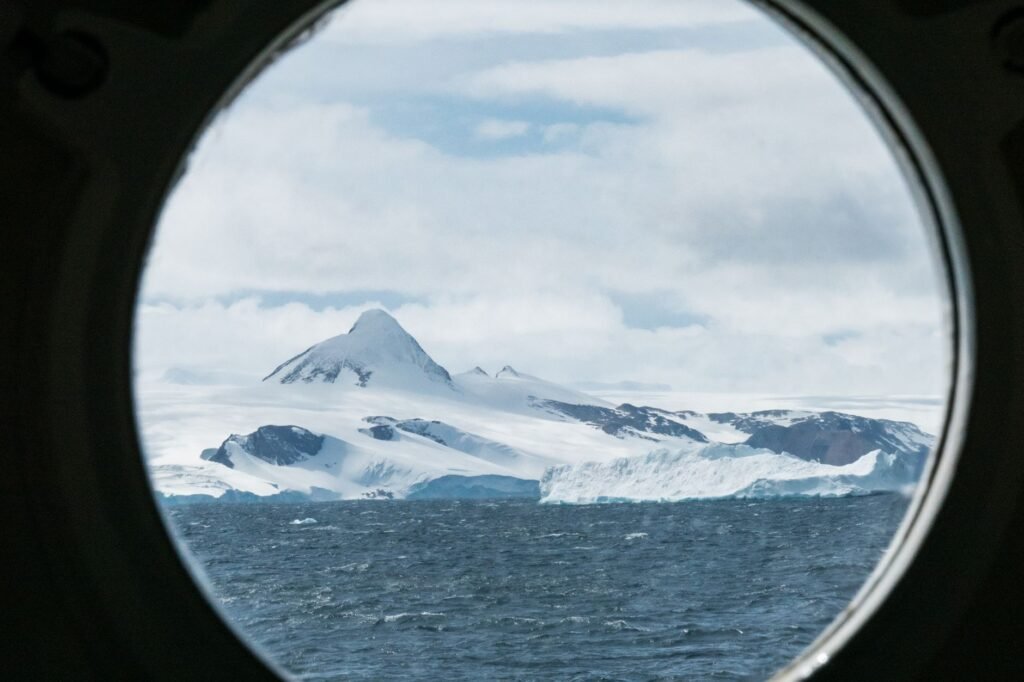
The glaciers of Antarctica are dynamic and constantly changing, which is a sight to behold. Many cruises offer educational briefings on glacial movement and the impact of climate change on these vital ice masses. Passengers can often observe calving events, where chunks of ice break off and crash into the sea. Understanding how glaciers operate can enhance your appreciation of this pristine environment.
- Calving: The process of ice breaking off from a glacier.
- Icebergs: Formed from calved ice, they can vary in size and shape.
- Glacial melt: A significant factor in global sea level rise.
Photography Tips for Your Cruise
Equipment Recommendations
Capturing the stunning landscapes and wildlife of Antarctica requires the right photography equipment. A DSLR or mirrorless camera with interchangeable lenses is ideal, allowing for versatility in various shooting conditions. A telephoto lens is crucial for wildlife shots, while a wide-angle lens is perfect for landscapes. Additionally, consider a sturdy tripod for stability in windy conditions.
Best Practices for Shooting in Bright Conditions
The high reflectivity of snow and ice can create challenging lighting conditions. Using a polarizing filter can help reduce glare and enhance contrast in your images. It is also advisable to adjust your camera settings to account for the brightness, often overexposing slightly to capture the details in the snow. Remember to take test shots and adjust accordingly.
- Keep your camera battery warm to prevent it from draining.
- Use lens hoods to minimize lens flare.
- Practice patience when photographing wildlife; they may take time to appear.
Health and Safety Considerations
Seasickness Preparedness
Seasickness can be a common concern during an Antarctic cruise, especially when navigating the Drake Passage. To mitigate this, it is advisable to take anti-nausea medication before departure. Many cruise lines provide tips and remedies, but being proactive about seasickness can help ensure a more enjoyable experience.
Staying Safe on Shore Excursions
While shore excursions are a highlight of any Antarctic cruise, safety should be a top priority. Always follow the guidelines provided by your expedition leader, as they are well-versed in the potential hazards of the environment. Keep a safe distance from wildlife to avoid stressing animals and adhere to designated pathways to protect fragile ecosystems.
- Wear appropriate footwear to prevent slips and falls.
- Stay hydrated and maintain energy levels with snacks.
- Inform your guide of any medical conditions or concerns.
Frequently Asked Questions
What is the best way to get to Antarctica?
The most common way to reach Antarctica is by cruise departing from Ushuaia, Argentina. Flights are available from major cities to Ushuaia, where you will board your ship.
How long do Antarctica cruises typically last?
Most Antarctica cruises range from 10 to 20 days, depending on the itinerary and specific destinations included.
What should I pack for an Antarctica cruise?
Packing essentials include waterproof clothing, layered clothing, sturdy boots, gloves, and sunscreen. Don’t forget your camera to capture the stunning views!
Is it safe to travel to Antarctica?
Yes, with proper preparation and guidance from your cruise operator, Antarctica is considered safe for travelers. Follow safety protocols and heed advice from on-board experts.
The Bottom Line
An Antarctica cruise is an extraordinary experience filled with breathtaking landscapes, unique wildlife, and the thrill of adventure. By understanding what to expect, from the types of cruises to the challenges of the environment, you can better prepare for this remarkable journey. Whether you’re seeking to witness the majesty of icebergs or observe the vibrant wildlife, planning ahead will ensure a fulfilling and unforgettable expedition.
Consider booking your Antarctica cruise during the shoulder season for fewer crowds and potentially lower prices.[/m4p_tip>
Visa rules, prices and opening times change. Always confirm details with official sources before you travel.