Australia Work Antarctica 2020: Opportunities and Insights
Explore the opportunities and insights for Australia work Antarctica 2020, including job options, logistics, and practical advice.
Working in Antarctica can be an extraordinary experience, particularly for Australians looking to explore unique opportunities beyond their homeland. The year 2020 was marked by unprecedented global challenges, yet many individuals sought out the adventure of working in one of the most remote places on Earth. This guide delves into the various job opportunities available for Australians in Antarctica, the logistics involved, and practical advice for those considering such a venture.
Antarctica, known for its stunning landscapes and extreme conditions, offers a range of positions primarily related to scientific research, environmental monitoring, and logistical support. The Australian Antarctic Division (AAD), along with international research organizations, frequently employs personnel for various roles, making it essential for prospective workers to understand the requirements and expectations of such positions.
This article aims to provide a comprehensive overview of working in Antarctica, specifically focusing on opportunities available to Australians in 2020, including insights into the application process, living conditions, and tips for success.
Job Opportunities in Antarctica
In 2020, numerous roles were available for Australians interested in working in Antarctica. The types of jobs can be broadly categorized into several areas:
- Scientific Research Positions: These roles are typically offered by government agencies and research institutions. Positions include biologists, glaciologists, meteorologists, and environmental scientists. For example, a biologist might work on studies related to penguin populations or climate change impacts on marine life.
- Logistical Support: This includes roles such as chefs, carpenters, mechanics, and communications specialists. These positions are essential for maintaining the infrastructure and operations of research stations. A carpenter, for instance, might be responsible for building necessary facilities or maintaining existing structures.
- Field Support Workers: These positions involve assisting scientific teams in remote locations and can require skills in navigation, first aid, and outdoor survival. A field support worker might accompany researchers on expeditions to collect data in harsh environments.
The Australian Antarctic Division typically recruits for these roles through a competitive application process, where candidates must demonstrate relevant qualifications and experience. Applicants should be prepared for rigorous selection criteria, which may include physical fitness assessments and psychological evaluations to ensure readiness for the challenging environment.

Logistics of Working in Antarctica
Understanding the logistics involved in working in Antarctica is crucial for anyone considering this life-changing opportunity. The journey typically begins with an application to the Australian Antarctic Division or other relevant organizations. Once selected, candidates must prepare for an extensive orientation process that includes training on safety, environmental protection, and operational procedures.
Travel to Antarctica usually involves flying to a departure point, such as Hobart, Tasmania, from where personnel take a charter flight to research stations. The travel logistics can vary depending on the time of year and the specific station. For example, during the summer months, which run from October to February, more flights are available due to favorable weather conditions.
Upon arrival, workers are met with unique challenges, including extreme cold, isolation, and limited communication with the outside world. It’s essential for prospective workers to mentally prepare for these conditions. The research stations are equipped with basic amenities, but conditions are spartan compared to urban life, which can be a stark adjustment for newcomers.
Living Conditions in Antarctica
Life in Antarctica is vastly different from life in Australia. The living conditions depend on the specific research station, but all stations offer essential services. The following points illustrate the typical living conditions:
- Accommodation: Workers are typically housed in dormitory-style accommodations at research stations. Depending on the station, rooms may be shared, and privacy is limited.
- Meals: Most stations provide three meals a day, prepared by chefs. The food may vary in quality and selection, but it usually includes a mix of fresh and preserved foods.
- Recreational Facilities: Many research stations have recreational facilities, including gyms, libraries, and common areas for socializing. Workers are encouraged to engage in recreational activities to combat the isolation and stress of the environment.
For many, the experience of living and working in Antarctica can be rewarding, as it allows for personal growth, the opportunity to contribute to important scientific research, and the chance to experience unparalleled natural beauty.

Preparing for an Antarctic Adventure
Preparation is key for anyone considering a job in Antarctica. Here are some practical steps to take:
- Research Opportunities: Explore the various job roles available and identify the ones that align with your skills and interests. The Australian Antarctic Division’s website is a valuable resource for current job openings and application processes.
- Understand the Requirements: Each position will have specific requirements regarding qualifications, experience, and physical fitness. Familiarize yourself with these requirements to enhance your chances of being selected.
- Prepare Mentally and Physically: Working in such an extreme environment can be mentally and physically demanding. Engage in physical fitness routines and develop coping strategies for potential isolation and stress.
Application Process and Tips
The application process for positions in Antarctica can be competitive and rigorous. Here’s a breakdown of what to expect:
- Submitting Your Application: Applications typically require a detailed resume and cover letter outlining your relevant experience and motivation for applying. Tailor your documents to highlight skills that are particularly relevant to the role.
- Interviews: Shortlisted candidates may undergo interviews, which could be conducted via video calls. Prepare for questions about your experience, problem-solving skills, and ability to work in a team-oriented and isolated environment.
- Pre-Employment Health Assessments: Following a successful interview, candidates will usually be required to undergo medical evaluations to ensure they are fit for the conditions of Antarctica.
One illustrative example includes a young engineer from Australia who successfully navigated this process. After researching various roles, he applied for a position as a mechanical engineer at a research station. He tailored his resume to emphasize his experience with heavy machinery and ability to work in harsh conditions. Following a thorough application process, he was selected and spent a year in Antarctica, contributing to significant research projects while also enjoying the breathtaking landscape.

Health and Safety in Antarctica
Health and safety are paramount when working in Antarctica. Workers face unique health risks due to extreme weather, isolation, and the physical demands of their roles. Here are some key points to consider:
- Health Precautions: It is crucial to maintain good health before and during your time in Antarctica. Workers should have regular health check-ups and vaccinations as recommended by health authorities.
- Emergency Procedures: Each research station has established emergency protocols, including evacuation plans and medical facilities. Workers should familiarize themselves with these procedures during orientation.
- Mental Health Support: Isolation can take a toll on mental health. Research stations typically offer support services and resources for mental well-being, and workers should not hesitate to seek help if needed.
Staying informed about health and safety protocols is essential for a successful and enjoyable experience in Antarctica.

Understanding the Unique Ecosystem of Antarctica
Flora and Fauna
Antarctica is not just a barren landscape; it hosts a variety of unique flora and fauna adapted to extreme conditions. Understanding this ecosystem is crucial for anyone considering work there. The continent is home to species like the Emperor and Adélie penguins, seals, and various seabirds. The primary vegetation includes mosses, lichens, and algae, which thrive in the harsh climate.
- Emperor Penguins: The only penguin species that breeds during the Antarctic winter.
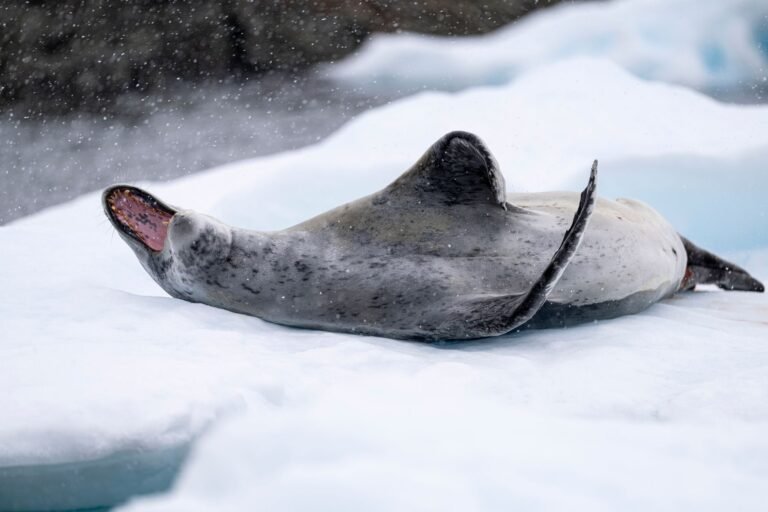
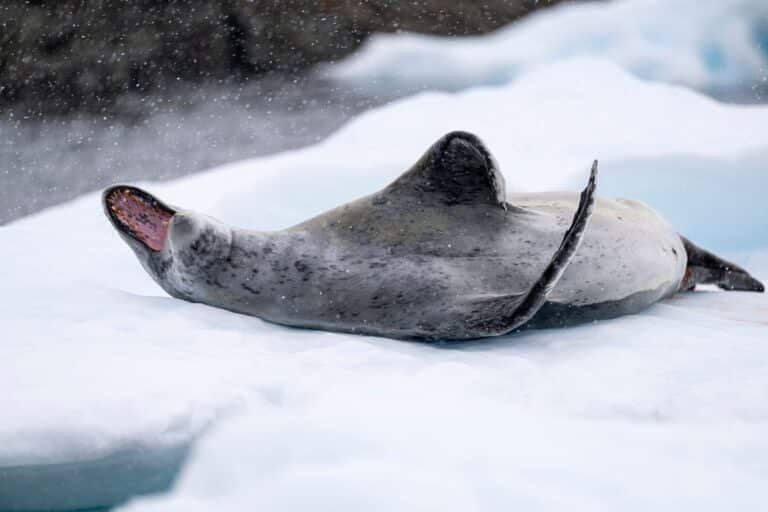
- Seals: Species such as Weddell, Ross, and leopard seals are integral to the Antarctic marine ecosystem.
- Algae: Often the first colonizers of the ice, they form the base of the food web.
Understanding these species is vital for researchers and workers as it helps to minimize human impact on their habitats. Furthermore, knowledge of the local ecosystem enhances the scientific value of research conducted in the region.
Climate Impact and Environmental Research
The Antarctic climate is changing rapidly due to global warming, making it an essential area for climate research. Workers in Antarctica often participate in studies that monitor these changes, contributing to a broader understanding of climate dynamics. This research includes ice core drilling, studying glacial movements, and tracking temperature variations.
Current research focuses on:
- Melting Ice Sheets: Monitoring how quickly ice sheets are melting and its implications for global sea levels.
- Wildlife Adaptation: Observing how species are adapting to changing conditions.
- Carbon Sequestration: Studying how Antarctic ecosystems can help mitigate climate change.
Working in such research not only contributes to global knowledge but also helps workers understand the importance of their roles in preserving this fragile environment.
Skills Development and Training Opportunities
Professional Development Programs
Many organizations offer training and development programs for those interested in working in Antarctica. These programs are designed to equip individuals with the necessary skills to thrive in this extreme environment. Participants can expect to receive training in areas such as survival skills, teamwork, and equipment handling.
- Survival Training: Learning how to navigate and survive in extreme cold conditions.
- Technical Skills: Gaining proficiency in operating specialized equipment used in research and logistics.
- Teamwork and Leadership: Developing skills that foster effective collaboration in isolated environments.
These training opportunities are invaluable, not only for individual growth but also for enhancing the overall effectiveness of teams working in challenging conditions.
Certifications and Qualifications
Obtaining relevant certifications can significantly enhance employability for positions in Antarctica. Certain roles may require specific qualifications or skills, particularly in scientific research or technical fields. Common certifications that can be beneficial include:
- First Aid and CPR: Essential for ensuring safety in remote areas.
- Environmental Management: Understanding how to minimize environmental impact.
- Technical Certifications: Such as those in engineering, electronics, or information technology.
Having these qualifications can set candidates apart in a competitive job market and demonstrate a commitment to safety and environmental stewardship.

Networking and Community Building
Building Professional Connections
Working in Antarctica is often a unique experience that fosters strong bonds among colleagues. Networking with other professionals can lead to future job opportunities and collaborations. Engaging in community events, discussions, or online forums related to Antarctic work can help individuals build a supportive network.
- Join Professional Organizations: Many organizations focus on Antarctic research and can provide valuable networking opportunities.
- Participate in Conferences: Attending conferences related to polar research can connect individuals with industry leaders.
- Online Forums: Engaging in platforms like LinkedIn or specialized forums can facilitate connections.
These connections can be beneficial not just during your time in Antarctica but also in the long term, contributing to career growth and collaborative projects.
Creating a Supportive Community
Given the isolation and unique challenges of living and working in Antarctica, fostering a sense of community among colleagues is essential. Many research stations implement practices to encourage social interaction and mental well-being. Activities may include group outings, movie nights, and themed dinners.
Tips for building community include:
- Initiate Social Activities: Organize group activities that promote teamwork and camaraderie.
- Encourage Open Communication: Create an environment where team members feel comfortable sharing their feelings.
- Celebrate Achievements: Acknowledge milestones and achievements to foster a positive atmosphere.
Investing in community-building efforts not only enhances the work experience but also supports mental health in the unique and often challenging environment of Antarctica.
Frequently Asked Questions
What qualifications do I need to work in Antarctica?
Qualifications vary depending on the position. Most roles require relevant educational background and experience. For scientific roles, advanced degrees may be necessary, while logistical support positions may require trade qualifications or specific skill sets.
How long are contracts for jobs in Antarctica?
Contracts can last anywhere from a few months to a year, depending on the role and the specific needs of the research station. Summer positions are typically shorter, while winter contracts may extend for the entire season.
What is the best time to apply for jobs in Antarctica?
The best time to apply is usually in the mid-year, as most positions for the summer season (October to February) are filled in advance. It’s advisable to check the Australian Antarctic Division’s website regularly for updates on job postings.
Are there any age restrictions for working in Antarctica?
While there are no strict age restrictions, most positions require candidates to be at least 18 years old. Some roles may have age preferences or considerations based on physical demands.
The Bottom Line
Working in Antarctica offers Australians a unique opportunity to contribute to vital scientific research while experiencing one of the planet’s most extraordinary environments. By understanding the job opportunities, logistics, living conditions, preparation, and health considerations, prospective workers can embark on an unforgettable adventure that not only enhances their career but also enriches their lives.
Visa rules, prices and opening times change. Always confirm details with official sources before you travel.