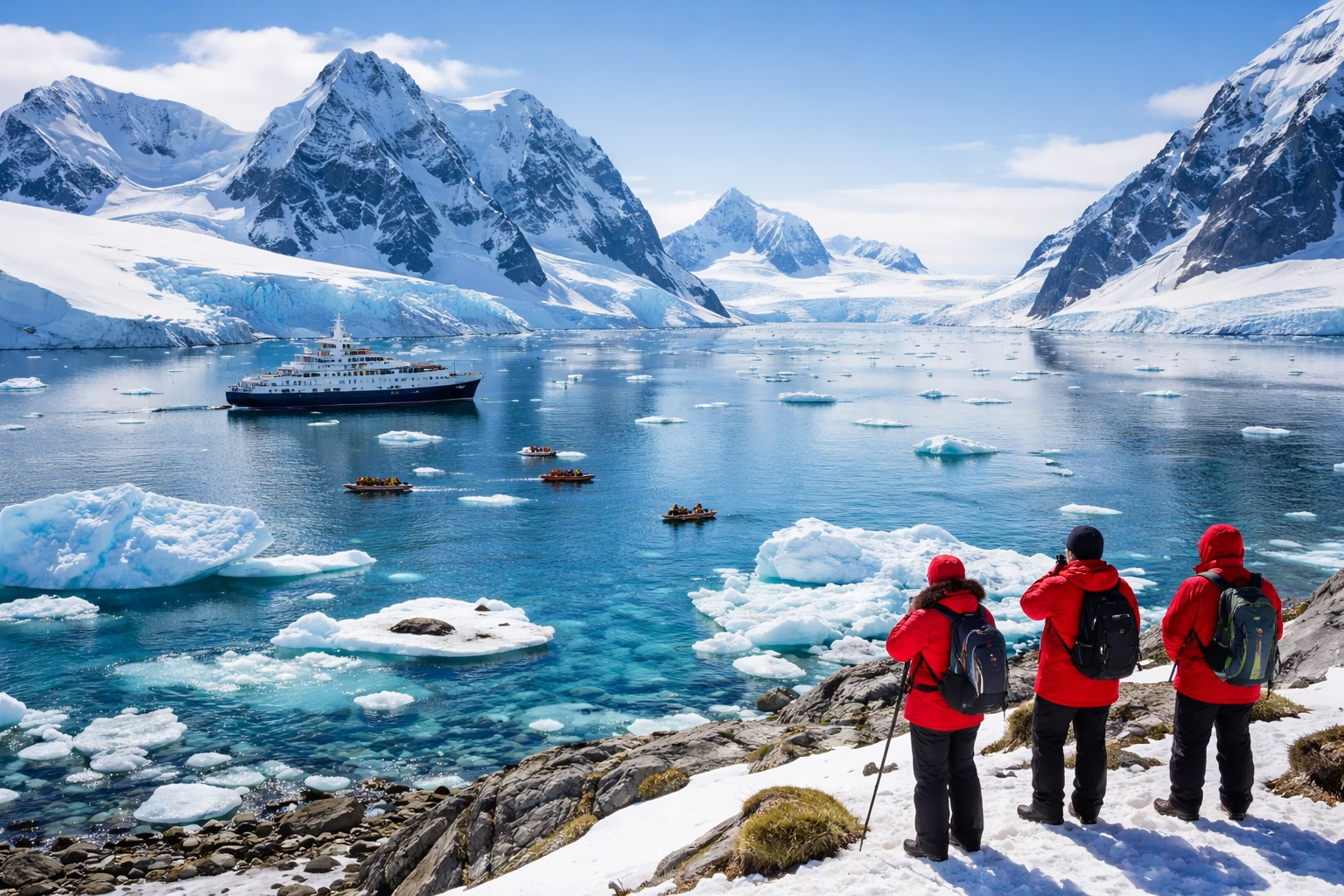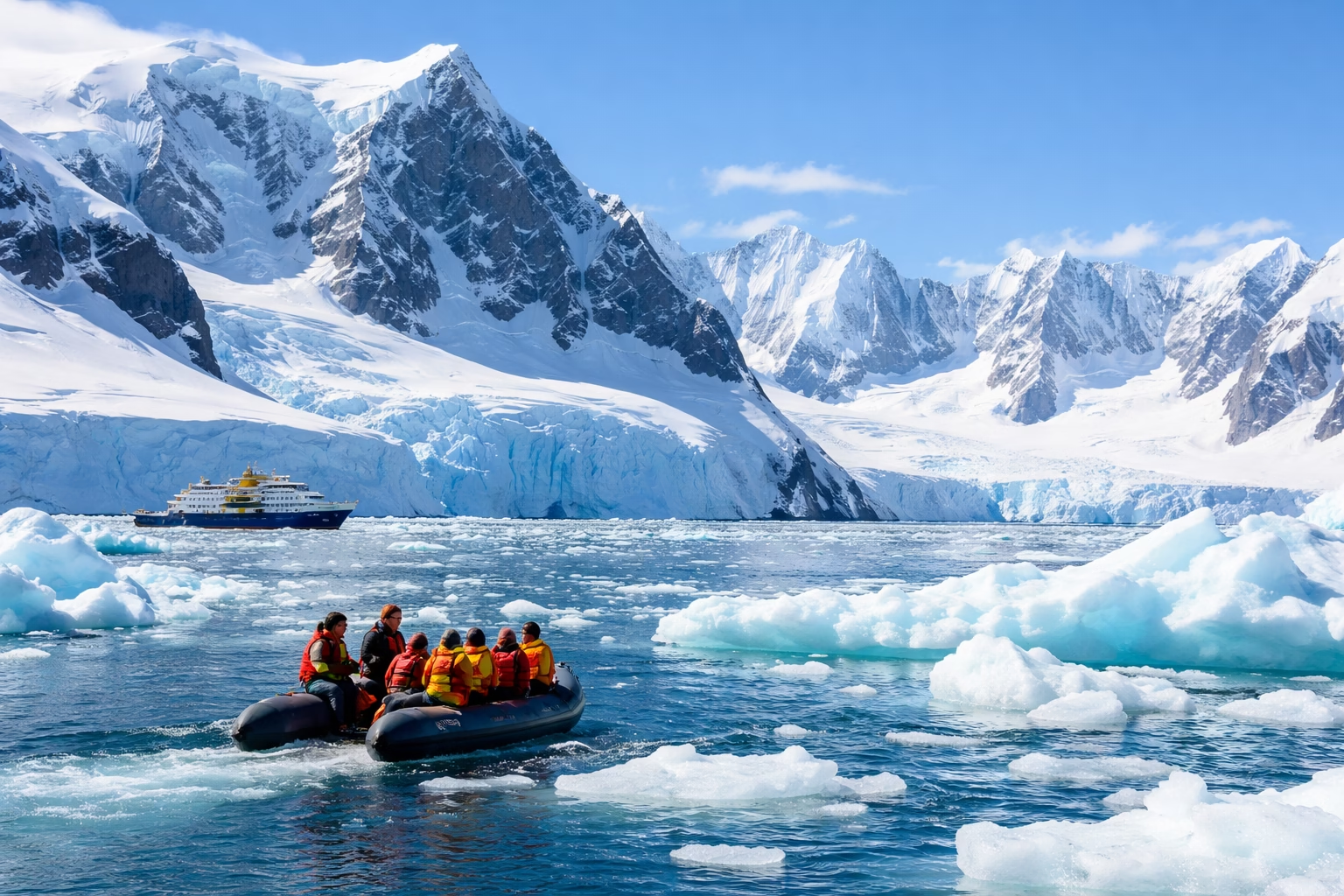
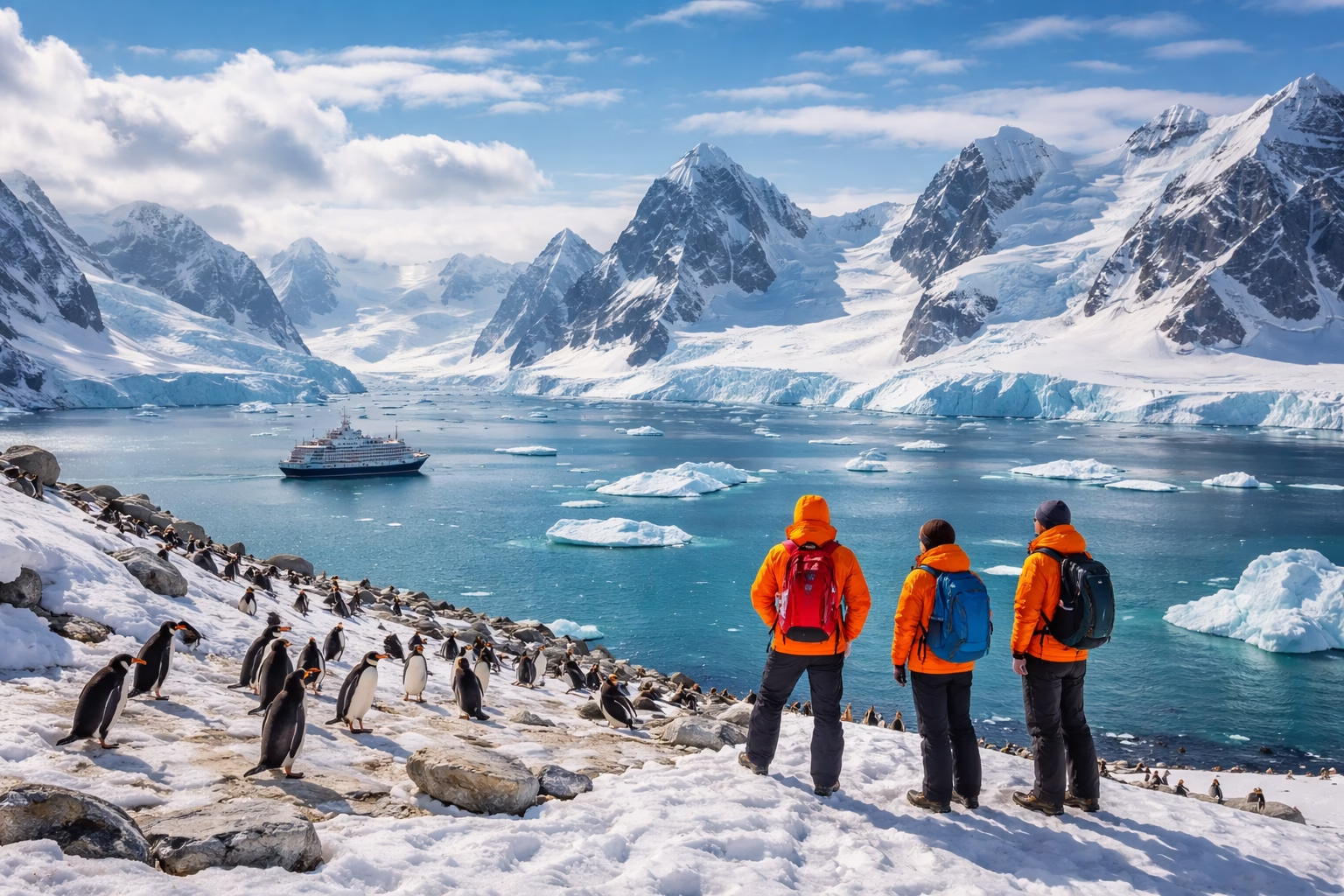
Antarctica is the last true frontier on Earth, a vast expanse of untouched wilderness where towering icebergs glide across steel blue seas and penguins march along creaking glaciers under a sky that never seems to end. For most travelers, setting foot on this pristine continent represents the ultimate adventure, a journey to a place so remote and extreme that only a small number of visitors ever experience it each year.
- Join a licensed IAATO expedition, commonly departing from Ushuaia or via fly-cruise, to reach Antarctica responsibly.
- Pick itinerary and ship size to match interests: short Peninsula trips for photography, longer voyages for wildlife and remote islands.
- Time your trip: early season for ice and courtship, mid for chicks and whales, late for minimal sea ice and broader exploration.
- Pack layered thermal clothing, waterproof outerwear, sun protection, and seasickness meds; follow guide rules to avoid disturbing wildlife and sites.
This comprehensive guide is crafted for first time visitors who want to understand exactly what it takes to reach Antarctica, what to expect once there, and how to make the most of this once in a lifetime trip. From choosing the right expedition to understanding weather conditions, wildlife encounters, and essential packing needs, this article will lead you through every major step of planning your Antarctic adventure with clarity and confidence.

Understanding How to Reach Antarctica
No commercial flights land in Antarctica for leisure travel, so reaching the continent requires joining an organized expedition, most of which depart from the southern tip of South America.
Departures from Ushuaia, Argentina
The vast majority of Antarctic cruises begin in Ushuaia, often called the Gateway to Antarctica. Located at the end of the world on the island of Tierra del Fuego, this small but lively city offers spectacular views of the Beagle Channel and is well equipped to host travelers preparing for expeditions.
Most voyages from Ushuaia follow a route across the Drake Passage, a notorious stretch of ocean known for its rough seas and powerful winds. The crossing usually takes two days each way, adding both anticipation and adventure to the beginning and end of your journey.
Alternative Starting Points
Some itineraries operate from Punta Arenas in Chile or even fly over the Drake Passage to Antarctica’s King George Island for travelers seeking to avoid two days of sailing. These fly-cruise combinations are typically more expensive but can save significant travel time for those with limited vacation days.
Whatever your point of departure, all visitors must join an expedition organized through a licensed operator under the guidelines of the International Association of Antarctica Tour Operators (IAATO), which ensures responsible and environmentally conscious travel practices.
Choosing the Right Expedition
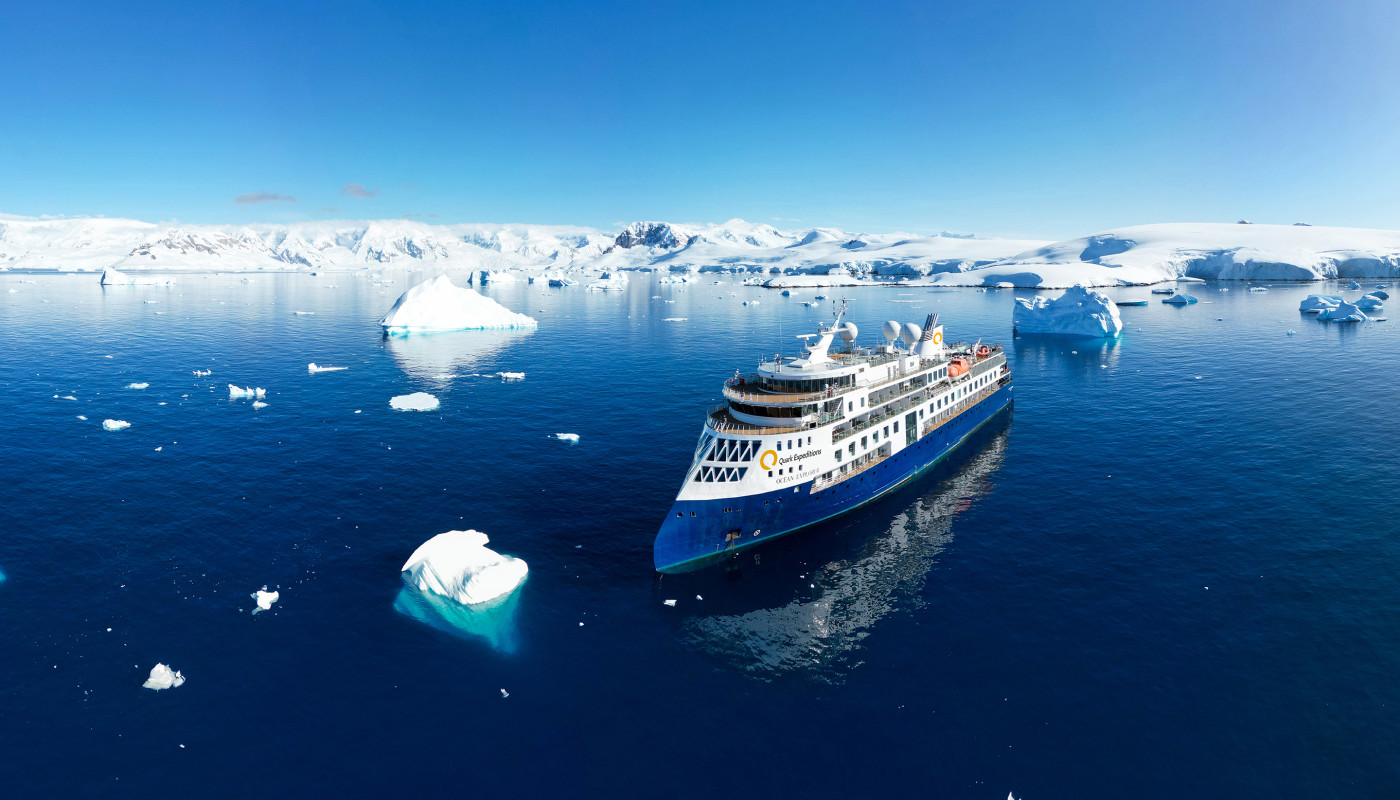
Selecting the right trip is one of the most important decisions for an Antarctic journey. Options vary widely depending on duration, size of the expedition ship, and how much time you spend exploring off the vessel.
Cruise Length and Itinerary
Typical trips from Ushuaia last 10 to 14 days, covering highlights such as the Antarctic Peninsula, Deception Island, and Paradise Bay. Longer journeys may include subantarctic islands like South Georgia and the Falklands, famous for enormous colonies of king penguins and elephant seals.
Think carefully about your travel interests. If you dream of photographing icebergs and penguins on the mainland, a shorter Peninsula cruise will be ideal. If wildlife diversity and remote island history appeal to you, longer itineraries provide richer experiences.
Ship Size and Experience Style
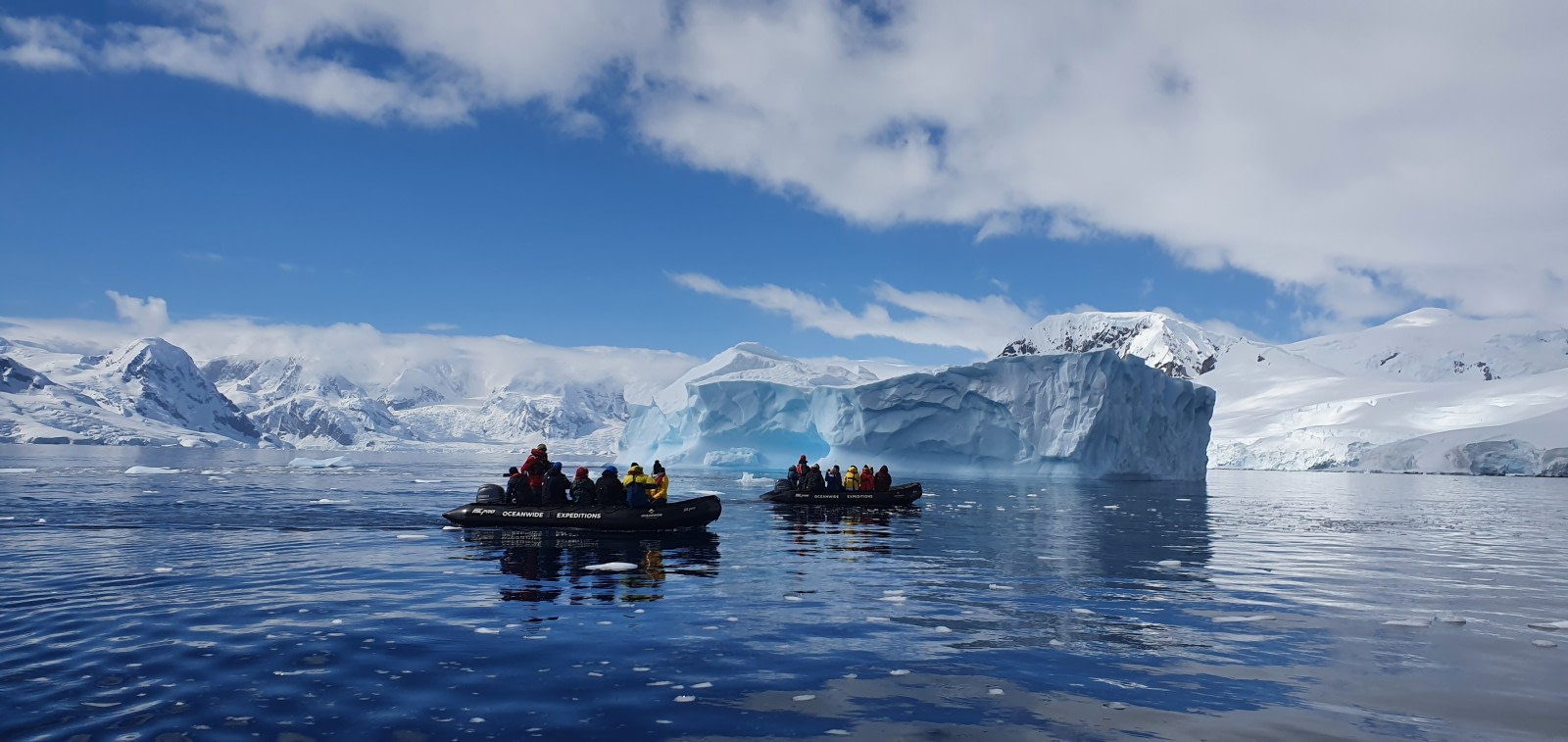
Smaller expedition vessels carrying fewer than 200 passengers often provide a deeper and more personal experience. They allow more landings and Zodiac excursions each day, with access to places off limits to larger ships.
Larger vessels deliver more comfort and amenities such as lecture halls, lounges, and spas, but fewer passengers will be permitted on shore at one time due to environmental restrictions.
Budget Considerations
Expect Antarctic expeditions to start around several thousand dollars per person for basic accommodations, rising significantly for longer routes or luxury experiences. Prices usually include all meals onboard, guided landings, and lectures but not international flights to South America.
Booking well in advance, often six to twelve months ahead, is recommended due to limited space and high demand during peak summer months.
When to Visit Antarctica
Antarctica’s travel season runs from late October to March, coinciding with the southern hemisphere summer when sea ice melts enough to allow navigation. Each period of the season offers different experiences.
- Early Season (October to November): Spectacular ice formations dominate the landscape, and penguins begin their courtship rituals. Ideal for photographers seeking pristine icy scenery.
- Mid Season (December to January): The warmest period with up to 20 hours of daylight. Penguin chicks hatch, whales become more frequent, and conditions allow more landings.
- Late Season (February to March): Wildlife is active with growing chicks and abundant krill attracting whales. Sea ice is minimal, enabling ships to travel further south and explore hidden bays.
Your preferred travel window will depend on your interests, wildlife encounters, photographic conditions, or accessibility.
Wildlife and Natural Highlights
One of Antarctica’s most enchanting qualities is its raw and abundant wildlife. Despite the harsh conditions, the continent and its surrounding waters teem with life adapted to the extreme environment.
Penguins, Seals, and Whales
Expect close encounters with multiple penguin species, including gentoo, chinstrap, and Adelie penguins. If you extend your journey to South Georgia, you may witness vast colonies of king penguins stretching as far as the eye can see.
Seals are common along icy shores. Weddell and crabeater seals can often be seen basking on ice floes, while leopard seals patrol the edges of penguin colonies in striking displays of natural drama.
The Southern Ocean hosts humpback, minke, and orca whales, especially later in the season when feeding opportunities peak. Watching a whale’s tail emerge above mirror still waters framed by glowing icebergs is a quintessential Antarctic moment.

The Ice and Landscape
Antarctica’s scenery feels otherworldly. Glaciers cascade into turquoise bays. Ice arches glisten in the midnight sun. Mountains rise straight from the water like frozen fortresses. Every landing reveals a scene of silence and light that leaves travelers speechless.
Even seasoned explorers admit there is no preparing for the sense of scale and purity found here. Bring excellent camera gear and extra batteries, as cold temperatures can reduce battery life quickly.

What to Pack for Antarctica
Packing correctly can significantly improve your comfort during this voyage. While many expedition operators provide essential outerwear such as waterproof parkas and boots, you will need to bring plenty of warm, layered clothing to manage rapidly changing temperatures.
Clothing essentials include:
- Moisture wicking base layers made of merino wool or synthetic fabric
- Insulating mid layers such as fleece or lightweight down jackets
- Waterproof and windproof outer layers for Zodiac excursions
- Thermal gloves, neck gaiters, and a warm hat that covers ears
- UV protective sunglasses and sunscreen, as sunlight reflects strongly off the ice
- Binoculars for wildlife spotting
Remember to pack any personal medications, as there are no pharmacies once you depart for the continent. Seasickness tablets are helpful for crossing the Drake Passage even for travelers who typically do not experience motion sickness.
Responsible Travel and Environmental Awareness
Antarctica remains one of the most pristine environments on Earth, and visiting it carries a responsibility to preserve its fragile ecosystem.
Follow every instruction from your expedition guides, who are trained to ensure that landings have minimal environmental impact. Visitors must disinfect boots before and after each landing to prevent cross contamination between sites. You are not allowed to approach wildlife closer than several meters or remove anything from the landscape, even rocks or feathers.
Choose tour operators that are members of IAATO, as they abide by strict environmental standards. Responsible travel ensures that the beauty and wonder of Antarctica can be experienced by future generations.

Preparing Mentally and Physically
Antarctica is not a destination of luxury or leisure; it is a journey of endurance, adaptability, and discovery. Weather conditions can change rapidly, ships sometimes cannot land due to ice, and the cold can be intense. Approaching this experience with flexibility and respect for nature’s power is essential.
Physical preparation includes general fitness for boarding Zodiacs and participating in shore excursions. Mental preparation involves embracing unpredictability and recognizing that part of the reward lies in the challenge.
For those who approach it with curiosity and resilience, Antarctica delivers moments unlike any other place on Earth, absolute silence, untouched beauty, and a humbling sense of scale.

Conclusion
Traveling to Antarctica is more than just a journey; it is an immersion into the last true wilderness. It challenges your expectations of travel, reminds you of the planet’s raw majesty, and offers experiences that few people ever share. Whether standing among thousands of penguins or watching an iceberg glow pink in the endless twilight, the memories you make will remain vivid for a lifetime.
If you are dreaming of your first trip to Antarctica, use this guide to plan wisely, prepare thoroughly, and travel respectfully. The continent will reward you with an experience so powerful that it transforms the way you see the world itself.
Further Reading
Best Beaches in Southern Europe
Cheapest Countries to Visit in Africa
Travel to Somalia; How I Traveled to Mogadishu
Free Family Things to do in Chicago Today
How to Spend Four Days in Hong Kong