Antarctica Trip Price by Season
Introduction
Few journeys spark imagination quite like an expedition to Antarctica. The planet’s last true wilderness, with its glacial landscapes, vast ice shelves, and colonies of penguins stretching to the horizon, is both mysterious and awe inspiring. Yet, as thrilling as it sounds, visiting Antarctica requires more planning, financial preparation, and seasonal understanding than almost any other destination on Earth. Prices for an Antarctic trip fluctuate dramatically throughout the year, depending on the cruise calendar, weather conditions, wildlife activity, and demand.
In this guide, we will explore in detail how Antarctica trip prices vary by season. You will learn what each travel window offers, how the cost structures differ between early and late season expeditions, and what additional expenses are worth considering. Whether you are a budget minded traveler determined to make this dream a reality or a luxury seeker looking for the ultimate experience, this comprehensive breakdown will help you make informed decisions about when to go and how to maximize your investment.
Understanding the Antarctica Travel Season
Travel to Antarctica operates within a very specific window. Due to extreme weather and sea ice, the continent is only accessible for tourists between late October and late March, during the Antarctic summer. Within this period, the environment transforms with remarkable variation. Early in the season, emerging sunlight kisses the frozen landscape, while by February the icy wilderness teems with life. Each of these phases not only shapes the experience but also influences the price.
The Antarctic summer is generally divided into three main periods:
- Early Season (Late October to December)
- Mid Season (January)
- Late Season (February to March)
Each offers distinct scenery, wildlife encounters, and price structures, which we will explore in detail below.
Early Season: Late October to December
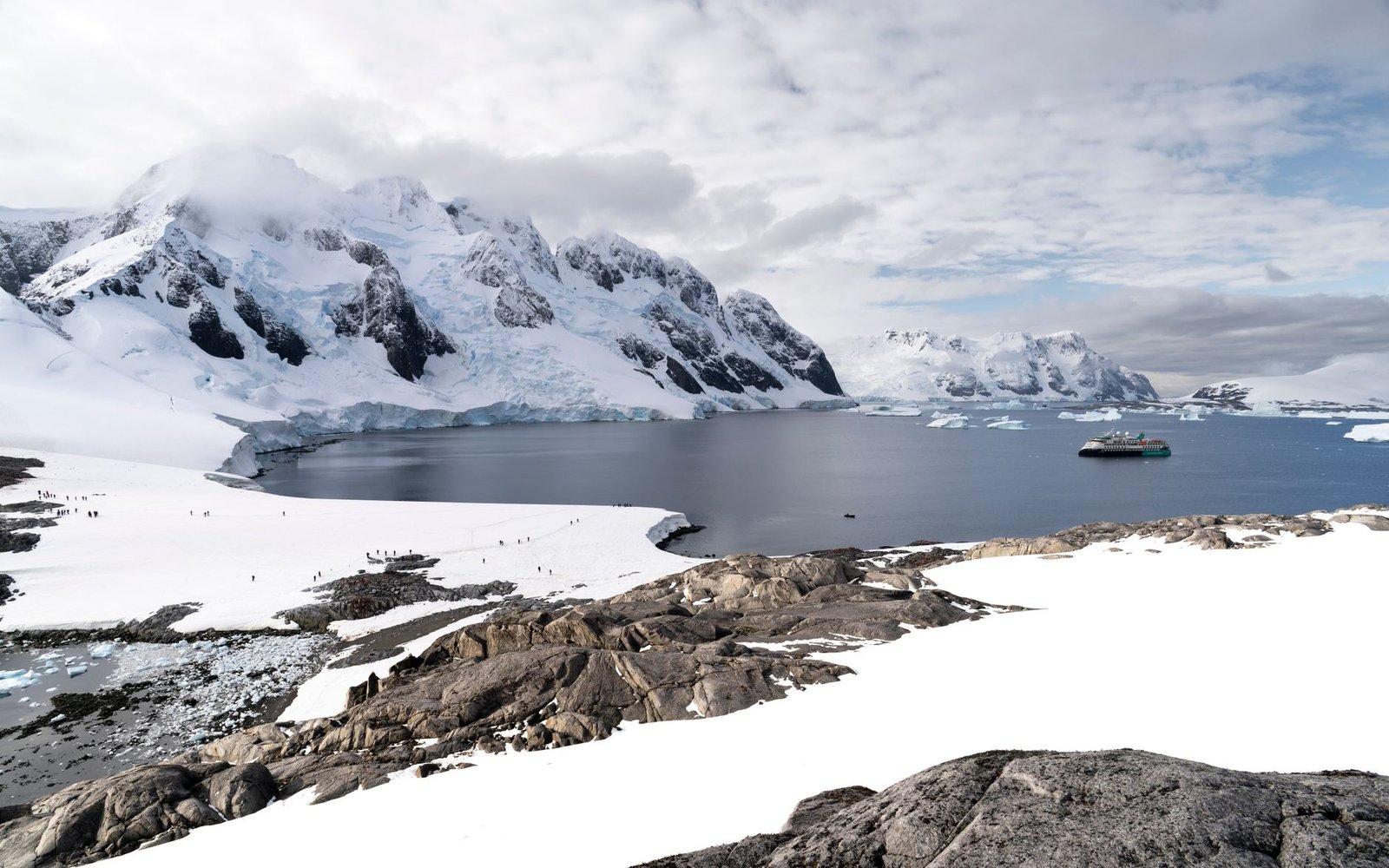
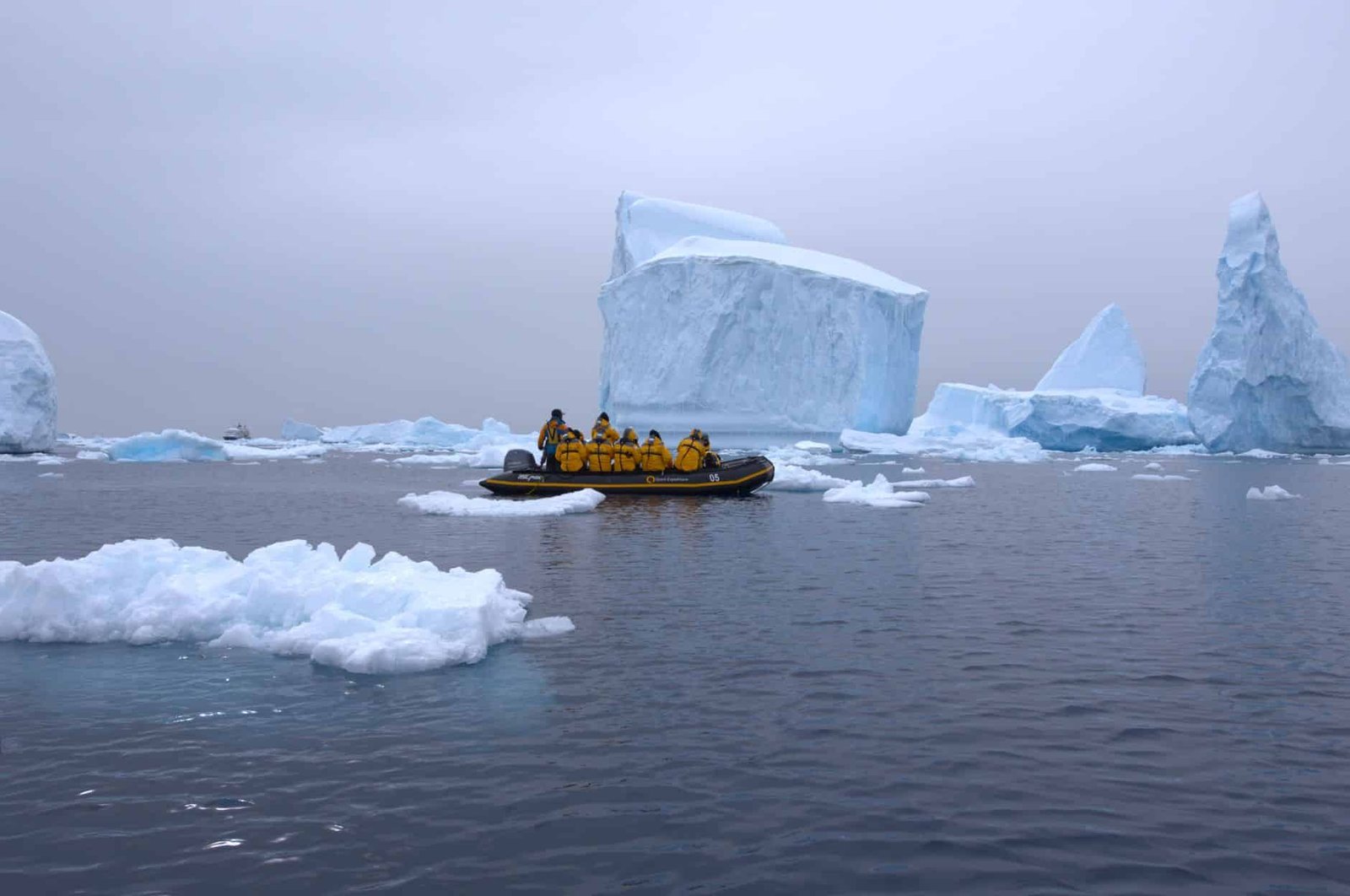
The early season marks the start of the Antarctic travel window. Ice begins to retreat, opening navigation channels for expedition vessels. The scenery is pure, untouched, and crystalline, making it a favorite for photographers and adventurers seeking raw beauty.
Price Expectations:
Trips at this time often represent the lower end of the price range. Since weather can still be unpredictable and colder than later months, early season voyages are generally more affordable. Expect prices for standard 10 to 14 day cruises to start around 7000 to 9000 USD per person, while more luxurious vessels may begin near 11000 USD.
What You Experience:
- Immense icebergs and pristine snow without signs of melting.
- The possibility to witness the early awakening of penguin colonies, especially Adélie and gentoo penguins starting to build their nests.
- Fewer ships in the region, allowing a more private and remote experience.
Who Should Choose This Season:
Travelers who value solitude, photographic perfection, and lower prices will find this period especially rewarding. It is also ideal for those fascinated by Antarctica’s dramatic ice formations and early season stillness.
Mid Season: January
January is considered high season for Antarctic travel. Weather conditions are at their most stable, sea ice has largely receded, and wildlife activity reaches a peak. This is the time when the continent is most alive—penguin chicks hatch, seals bask on floating ice, and humpback whales become increasingly visible.
Price Expectations:
High demand pushes prices upward. Standard expeditions commonly fall between 9500 and 13000 USD per person, depending on the cabin type, cruise length, and operator reputation. Luxury itineraries featuring small group exploration or extended landings can easily exceed 20000 USD.
What You Experience:
- The warmest temperatures of the year, often hovering around freezing, which feels surprisingly comfortable by polar standards.
- A dazzling abundance of wildlife, including breeding penguins, lively seabirds, and playful seals.
- Daylight that can last nearly 24 hours, providing exceptional photography opportunities and multiple daily landings.
Who Should Choose This Season:
If you want the most comprehensive Antarctic experience—with wildlife, accessibility, and vibrant scenery all at their best—January is the time to go. Though more expensive, it delivers the most activity packed adventures and the highest likelihood of smooth sailing conditions.
Late Season: February to March
As summer wanes, the landscape begins to shift once more. Snow melts reveal rocky beaches and the continent adopts a slightly softer glow as sunlight recedes. For wildlife enthusiasts, this period offers remarkable rewards.
Price Expectations:
Prices start to ease slightly after the January peak. Expect to find deals ranging from 8500 to 11000 USD for standard cruises and 12000 to 16000 USD for premium or extended itineraries. Operators often introduce late season discounts to fill remaining berths.
What You Experience:
- Whale watching at its best as humpback and orca sightings become frequent.
- The intriguing transformation of colonies as penguin chicks grow and prepare for the ocean.
- Longer evenings and beautiful golden light for photography as daylight hours shorten slightly.
Who Should Choose This Season:
Nature lovers focused on marine life or photographic richness will treasure this period. It is also ideal for those seeking value without sacrificing highlights, since discounts often appear during these final sailings.
Additional Costs to Plan For
While base cruise prices dominate the budget, there are several additional expenses travelers should prepare for. Accounting for them early ensures your Antarctic adventure does not surprise you later.
1. Flights to the Departure Port
Most trips to Antarctica depart from Ushuaia, Argentina, although some leave from Punta Arenas in Chile or New Zealand for longer routes. International and domestic flights add a significant cost—commonly between 1000 and 2000 USD depending on your location and booking window.
2. Gear and Equipment
Although expedition operators lend certain outer layers, you must bring approved cold weather clothing, gloves, and base layers. Prepare to spend 300 to 600 USD if starting from scratch.
3. Insurance
Comprehensive travel insurance covering evacuation and medical emergencies is mandatory. Policies that meet polar requirements typically cost 200 to 400 USD for two weeks of coverage.
4. Pre and Post Cruise Accommodation
It is wise to arrive at the port city at least one day early and stay after the return. Hotel rates in Ushuaia average 100 to 200 USD per night.
5. Extra Activities
Some cruises offer kayaking, camping on the continent, or photography workshops for an additional 200 to 1000 USD depending on the activity.
Including these costs gives a more realistic overall budget of 10000 to 16000 USD per person for an unforgettable yet responsibly managed Antarctic journey.
Making the Most of Your Antarctica Experience
Beyond pricing, the season you select will influence every aspect of your trip. To make the most of your investment:
- Book early to secure cabins and early bird pricing, as availability is limited.
- Consult trusted expedition companies that specialize in polar travel and maintain strong safety records.
- Consider small ship expeditions, which allow more landings and personalized interactions with guides, maximising the experience.
- Use your season wisely: if photographing vast icebergs appeals to you, aim for early summer; if whale watching captures your interest, late summer is unmatched.
This is not a typical vacation destination. The opportunity to step onto the White Continent is a privilege few experience. Thoughtful preparation and realistic budgeting will ensure that every moment is focused on discovery rather than logistical stress.
Conclusion
Traveling to Antarctica is one of the most extraordinary journeys imaginable—a rare chance to witness an untouched part of our planet. Prices vary greatly by season, but each offers its own rewards. The early season provides solitude and ice formations at lower costs, mid season grants peak wildlife interactions with premium pricing, and late season balances value with whale encounters and glowing light.
Weighing these differences helps you align your expectations, budget, and personal interests to create the best possible Antarctic adventure. With well informed planning, the voyage becomes not just a bucket list experience but a lifetime memory shaped by nature’s most majestic frontier.
Further Reading
Best Beaches in Southern Europe
Cheapest Countries to Visit in Africa
Travel to Somalia; How I Traveled to Mogadishu