Introduction: Master Your Australian Adventure Before You Even Arrive
Australia is a dream destination for many travelers. With its wild natural landscapes, cosmopolitan cities, pristine beaches, and unique wildlife, it offers an extraordinary variety of experiences. Yet, every traveler who has set foot on this vast island nation knows one truth: packing right can make all the difference. Australia’s climate ranges from tropical humidity in the north to dry desert heat in the center and temperate breezes in the south. Throw in its outdoor lifestyle, cultural diversity, and distances between destinations, and you quickly realize that preparation is key.
This guide presents the ultimate Australia packing list tested by frequent travelers who know the country inside out. From clothing tips designed for multiple climates to essential travel gear, safety items, and advice on staying comfortable in remote areas, this article covers everything you need to bring.
Understanding Australia’s Climate and Geography
Australia is not a one season fits all country. The climate and conditions vary dramatically based on where and when you go. Understanding this before you pack will help you customize your luggage and avoid costly last minute purchases.
Northern Australia includes regions such as Darwin, Cairns, and the Great Barrier Reef. Here, tropical weather dominates. Expect warm to hot temperatures year round with a wet season generally from November to April. Lightweight, breathable clothing is a must, and it is wise to include insect repellent and quick dry items for rain or humidity.
Central Australia covers famous outback destinations like Uluru and Alice Springs. The area is dry and arid, with scalding daytime temperatures and surprisingly cool nights. Travelers will need both sun protection and layers to handle temperature extremes.
Southern Australia encompasses Sydney, Melbourne, Adelaide, and Tasmania. Winters can get chilly, and summers are generally mild though still sunny. Pack a mix of layers, water resistant outerwear, and comfortable footwear for city explorations and coastal walks.
By acknowledging the seasonal diversity, travelers can fine tune their packing instead of overloading luggage with unnecessary items.
Clothing Essentials: Comfort, Versatility, and Climate Awareness
Packing clothing for Australia is about flexibility. You will likely experience everything from intense sun to cool evenings, so choose items that layer well and dry quickly.
Core wardrobe recommendations:
- Lightweight shirts and shorts: Choose moisture wicking fabrics to stay cool and comfortable. Linen and cotton blends are especially good for city days and outdoor adventures.
- Long sleeve clothing: Essential for both sun protection and insect defense, particularly in the outback or tropical north.
- A quality pair of jeans or trousers: Perfect for cooler days or evenings in cities.
- A light fleece or sweater: Useful for early morning hikes or coastal evenings, when temperatures drop.
- A waterproof jacket: Rain can appear suddenly in tropical or coastal regions, so do not overlook this.
- Swimwear: With iconic beaches and hotel pools everywhere, make sure you bring more than one set.
- Comfortable walking shoes: Australia invites exploration, whether it is Sydney’s harbor walks or the trails of the Blue Mountains. Choose sturdy shoes that can handle different terrains.
- Flip flops or sandals: Ideal for beach days or casual outings.
When packing clothing, focus on materials that dry fast, resist odors, and can serve multiple purposes. Laundry services are easy to find across Australia, so traveling light is feasible if you plan accordingly.
Sun and Safety Gear: Protecting Yourself from the Harsh Australian Sun
Australia has one of the strongest UV ratings on earth. Even in mild temperatures, the sun can burn unprotected skin in a matter of minutes. Travelers often underestimate this until the first day exploring outdoors proves them wrong.
Sun protection essentials:
- Broad spectrum sunscreen: Choose SPF 30 or higher and reapply throughout the day.
- A wide brimmed hat: This provides better coverage than baseball style caps and is highly recommended for outback travel.
- UV protective sunglasses: Look for lenses with a high UV filter to protect your eyes from glare and exposure.
- A reusable water bottle: Hydration is vital, especially during hikes or long drives through remote territory.
- Lip balm with SPF: The air can be dry, particularly inland, and this small item prevents painful cracking.
Australia is also home to diverse wildlife and insects, especially in natural environments. Insect repellent is vital when exploring tropical areas or camping. Some travelers prefer natural options like citronella; others find DEET based repellents more effective.
Travel Gear and Accessories That Simplify the Journey
Australia is a country of long distances and diverse activities. Efficient travel gear can transform your experience from stressful to seamless.
Essential accessories include:
- A universal power adapter: Australia uses type I plugs with a standard voltage of 230V. Bring an adapter that can charge all your electronics safely.
- A lightweight daypack: Perfect for city sightseeing, short hikes, and keeping valuables organized.
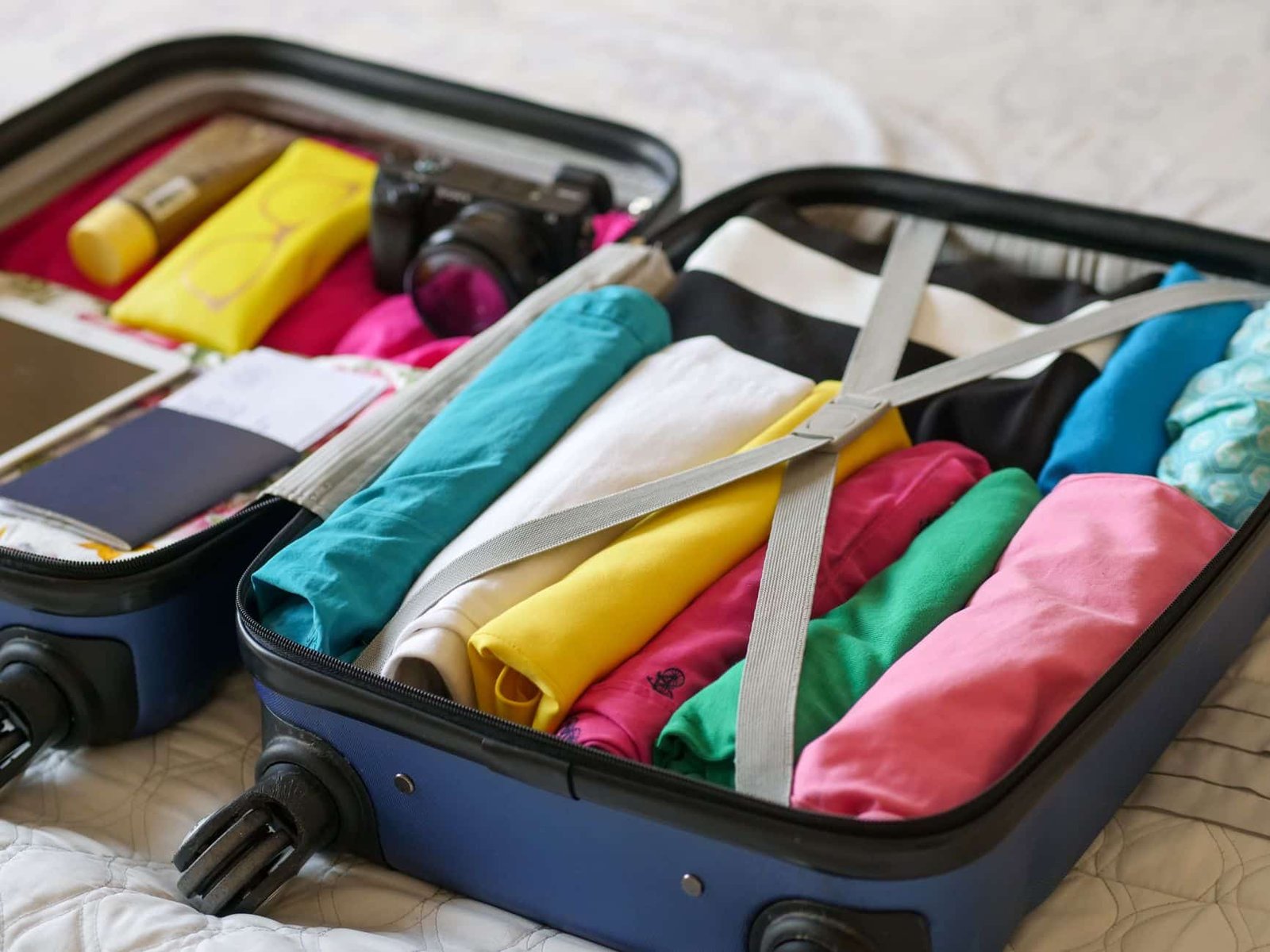
- Packing cubes: They help you separate clothing categories and make unpacking far easier.
- A travel towel: Quick dry microfiber towels save space and come in handy for impromptu swims or camping stops.
- Portable charger and cables: Australia’s natural attractions often take you far from power outlets. A good power bank ensures you always have navigation and camera access.
- Travel insurance details: Keep digital and printed copies easily accessible. Medical and emergency coverage is particularly important for outdoor or adventure enthusiasts.
For those planning to drive, do not forget an international driving permit, your home license, and confidence in handling long stretches of open road. Gas stations can be sparse in remote regions, so be sure to carry extra water and snacks when road tripping through the outback.
Toiletries, Medications, and Personal Items
Australia has excellent pharmacies, but certain personal items or prescription medications may not be easy to replace. Bring your essentials from home and understand any customs restrictions on medication import.
Key items to include:
- Personal hygiene products in travel size containers
- Necessary prescription medicines with a copy of your prescription and generic drug names
- A small first aid kit containing plasters, antiseptic wipes, pain relievers, and motion sickness remedies
- Hand sanitizer and wet wipes for on the go cleanliness
- After sun lotion or aloe vera gel for soothing skin in case of overexposure
- Feminine hygiene products or items you prefer using regularly, as Australian brands may differ from what you are accustomed to
Pack liquids in accordance with airline security rules and use sealable pouches to prevent spills.
Electronics and Connectivity
Keeping connected in Australia is straightforward but can become costly if you rely solely on international roaming. To maintain communication without breaking the budget, purchase a local SIM card upon arrival. Major providers such as Telstra, Optus, and Vodafone offer prepaid data plans that can cover both city and regional areas.
Other helpful electronic items include:
- A quality camera or smartphone with adequate memory for photos and videos
- Lightweight laptop or tablet for digital nomads or those needing to work while traveling
- Downloaded offline maps and translation apps, especially useful in regions with limited signal
- Backup storage for photos, such as a portable hard drive or cloud service, as adventures in Australia often result in a huge photo collection
Packing for Unique Australian Experiences
No packing list is complete without considering what you plan to do. Australia’s experiences range from underwater exploration to wine tasting and rugged hiking. Each activity demands preparation.
- Beach and reef adventures: Bring reef safe sunscreen, a snorkeling mask if you own one, and a rash guard for diving or extended swimming.
- Outback explorations: A headlamp or flashlight, reusable utensils, and compact food containers are useful for camping or overnight drives.
- City escapades: Dress smart casual for restaurants and nightlife, as major cities like Melbourne and Sydney appreciate style but remain relaxed.
- Hiking and wildlife encounters: Include binoculars for birdwatching, sturdy footwear, and a refillable water bladder for day hikes.
Thinking through your activities in advance allows you to pack equipment that enhances your experience while avoiding what you will not use.
Conclusion: Pack Smart, Travel Freely, and Embrace Australia Fully
Packing for Australia is about balancing versatility with practicality. The range of climates and experiences makes it one of the most rewarding destinations on earth, but success depends on preparation. Choose quality clothing suited to Australia’s weather, protect yourself from the powerful sun, and invest in travel gear that supports adventure. Remember that packing less often means moving more freely.
When you prepare thoughtfully, your attention shifts away from what you might have forgotten and toward what truly matters — exploring the coral reefs, discovering Aboriginal heritage, hiking through eucalyptus forests, or enjoying a cappuccino in a laneway café. Every detail you pack with care becomes part of a journey that feels effortless and authentic.
Further Reading
China Visa Guide for Tourists
5 Day Rome Itinerary with Must See Attractions
Travel to Somalia; How I Traveled to Mogadishu
Free Family Things to do in Chicago Today
How to Spend Four Days in Hong Kong