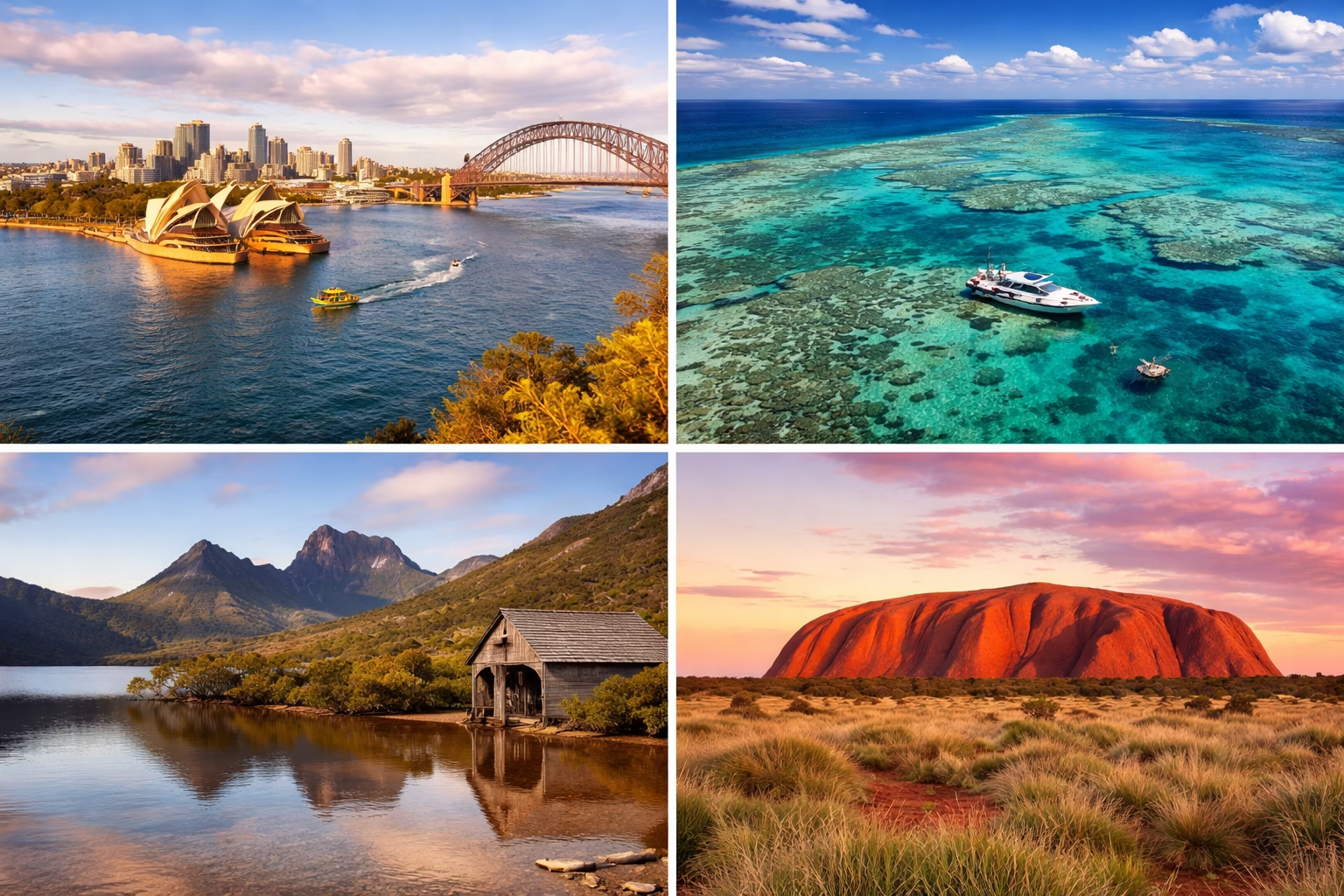

Australia is a country that feels like a continent-sized adventure. From the bustling city life of Sydney to the ancient wilderness of the Outback, this destination offers an extraordinary diversity of landscapes, cultures, and experiences that are hard to match anywhere else in the world. For first-time visitors, planning the perfect itinerary can feel overwhelming. The distances between cities are vast, the options are endless, and every corner of the country promises something remarkable.
- Allow time for long distances; use domestic flights and scenic drives like the Great Ocean Road to avoid travel fatigue.
- Two-week sample route: Sydney, Blue Mountains, Melbourne, Great Ocean Road, Cairns and the Great Barrier Reef, then Uluru.
- Travel between September and April for generally pleasant weather; pack layers for southern cities and sun protection for tropical and Outback regions.
- Book eco certified reef tours and guided Daintree or Aboriginal ranger walks to protect nature while learning about marine and Indigenous cultures.
- Arrange an ETA visa, carry Australian dollars and cards, buy travel insurance, and pack water, sunscreen, and a hat for Outback safety.
This guide breaks down a carefully thought-out two-week Australia travel itinerary for beginners, designed to help you discover the highlights without rushing from one point to another. It blends iconic experiences with a few lesser-known treasures, ensuring a balance of urban exploration, beach relaxation, wildlife encounters, and cultural immersion. By the end, you will have a detailed understanding of how to make the most of your first trip to Australia, where to go, and how to make smart travel decisions that fit your interests and pace.

Understanding Australia: Setting Expectations for First-Time Travelers
Before diving into the itinerary, it is essential to understand a few key things about traveling through Australia.
Size and Distance
Australia’s immense size can take first-time travelers by surprise. It is roughly the same size as the continental United States but with far fewer major cities. Flights between popular destinations such as Sydney, Melbourne, and Cairns may take two to three hours. Understanding this early on will help you plan efficiently and avoid fatigue.
Climate Considerations
Because Australia spans multiple climate zones, weather conditions vary dramatically.
- The southern cities like Melbourne and Adelaide have mild summers and cool winters.
- Tropical destinations such as Cairns experience warm temperatures year-round, but the rainy season runs from November to April.
- The interior regions can be dry and extremely hot, especially during the summer months.
For a first visit, the best time is typically between September and April, when most regions offer pleasant conditions.
Transportation Options
Australia’s transportation network is well developed, making it easy to mix air travel with local experiences. Consider domestic flights for long distances, but also factor in scenic drives such as the Great Ocean Road or coastal journeys around Queensland.
Week 1: The Urban Icons and Coastal Wonders
Days 1–3: Sydney — The Gateway to Australia
Sydney is often the first stop for international visitors, and for good reason. It embodies everything travelers imagine when dreaming of Australia — sparkling beaches, legendary landmarks, and a thriving outdoor lifestyle.
Top Experiences
- Begin your exploration with the stunning Sydney Harbour. Sail on a ferry to appreciate views of the Opera House and Harbour Bridge from the water.
- Take a guided walking tour around The Rocks, the historic area that tells Sydney’s colonial story through cobblestone lanes and preserved buildings.
- Spend a day at Bondi Beach, swimming or walking the scenic coastal trail to Coogee, which offers breathtaking ocean views.
- Visit Taronga Zoo for close encounters with native wildlife while enjoying panoramic views of the skyline.
Travel Tip: Use Sydney’s ferry network as part of your sightseeing experience. It is inexpensive, scenic, and offers access to attractions like Manly Beach, one of the city’s most beloved coastal escapes.

Days 4–5: The Blue Mountains — Nature on Sydney’s Doorstep
Only two hours from Sydney, the Blue Mountains National Park is a perfect extension of your city adventure. It is a region of forested cliffs, ancient rock formations, and charming small towns.
What to Do
- Hike to the Three Sisters lookout at Echo Point, one of Australia’s most photographed natural landmarks.
- Discover hidden waterfalls in Wentworth Falls and Leura.
- For something memorable, ride the Scenic Railway or Skyway for incredible views of the valley below.
Spend one or two nights here to slow down, enjoy local hospitality, and breathe in the crisp mountain air.

Days 6–7: Melbourne — Australia’s Cultural Heart
Fly from Sydney to Melbourne, a vibrant city known for its artistic vibe, coffee culture, and laneway discoveries.
Highlights
- Stroll through Federation Square and stroll along the Yarra River.
- Enjoy the city’s famous café scene and try locally roasted coffee in a small laneway café.
- Explore the National Gallery of Victoria or catch a live performance in the city’s many theaters.
- Take a day trip along the Great Ocean Road, one of the most scenic coastal drives in the world, where you can witness the Twelve Apostles rising from the sea.
Travel Tip: Melbourne’s public transport network is outstanding. Use the free city tram zone to explore the central area easily.

Week 2: Tropical Adventures and Wildlife Encounters
Days 8–10: Cairns and the Great Barrier Reef
A flight from Melbourne to Cairns introduces you to tropical Queensland, home to two of the world’s most incredible natural wonders — the Great Barrier Reef and the Daintree Rainforest.
Must-Do Experiences
- Join a snorkeling or diving tour to explore the reef’s colorful coral landscapes and marine life. If diving is not your style, opt for a glass-bottom boat tour.
- Take a trip north to the Daintree Rainforest and Cape Tribulation, where the rainforest meets the reef. Guided walks here offer a deep appreciation of the world’s oldest tropical rainforest.
- Visit Kuranda Village via the Scenic Railway and return by Skyrail Rainforest Cableway to enjoy exceptional aerial views.
Travel Tip: Choose eco-certified tour operators who respect and protect the environment. Sustainable tourism plays a vital role in preserving the reef’s delicate ecosystem.

Days 11–13: Uluru and the Outback Experience
No trip to Australia is complete without experiencing the magic of the Red Centre. Fly from Cairns to Uluru (Ayers Rock) for a profound connection with Australia’s ancient heartland.
What to Explore
- Watch sunrise and sunset over Uluru for color changes that feel almost spiritual.
- Join a guided cultural walk with an Aboriginal ranger to learn about the Anangu people, the land’s traditional custodians.
- Visit Kata Tjuta (The Olgas), another remarkable rock formation nearby, and hike through the Valley of the Winds for panoramic views.
Travel Tip: Carry plenty of water, sun protection, and a hat. The Outback climate is harsh, but with preparation, it becomes one of the most rewarding experiences in the country.

Day 14: Returning Home
Spend your final day in Australia relaxing before your departure. Depending on your flight connections, you might stop again in Sydney or Melbourne for a farewell dinner overlooking the water. Take a moment to reflect on the range of landscapes and cultures you have experienced, from glittering cities to spiritual deserts and colorful reefs.

Practical Tips for First-Time Travelers to Australia
Visa and Entry Requirements
Most visitors need an electronic visa (ETA or eVisitor) before arrival. Apply online a few weeks in advance to avoid delays.
Currency and Payments
The Australian dollar is the national currency. Credit cards are widely accepted, and ATMs are plentiful. For small market stalls or rural areas, keeping a little cash on hand is advisable.
Health and Safety
Australia is very safe for travelers, but always respect local wildlife and avoid swimming in unpatrolled beaches. Sunscreen is essential, the UV levels can be intense even on cloudy days.
Travel Insurance
A comprehensive travel insurance policy is strongly recommended to cover medical emergencies and unexpected cancellations.

Conclusion
For beginners, Australia offers an irresistible combination of natural beauty, cultural richness, and easy accessibility. Each destination introduces a new side of the country, from the cosmopolitan charm of Sydney and Melbourne to the serenity of the Blue Mountains and the raw wonder of the Outback.
This itinerary gives first-time visitors a balanced introduction, combining urban adventure, scenic landscapes, and unforgettable encounters with nature. Whether you are snorkeling in coral gardens, sipping coffee in laneways, or gazing at Uluru under star-filled skies, Australia rewards every traveler with moments that feel both deeply personal and wonderfully vast.
If this article has inspired you to start planning, now is the perfect time. Australia’s diversity ensures that no matter how many times you visit, there will always be something new to experience.
Further Reading
China Visa Guide for Tourists
5 Day Rome Itinerary with Must See Attractions
Travel to Somalia; How I Traveled to Mogadishu
Free Family Things to do in Chicago Today
How to Spend Four Days in Hong Kong