
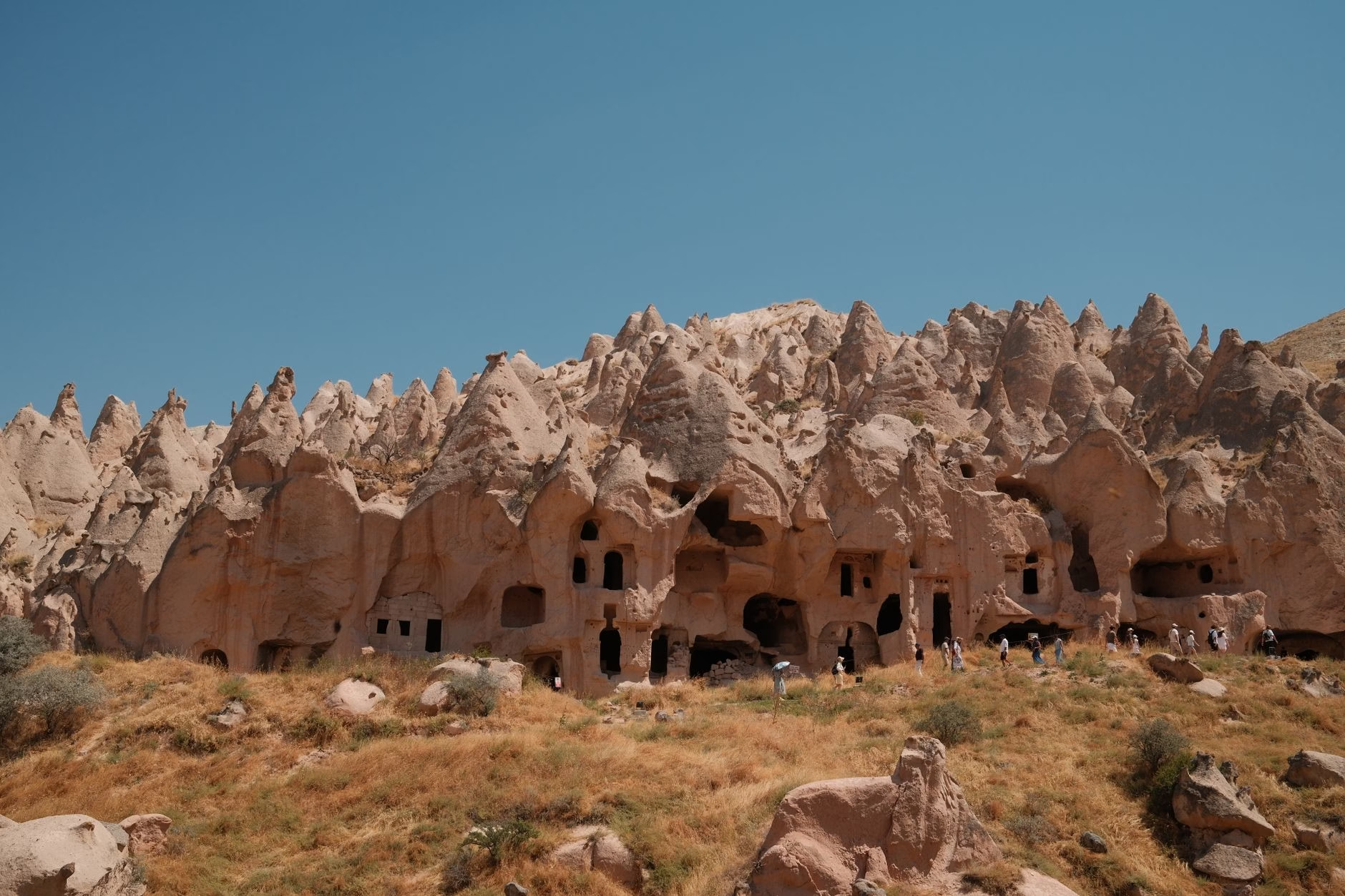
Introduction: Understanding the Seasons of the Arabian World
For many travelers, the Middle East holds an almost mythical allure. It is the cradle of ancient civilizations, home to sweeping deserts, ultramodern skylines, and turquoise coastlines kissed by the Arabian Gulf. Yet, before booking a ticket, one essential question arises: when is the best time to visit? The answer is not as simple as consulting a calendar. The region spans from the Mediterranean shores of Lebanon to the arid plateaus of Oman, meaning climate conditions and cultural rhythms vary greatly.
This guide will take you through the seasonal nuances of key Middle Eastern destinations, explaining when to visit, what to expect, and how to plan a journey that aligns with both comfort and experience. From the golden dunes of Dubai to the rose-red city of Petra, here is a detailed roadmap for timing your trip perfectly.
Understanding the Climate Diversity of the Middle East
The Middle East stretches across three continents and includes distinct geographical zones. You will find coastal areas along the Mediterranean Sea, mountainous regions in Iran and Lebanon, and vast desert interiors across Saudi Arabia and the Arabian Peninsula. This variety shapes the climate considerably.
- Desert Climates: Found in Saudi Arabia, the UAE, Qatar, and Oman, these areas experience extremely hot summers and mild winters. Daytime temperatures in July can soar above 45°C, making outdoor exploration nearly unbearable.
- Mediterranean Climates: Lebanon, Israel, and parts of northern Egypt enjoy cooler, wetter winters and warm summers. Spring and autumn bring pleasant temperatures ideal for sightseeing.
- Mountain and Highland Climates: Iran’s Alborz Mountains and parts of northern Oman have crisp winters with even occasional snowfall, offering a completely different experience from the lowlands.
Understanding these variations is the first step in identifying the best travel months for each country.
The Gulf Countries: United Arab Emirates, Qatar, and Oman
If you dream of visiting futuristic skylines, luxury resorts, or desert oases, the Gulf nations are likely at the top of your list. However, timing is crucial here.
Best Time to Visit: November to March
These cooler months bring temperatures ranging from 20°C to 30°C, perfect for sightseeing and outdoor adventures. Dubai and Abu Dhabi hold international events during this season, including world-class concerts and sporting tournaments. The conditions are ideal for desert safaris, coastal kayaking in Oman’s fjords, and exploring the souks of Doha without the punishing summer heat.
What to Avoid: June to September
During summer, temperatures can exceed 45°C and humidity becomes intense, especially along the coast. Travelers visiting in these months often stick to air-conditioned attractions such as massive shopping malls or museums. But if you do not mind the heat and want deals, summer offers discounted hotel prices and quieter tourist sites.
Jordan, Egypt, and Israel: Where History Meets the Seasons
Rich in archaeological treasures and cultural depth, these countries reward those who plan their visits around the climate.
Best Time to Visit: March to May and October to November
Spring and autumn are the sweet seasons. The desert heat softens, flowers bloom along the Jordan Valley, and the winds are gentle on the Egyptian coast. You can comfortably climb Mount Sinai at dawn, wander through Petra’s canyons, or drift down the Nile without being overwhelmed by the sun.
Summer Challenges:
Temperatures across the region rise sharply between June and August, particularly in southern Egypt and Jordan’s Wadi Rum. Midday excursions can become physically demanding, although mornings and evenings remain manageable. If visiting during summer, schedule activities early in the day and reserve afternoons for shaded rest or museum visits.
Iran and the Northern Middle East: A Year of Contrasts
Iran stands apart for its climate diversity, ranging from desert basins to snow-covered peaks. Northern regions like Tehran and Tabriz see cold winters while southern cities remain warm year-round.
Best Time to Visit: April to June and September to early November
Spring is magnificent across Iran. The landscapes are lush, ancient gardens in Shiraz are in full bloom, and the weather invites long walks through historical sites like Persepolis. Autumn brings mild temperatures and clear skies, ideal for exploring bazaars and cultural festivals.
Winter Advantage:
For those who enjoy snow and fewer crowds, December to February is excellent for visiting Iran’s ski resorts such as Dizin and Shemshak, which rival some European slopes. However, desert areas like Yazd remain comfortably mild during winter days, allowing for a diverse experience even within the same trip.
Lebanon and the Eastern Mediterranean: A Blend of Sea and Mountains
Lebanon is one of the Middle East’s most geographically diverse countries, where you can ski in the morning and swim in the sea by afternoon.
Best Time to Visit: April to June and September to October
Spring brings blooming wildflowers across the Beqaa Valley and comfortable temperatures in Beirut. Autumn is equally delightful, combining warm coastal weather with cooler mountain breezes. Festivals, beach clubs, and outdoor dining all reach their peak during these periods.
Winter Season:
From December to February, Lebanon’s ski resorts in Faraya and Cedars attract winter sports enthusiasts while Beirut remains comparatively mild. If your goal includes cultural exploration and nightlife rather than coastal relaxation, winter remains a rewarding season.
Saudi Arabia: Ancient Deserts and a Modern Renaissance
Saudi Arabia has opened dramatically to tourism, offering experiences that blend ancient history with modern innovation. Timing matters greatly when exploring its desert landscapes and immense cities.
Best Time to Visit: November to March
These months bring moderate temperatures perfect for discovering AlUla’s rock-carved tombs, visiting Riyadh’s historical forts, or camping under stars in the Empty Quarter. The winter months also coincide with major events such as Riyadh Season and the Tantora Festival in AlUla.
Avoid Peak Heat:
From May to September, much of Saudi Arabia becomes extremely hot with daily highs often above 43°C. While city exploration is limited during this time, those interested in cultural exchange might find unique experiences during fewer tourist crowds.
Tips for Planning Your Trip Around the Middle Eastern Calendar
Beyond weather, cultural calendars also shape the best times to visit.
- Ramadan: This sacred month affects daily life across Muslim-majority countries. While travel remains possible, expect shorter daytime business hours and some restaurant closures. Visiting during Ramadan offers a deeper cultural experience but requires flexibility.
- Festival Seasons: Events like Dubai Shopping Festival, Abu Dhabi Art, and Jordan’s Jerash Festival of Culture bring lively atmospheres but also attract crowds, so book early.
- Booking Strategy: For popular destinations like Dubai and Petra, reserving accommodations and guided tours several months ahead ensures better options.
Being aware of these elements ensures your timing matches both weather preferences and cultural opportunities.
Conclusion: Let the Season Define Your Story
There is no single “perfect” time to visit the Middle East because the region’s diversity invites travelers to choose their own path. Whether you are drawn to Oman’s cool winter wadis, the spring blossoms of Iran, or the mild Mediterranean breezes that sweep across Lebanon, each season tells a different story.
A well-timed visit transforms an ordinary trip into an unforgettable journey, filled with comfort, authenticity, and connection. The key lies in understanding the rhythm of the region and aligning your expectations with its climate and culture. With this guide as your compass, you can plan travels that reveal the Middle East at its most captivating moments.
Further Reading
3 Day Istanbul Itinerary for First Time Visitors
Travel to Somalia; How I Traveled to Mogadishu
Free Family Things to do in Chicago Today
How to Spend Four Days in Hong Kong