Introduction
Few destinations in the world offer the diversity of landscapes, wildlife, and culture that South Africa does. It is a place where two oceans meet, where vast savannas roll into majestic mountains, and where lively cities blend deeply rooted traditions with modern creativity. Whether you dream of witnessing the Big Five on safari, exploring the vibrant neighborhoods of Cape Town, or tasting exceptional wines beneath skies painted with golden light, the timing of your trip will shape your experience in powerful ways.
This guide explores the best time to visit South Africa, month by month and region by region. You will gain a clear understanding of how the country’s varying climates affect travel, what to expect in each season, and how to make the most of every type of adventure—from wildlife encounters to coastal holidays.
Understanding South Africa’s Climate
South Africa covers a vast area, stretching from subtropical coastlines to dry inland deserts, which means the climate differs significantly between regions. Broadly speaking, the country experiences opposite seasons to Europe and North America. Summer runs from November to February, autumn from March to May, winter from June to August, and spring from September to October.
- Coastal Regions such as Cape Town and the Western Cape enjoy a Mediterranean-style pattern with wet winters and dry, sunny summers.
- Inland Plateaus including Johannesburg and Pretoria have warm summers with afternoon thunderstorms and cool, dry winters.
- Eastern and Northern Areas like KwaZulu-Natal and Kruger National Park have a subtropical climate with hot, humid summers and mild, drier winters.
Understanding these differences is essential. If you match your interests to the right season, you will experience South Africa at its most rewarding.
The Best Time for Wildlife and Safari Adventure
For many visitors, the ultimate South African dream is a safari in Kruger National Park or one of the country’s many private game reserves. The best time for wildlife viewing is during the dry winter months from May to September.
During this period, rainfall is minimal, and vegetation becomes sparse. This makes animals easier to spot as they gather around limited water sources. Early mornings and late afternoons are delightfully crisp, perfect for long game drives.
- May to August – Expect clear skies, lower humidity, and fewer mosquitoes. These are prime months for scenic photography and uninterrupted wildlife observation.
- September – As temperatures start to rise, the bushveld remains open but more active, signaling the change of season. It is a wonderful time for a mix of cool comfort and increased animal activity.
Many top lodges offer lower rates in winter, making this an excellent time for both value and high-quality sightings. If you prefer lush green scenery and the joy of seeing newborn animals, consider visiting in November or December, when the rainy season begins and the landscape transforms into vibrant color.
The Perfect Season for Cape Town and the Western Cape
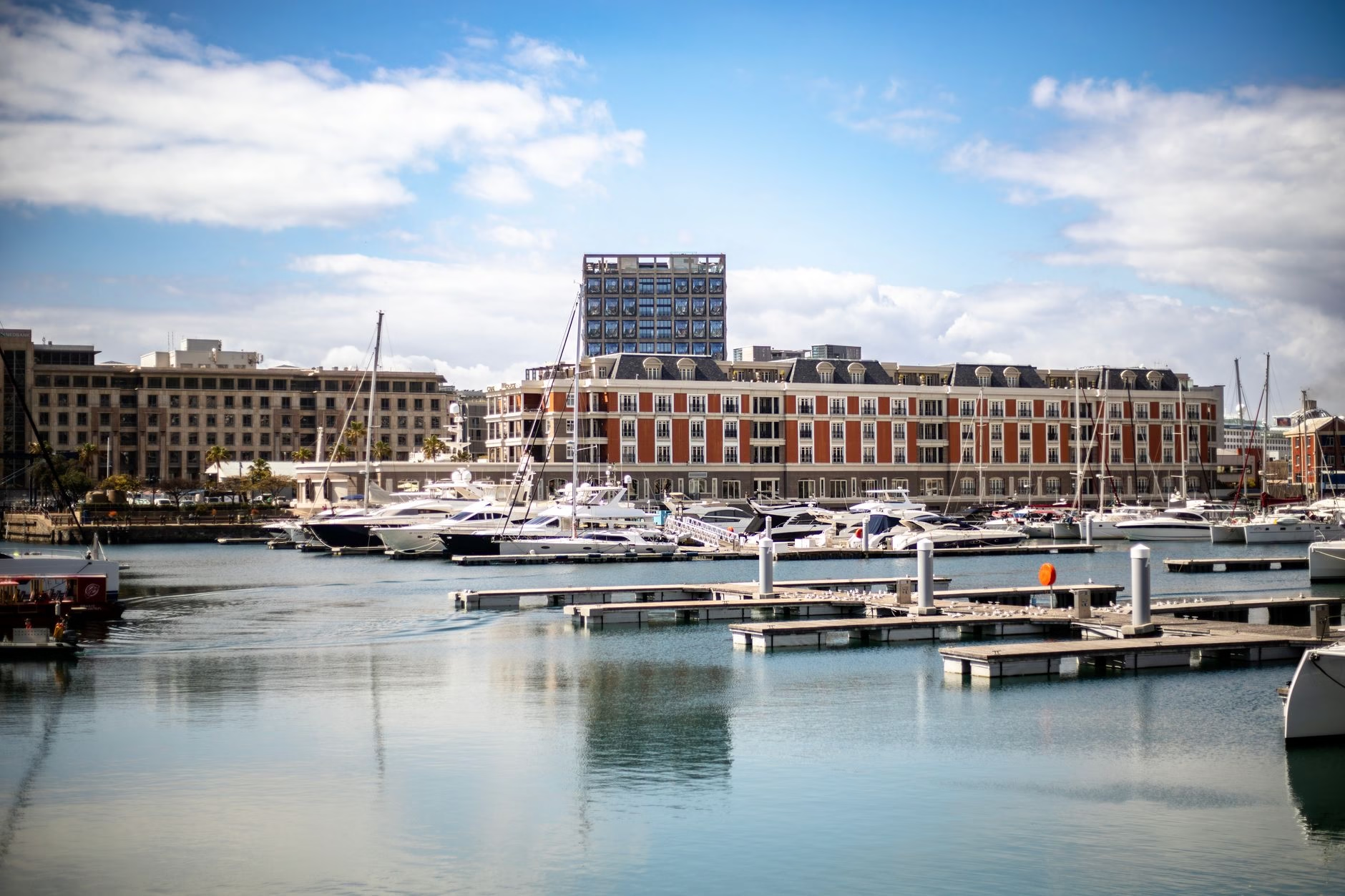
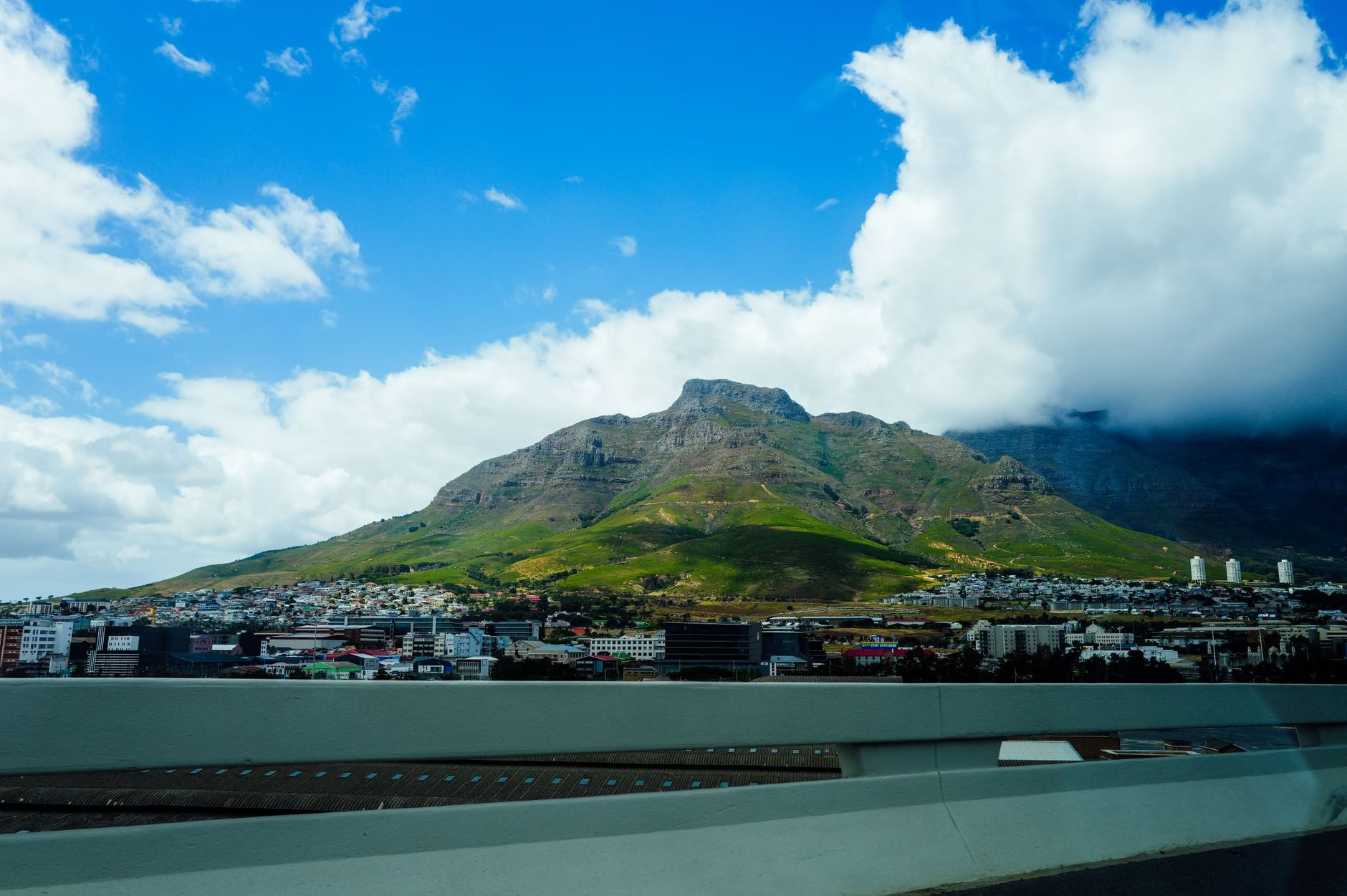
Cape Town’s weather pattern differs from much of the rest of the country. Its most pleasant time for travel usually falls between November and March, when the city bathes in long, sunny days and little rainfall. The summer months are ideal for exploring Table Mountain, lounging on Clifton or Camps Bay beaches, and sipping chilled Sauvignon Blanc in the Cape Winelands.
However, travelers should note that strong coastal winds can blow through in December and January. If you seek a calmer atmosphere with mild warmth, February and March are particularly delightful.
For those who prefer fewer crowds and a touch of season change, April and May bring cooler temperatures and verdant landscapes as the vineyards turn golden. Winter (June to August) brings rain but also beauty—the surrounding mountains turn green, and the city’s cultural life thrives indoors with cozy cafés and art galleries.
Discovering the Eastern Coast and KwaZulu-Natal
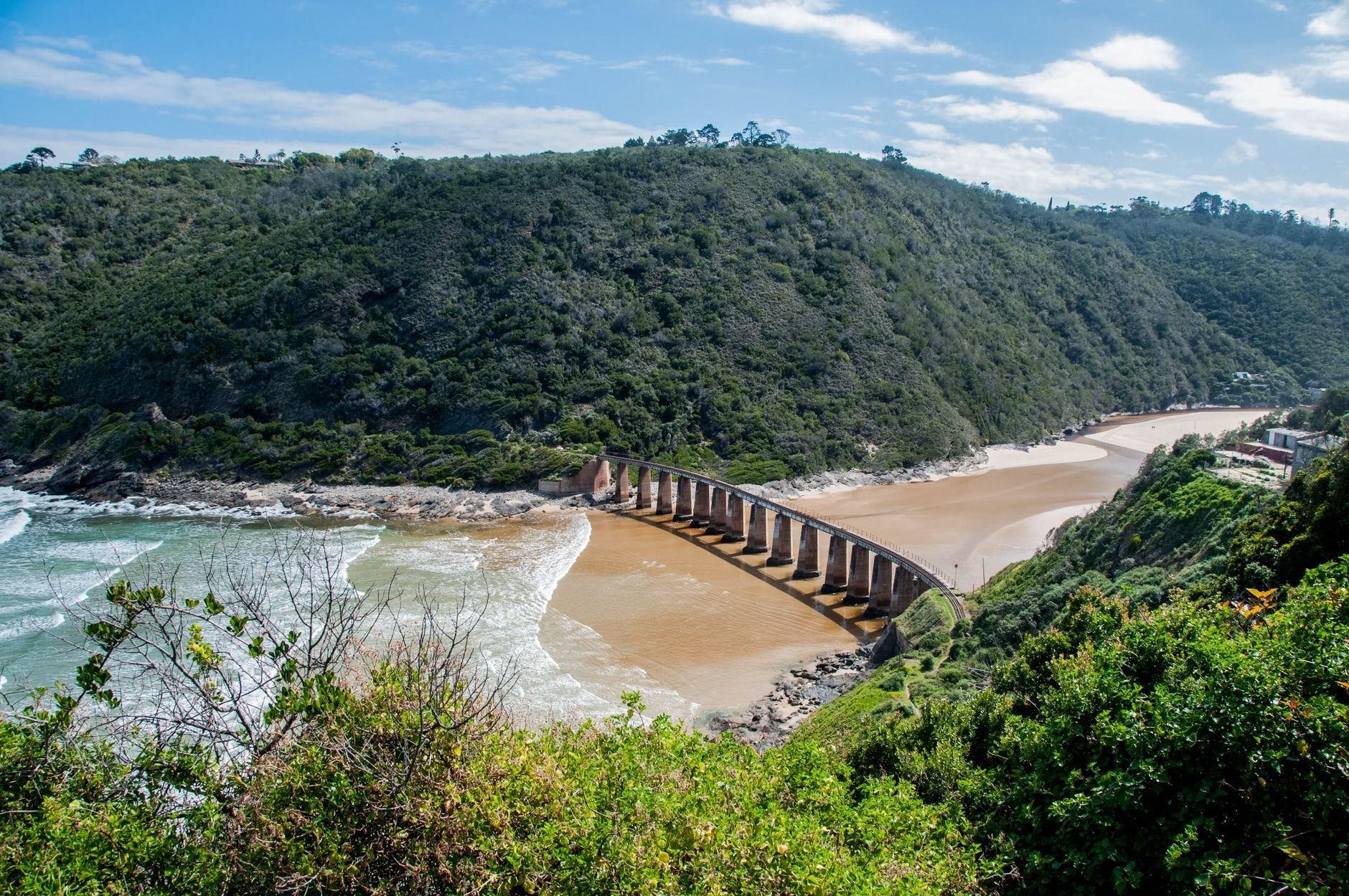
KwaZulu-Natal, home to Durban’s golden beaches and a coastline kissed by the Indian Ocean, maintains a subtropical climate. Summers, from November to March, are hot and humid, ideal for those who enjoy warm sea temperatures and vibrant coastal vibes. This is a great time for surfing, snorkeling, and diving, although afternoon showers are common.
The period from April to October offers a more comfortable experience with mild weather, lower humidity, and fewer crowds. Whale watchers should plan for June to November, when humpback whales migrate along the coast. Inland, the Drakensberg Mountains are perfect for hikers during this dry, cool season.
Experiencing South Africa’s Wine Country
South Africa’s wine regions, particularly Stellenbosch, Franschhoek, and Paarl, invite travelers year-round. Yet, December to March is the heart of the grape harvest season, when vineyards buzz with energy and the warm air carries the scent of ripe fruit.
Visitors can enjoy wine tastings, gourmet dining, and sunset picnics surrounded by mountain scenery. If you prefer fewer visitors and the beauty of turning leaves, April to June provides a peaceful atmosphere for exploring cellar doors and boutique estates. The crispness of winter often amplifies the flavors of full-bodied reds, creating the perfect pairing for firelit dinners.
A Seasonal Guide to Cultural and City Experiences
Urban experiences thrive year-round. Johannesburg, Pretoria, and Port Elizabeth each have their own rhythm tied to cultural festivals, food markets, and historic landmarks.
- Summer (November to February) brings open-air concerts and food festivals, especially around the Cape and Durban.
- Autumn (March to May) is ideal for city sightseeing and museum visits, with mild weather and fewer crowds.
- Winter (June to August) rewards travelers with indoor cultural events, music gatherings, and a chance to blend with local communities away from the peak season bustle.
Cape Town’s Cape Town International Jazz Festival in late March or early April draws global attention, while the National Arts Festival in Makhanda (formerly Grahamstown) is a must for those who love the performing arts.
Month-by-Month Overview
To help plan efficiently, here is a brief overview of what to expect each season:
- January to March – Peak summer, vibrant beaches, outdoor festivals, and long daylight hours.
- April and May – Cooler, clear weather with fewer tourists, excellent for road trips along the Garden Route.
- June to August – Dry, crisp air perfect for safaris and whale watching; winter is also cozy for wine tasting and cultural exploration.
- September and October – Wildflower season in the Western Cape and the return of warmer temperatures.
- November and December – The start of the festive season with blooming landscapes and lively city energy.
Choosing the Right Time for Your Travel Style
Every traveler’s perfect time to visit South Africa depends on what type of adventure they seek.
- For Wildlife Enthusiasts: May through September delivers the most concentrated wild encounters.
- For Beach Lovers: December to March ensures sun-drenched coastlines and lively atmosphere.
- For Culture Seekers: March to May and August to October offer comfortable weather with vibrant festivals.
- For Wine and Food Lovers: February through April captures the best of the harvest and culinary flair.
By aligning your interests with these seasonal shifts, your experience will feel more connected and rewarding.
Conclusion
South Africa is a year-round destination, but timing transforms the experience. Whether you stand at the edge of the Cape of Good Hope watching the Atlantic churn, track lions through golden grasslands at dawn, or taste the complexity of aged Pinotage in a serene vineyard, the right season will accentuate every moment.
Plan your visit with awareness of regional climates and seasonal highlights. In doing so, you will not only enjoy more comfortable travel conditions but also a deeper appreciation for the rhythm of this extraordinary country. South Africa’s beauty is not confined to one season—it simply reveals different stories throughout the year.
Further Reading
3 Day Istanbul Itinerary for First Time Visitors
Travel to Somalia; How I Traveled to Mogadishu