Cultural Etiquette Across European Countries
Introduction
Traveling across Europe is one of the most rewarding experiences any traveler can have. Each country reveals a different rhythm of life, language, flavor, and attitude. However, what truly shapes a travel experience is the ability to adapt to local customs and cultural expectations. Understanding cultural etiquette is not simply about being polite. It shows respect for the people and places you visit, builds genuine connections, and keeps you from making those small but awkward missteps that can easily happen in unfamiliar surroundings.
In this detailed guide, we will explore the cultural etiquette of several European regions and countries. You will gain a clear understanding of how to greet people, behave in public spaces, interact with locals, and approach dining or social situations respectfully. Whether you are sipping espresso in Italy, meeting friends at a café in France, or enjoying a sauna in Finland, this article will help you navigate every cultural nuance with confidence.
Southern Europe: Warmth, Passion, and Family Traditions
Southern Europe, including countries such as Italy, Spain, Portugal, and Greece, is known for its warmth and hospitality. The social atmosphere here can feel lively and expressive, but each culture has specific rules about respect and behavior that every traveler should understand.
Greetings and Personal Space
In Southern Europe, greetings are an essential part of daily life. A handshake is common for first meetings, while friends often greet with cheek kisses. The number of kisses varies by region and can differ even within the same country. People tend to stand close while speaking, and interrupting is not seen as rude if it is done in a friendly way. Expressiveness and gestures are part of the communication style, so feel free to engage warmly but always remain respectful.
Mealtimes and Dining Etiquette
Meals are considered a time to connect rather than rush. Punctuality is less rigid than in northern countries, but arriving more than 15 minutes late should be avoided unless you inform your host. When dining:
- Keep your hands on the table but not your elbows.
- Avoid starting to eat before the host or before everyone is served.
- Coffee or dessert often means lingering conversation rather than a quick exit.
- In Italy, cappuccinos are rarely ordered after noon, while in Spain, dinner may not start until late evening.
Family and Formality
In Southern Europe, family plays a central role in social structure. Showing respect to older generations and using polite titles or surnames when addressing people for the first time is appreciated. You will notice that locals are eager to include guests in family gatherings or community celebrations, and accepting such invitations with gratitude is seen as a sign of goodwill.
Western Europe: Balance, Precision, and Courtesy
Western Europe includes countries such as France, Germany, the Netherlands, Belgium, and Switzerland. Life here tends to be more structured and formal compared to the south. Respect for privacy, punctuality, and etiquette are deeply valued, and understanding this balance can make your interactions much smoother.
Communication and Body Language
Germans, Swiss, and Dutch people appreciate direct communication. Honesty and clarity are signs of trust, so avoid vague statements. In France, conversation is seen as an art form, and people enjoy intellectual discussions, but interrupting or speaking too loudly may be considered impolite. Always wait for your turn to speak and avoid overly familiar gestures until you know someone well.
Time and Punctuality
Timekeeping is taken seriously. Arriving late to a meeting or dinner without notifying the host may be viewed as disrespectful. In countries like Switzerland and Germany, punctuality is a form of reliability. If you are invited to someone’s home, bring a small, well chosen gift such as flowers or chocolates, and remember that removing your shoes at the entrance is common in some households.
Dining and Public Conduct
Restaurants maintain a quiet, orderly environment. Keep your voice low and refrain from speaking with food in your mouth. Tipping is acknowledged but modest. Around five to ten percent is typical, and leaving small change on the table is acceptable. When traveling by train or tram, avoid eating loud snacks or taking phone calls, as maintaining public quiet is part of social courtesy.
Northern Europe: Privacy, Equality, and Quiet Confidence
Northern Europe encompasses countries like Sweden, Norway, Denmark, Finland, and Iceland. This region is known for strong cultural values of equality, understatement, and discretion. Travelers who respect personal boundaries and local customs will find the people friendly and sincere.
Communication Style
In Northern Europe, less is often more. Conversations are straightforward and calm. Small talk is limited, but honesty is appreciated. Silence is not uncomfortable here, and people will often pause between responses to think carefully. Avoid boasting or overly personal questions; modesty is an admired trait.
Social Interaction and Personal Space
People value their personal space. When greeting, a firm handshake and steady eye contact are sufficient. Hugging or touching during conversation is usually reserved for close friends and family. Queueing is followed conscientiously, and cutting in line is unacceptable.
Local Customs and Traditions
In Finland, the sauna is a sacred part of life, symbolizing purity and relaxation. If invited, accept respectfully but remember that saunas are quiet spaces and bathing suits may not be worn in traditional settings. In Denmark, the concept of “hygge” emphasizes comfort and warmth in social situations, so sharing a relaxed coffee or simple meal with friends is more meaningful than a grand event.
Eastern Europe: Hospitality, Tradition, and Generosity
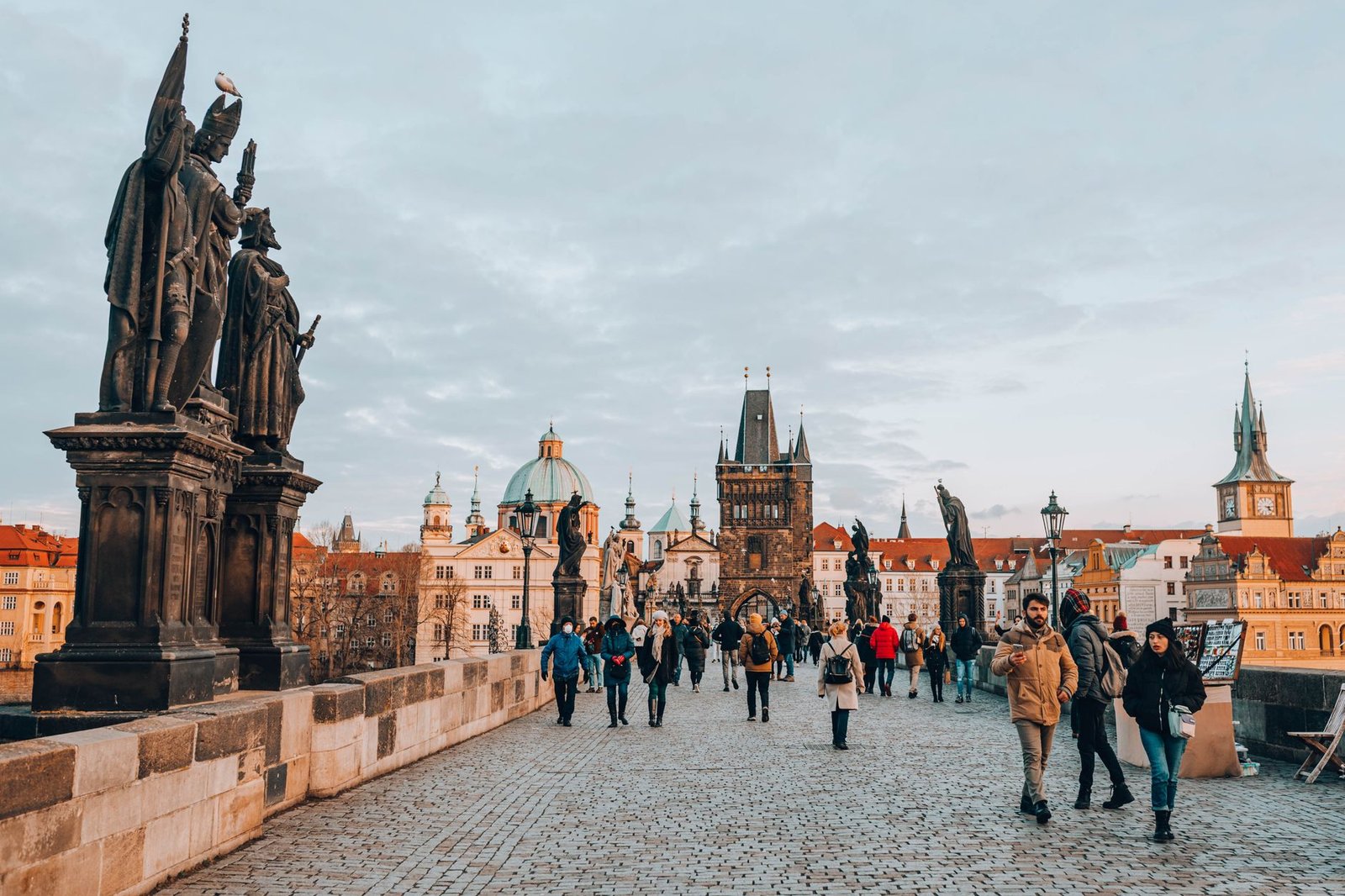
Eastern Europe, which includes countries such as Poland, Hungary, the Czech Republic, and Romania, combines centuries of tradition with heartfelt hospitality. Visitors will find people proud of their culture and eager to share their customs, but etiquette still holds an important place.
Greetings and Hospitality
Physical greetings often vary. A handshake is the default for first meetings, while close friends might hug or give a light kiss on the cheek. In many Slavic countries, it is customary to bring a small gift when visiting someone’s home. Flowers, sweets, or wine are common choices. Avoid giving an even number of flowers, as this is traditionally reserved for funerals.
Dining and Social Etiquette
Meals are often hearty and generous. Declining food or drink can be seen as impolite, so it is courteous to accept at least a small portion. Hosts take pride in ensuring their guests are well fed, so complimenting the food and showing appreciation matters greatly. Toasting is common, and it is polite to maintain eye contact while raising your glass.
Public Manners and Local Sensitivities
Public behavior should remain respectful and subdued. Locals appreciate visitors who respect historical and religious sites. In churches or monasteries, modest dress is required. Avoid loud conversations in public transport and be mindful of local sentiments when discussing politics or national identity.
Conclusion
Europe’s beauty lies not only in its landscapes and monuments but in the cultural depth that defines each nation. Understanding the nuances of etiquette is a way to travel beyond sightseeing. It allows you to experience the continent’s humanity at its finest, from the lively cafes of Paris to the quiet lakes of Finland.
Approaching every culture with respect, observation, and curiosity ensures that you will not just pass through Europe but truly connect with it. When travelers embrace local customs, they are no longer just tourists but welcome guests who enrich every encounter they have.
Further Reading
3 Day Istanbul Itinerary for First Time Visitors
Travel to Somalia; How I Traveled to Mogadishu
Free Family Things to do in Chicago Today
How to Spend Four Days in Hong Kong