Getting Around South Africa: Your Essential Travel Guide
Discover practical tips for getting around South Africa efficiently and safely, from transport options to travel advice.
Getting Around South Africa: Overview
South Africa is a vast country with diverse landscapes, vibrant cities, and rich cultural experiences. Navigating this beautiful land can be an adventure in itself. Whether you are visiting the bustling streets of Johannesburg, the scenic coastal routes of the Garden Route, or the winelands of Stellenbosch, understanding how to get around is crucial for a smooth trip. This guide provides comprehensive information on various transportation options available to travelers in South Africa.
From public transport systems to domestic flights and car rentals, South Africa offers a multitude of ways to explore its stunning regions. Each mode of transport has its advantages and considerations, making it essential to choose the one that best fits your itinerary and travel style. In this article, we will delve into the various means of transportation available, along with practical tips to ensure your travels are both enjoyable and safe.
As you prepare for your journey, keep in mind that South Africa’s transportation infrastructure is generally well-developed, particularly in urban areas. However, rural regions may present challenges that require careful planning. With the right knowledge, you can navigate this beautiful country with ease.
Public Transport in South Africa
Public transport is a viable option for getting around in South Africa, particularly in major cities. Understanding the different public transport systems can help you save money and experience local life more fully.
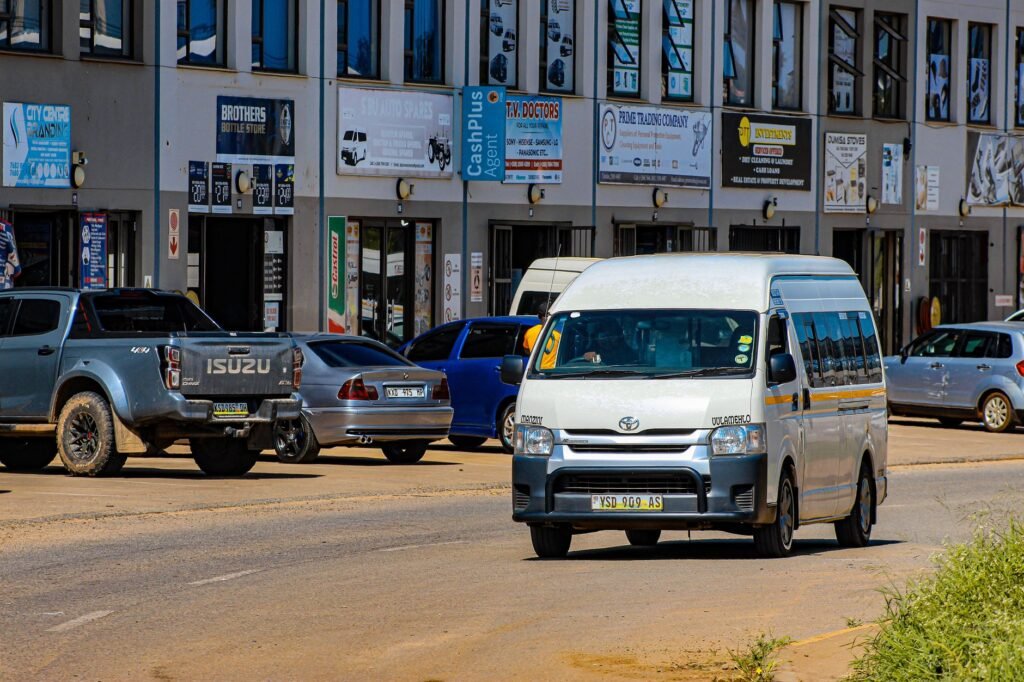
Minibus Taxis
Minibus taxis are a popular and affordable means of transport in South Africa. These shared vehicles operate on fixed routes and are commonly used by locals for daily commuting. While they can be an efficient way to travel, it’s important to be aware of the following:
- Cost: Fares are generally low, making them an economical choice.
- Safety: Minibus taxis are often driven aggressively, so exercise caution and choose reputable operators.
- Routes: Routes are not always clearly marked, so ask locals or the driver for assistance.
Buses
Long-distance buses provide a comfortable option for intercity travel, connecting major cities and towns. Companies like Greyhound and Intercape offer reliable services with various amenities. Here are key points to consider:
- Comfort: Buses typically have reclining seats and air conditioning.
- Booking: Tickets can be purchased online or at bus stations, but it’s advisable to book in advance during peak seasons.
- Travel Times: Expect longer travel times compared to flying, but the scenery can be quite rewarding.
Trains
The train network in South Africa is limited but offers picturesque routes. The Shosholoza Meyl trains connect major cities, while the luxurious Rovos Rail and Blue Train provide opulent travel experiences. Consider these aspects:
- Scenic Journeys: Train rides often showcase stunning landscapes and wildlife.
- Luxury Options: Rovos Rail and the Blue Train offer gourmet dining and lavish accommodations.
- Safety: Always check the latest travel advisories and train schedules.
Car Rentals in South Africa
Renting a car provides flexibility and independence, allowing you to explore South Africa at your own pace. Here are some essential points to consider when renting a vehicle:
Choosing a Rental Company
Numerous car rental companies operate in South Africa, ranging from international brands to local providers. Selecting the right company can make a significant difference in your experience. Consider the following:
- Reputation: Research customer reviews and ratings to find a reliable rental company.
- Insurance: Ensure you understand insurance coverage options and consider additional coverage for peace of mind.
- Pick-Up and Drop-Off: Check the location of rental offices and their hours of operation, especially if arriving late at night.
Driving Conditions and Rules
Driving in South Africa can be an exhilarating experience, but it’s important to be aware of local driving conditions and regulations. Key points include:
- Road Conditions: Major highways are generally well-maintained, but rural roads may be less reliable.
- Traffic Rules: South Africans drive on the left side of the road. Familiarize yourself with local traffic laws before hitting the road.
- Safety: Always keep doors locked and valuables out of sight, especially in urban areas.
Popular Driving Routes
Exploring South Africa by car allows you to experience breathtaking scenery and hidden gems. Some recommended routes include:
- The Garden Route: A stunning coastal drive from Cape Town to Port Elizabeth, featuring beautiful beaches and charming towns.
- The Panorama Route: Offers spectacular views of Blyde River Canyon, God’s Window, and waterfalls.
- Wine Route: Drive through the Cape Winelands and visit renowned wineries in Stellenbosch and Franschhoek.

Domestic Flights
For long distances, domestic flights can save time and provide convenient connections between major cities. South Africa has several airlines offering domestic services, including South African Airways, Mango, and Kulula. Consider the following when booking flights:
Booking Flights
When planning to fly within South Africa, booking in advance can lead to better deals and availability. It’s advisable to:
- Compare Prices: Use flight comparison websites to find the best fares.
- Check Luggage Policies: Each airline has different rules regarding baggage, so check before you book.
- Timing: Consider flight times and potential delays, especially during peak travel seasons.
Airports and Connections
South Africa’s major airports include Johannesburg’s OR Tambo International Airport, Cape Town International Airport, and Durban’s King Shaka International Airport. Points to note include:
- Transportation to/from Airports: Most airports have shuttle services, taxis, and car rentals available.
- Airport Amenities: Major airports offer shopping, dining, and lounges for travelers.
- Check-in Procedures: Arrive early to accommodate security checks and possible delays.
Flight Costs
Flight costs can vary widely based on demand and seasonality. Consider these factors when budgeting for domestic flights:
- Peak Seasons: Prices typically rise during school holidays and festive seasons.
- Advance Booking: Booking several weeks or months ahead can often yield better prices.
- Discount Airlines: Look for budget carriers that may offer lower fares, but be mindful of additional fees.
Ride-Sharing Services
In urban areas, ride-sharing services like Uber and Bolt are popular and convenient options for getting around. They can be particularly useful for travelers unfamiliar with local areas. Here’s what you need to know:
Using Ride-Sharing Apps
Ride-sharing apps are user-friendly and allow you to request a ride from your smartphone. Key advantages include:
- Convenience: Easily book a ride from your current location without needing cash.
- Cost-Effectiveness: Often cheaper than traditional taxis, especially for short distances.
- Safety Features: Apps provide driver details and trip tracking, enhancing safety.
Availability and Coverage
While ride-sharing services are widely available in cities like Cape Town, Johannesburg, and Durban, coverage may be limited in rural areas. Consider these points:
- Urban Focus: Most ride-sharing services operate primarily in metropolitan regions.
- Surge Pricing: Be aware of surge pricing during peak hours, which can increase costs.
- Local Alternatives: In areas without ride-sharing, consider local taxis or minibuses.
Safety Considerations
While ride-sharing is generally safe, it’s wise to follow basic safety practices:
- Verify Driver Identity: Check the driver’s photo and vehicle details before entering the car.
- Share Your Trip: Use the app’s features to share your trip details with friends or family.
- Trust Your Instincts: If something feels off, don’t hesitate to cancel the ride.

Safety Tips for Getting Around
Your safety should always be a priority while traveling in South Africa. Here are some essential tips to help you stay secure during your journey:
General Safety Guidelines
While South Africa is a beautiful country, it is important to remain vigilant. Follow these general safety tips:
- Stay Aware: Be mindful of your surroundings, especially in crowded areas.
- Travel in Groups: If possible, travel with others, particularly at night.
- Secure Your Belongings: Keep valuables hidden and avoid displaying expensive items.
Transport-Specific Safety
Different modes of transport come with specific safety considerations:
- Public Transport: Use well-known bus and taxi services, and avoid empty or poorly lit stations.
- Car Rentals: Always park in secure areas and avoid leaving belongings in sight.
- Ride-Sharing: Follow the safety tips mentioned earlier to ensure a secure ride.
Emergency Contacts
It’s crucial to have local emergency contacts readily available. Here are important numbers to note:
- Emergency Services: Dial 10111 for police assistance.
- Ambulance Services: Dial 10177 for medical emergencies.
- Fire Services: Call 10177 for fire emergencies.

Exploring South Africa by Train
Overview of Train Travel
Train travel in South Africa offers a unique way to experience the diverse landscapes of the country. The rail network connects major cities and tourist attractions, making it a viable option for travelers seeking to enjoy scenic views while avoiding the hassle of road traffic. The primary operator, PRASA (Passenger Rail Agency of South Africa), provides various services ranging from local commuter trains to long-distance journeys.
Popular Train Routes
One of the most celebrated train journeys is the Blue Train, which runs between Pretoria and Cape Town. This luxury service offers opulent accommodations and gourmet dining, traversing the picturesque Karoo region. Another notable route is the Shosholoza Meyl, which connects cities like Johannesburg and Durban, providing a more budget-friendly option with comfortable seating and sleeper cars.
- Blue Train: Pretoria to Cape Town
- Shosholoza Meyl: Johannesburg to Durban
- Rovos Rail: Pretoria to Victoria Falls
Booking and Tips for Train Travel
Travelers can book train tickets online or at railway stations. It is advisable to book in advance, especially for popular routes during peak travel seasons. Bring snacks and entertainment, as some trains may have limited dining options. Additionally, be prepared for varying levels of service quality, and consider traveling during daylight hours to fully enjoy the scenic views.
Water Transport Options in South Africa
Ferries and Boat Cruises
Water transport is a less conventional but delightful way to explore South Africa’s coastal and riverine attractions. Ferries operate in several cities, providing an alternative to road travel while offering stunning views from the water. The ferry from Cape Town to Robben Island is a popular choice among tourists, enabling visitors to explore the historic site where Nelson Mandela was imprisoned.
Whale Watching and River Cruises
For those interested in marine life, whale watching tours are available in regions like Hermanus, renowned for its Southern Right whale sightings. River cruises on the Zambezi River or the Crocodile River offer an immersive experience into South Africa’s wildlife and aquatic ecosystems. These cruises often include guided tours, making them educational as well as enjoyable.
- Robben Island Ferry: Cape Town to Robben Island
- Whale Watching Tours: Hermanus
- Crocodile River Cruises: Kruger National Park
Safety and Best Practices for Water Travel
When opting for water transport, it is crucial to check the weather conditions and ensure that the operators are licensed and adhere to safety regulations. Always wear life jackets when required and follow the guidance of crew members. Booking through reputable companies can enhance the safety and enjoyment of your water travel experience.

Alternative Mobility Solutions
Biking and Walking Tours
For those looking to explore cities and towns at a slower pace, biking and walking tours are excellent options. Many urban areas, such as Cape Town and Johannesburg, offer bike rentals and guided cycling tours that allow travelers to discover hidden gems and local culture. Walking tours are also available, often led by knowledgeable local guides who share insights about the history and significance of various landmarks.
Electric Scooters and E-Bikes
Electric scooters and e-bikes have become increasingly popular in urban centers, providing a convenient way to navigate city streets. Services like Bolt and Lime offer easy access to scooters, allowing users to rent via mobile apps. This mode of transportation is not only fun but also eco-friendly, making it ideal for short distances.
- Bike Rentals: Available in major cities
- Guided Walking Tours: Explore local history
- Electric Scooter Rentals: Convenient for short trips
Accessibility Considerations
Travelers with mobility challenges should research accessibility options for biking and walking tours. Some companies offer adaptive bicycles and guided tours designed for individuals with disabilities. It is advisable to communicate specific needs when booking to ensure that accommodations can be made. Additionally, many public transport systems are taking steps to improve accessibility, making it easier for all travelers to navigate the country.
Frequently Asked Questions
What is the best way to get around South Africa?
The best way to get around depends on your itinerary. In cities, public transport and ride-sharing services are convenient, while renting a car is ideal for exploring rural areas and scenic routes.
Is it safe to use public transport in South Africa?
Public transport can be safe if you stay aware of your surroundings and choose reputable services. Avoid traveling alone at night and keep your belongings secure.
Are there any travel restrictions in South Africa?
Travel restrictions may vary based on health guidelines. It’s advisable to check government travel advisories before planning your trip.
How much does it cost to rent a car in South Africa?
Car rental prices vary based on the company, vehicle type, and rental duration. Expect to pay around R300 to R1,000 per day, excluding insurance and fuel.
The Bottom Line
Getting around South Africa offers a variety of options, from public transport and car rentals to domestic flights and ride-sharing services. Each method has its unique benefits and considerations. By planning ahead and staying informed about safety practices, you can navigate this diverse country with confidence and enjoy all it has to offer.
Visa rules, prices and opening times change. Always confirm details with official sources before you travel.