

Historical Places in Europe for Tourists
- The Colosseum and Rome showcase Roman engineering, gladiatorial history, and nearby Pantheon and Forum, offering immersive ancient urban ruins.
- Tower of London reveals Norman architecture, royal intrigues, Crown Jewels, Beefeaters, and centuries of English history along the Thames.
- The Acropolis of Athens crowns the city with the Parthenon, symbolizing classical aesthetics, democracy origins, and striking marble ruins.
- The Alhambra in Granada dazzles with Nasrid palaces, intricate tilework, Court of the Lions, and serene Generalife gardens.
Europe is a living museum. Every city street, every hilltop fortress, and every village square bears witness to centuries of human progress, creativity, and conflict. From the ancient ruins of Rome to the majestic castles scattered across the Scottish Highlands, this continent is a time capsule that continues to enchant travelers. In this article, we will explore some of the most remarkable historical places in Europe, offering insight into their cultural and historical importance, as well as practical tips to help you make the most of your visit. Whether you are a passionate history enthusiast or simply curious about the stories that shaped modern Europe, this guide will take you on an unforgettable journey through time.

The Colosseum and the Eternal City of Rome, Italy
Few landmarks capture the essence of ancient civilization like the Colosseum in Rome. Constructed under Emperor Vespasian and completed in AD 80, this architectural wonder once hosted gladiatorial contests and grand spectacles that enthralled tens of thousands of spectators. Its sheer scale and engineering precision reveal the prowess of Roman builders and the societal importance of public entertainment.
Beyond the Colosseum, Rome itself is an open-air museum. The Roman Forum unfolds nearby, filled with remnants of temples and government buildings where the Republic once operated. A short walk away lies the Pantheon, whose perfectly proportioned dome remains one of the greatest achievements in architectural history.
Travel tips
• Book entry tickets online in advance to avoid long queues, especially during summer.
• Visit early in the morning or just before closing to enjoy a quieter experience.
• Wear comfortable shoes, as exploring ancient sites involves walking on uneven stone paths.

The Tower of London, United Kingdom
Standing on the banks of the River Thames, the Tower of London is a fortress that has witnessed nearly a thousand years of England’s most defining events. Founded by William the Conqueror in 1066, it has served as a royal palace, prison, and treasury. Today, it houses the Crown Jewels, guarded by the famous Beefeaters whose ceremonial duties add to the site’s storied atmosphere.
Each building inside the complex tells a story. The White Tower showcases Norman architecture and medieval weapons, while the Bloody Tower brings to mind the mysteries and royal intrigues of centuries past. The surrounding walls, towers, and quaint courtyards provide endless opportunities for exploration.
Travel tips
• Join a guided Beefeater tour to hear fascinating historical anecdotes.
• Allow at least half a day to explore, as the complex is extensive.
• Early morning visits tend to be less crowded and offer better photo opportunities.

The Acropolis of Athens, Greece
A symbol of democracy and the birthplace of philosophy, the Acropolis of Athens is one of Europe’s most iconic historical sites. Set high above the city, its gleaming marble ruins overlook the modern capital, bridging past and present. The Parthenon, dedicated to the goddess Athena, dominates the plateau, embodying the aesthetic ideals of classical Greece.
Surrounding monuments such as the Erechtheion, the Temple of Athena Nike, and the Propylaea gateway complete the sacred complex. Visiting the Acropolis Museum nearby provides valuable context for understanding the sculptures and relics found on site, many of which have survived thousands of years.
Travel tips
• Visit early in the morning or late in the afternoon to avoid the strongest sun.
• Combine the visit with a walk through the Plaka neighborhood, full of traditional tavernas and crafts.
• Bring water and wear a hat, especially in summertime, as shade is limited.

The Alhambra of Granada, Spain
Perched on a hill overlooking the city of Granada, the Alhambra is the crown jewel of Moorish architecture in Spain. Once the royal palace of the Nasrid dynasty, its courts, gardens, and intricate tilework testify to centuries of Islamic art and innovation. The name Alhambra means “the red one,” inspired by the warm hue of the palace walls during sunset.
Within the complex, highlights include the Nasrid Palaces with their delicate stucco patterns, the famous Court of the Lions, and the tranquil Generalife Gardens, which offered respite to the royals. A visit here is not only a visual experience but also a journey into the coexistence of Christian and Muslim cultures that shaped Spain’s identity.
Travel tips
• Secure timed entry tickets weeks in advance, as daily visitor numbers are limited.
• An evening visit can be magical, with soft lighting accentuating the palace’s details.
• Take a guided tour to fully appreciate the historical and architectural context.

The Historic Center of Prague, Czech Republic
Prague’s old town is one of the most beautifully preserved medieval quarters in Europe. Its cobblestone streets, Gothic churches, and Baroque palaces tell a story of prosperity, artistry, and resilience. At its heart lies the Old Town Square, where the Astronomical Clock continues to chime as it has for over six centuries. Nearby, Charles Bridge connects the old town with the majestic Prague Castle, offering breathtaking views of the Vltava River.
The castle complex itself encompasses centuries of Czech history. St Vitus Cathedral, with its soaring spires, dominates the skyline, while old royal residences and narrow alleys invite slow-paced exploration. Visiting Prague feels like stepping into a fairytale, yet its history is real and tangible in every stone façade.
Travel tips
• Climb the Old Town Hall Tower for panoramic views of the city.
• Early mornings and late evenings are the best times for exploring Charles Bridge with fewer crowds.
• Try traditional Czech dishes like goulash and trdelník to complete the experience.

The Palace of Versailles, France
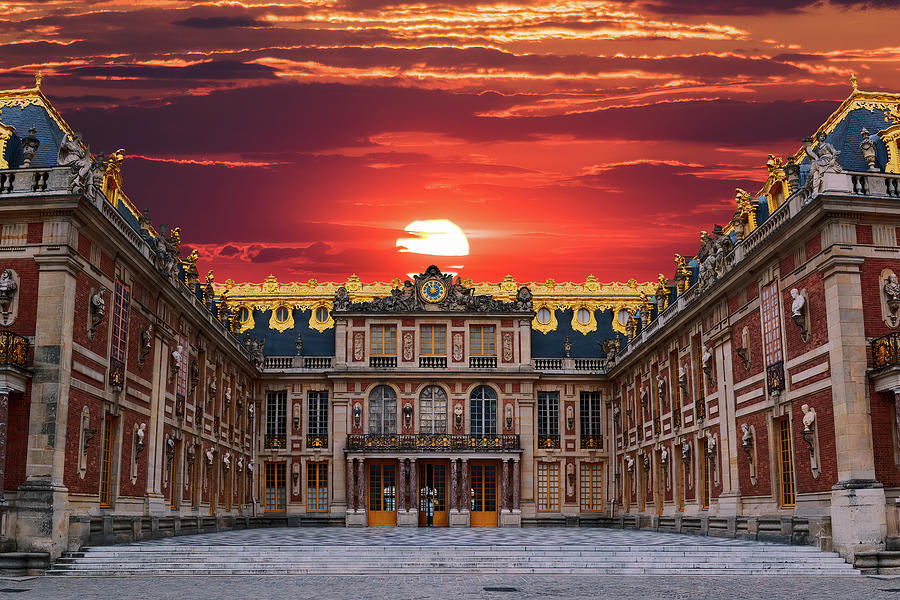
Just outside Paris lies the Palace of Versailles, the ultimate expression of royal grandeur. Commissioned by Louis XIV in the seventeenth century, it epitomizes the height of French art and absolutist power. The Hall of Mirrors, with its glittering chandeliers and ceiling frescoes, remains one of the most famous rooms in the world.
Beyond the palace interiors, the gardens stretch across hundreds of acres, filled with sculptures, fountains, and perfectly trimmed hedges designed by André Le Nôtre. Exploring these grounds offers a sense of the opulence and ambition that characterized the French monarchy before the Revolution.
Travel tips
• Purchase a combined ticket covering both the palace and gardens.
• Plan your trip on a weekday to avoid weekend crowds.
• Allow time for a leisurely walk or rent a bicycle to explore the vast gardens.
Conclusion
Europe’s historical places are far more than relics of the past. They are living testimonies to human creativity, struggle, and endurance. Each fortress and cathedral stands as a chapter in the story of civilization. Exploring them allows travelers to connect deeply with cultures, understand historical turning points, and appreciate the artistry that continues to inspire the modern world. Whether you stand beneath the arches of the Colosseum or gaze at the gleaming domes of the Acropolis, you are not just observing history but walking through it. The continent’s timeless heritage invites every visitor to become part of its ongoing narrative.
Further Reading
3 Day Istanbul Itinerary for First Time Visitors
Travel to Somalia; How I Traveled to Mogadishu
Free Family Things to do in Chicago Today
How to Spend Four Days in Hong Kong