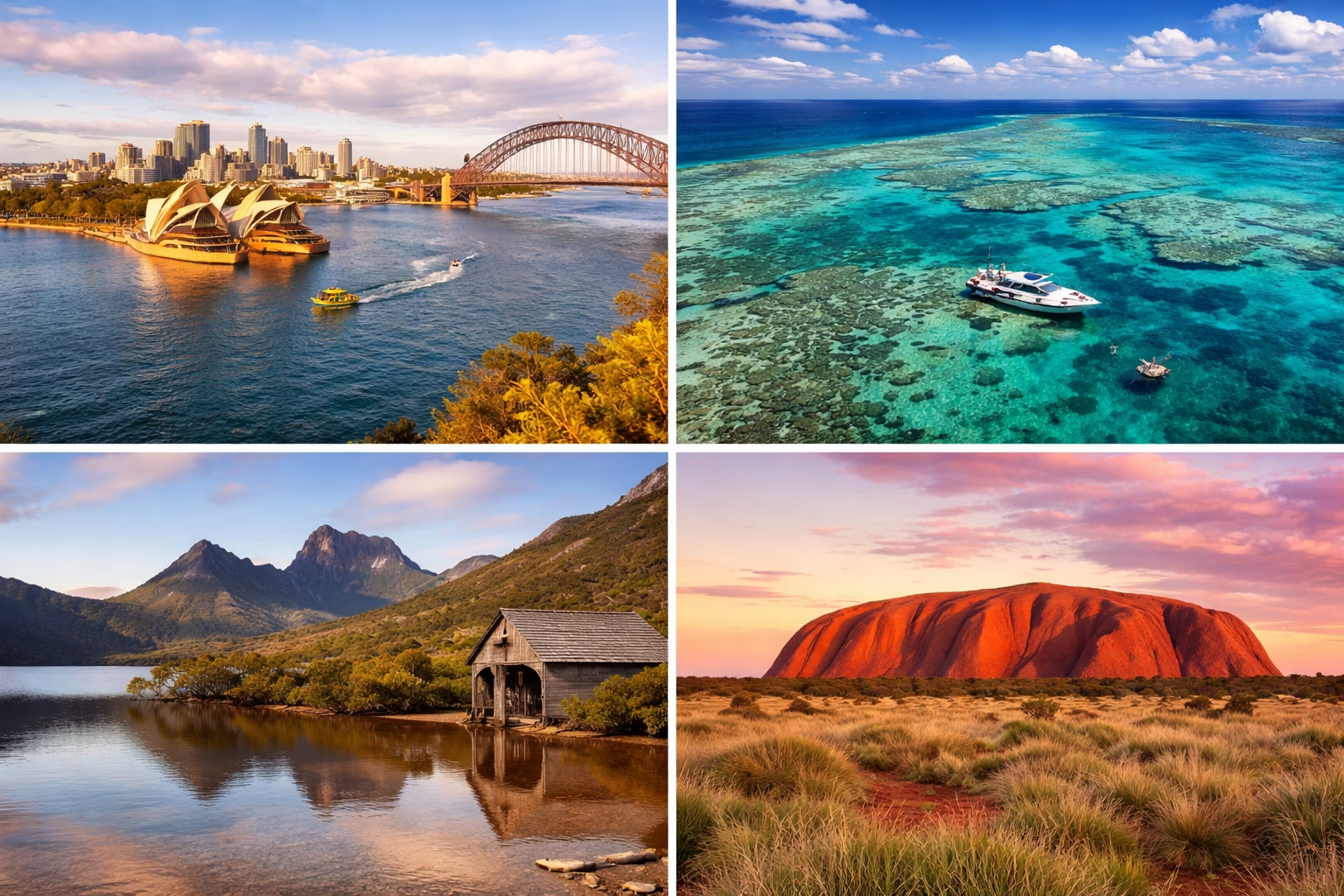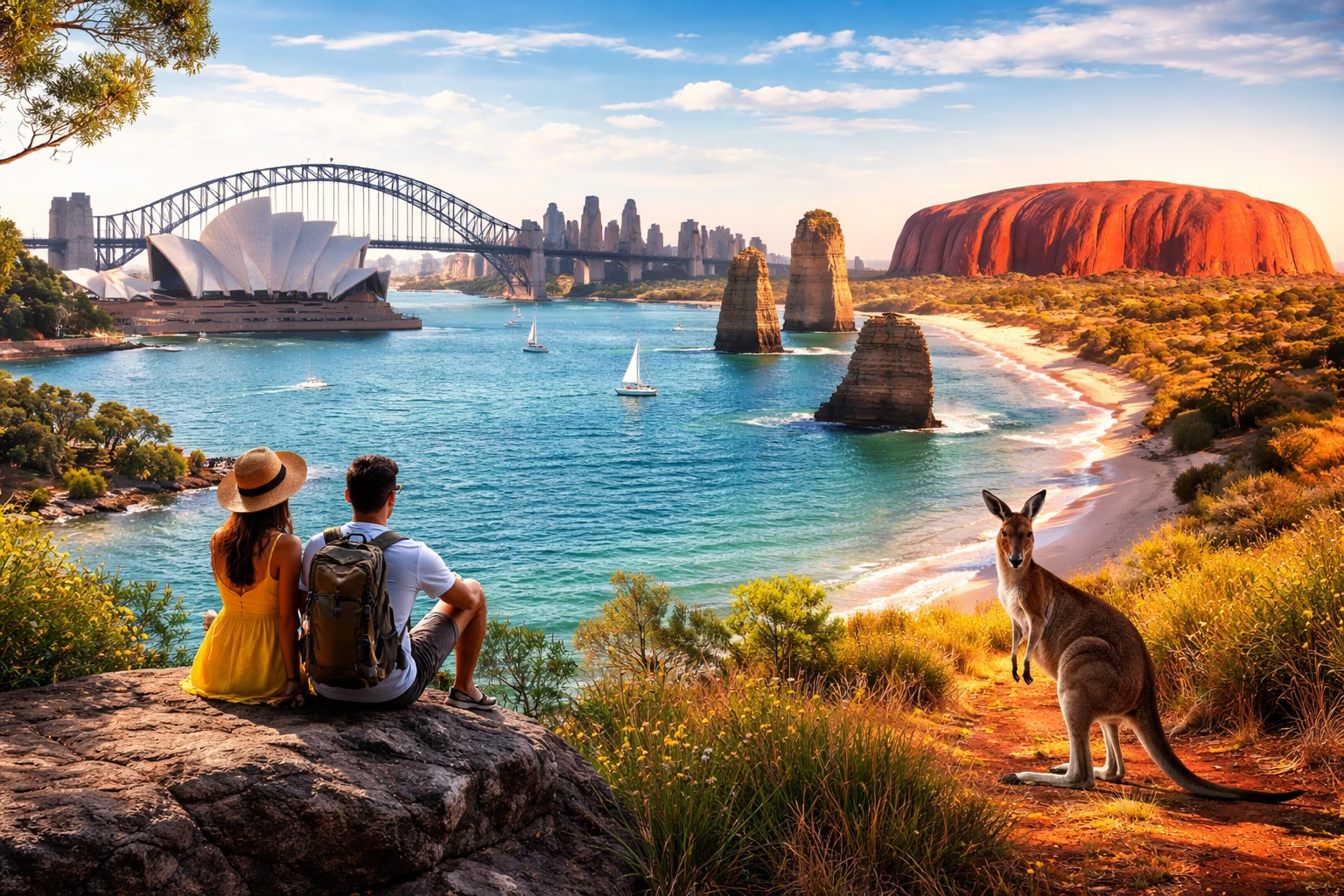
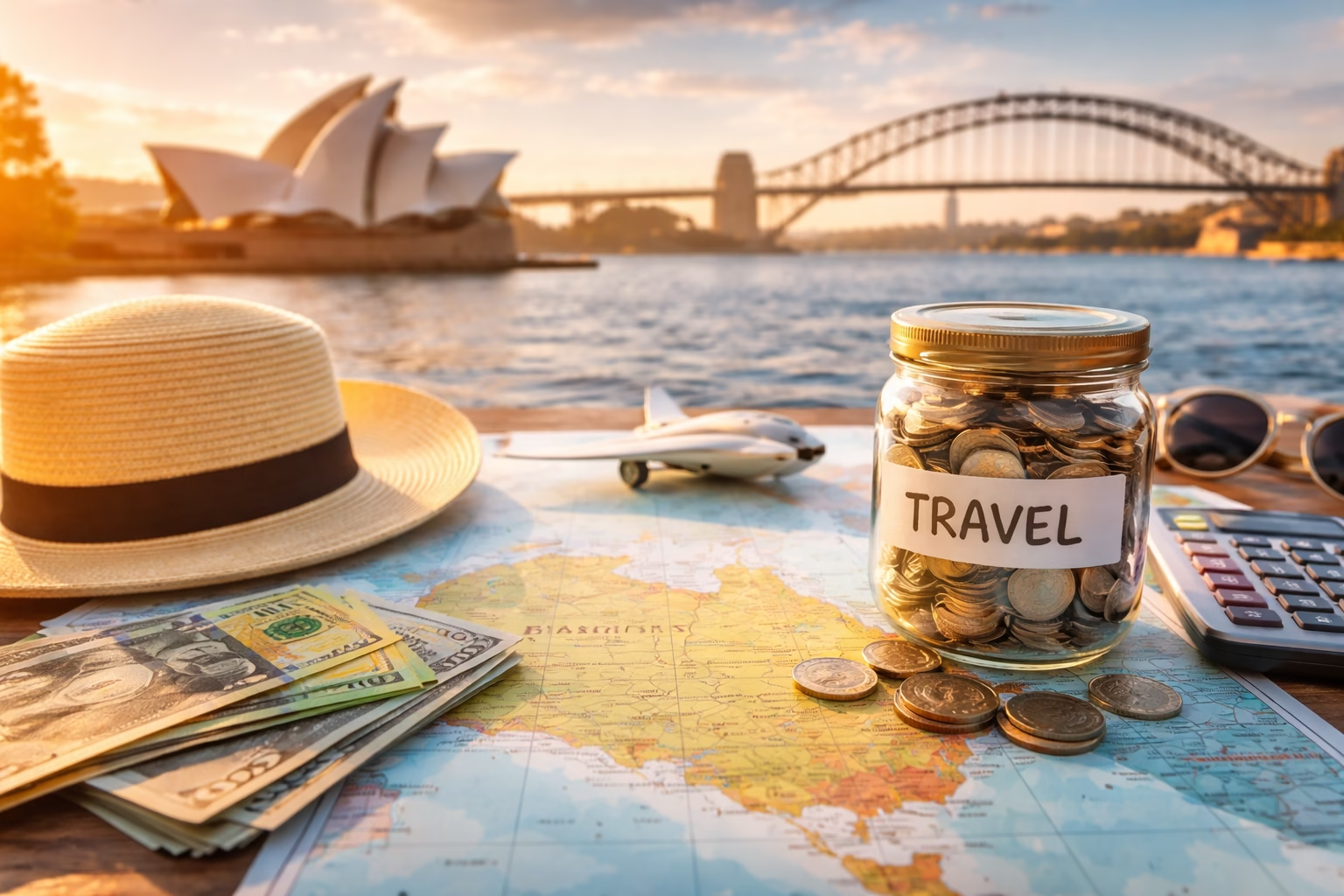
Australia is often described as one of the most beautiful yet costly destinations in the world. Endless coastlines, pristine national parks, vibrant cities, and unique wildlife make it irresistible to travelers, but many hesitate, wondering if their wallets can manage the journey. This guide takes a detailed look at what it truly costs to visit Australia. You will find clear insights into accommodation, food, transportation, attractions, and money saving strategies, helping you plan realistically and travel confidently.
- Total cost varies by travel style; backpacker, midrange, and luxury choices dramatically change daily spending.
- Transportation drives budgets due to vast distances; choose flights, trains, buses, or road trips to balance cost and convenience.
- Smart planning cuts expenses: book early, travel off season, use local markets, discount passes, and consider work options to offset costs.
Whether you dream of exploring the Great Barrier Reef, driving the Great Ocean Road, or soaking up the sunshine in Sydney, understanding the financial side of your trip will help you make every dollar count.

Understanding the Overall Cost of Traveling in Australia
Australia is not a budget destination compared to Southeast Asia or parts of Eastern Europe. However, it offers transparency in pricing, high travel standards, and plenty of flexibility. The total cost largely depends on travel style and planning. A backpacker who uses hostels, local transport, and supermarket meals can spend around 80 to 120 AUD per day, while mid range travelers may average 200 to 300 AUD daily. Those seeking comfort or luxury will find prices comparable to high end destinations such as New Zealand or Northern Europe.
Travelers are often surprised by how efficiently costs can be managed once they understand the country’s layout, public transportation, and local habits. The key is to balance experiences with smart spending choices.
Accommodation Costs Across Australia
Accommodation in Australia varies broadly across cities, rural towns, and remote regions.
Budget Options
Hostels are a mainstay for budget travelers. In large cities like Melbourne or Sydney, shared dorm beds range from 30 to 50 AUD per night. In smaller towns, you can find places as low as 25 AUD. Campsites and caravan parks are another affordable alternative, especially for road trippers. Sites with basic facilities start around 15 to 30 AUD per person per night.
Mid Range Choices
If you prefer private comfort without extravagance, mid range hotels or guesthouses generally cost between 120 and 220 AUD per night. Major cities such as Brisbane or Perth may be slightly higher during holiday seasons. Many visitors also choose serviced apartments, which provide kitchen facilities that help reduce meal costs.
Luxury Escapes
For those seeking indulgence, luxury hotels, eco lodges, and coastal resorts can start from 350 AUD and climb to well over 1000 AUD per night. The exclusivity of Australian luxury usually comes from location and design, whether that means a secluded island in the Whitsundays or a boutique vineyard retreat in the Yarra Valley.

Dining and Food Budget
Australia has a vibrant and multicultural food scene, offering everything from casual street snacks to sophisticated fine dining. Prices can vary dramatically, so it helps to know where locals eat.
Eating Out
A casual lunch in a café typically costs 15 to 25 AUD per person. Dinner in a mid range restaurant will likely run between 30 and 50 AUD without drinks. Expect more if you dine in major city centers or waterfront districts.
Cooking for Yourself
Many travelers save money by using shared hostel kitchens or apartment facilities. A weekly grocery run for two might cost between 80 and 120 AUD depending on what you buy. Major supermarket chains often have discounts and convenient ready meals.
Special Treats and Local Flavors
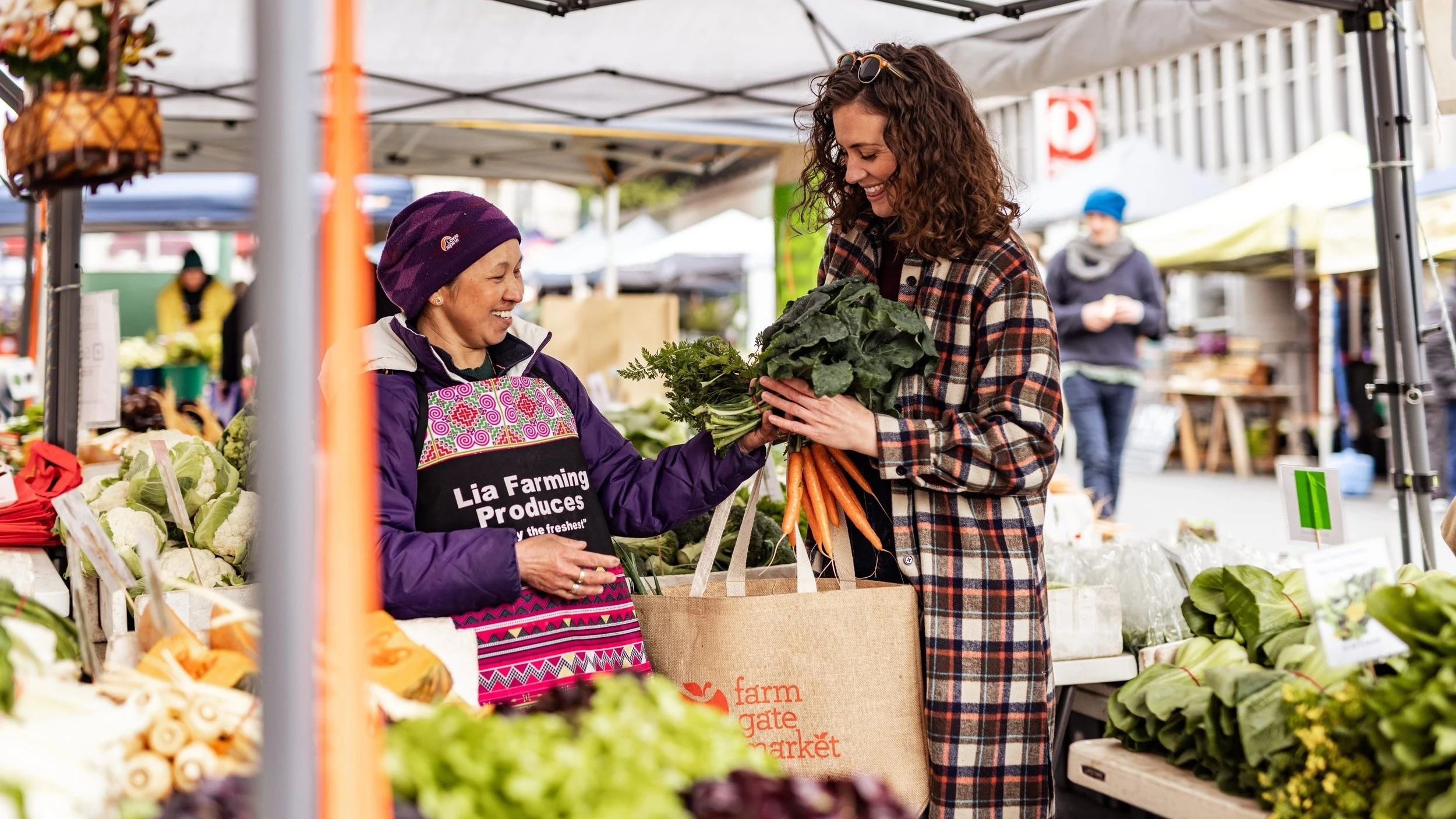
Do not miss classic Australian experiences like fish and chips by the beach or a local farmers’ market breakfast. These simple pleasures not only enhance cultural connection but also keep spending reasonable.
Transportation: Getting Around Economically
Distances in Australia are vast, so how you move around significantly affects your budget.
Domestic Flights
Because the country is so large, flights are often the fastest way to connect major cities. Budget airlines offer competitive fares if booked early. A one way ticket from Sydney to Melbourne can be found for under 100 AUD with advance planning.
Trains and Buses
Public transportation within cities is efficient, and intercity travel by bus is an affordable choice, especially for flexible travelers. A long distance coach journey may cost 50 to 120 AUD depending on the route. Train passes such as the Queensland Rail Explorer Passport can provide excellent value for scenic routes.
Car Rentals and Road Trips
Road trips are quintessentially Australian and allow maximum freedom. Car rentals start around 50 to 70 AUD per day for small vehicles, while campervans cost more but save on accommodation. Fuel costs are typically between 1.80 and 2.20 AUD per liter, and tolls may apply near major cities.
Public Transport in Cities
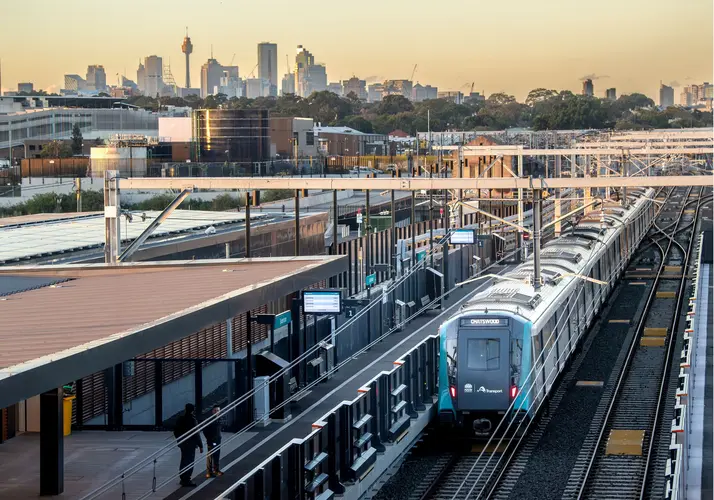
Sydney, Melbourne, and Brisbane have integrated public networks including trains, trams, and buses. Daily passes range around 10 to 20 AUD and make exploring convenient and budget friendly.
Sightseeing, Attractions, and Experiences
Australia’s greatest attractions blend natural wonders with urban culture. Some are free, others require paid entry or tours. Balancing both is key to managing costs while enjoying the best of the country.
Free and Low Cost Attractions
- Beaches, coastal walks, and national parks are mostly free or have nominal entry fees of 10 to 20 AUD per vehicle.
- City museums and art galleries often have no admission charge for their main collections.
- Events and festivals bring local culture alive without adding extra expense.
Paid Experiences Worth the Cost
- Great Barrier Reef snorkeling tours range from 180 to 300 AUD.
- Sydney Harbour Bridge climbs begin around 330 AUD but deliver unforgettable views.
- Wine tasting in regions like Barossa Valley or Margaret River may cost 20 to 40 AUD per tasting flight.
When selecting activities, remember that quality and location matter more than volume. Prioritize experiences that align with your interests and contribute meaningfully to your journey.

Saving Tips and Smart Budget Strategies
Traveling through Australia comfortably does not require unlimited funds. A few thoughtful adjustments can make a huge difference.
- Book Early and Comparatively
Domestic flights and hotels are cheapest when booked several weeks ahead. Use fare alert tools to track prices. - Travel Off Season
Visiting tropical regions like Cairns during shoulder months often means lower rates and fewer crowds. - Use Tourist Discount Cards
Many cities offer travel or attraction passes that bundle activities at reduced pricing. - Embrace Local Markets
Shop where locals do. Weekend markets not only deliver fresh food but cultural immersion. - Consider Working Holidays
Younger travelers with eligible visas can offset costs by working temporarily while exploring the country.
Even small daily decisions, such as walking instead of taking short taxi rides or choosing local eateries over chain restaurants, can significantly stretch your travel budget.

Conclusion
Australia’s reputation for being expensive holds some truth, but it is only one side of the story. With smart planning, realistic budgeting, and flexibility, it can be surprisingly accessible. The country’s high standards of safety, cleanliness, infrastructure, and natural beauty ensure remarkable value for every dollar spent.
Whether you dream of snorkeling along the Great Barrier Reef or watching the sunset at Uluru, understanding the cost breakdown equips you to plan wisely and travel freely. Australia rewards those who explore with curiosity and purpose, not just those with big budgets.
Further Reading
China Visa Guide for Tourists
5 Day Rome Itinerary with Must See Attractions
Travel to Somalia; How I Traveled to Mogadishu
Free Family Things to do in Chicago Today
How to Spend Four Days in Hong Kong