Introduction
Italy is a destination that stirs the imagination long before you ever arrive. Ancient ruins, Renaissance masterpieces, coastlines that glow in the sunset, and meals that feel like celebrations all come together in a country that seems to define what travel should be. Whether you are drawn by art, cuisine, architecture, or the romance of winding cobblestone lanes, Italy offers an experience that feels both timeless and deeply personal.
This Italy travel guide is designed especially for first time visitors who want to make the most of their journey. You will learn how to choose the right regions to visit, when to travel, how to navigate transportation, what to expect when dining, and how to experience the country in a way that goes beyond the usual tourist circuit. By the end, you will have a clear, detailed sense of how to plan an unforgettable Italian adventure.
Understanding Italy: The Heart of Its Allure
Italy is a country of contrasts, and appreciating those contrasts is central to enjoying your visit. The north is characterized by snowcapped Alps, elegant lakes, and cities like Milan, Turin, and Verona that showcase industrial strength alongside historic grace. Moving south, the rhythm slows and the atmosphere becomes warmer and more easygoing, with Naples, Sicily, and Puglia representing a zest for life that radiates through every cafe, piazza, and seaside village.
Each region has its own identity shaped by centuries of local traditions, dialects, and cuisine. Tuscany’s rolling hills are steeped in wine culture, Veneto reflects its Venetian lagoon roots, while Sicily’s layered history reveals Greek, Arab, and Norman influences. To fully experience Italy, think of it less as one single country and more as a collection of unique destinations all tied together by a shared sense of beauty and pleasure in living well.
When to Visit: Finding the Perfect Season
While Italy is a year-round destination, timing your visit can completely change your experience.
Spring (March to May)
This is perhaps the best time for first time travelers. The countryside blooms with color, temperatures are comfortably warm, and crowds have not yet reached their peak. It is ideal for sightseeing in cities like Florence and Venice or enjoying outdoor dining terraces.
Summer (June to August)
Summer offers long sunny days but also brings high heat and larger crowds, particularly in major destinations. If you plan to visit during this season, focus on coastal escapes such as the Amalfi Coast, Cinque Terre, or the islands of Sardinia and Sicily where sea breezes temper the warmth.
Autumn (September to November)
Harvest season brings wine festivals, truffle fairs, and fewer tourists. This is a delightful time to explore Tuscany, Piedmont, and Umbria, where the landscape turns golden and food culture is at its best.
Winter (December to February)
Cities such as Rome and Florence are quieter, making it easier to visit museums and historic attractions without queues. Northern regions transform into winter playgrounds with excellent skiing in the Dolomites and Italian Alps.
Planning Your Itinerary: Balancing Cities, Countryside, and Coast
To understand Italy’s diversity, first time visitors should aim for a balanced itinerary that combines major cities with smaller towns and scenic landscapes.
1. The Classic Trio: Rome, Florence, and Venice
These three cities capture the essence of Italy’s history and charm.
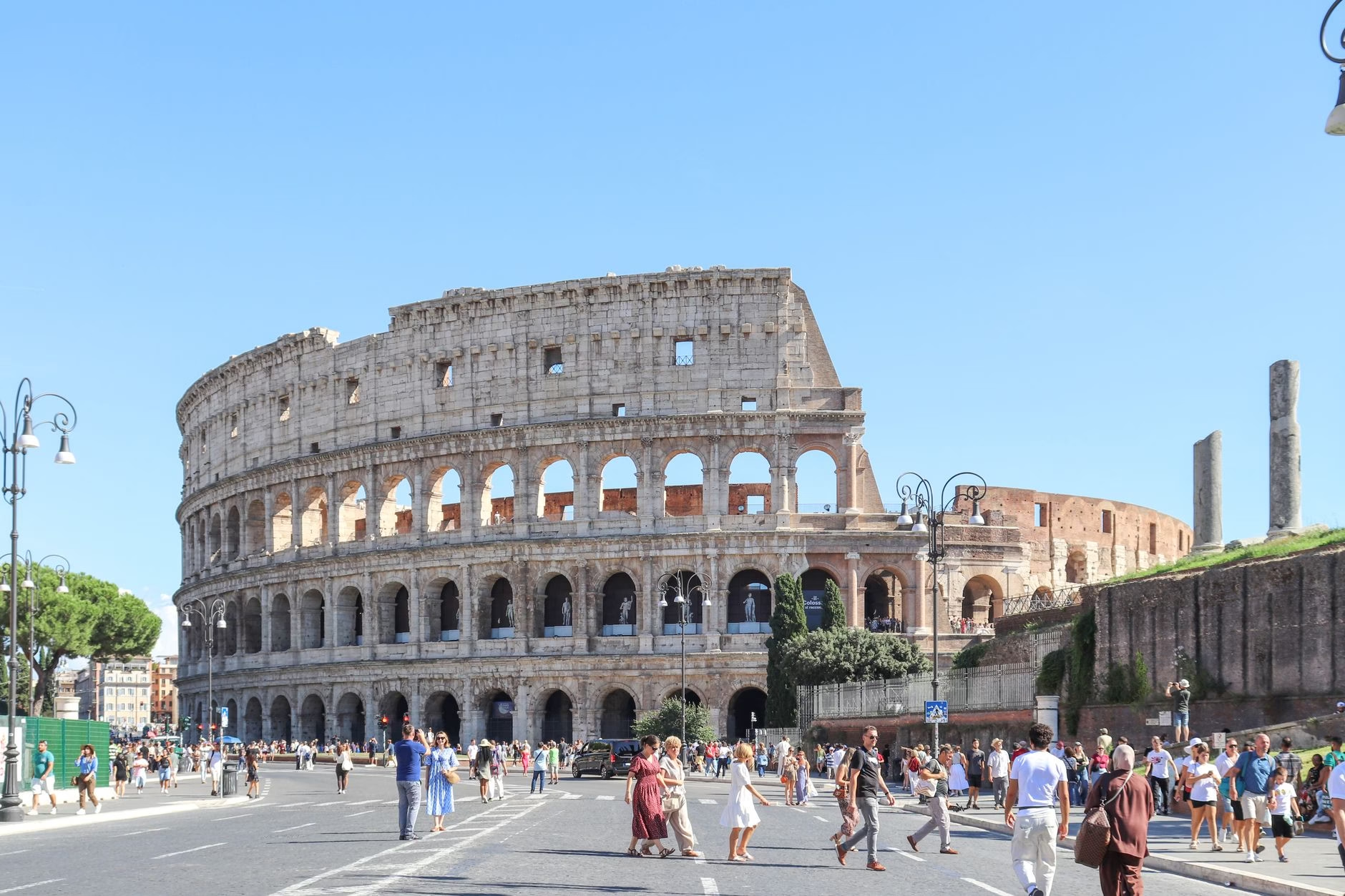
- Rome: A living museum where ancient landmarks like the Colosseum, Pantheon, and Roman Forum sit side by side with lively trattorias and busy neighborhoods. Plan for at least three full days to explore its historic core and the Vatican City.
- Florence: The birthplace of the Renaissance. Visit the Uffizi Gallery, climb the Duomo, and walk across the Ponte Vecchio. Florence also serves as a base for visiting Tuscan towns such as Siena or San Gimignano.
- Venice: Unique in every sense, Venice’s canals, narrow alleys, and Gothic palaces feel otherworldly. Get lost intentionally and embrace the slower pace that defines the city.
2. Beyond the Icons
To deepen your experience, include less-visited areas that capture authentic Italian life.
- Cinque Terre: Five colorful villages set against the Ligurian cliffs connected by coastal trails.
- Amalfi Coast: Dramatic views, lemon groves, and sea-facing towns such as Positano and Ravello.
- Puglia: Whitewashed villages, olive groves, and beaches with Caribbean-like clarity.
- Lake Como or Lake Garda: Perfect for relaxation and reflection after busy city touring.
Two weeks in Italy allows a comfortable pace to visit a mix of these destinations without feeling rushed.
Getting Around: Transportation Insights
Italy’s public transportation system is efficient and connects nearly every corner of the country.
Train Travel
Trains are the best way to travel between major cities. High-speed rail services connect Rome, Florence, Milan, Venice, and Naples with comfort and convenience. Booking tickets early often provides significant savings. Regional trains are slower but reach smaller towns and rural districts.
Driving
Renting a car is ideal for exploring the countryside, especially in Tuscany, Umbria, or Sicily. However, avoid driving in large cities where restricted zones and expensive parking can be difficult to manage.
Domestic Flights
For travelers covering long distances such as Rome to Sicily, domestic flights can save time.
Public Transit in Cities
Most Italian cities are walkable, and local buses or metros cover essential routes. Remember that Italian taxi fares include a standard starting fee, and rides between midnight and early morning may have surcharges.
The Italian Table: What and How to Eat
Italian cuisine is one of the greatest pleasures of travel. To eat well in Italy, embrace the local rhythm of meals and regional flavors.
- Regional Specialties: Food changes dramatically from place to place. Try carbonara in Rome, risotto in Milan, fresh seafood in Naples, and arancini in Sicily.
- Dining Etiquette: Meals are unhurried. Expect multiple courses and enjoy them at a leisurely pace. Bread is served without butter, wine accompanies nearly every meal, and cappuccino is reserved for breakfast hours.
- Restaurants and Trattorias: Seek out smaller family-run establishments where menus are handwritten and seasonally inspired. Avoid places with pictures of food near major tourist spots.
- Cultural Tip: Tipping is appreciated but not obligatory. Service charge is often included unless otherwise stated.
Eating in Italy is about more than nourishment. It is a celebration of the moment, a connection to the land, and a form of hospitality that defines Italian life.
Cultural Awareness and Local Etiquette
A few insights can help you feel at ease and show respect during your travels.
- Greet people with a polite “Buongiorno” during the day and “Buonasera” in the evening.
- Dress modestly when visiting churches or sacred sites by covering shoulders and knees.
- Avoid loud conversation in historic or residential areas, as Italians value public decorum.
- Learn a few basic Italian phrases. Even small efforts go a long way in building goodwill.
Understanding these social details enhances your experience and helps you form authentic connections with locals.
Accommodation Options and Booking Tips
Italy offers an accommodation style for every kind of traveler.
- Hotels: Found in all price ranges, with many housed in renovated palaces or historic buildings.
- Agriturismo: Countryside farm stays that provide authentic hospitality and home-cooked meals, often in Tuscan or Umbrian settings.
- Boutique Guesthouses and B&Bs: Ideal for couples or solo travelers seeking personalized service.
- Apartments and Villas: Great for families or groups, allowing for flexibility and the experience of living like a local.
Book early for peak seasons, particularly in Tuscany and along coastal areas. Consider mixing accommodation types for a varied travel experience.
Safety and Practical Travel Advice
Italy is generally safe, but travelers should remain alert in crowded areas where pickpocketing can occur. Keep valuables secure and be cautious near transport hubs and popular landmarks. Carry copies of important documents separately from the originals.
Public health services are high-quality, and pharmacies (farmacie) are widespread. Tap water is safe to drink, and credit cards are widely accepted though small cash payments remain common in markets and smaller towns.
Travel insurance that includes health coverage and trip cancellation protection is always recommended for peace of mind.
Conclusion
Italy is not a destination to simply check off a list. It is a living experience that invites you to slow down, taste deeply, and see the extraordinary in everyday moments. From the ancient streets of Rome to the vineyards of Chianti and the glittering canals of Venice, each corner reveals new reasons to fall in love. For first time visitors, Italy is an awakening to the joy of travel itself.
Take your time, trust your senses, and let Italy unfold at its own pace. The memories you create here will stay with you long after you return home.
Further Reading
3 Day Istanbul Itinerary for First Time Visitors
Travel to Somalia; How I Traveled to Mogadishu
Free Family Things to do in Chicago Today
How to Spend Four Days in Hong Kong