Introduction
Few travel experiences compare to locking eyes with a mountain gorilla in its natural habitat. Deep within the emerald jungles of Uganda, where mist hangs thick among ancient trees, travelers have the rare chance to encounter one of the planet’s most extraordinary creatures. Gorilla trekking in Uganda is not an ordinary wildlife adventure; it is a transformative journey that connects you with nature in its purest form.
In this comprehensive guide, you will learn everything you need to plan and enjoy a gorilla trekking experience in Uganda, including how to prepare, what to expect on the trek, the best parks and seasons to visit, permit details, ethical travel considerations, and practical travel insight that ensures your journey is unforgettable for all the right reasons.
Understanding Uganda’s Gorilla Trekking Experience
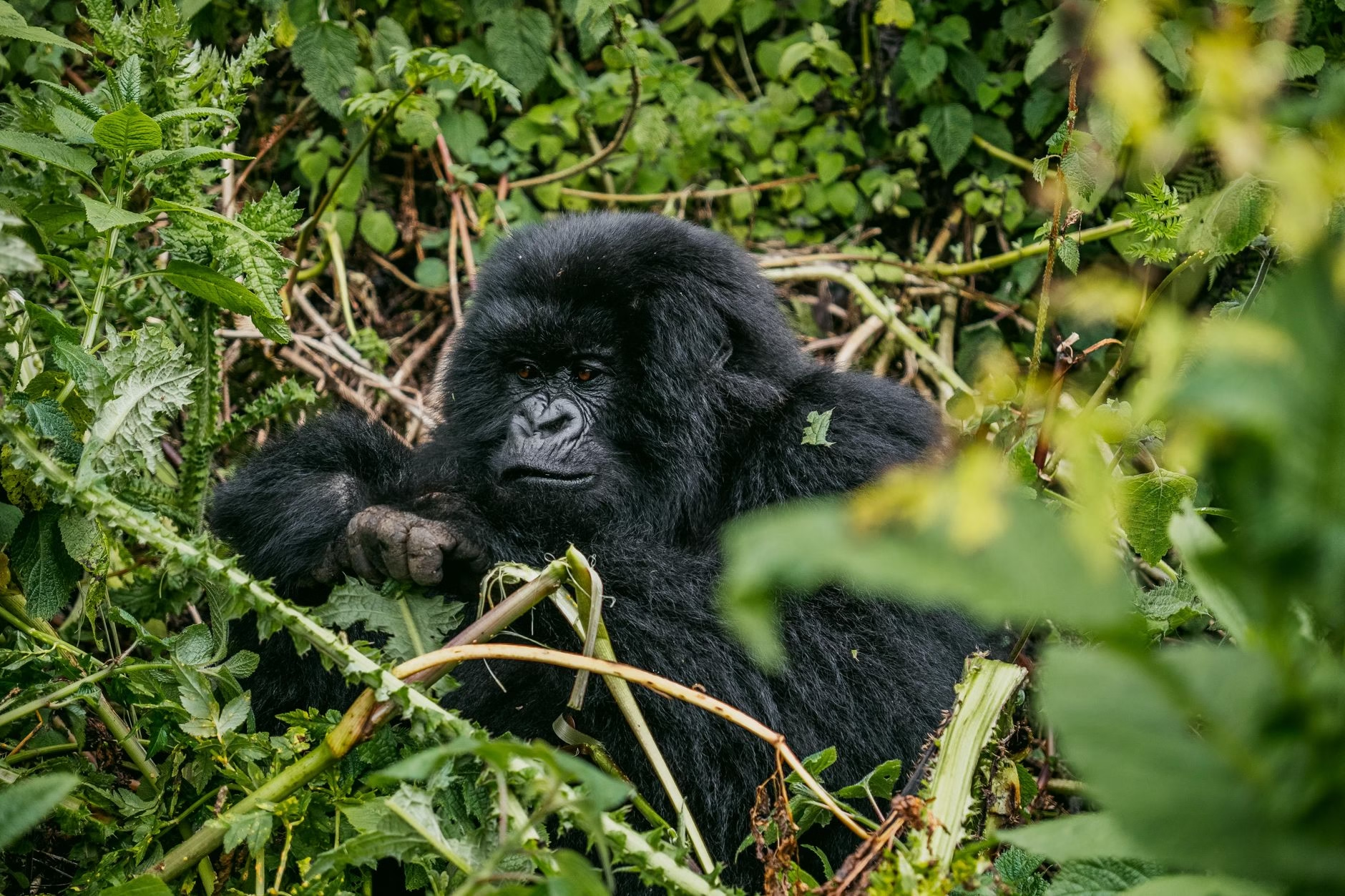
Uganda is home to more than half of the world’s remaining mountain gorillas, a testament to its conservation success and ecological richness. Gorilla trekking takes place primarily in two protected areas: Bwindi Impenetrable National Park and Mgahinga Gorilla National Park. These UNESCO World Heritage landscapes are famous for their misty ridges, muddy trails, and dense vegetation that shelters both gorillas and countless other species.
Trekking involves hiking through thick forest terrain alongside professional guides and trackers who trace a specific gorilla family. Each trek has a sense of unpredictability because the gorillas are free to roam, adding an element of discovery and adventure. Once located, visitors are allowed to observe them for one unforgettable hour, watching as silverbacks maintain family hierarchy, juveniles play in the undergrowth, and mothers cradle their infants with tenderness.
Choosing Between Bwindi Impenetrable National Park and Mgahinga National Park
Both parks offer exceptional experiences, yet they differ slightly in terrain, accessibility, and atmosphere.
Bwindi Impenetrable National Park
- Location and Terrain: Stretching across southwestern Uganda, Bwindi is characterized by steep slopes, thick rainforest vegetation, and rich biodiversity. Its name, “Impenetrable,” accurately reflects the trek experience, which often involves climbing and maneuvering through dense foliage.
- Gorilla Families: Bwindi hosts more than twenty habituated gorilla families spread across four sectors: Buhoma, Ruhija, Rushaga, and Nkuringo. Each sector provides a distinct environment and level of challenge.
- Experience: Bwindi offers a slightly more challenging yet equally rewarding trek. The combination of rich birdlife, waterfalls, and occasional encounters with forest elephants or monkeys adds depth to the experience.
Mgahinga Gorilla National Park
- Location and Landscape: Set within the Virunga Mountains, Mgahinga features dramatic volcanic peaks and open bamboo forest, creating a different visual atmosphere from Bwindi’s tangled rainforest.
- Gorilla Families: Mgahinga has one habituated family, the Nyakagezi group, known for its stability and photogenic setting among volcanic scenery.
- Experience: Treks here are generally shorter and less strenuous, with fewer visitors, offering a more intimate experience.
For most travelers, the choice depends on logistics, permit availability, and personal preferences regarding hiking intensity and remoteness.
Preparing for the Trek: Permits, Fitness, and Gear
Gorilla Trekking Permits
A gorilla trekking permit is essential and must be obtained in advance through the Uganda Wildlife Authority or a licensed local tour operator. As of recent years, the permit costs around USD 700 for foreign nonresidents. The number of daily permits is limited to ensure sustainable tourism, so early booking is vital, especially during high season.
Physical Preparation
Trekking can be demanding. Expect steep climbs, slippery trails, and humid conditions. A moderate fitness level is necessary, as treks can last anywhere from one hour to an entire day. Before your trip:
- Practice regular walking or light hiking on uneven terrain
- Carry plenty of water and light snacks
- Pace yourself and communicate with guides if you need rest breaks
Essential Gear to Pack
- Waterproof hiking boots with strong ankle support
- Lightweight, long-sleeved clothing to protect against insects and vegetation
- Rain jacket or poncho, as the forest is often damp
- Gardening gloves for gripping branches
- A walking stick (often provided at the trailhead)
- Binoculars and a camera with silent shutter mode
- A small waterproof backpack for your essentials
The Trekking Experience: What to Expect on the Day
Your trek begins in the early morning with a briefing from park rangers who explain gorilla behavior, safety guidelines, and park rules. Visitors are assigned to small groups based on fitness level and the location of different gorilla families. Each group is accompanied by experienced guides, trackers, and often armed rangers for safety.
The journey through the forest is thrilling. You will hear the hum of insects, the calls of distant birds, and the rustle of vegetation as you move deeper into gorilla territory. Guides communicate quietly using radios to locate the trackers who have followed the gorilla families since dawn.
When the moment finally arrives and you encounter a gorilla group, silence takes over. The hour you spend in their presence is extraordinary. You might see a silverback calmly watching his family, young ones tumbling around, or mothers tenderly feeding their young. Rangers will remind you to maintain a safe distance of at least seven meters to protect both visitors and gorillas from disease transmission.
Photography is allowed, but flash use is prohibited. The key is to be respectful, quiet, and mindful that you are a guest in their home.
Conservation, Community, and Responsible Travel
Gorilla trekking is not only a tourism highlight but also a vital pillar of conservation. A significant portion of the permit fees funds gorilla protection, anti-poaching initiatives, and ranger welfare. Local communities also benefit through employment and revenue sharing programs that encourage coexistence between people and wildlife.
Responsible travelers can further support conservation by:
- Staying in community-run lodges or eco-lodges that reinvest profits locally
- Purchasing handicrafts and produce from nearby villages
- Participating in cultural visits or guided community walks to understand local life
- Avoiding littering, feeding wildlife, or leaving any trace behind
Each traveler who walks away from this experience contributes directly to the survival of the mountain gorilla population and to the sustainability of Uganda’s rich ecosystems.
When to Go and How to Get There
Best Time to Visit
Uganda can be visited year-round, but the best trekking conditions typically fall within the dry seasons from June to August and December to February. Trails are less muddy, and visibility tends to be better. However, trekking in the wetter months can be equally rewarding, with lush landscapes and fewer tourists.
Travel Logistics
Most visitors arrive at Entebbe International Airport and travel to the southwestern region by road or domestic flight.
- By Road: The drive to Bwindi or Mgahinga takes about 8 to 10 hours from Kampala or Entebbe, passing through scenic highlands, tea plantations, and local towns that add cultural color to the journey.
- By Flight: Domestic flights operated by AeroLink or Bar Aviation connect Entebbe with Kihihi or Kisoro airstrips, which are close to the parks.
It is advisable to coordinate transport and accommodation through a reputable tour operator familiar with the region.
Where to Stay
Accommodation options around both Bwindi and Mgahinga range from luxury lodges to comfortable mid-range and budget guesthouses. Many lodges offer breathtaking views of the forest canopy, warm hospitality, and services tailored for trekkers.
Top Recommendations
- Luxury: Bwindi Lodge, Clouds Mountain Gorilla Lodge
- Mid Range: Buhoma Haven Lodge, Lake Mulehe Gorilla Lodge
- Budget: Ride4AWoman Guesthouse, Rushaga Gorilla Camp
When choosing where to stay, consider proximity to your assigned trek sector and the level of comfort you prefer. Many lodges can arrange permit pickups and transfers, simplifying logistics.
Final Thoughts: The Lasting Impact of Gorilla Trekking
Gorilla trekking in Uganda is far more than a wildlife encounter. It is a profound reminder of our connection to nature and the urgent need to protect vulnerable species. The intimacy of standing near a gentle giant in its mountain home stays etched in memory long after the trek ends.
Uganda offers this rare privilege responsibly and sustainably, combining ecological integrity, adventure, and cultural depth. Whether you trek in Bwindi’s misty ravines or on the slopes of Mgahinga’s volcanoes, you are not just observing gorillas; you are participating in one of conservation’s greatest success stories.
Further Reading
3 Day Istanbul Itinerary for First Time Visitors
Travel to Somalia; How I Traveled to Mogadishu
Free Family Things to do in Chicago Today
How to Spend Four Days in Hong Kong