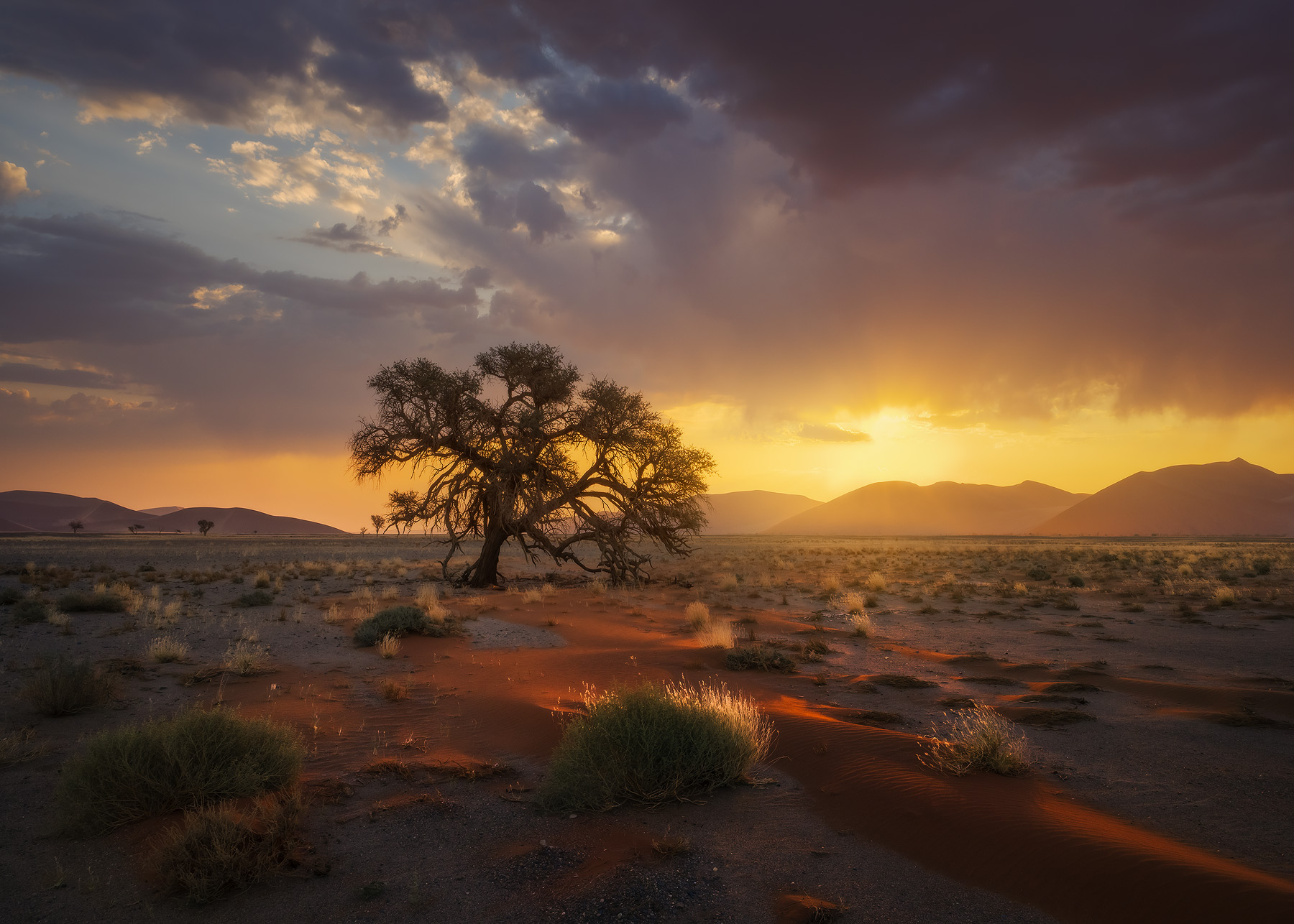
There are few places on earth that capture the imagination quite like Namibia. With its endless dunes, vast salt pans, and rugged mountain ranges, this southwestern African nation feels like a dreamscape carved by time itself. Travelers come to Namibia not just to see the desert but to experience its living energy, a place where life finds a way despite the harsh environment, where each horizon reveals a new wonder.
- Climb Sossusvlei dunes and visit Deadvlei; pre-dawn ascents reveal golden light and sweeping sandscapes.
- Explore the Skeleton Coast and Damaraland by 4WD or scenic flight to see shipwrecks, seal colonies, rock engravings, and desert elephants.
- Plan responsibly: visit May to October, pack sun protection and warm layers, use 4WD, stick to trails, and support local lodges.
This detailed Namibia travel guide explores how to make the most of your desert adventures, from the world famous Sossusvlei dunes to the untamed Skeleton Coast and the ancient rock art of Damaraland. You will learn how to plan an unforgettable journey through Namibia’s stark beauty, when to visit, what to pack, and how to travel responsibly in one of the most pristine landscapes on the planet.

Understanding Namibia’s Desert Landscape
Namibia is home to two of the most remarkable deserts in the world: the Namib and the Kalahari. Each offers different textures of solitude and beauty.
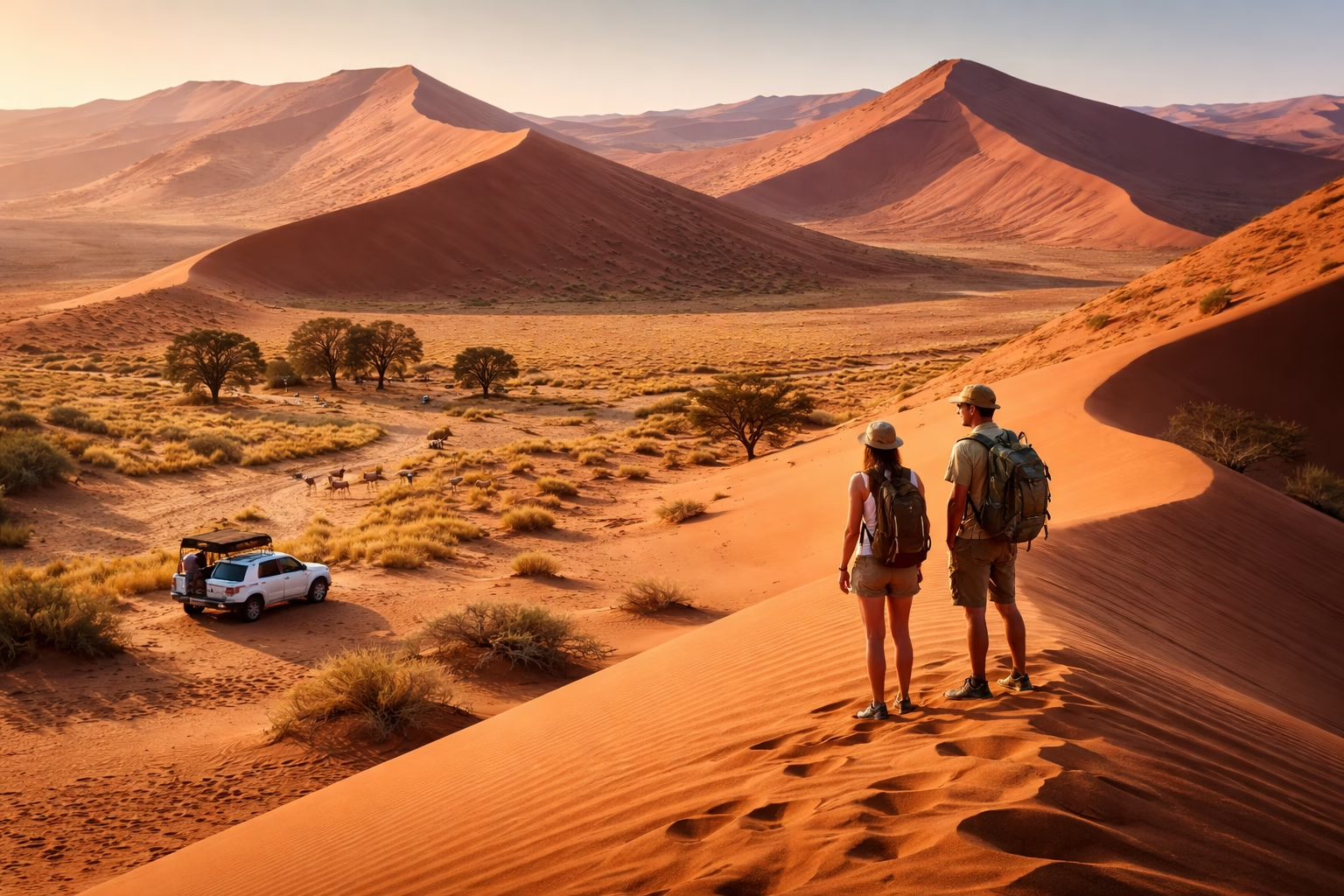
The Namib Desert is often described as the oldest desert on earth, with dunes that glow deep orange at sunrise and stretch endlessly to the Atlantic Ocean. It is home to Sossusvlei, Deadvlei, and the towering Dune 45, each a photographer’s paradise. Despite its name, the Namib teems with life. You may spot gemsbok, springbok, or even a sidewinder snake etching its way through the sand.
The Kalahari Desert, though less barren, unveils rolling grasslands and red sand plains that support hardy wildlife and nomadic communities. You can encounter desert adapted lions, meerkats, and the San people who have lived here for thousands of years, sharing ancestral wisdom about survival in one of the driest climates on the continent.

Top Desert Adventures in Namibia
1. Climbing the Dunes of Sossusvlei
Located within the Namib Naukluft National Park, Sossusvlei showcases Namibia’s most iconic scenery. Dune 45 and Big Daddy rise hundreds of meters above the desert floor, and climbing them is a rewarding challenge that provides sweeping views across an ocean of sand. The best time to start is before dawn, when the cool air and golden light transform the desert into a painter’s palette. Afterward, visit Deadvlei, a white clay pan surrounded by burnt orange dunes where ancient camelthorn trees stand preserved by the dry air.
Tips for visiting:
- Stay overnight in Sesriem or inside the park gates to enter at sunrise.
- Bring plenty of water and sun protection; shade is almost nonexistent.
- Use a wide angle lens if photographing to capture the vastness of the landscape.

2. Exploring the Skeleton Coast
Stretching from Swakopmund to the Angolan border, the Skeleton Coast is where the desert meets the sea in haunting beauty. Shipwrecks dot the shoreline, engulfed by mist, and colonies of Cape fur seals bask near Cape Cross. The coastal route is filled with contrasts, red dunes sliding into cobalt waves, salt pans glistening under the sun, and occasional sightings of scavenging jackals.
Take a scenic flight for an aerial perspective over shipwrecks, seal colonies, and the roaring dunes that resemble frozen waves. Travelers often describe this coastal stretch as otherworldly, almost lunar in its isolation.

3. Discovering Damaraland
Between the Skeleton Coast and Etosha National Park lies Damaraland, a region of rugged mountains, dry riverbeds, and geological marvels. Twyfelfontein, a UNESCO World Heritage Site, holds thousands of prehistoric rock engravings telling stories of ancient hunters. The region is also known for its desert adapted elephants, which have evolved to survive in the parched conditions.
What to do in Damaraland:
- Visit the Petrified Forest, where fossilized trees over 250 million years old lie scattered across the terrain.
- Stay in a local eco lodge to support community based tourism and enjoy guided walks with local experts.
- Photograph the glowing hues of Brandberg Mountain, Namibia’s highest peak, at sunset.

4. Stargazing in the Namib Desert
Namibia holds one of the clearest night skies in the world, protected by minimal light pollution and dry air. The NamibRand Nature Reserve is officially recognized as a Dark Sky Reserve, offering exceptional viewing conditions for stargazers. Simply standing under this vast canopy of stars feels like floating above the earth. Many lodges provide telescopes and guided astronomy sessions, where you can learn the stories behind the constellations that guided ancient travelers across the desert.

Practical Travel Tips for Namibia’s Desert Regions
Best Time to Visit
Namibia can be visited year round, but different seasons bring distinct experiences:
- May to October is the dry season, ideal for wildlife viewing and comfortable temperatures.
- November to April brings occasional rain, turning parts of the desert green. It is quieter and often more affordable for travelers.
Plan for cooler nights in the desert. Even during hot days, temperatures can drop dramatically after sunset.
Getting Around
Self driving is one of the best ways to explore Namibia. The roads are well maintained but often gravel, so renting a sturdy 4WD vehicle is highly recommended. Distances can be long, so allow generous travel time between destinations. For remote locations like the Skeleton Coast or NamibRand, consider charter flights to save time and enjoy stunning aerial views.
Accommodation
Namibia’s desert lodges are among the most atmospheric in Africa, often blending with the landscape and emphasizing sustainable operation. You can choose between luxury lodges with panoramic decks or minimalist campsites under the open sky. Booking ahead is essential, especially during the high season from June to September.
Respecting the Environment
The desert is delicate and easily disrupted. Stick to marked trails and avoid driving off road. Carry out all waste and minimize water usage. Supporting locally owned lodges and guides ensures that your trip benefits the communities who call this remarkable land home.

What to Pack for a Desert Adventure
Essential items include:
- Lightweight, breathable clothing and a wide brimmed hat
- A warm jacket for cool evenings
- Reusable water bottles and electrolyte packets
- Sunscreen, lip balm, and sunglasses
- A camera with spare batteries and memory cards
- Binoculars for spotting wildlife
If camping, bring a satellite phone or GPS since signal coverage can be intermittent in the remote regions. Proper preparation enhances safety and allows you to explore confidently.
A Journey to Remember
Traveling through Namibia’s deserts is more than a scenic experience; it is an awakening to the raw power of nature. Every sunrise over the dunes, every footprint left in the shifting sand, and every quiet moment under the stars teaches something about resilience and wonder. From Sossusvlei’s monumental landscapes to the mysterious Skeleton Coast, Namibia offers a desert adventure unlike anywhere else on earth.
Embrace its silence, its space, and its soul. Whether you are drawn by photography, wildlife, or a desire to disconnect from the rush of the world, Namibia’s deserts promise a journey that will stay with you long after you have brushed the last grains of sand from your shoes.
Further Reading
3 Day Istanbul Itinerary for First Time Visitors
Travel to Somalia; How I Traveled to Mogadishu
Free Family Things to do in Chicago Today
How to Spend Four Days in Hong Kong