
How to Pack for Antarctica: Essential Tips for Your Journey
Learn how to pack for Antarctica efficiently with our detailed guide, ensuring you have everything you need for a remarkable adventure.
Packing for a trip to Antarctica requires careful consideration due to the extreme weather conditions and unique environment. Travelers must prepare for cold temperatures, unpredictable weather, and the need for specialized gear. This guide will help you understand what to bring and how to pack effectively for your Antarctic adventure.
Whether you’re embarking on a cruise, participating in an expedition, or planning a land-based trip, having the right gear is crucial for comfort and safety. Understanding the layering system, selecting appropriate materials, and packing efficiently will enhance your experience.
This article will provide a comprehensive overview of how to pack for Antarctica, including essential items, clothing tips, and practical advice to ensure you have everything you need for your journey.
Understanding the Antarctic Climate
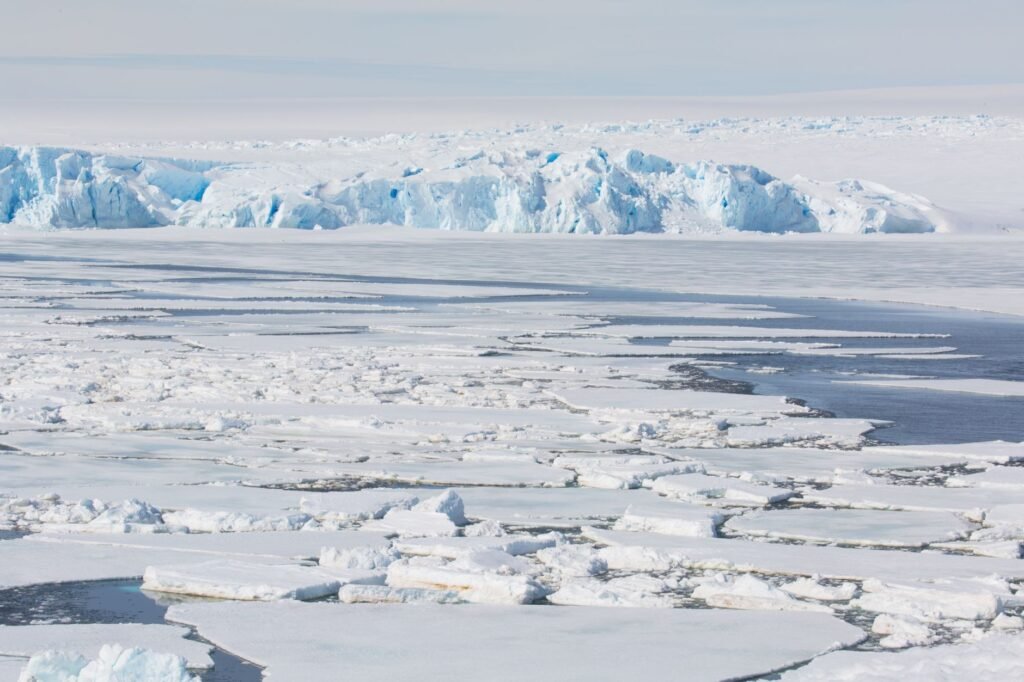
Antarctica is known for its harsh climate, characterized by extreme cold and strong winds. The temperature can vary significantly depending on the season and location, ranging from a balmy 20°F (-6°C) in summer months to well below freezing in winter. Understanding these conditions is essential when planning your packing list.
Summer in Antarctica runs from November to March, with temperatures typically ranging from 20°F to 40°F (-6°C to 4°C). Despite being summer, conditions can fluctuate rapidly, making it essential to prepare for both cold and milder weather. Winter, on the other hand, is a time of extreme cold and darkness, making travel nearly impossible.
Winds are common in Antarctica, and can significantly impact how cold it feels. Wind chill can make temperatures feel much colder, which is why layering and windproof gear are crucial components of your packing strategy.
Layering Your Clothing
The key to staying warm and comfortable in Antarctica is mastering the layering system. This approach allows you to adjust your clothing based on activity level and weather changes. Generally, there are three main layers to consider: base, middle, and outer layers.
Base Layer
The base layer is your first line of defense against the cold. It should be made from moisture-wicking materials that keep sweat away from your skin. Look for fabrics like merino wool or synthetic blends that provide insulation while allowing your skin to breathe.
- Examples of Base Layer Items:
- Long-sleeve thermal tops
- Thermal leggings or long underwear
- Socks made from wool or synthetic materials
Middle Layer
The middle layer provides insulation. Fleece jackets and down vests are excellent options for retaining heat. This layer should be easily removable, as you may need to adjust your clothing based on your activity level.
- Examples of Middle Layer Items:
- Fleece jackets
- Insulated vests
- Lightweight down jackets
Outer Layer
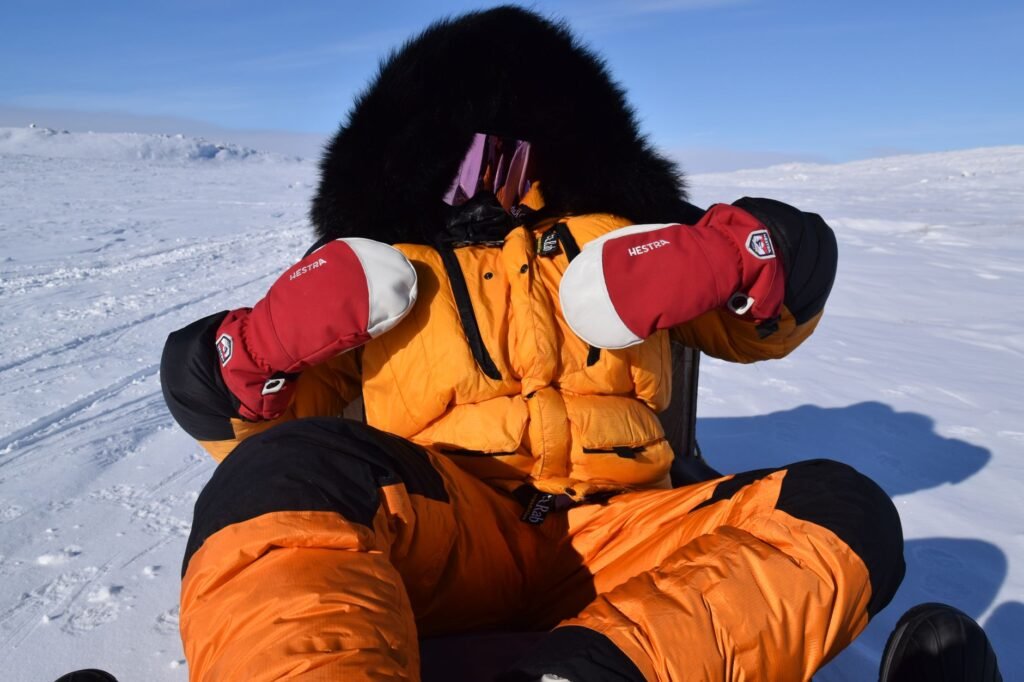
The outer layer serves as a protective barrier against wind and moisture. A waterproof and windproof jacket is essential. Look for options with adjustable cuffs and hoods for added protection. Your outer pants should also be waterproof and insulated to keep you warm during wet conditions.
- Examples of Outer Layer Items:
- Waterproof parka
- Insulated waterproof pants
- Windproof shell jacket
Essential Gear for Your Trip
Beyond clothing, several essential items will enhance your comfort and safety during your Antarctic journey. Choosing high-quality gear is vital for ensuring you are adequately prepared for the environment.
Footwear
Insulated, waterproof boots are a must-have for any Antarctic traveler. Look for boots that provide good traction for walking on ice and snow. Additionally, ensure your boots have enough room to accommodate thick socks without being too tight.
- Examples of Footwear:
- Insulated waterproof boots
- Thick wool socks
- Waterproof gaiters
Accessories
Accessories play a crucial role in keeping you comfortable. Ensure you have a warm hat, gloves or mittens, and a buff or scarf to protect your neck and face from the cold.
- Examples of Accessories:
- Warm knit hat
- Insulated gloves or mittens
- Neck gaiter or scarf
Other Important Items
Don’t overlook additional items that can enhance your experience. Sunscreen and lip balm with SPF are necessary, as the sun’s rays can be intense, even in cold temperatures. Sunglasses or goggles are also essential to protect your eyes from glare off the snow and ice.
- Examples of Other Important Items:
- Sunscreen with high SPF
- UV protection sunglasses
- Moisturizing lip balm

Personal Items and Comfort
Packing personal items can significantly impact your overall comfort during your trip. While it’s important to focus on functional gear, including items that bring you joy or comfort can enhance your experience in remote environments.
Comfort Items
Consider packing a travel pillow and lightweight blanket for added comfort during long journeys. A book or e-reader can also be a great companion during downtime, as can a journal for documenting your experiences.
- Examples of Comfort Items:
- Travel pillow
- Lightweight travel blanket
- Books or portable e-reader
Health and Safety Items
Bringing a basic first-aid kit is advisable for any trip, especially to remote locations. Include items such as band-aids, antiseptic wipes, and any personal medications you may need.
- Examples of Health and Safety Items:
- Basic first-aid kit
- Personal medications
- Insect repellent (for summer trips)
Tech Gear
If you plan to document your journey, consider packing a camera or smartphone with a waterproof case. Extra batteries and memory cards are also essential, as cold temperatures can drain batteries quickly.
- Examples of Tech Gear:
- Camera with waterproof case
- Extra batteries
- Memory cards

How to Pack Efficiently
With a long list of items to bring, packing efficiently is crucial. Proper packing techniques can help you maximize space and keep your gear organized. Here are some strategies to consider.
Choosing the Right Luggage
Select a durable suitcase or duffel bag that can withstand harsh conditions. Consider using waterproof bags or packing cubes to keep your gear organized and dry. You might also want to invest in a backpack for day trips or excursions.
- Examples of Luggage:
- Heavy-duty duffel bag
- Waterproof packing cubes
- Daypack for excursions
Rolling vs. Folding
Rolling your clothes can save space and reduce wrinkles, making it easier to pack more efficiently. Consider rolling clothing items individually and using packing cubes to keep them organized. This method not only saves space but also makes it easier to access specific items when needed.
- Examples of Packing Techniques:
- Roll clothing instead of folding
- Use packing cubes for organization
- Place heavy items at the bottom
Creating a Packing List
Before you start packing, create a detailed packing list to ensure you don’t forget any essential items. Categorize your list by clothing, gear, personal items, and tech gear to keep everything organized. Check off items as you pack them to ensure you have everything you need.
- Examples of Packing List Categories:
- Clothing
- Footwear
- Accessories
- Health items
- Tech gear
Choosing the Right Footwear
Insulated Boots
When traveling to Antarctica, the right footwear is crucial for both comfort and safety. Insulated boots are essential to keep your feet warm in sub-zero temperatures. Look for boots that have a high thermal rating and are waterproof to prevent moisture from seeping in. Ideally, select boots that are designed for extreme cold and have thick soles to provide insulation from the icy ground.
Additionally, ensure that the boots have good traction to prevent slipping on ice. Many travelers recommend boots with a rubber sole for better grip in snowy conditions. Below is a list of features to look for in insulated boots:
- Waterproof material
- Thick insulation for warmth
- Good traction on icy surfaces
- Comfortable fit for extended wear
- Height that covers the ankle for extra protection
Gaiters and Sock Choices
To maximize comfort and protection while walking on snow and ice, consider investing in gaiters. Gaiters are designed to keep snow, mud, and water out of your boots. They wrap around your lower legs and can be adjusted to fit snugly over your footwear. This addition is particularly useful when participating in activities like hiking or snowshoeing.
As for socks, opt for a combination of moisture-wicking base layers and thicker insulating socks. Merino wool socks are a great choice due to their excellent thermal properties and ability to wick moisture away from your skin. It’s wise to pack multiple pairs of socks, as wet socks can make your feet cold and uncomfortable.
Breaking in Your Footwear
Before your trip, spend time breaking in your boots. This helps prevent blisters and discomfort during long days of exploration. Wear your boots for short periods and gradually increase the duration. Consider wearing the socks you plan to take on the trip to ensure the fit is comfortable. Pay attention to any pressure points and adjust your choice if needed.
Medical Supplies and Emergency Gear
Personal First Aid Kit
Having a well-stocked personal first aid kit is essential for any trip to Antarctica. While you will likely have access to medical services, having your own supplies can be invaluable in case of minor injuries or ailments. Include items such as adhesive bandages, antiseptic wipes, gauze pads, and adhesive tape. Consider also packing pain relievers, anti-inflammatory medications, and any personal prescription medications you may need.
In addition to basic supplies, include specific items that cater to your activities, such as blister pads for hiking or motion sickness medication if you are prone to seasickness. It’s important to review your first aid kit before departure to ensure you have everything you need.
Emergency Whistle and Signal Mirror
In the event of getting lost or needing assistance, having an emergency whistle and a signal mirror can be lifesaving. A whistle can carry sound over great distances, making it easier for rescuers to locate you. Choose a whistle that is lightweight and has a high decibel rating for maximum effectiveness.
A signal mirror, on the other hand, can be used to reflect sunlight and attract attention. This is particularly useful in the bright sunlight of Antarctica, where visibility can be compromised due to snow and ice. Ensure that you know how to use these tools before your adventure begins.
Communication Devices
While many expedition ships are equipped with communication devices, consider bringing your own satellite phone or personal locator beacon (PLB). These devices can provide peace of mind during your travels. A PLB can send your location to emergency services when activated, which is crucial in remote areas like Antarctica.
Alternatively, some travelers opt for two-way radios, especially if traveling in a group. This allows for easy communication without relying on cellular service. Whatever device you choose, familiarize yourself with its operation and carry it in an easily accessible location.

Food and Hydration Considerations
Snacks and Meal Planning
When packing food for your journey, consider high-energy snacks that are easy to carry and consume. Options such as energy bars, trail mix, and dried fruits are great choices, as they provide quick energy and are lightweight. Packing a variety of flavors can help prevent snack fatigue during long excursions.
If your trip includes meal planning, focus on easy-to-cook meals that require minimal preparation. Freeze-dried meals are a popular choice for their lightweight and long shelf life. Ensure that you have enough calories to sustain your energy levels during active days, and consider any dietary restrictions when selecting meals.
Hydration Solutions
Staying hydrated in the cold can be challenging, as you may not feel thirsty even when your body needs water. Bring a durable water bottle that can withstand freezing temperatures. Insulated water bottles are particularly useful, as they keep your water from freezing and help maintain a drinkable temperature.
Additionally, pack electrolyte tablets or powders to add to your water. This can help replenish lost minerals during physical activities and keep you feeling energized. Remember that melting snow or ice can be an alternative water source, but ensure it is done safely and hygienically.
Cooking Equipment
If your journey allows for cooking, consider lightweight camping stoves and cooking gear. Portable stoves that use canisters are popular due to their ease of use and compactness. Bring lightweight pots and utensils that can withstand extreme temperatures. Be sure to pack a fire starter or waterproof matches to ensure you can light your stove in any condition.
When packing cooking equipment, keep weight in mind. Opt for multi-functional tools that can serve multiple purposes, minimizing the number of items you need to carry.
Frequently Asked Questions
What temperature should I expect in Antarctica?
Temperatures in Antarctica can vary significantly. During the summer months, expect temperatures ranging from 20°F to 40°F (-6°C to 4°C). However, conditions can change rapidly, so be prepared for colder winds and weather.
How much clothing should I pack?
Your packing will depend on the length of your trip and planned activities. Generally, 3-4 base layers, 2-3 middle layers, and 1-2 outer layers should suffice. Don’t forget extra socks and accessories.
Can I rent gear in Antarctica?
Some tour operators offer gear rentals, but it’s advisable to bring your own essential items, especially clothing layers, to ensure proper fit and comfort. Check with your provider for available options.
Is it safe to travel to Antarctica?
Yes, traveling to Antarctica is generally safe when done through reputable tour operators. Make sure to follow safety guidelines and pack appropriately for the environment.
The Bottom Line
Packing for Antarctica requires thoughtful preparation and attention to detail. Understanding the climate, employing a layering strategy, and ensuring you have the right gear will enhance your experience. By following the tips outlined in this guide, you can be well-prepared for the unique challenges and breathtaking beauty of Antarctica.
Visa rules, prices and opening times change. Always confirm details with official sources before you travel.


