How to Visit Antarctica: Essential Tips for Your Journey
Learn how to visit Antarctica with practical tips on planning, costs, and best times to go for an unforgettable adventure.
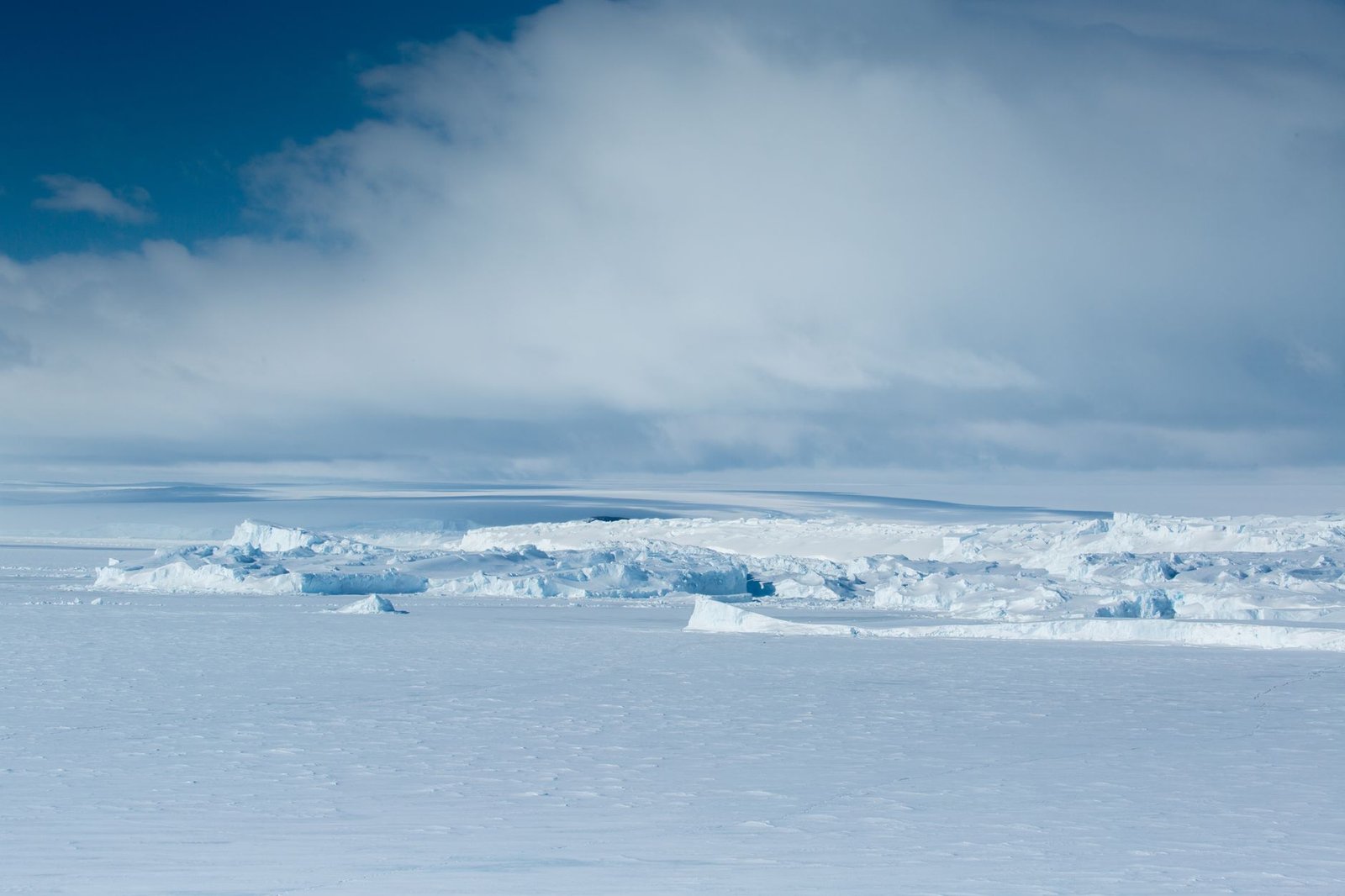
Antarctica, often referred to as the last frontier, offers an unparalleled experience for adventurous travelers. Its stunning landscapes, unique wildlife, and the sheer isolation of its environment make it a bucket-list destination for many. However, visiting this remote continent requires careful planning and preparation.
This guide will provide you with practical information on how to visit Antarctica, covering travel options, best times to visit, costs, and essential tips to ensure your adventure is both safe and enjoyable. Whether you are dreaming of watching penguins in their natural habitat or exploring the vast ice shelves, we aim to help you navigate the journey to this extraordinary place.
With the right knowledge and planning, your trip to Antarctica can be a memorable experience that opens your eyes to the wonders of our planet. Let’s explore how to make your Antarctic adventure a reality.
Travel Options to Antarctica
Getting to Antarctica is not as simple as booking a flight. There are primarily two ways to reach the continent: via cruise ships and chartered flights. Each option has its own advantages and considerations.
Cruise Ships
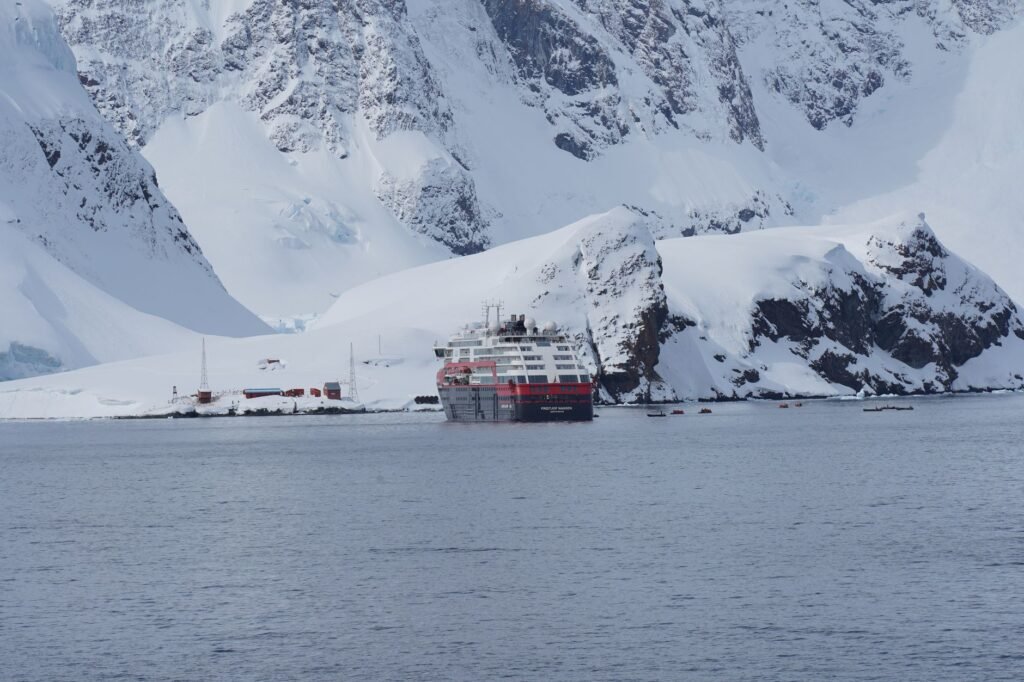
Cruising is the most popular way to visit Antarctica. Most cruises depart from Ushuaia, Argentina, the southernmost city in the world. Here are some key points about Antarctic cruises:
- Duration: Most cruises last between 10 to 20 days, depending on the itinerary.
- Itineraries: Typical routes include the South Shetland Islands and the Antarctic Peninsula.
- Activities: Cruises often include guided excursions, such as kayaking, ice hiking, and wildlife watching.
Choosing a reputable cruise operator is crucial. Look for companies that prioritize safety, environmental responsibility, and have experienced guides.
Chartered Flights
For those who want to skip the long sea journey, charter flights are available to take travelers directly to Antarctica. Here are some aspects to consider:
- Flight Options: Flights typically land at research stations like King George Island or even in remote areas for exploration.
- Cost: While faster, flights can be significantly more expensive than cruises.
- Accessibility: This option may appeal to those with limited time or those who become seasick easily.
Regardless of the method you choose, both options provide unique experiences and opportunities to witness the breathtaking beauty of Antarctica.

Best Time to Visit Antarctica
The timing of your visit to Antarctica is crucial to ensure you experience its wonders at their best. The Antarctic summer, which runs from late October to early March, is the ideal time for most travelers.
Peak Season
December and January are considered peak travel months. Here’s what to expect:
- Wildlife Activity: This is the best time for observing wildlife, including penguins and seals, as they are more active during these months.
- Weather Conditions: Temperatures are relatively milder, ranging from -2°C to 8°C (28°F to 46°F), making outdoor activities more enjoyable.
- Longer Days: Expect up to 24 hours of daylight, which allows for extended exploration and photography.
Shoulder Seasons
Late October to early November and late February to early March are considered shoulder seasons:
- October to November: Ideal for witnessing the penguin courtship and nesting periods.
- February to March: Great for whale watching as many species migrate to the area.
- Cost Consideration: Traveling during these months can be more economical while still offering incredible experiences.
Choosing the right time to visit can significantly enhance your overall experience in Antarctica, depending on the wildlife and activities you wish to engage in.
Cost of Visiting Antarctica
When planning your trip to Antarctica, understanding the costs involved is essential. The price can vary widely based on your travel choices, including the method of transportation, duration, and activities.
Travel Expenses
Here’s a breakdown of potential costs:
- Cruise Costs: Antarctic cruises generally range from $5,000 to $12,000 per person, depending on the cruise length and accommodations.
- Flight Costs: Charter flights can start from $1,500 to $5,000, not including additional travel expenses to reach the departure point.
- Additional Activities: Optional activities such as kayaking, polar plunges, or guided hikes can add anywhere from $100 to $500 each.
Keep in mind that many cruise packages include meals, excursions, and sometimes even gear rental, which can offer a good value for the overall experience.
Budgeting Tips
To manage your budget effectively, consider the following tips:
- Book Early: Early bookings often provide discounts and a wider selection of options.
- Look for Specials: Keep an eye out for last-minute deals or promotions from reputable cruise lines.
- Set a Realistic Budget: Include costs for travel insurance, gear, and any excursions you might want to join.
By planning your budget carefully, you can enjoy an unforgettable journey to Antarctica without overspending.
Preparing for Your Trip
Visiting Antarctica requires careful preparation to ensure a safe and enjoyable experience. The extreme environment can be challenging, so packing appropriately is essential.
Essential Gear
Here’s a list of essential items you’ll need:
- Clothing: Layered clothing is crucial. Include thermal base layers, waterproof outer layers, and insulated jackets.
- Footwear: Waterproof boots with good insulation and non-slip soles are necessary for navigating icy terrain.
- Accessories: Don’t forget hats, gloves, and scarves to protect against the cold winds.
Many cruise companies provide guidelines on what to bring, and some even offer gear rental, so check with your operator.
Health and Safety Considerations
Health and safety are paramount when traveling to Antarctica. Here are some considerations:
- Travel Insurance: Ensure you have comprehensive travel insurance that covers medical emergencies and evacuation.
- Health Precautions: Consult a healthcare provider for any necessary vaccinations or medications before your trip.
- Emergency Procedures: Familiarize yourself with safety protocols provided by your cruise operator, especially concerning wildlife encounters.
Preparation is key to a successful Antarctic adventure, allowing you to focus on the stunning landscapes and unique wildlife.

Wildlife Encounters in Antarctica
One of the highlights of visiting Antarctica is the opportunity to witness its unique wildlife in their natural habitat. The continent is home to various species of penguins, seals, and seabirds, making it a paradise for nature lovers.
Penguins
Antarctica is famous for its penguin colonies. The most common species you can expect to see include:
- Emperor Penguins: The largest of all penguin species, known for their impressive breeding behavior.
- Adélie Penguins: Smaller and more numerous, these playful birds are often seen in large groups.
- Gentoo Penguins: Recognizable by their bright orange beaks, they are known for their lively nature.
Observing penguins during their breeding season can be a highlight of your trip, as their interactions and behaviors are fascinating to witness.
Seals and Whales
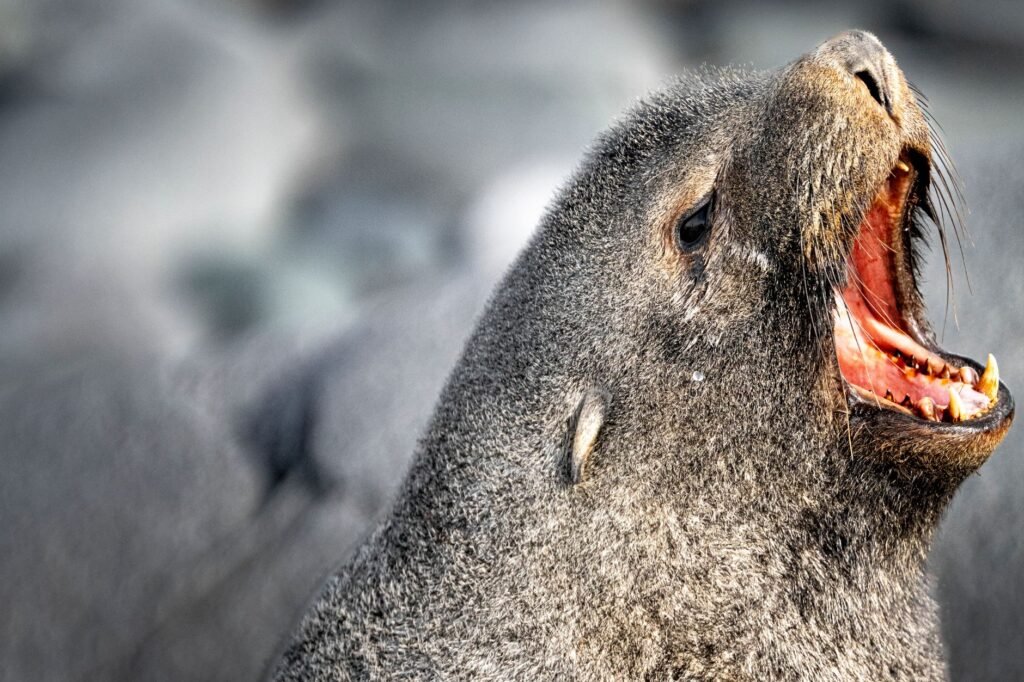
In addition to penguins, Antarctica is home to several seal species, including:
- Weddell Seals: Often seen lounging on ice, they are known for their deep diving abilities.
- Leopard Seals: Apex predators that can be spotted hunting in the waters.
- Crabeater Seals: Named for their diet, they are abundant and can often be seen on ice floes.
Whale watching is also a popular activity, especially from late December to early March, when species like humpback whales and orcas are more prevalent.
Birdwatching Opportunities
Antarctica is a birdwatcher’s paradise, featuring over 40 seabird species. Expect to see:
- Albatross: Known for their massive wingspan, they are often seen gliding effortlessly over the waters.
- Petrels: These birds are common in the region and are known for their dynamic flying abilities.
- Skua: Predatory seabirds that are known to scavenge from other birds.
Many cruises include guided excursions focused on wildlife watching, offering you the chance to learn more about these incredible creatures.
Understanding the Environmental Challenges
Visiting Antarctica is not just an adventure; it’s also a chance to witness the effects of climate change firsthand. Understanding the environmental challenges that the continent faces can enhance your appreciation of this unique ecosystem.
The Impact of Climate Change
Antarctica is experiencing rapid changes due to climate change, including melting ice sheets and shifting wildlife patterns. As a visitor, being aware of these issues can deepen your connection to the land. For instance, the Antarctic Peninsula has warmed significantly over the last few decades, leading to the retreat of glaciers and changes in habitat for local species.
- Observe the thinning ice: Look for areas where the ice has retreated, and educate yourself on how this affects the local wildlife.
- Document changes: If you are part of a guided tour, ask your guide about the visible effects of climate change in the area.
- Participate in conservation efforts: Some tours offer opportunities to engage in local conservation projects.
Responsible Tourism Practices
As you prepare for your journey, it’s crucial to engage in responsible tourism practices that minimize your impact on the fragile ecosystem. This means adhering strictly to the guidelines set forth by the International Association of Antarctica Tour Operators (IAATO), which helps preserve the environment while allowing tourists to enjoy the region.
- Stay on marked paths: To avoid disturbing wildlife and damaging vegetation, always stay on designated paths.
- Avoid littering: Carry out what you bring in and ensure that you leave no trace of your visit.
- Respect wildlife: Maintain a safe distance from animals and never feed them.
Choosing the Right Type of Expedition
Not all expeditions to Antarctica are created equal. Depending on your interests and comfort level, you can choose from various types of tours that offer different experiences.
Cruise vs. Land-Based Expeditions
When deciding between a cruise and a land-based expedition, consider what type of experience you are seeking. Cruises typically offer a more extensive view of the continent and the opportunity to visit multiple locations, while land-based tours provide a more immersive experience.
- Cruise expeditions: These often include amenities like onboard lectures, dining, and excursions via Zodiacs to shore. Ideal for those who want comfort and a broader perspective.
- Land-based expeditions: These usually involve staying at research stations or specialized camps. Great for those interested in adventure and deeper exploration of specific areas.
Adventure Activities Available
Many expeditions offer unique adventure activities that allow you to engage more actively with the environment. Popular options include kayaking, snowshoeing, and even polar plunges. Participating in these activities can enhance your experience and provide memories that last a lifetime.
- Kayaking: Paddle through icy waters, getting up close to icebergs and wildlife.
- Snowshoeing: Explore the land while easily traversing snow-covered terrain.
- Camping: Spend a night under the stars in the Antarctic wilderness for a true adventure.
Navigating the Legal and Ethical Landscape
Understanding the legal and ethical considerations of visiting Antarctica is vital for a responsible trip. The Antarctic Treaty System governs international relations concerning Antarctica, and it is essential to respect these regulations.
Permits and Regulations
Most visitors join guided tours that handle all permits and compliance with regulations. However, it’s crucial to understand that any private expedition will require specific permits from your home country and compliance with IAATO guidelines.
- Research the requirements: Before planning your trip, familiarize yourself with the legal requirements for visiting Antarctica.
- Work with reputable operators: Choose tour operators that are IAATO members to ensure compliance with regulations.
- Stay informed: Keep up-to-date with any changes in regulations or requirements that might affect your trip.
Cultural Sensitivity and Indigenous Rights
While Antarctica doesn’t have an indigenous population, the research and exploration history is rich and complex. Be respectful of the history and research conducted in the area. Engage with local researchers and learn about their work and its significance.
- Attend lectures or workshops: Many expeditions offer educational programs about the region’s history and ongoing research.
- Ask questions: Engage with scientists and guides to gain insights into their work and the ethical considerations involved.
- Be a responsible visitor: Understand that your presence can impact the local ecosystem and research efforts.
Frequently Asked Questions
What are the visa requirements for visiting Antarctica?
Antarctica itself does not require a visa as it is not a sovereign nation. However, travelers typically enter through countries like Argentina or Chile, which may have their own visa requirements. Always check the latest information based on your nationality.
Is it safe to travel to Antarctica?
Yes, traveling to Antarctica is generally safe, especially when done through reputable tour operators who adhere to strict safety protocols. However, travelers should be aware of the extreme weather conditions and take necessary precautions.
Can I visit Antarctica without a cruise?
While cruises are the most common way to visit Antarctica, it is possible to reach the continent via charter flights to research stations. However, options for independent travel are very limited.
What should I pack for an Antarctic trip?
Essential items include layered clothing, waterproof boots, gloves, hats, and sun protection. Many operators provide packing lists to help you prepare adequately.
The Bottom Line
Visiting Antarctica is a once-in-a-lifetime experience that requires careful planning and preparation. By understanding the travel options, best times to visit, and necessary gear, you can embark on an adventure that showcases the continent’s breathtaking beauty and unique wildlife. With the right knowledge, your journey to Antarctica can be as rewarding as it is unforgettable.
Visa rules, prices and opening times change. Always confirm details with official sources before you travel.