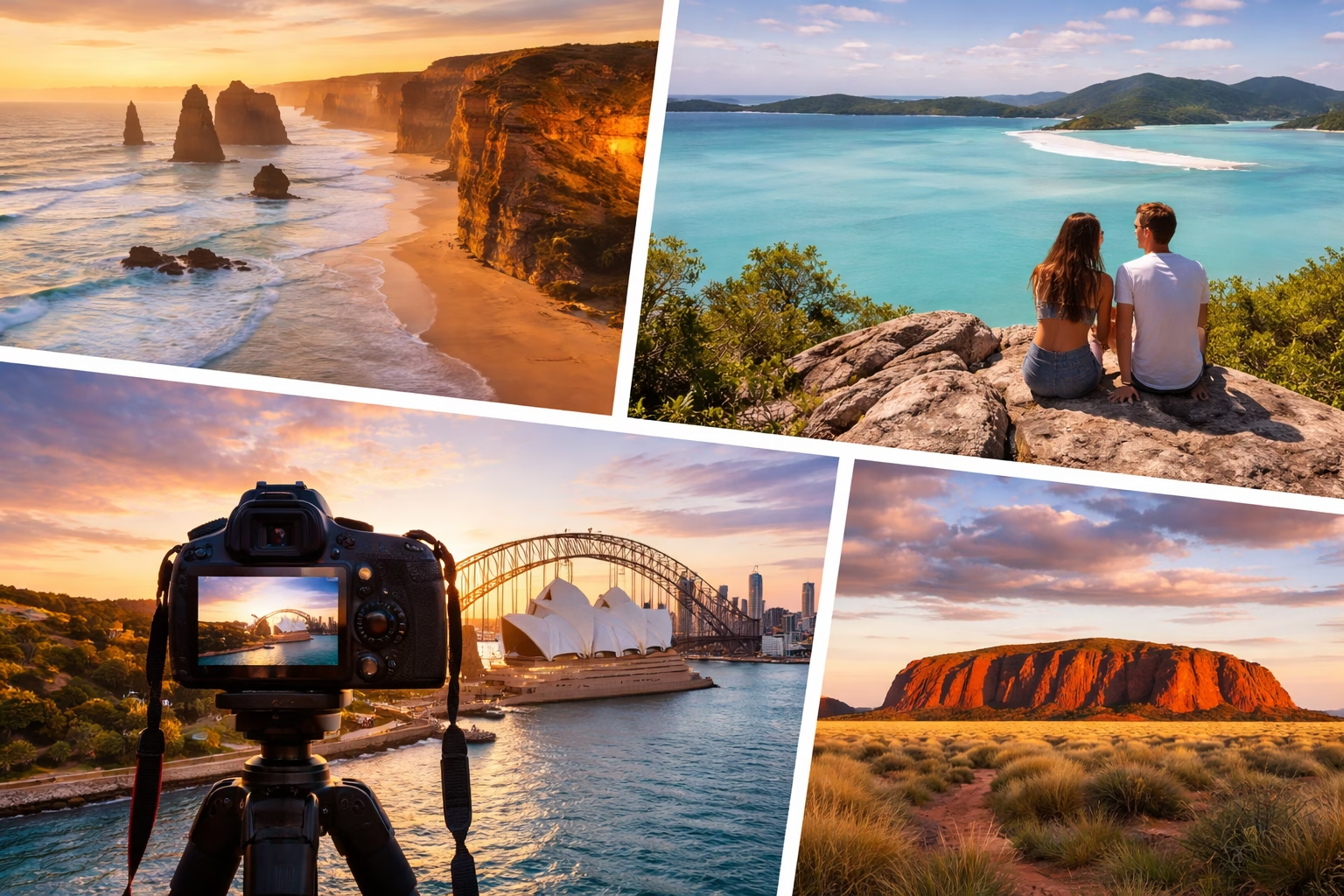
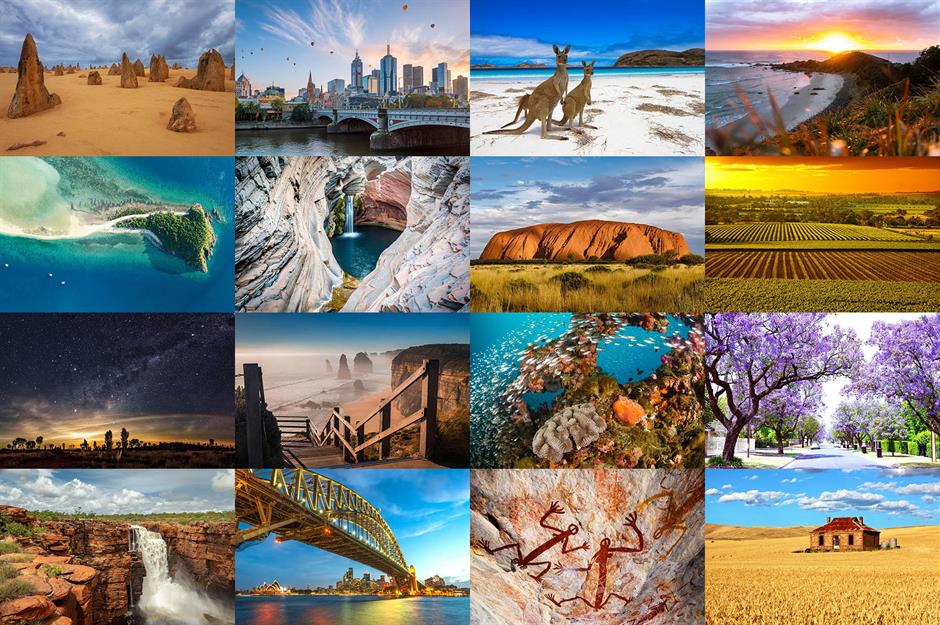
Australia is a country that rewards anyone with a camera and an adventurous spirit. Its landscapes stretch from golden beaches and vibrant coral reefs to rugged outback deserts, lush rainforests, and modern city skylines shimmering against vast coastlines. Whether you are a professional photographer seeking dramatic compositions or a traveler looking to capture unforgettable memories, Australia offers an endless array of photogenic experiences.
In this guide, we will explore the most iconic and lesser known photography spots across the country. From sunrise over Sydney Harbour to the surreal rock forms of the Red Centre, you will discover where to frame the most breathtaking scenes, the best times to shoot, and insider tips that help you return home with images that truly tell the story of Australia.
Sydney’s Photogenic Icons
Sydney remains one of the most photographed cities in the world, and for good reason. The city combines modern architecture with natural beauty, making it a paradise for photographers.
Sydney Opera House and Harbour Bridge
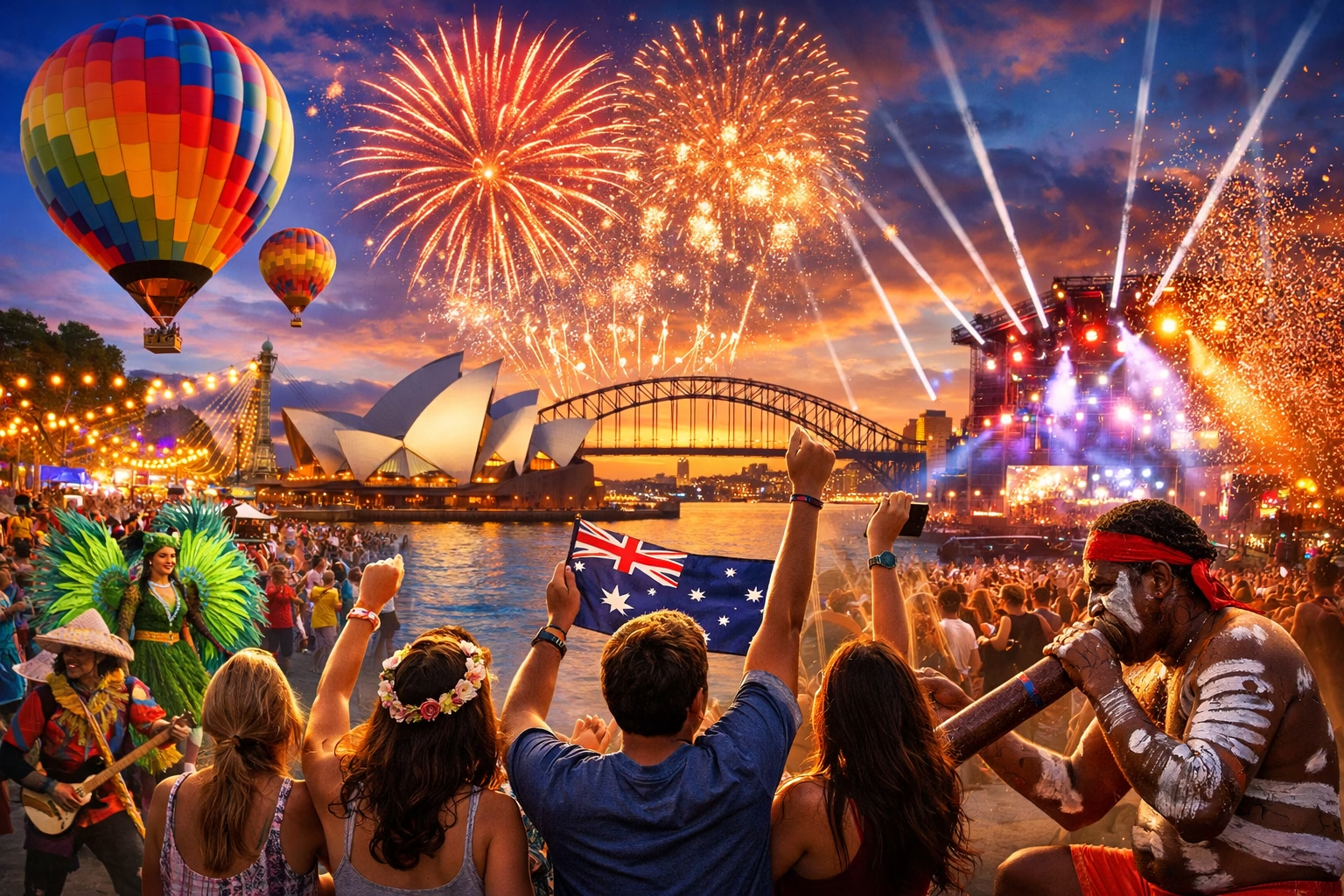
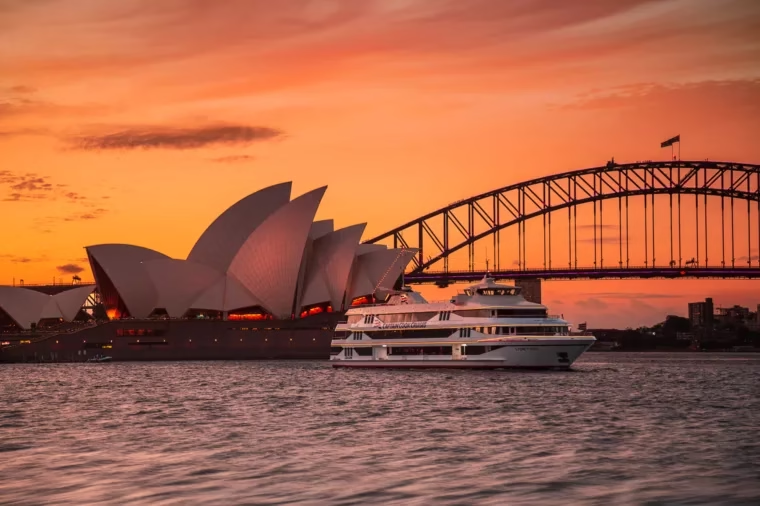
The most recognizable duo in Australia, the Opera House and Harbour Bridge, are best captured during sunrise and sunset when the light gives the skyline a warm glow. Circular Quay and Mrs Macquarie’s Chair are prime shooting locations. Early mornings often bring calm seas, perfect reflections, and fewer crowds.
For a unique angle, take the ferry to Milsons Point or Kirribilli. These vantage points include both the Bridge and Opera House in a single frame. Night photography here is equally rewarding, with the city lights reflecting across the harbour.
Bondi Beach and the Coastal Walk
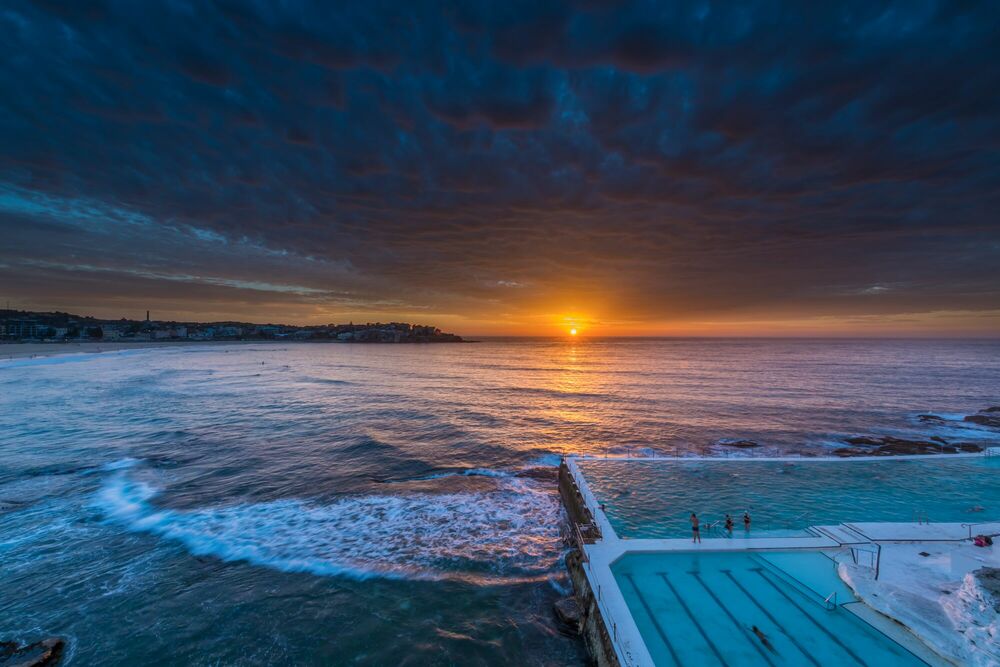
Bondi Beach delivers classic Australian energy with its golden sand and turquoise waves. The beach is perfect for sunrise shoots, but wander along the Bondi to Coogee Coastal Walk for cliffside perspectives, tidal pools, and surfers catching the morning swell. The Bondi Icebergs pool, where sea water spills into an oceanfront pool—is one of Sydney’s most striking photography subjects.
Melbourne’s Urban Art and Cityscapes
Where Sydney shines with harbour glamour, Melbourne offers artistic character and cultural detail. Photographers here find visual inspiration around every corner.
Street Art in the Laneways
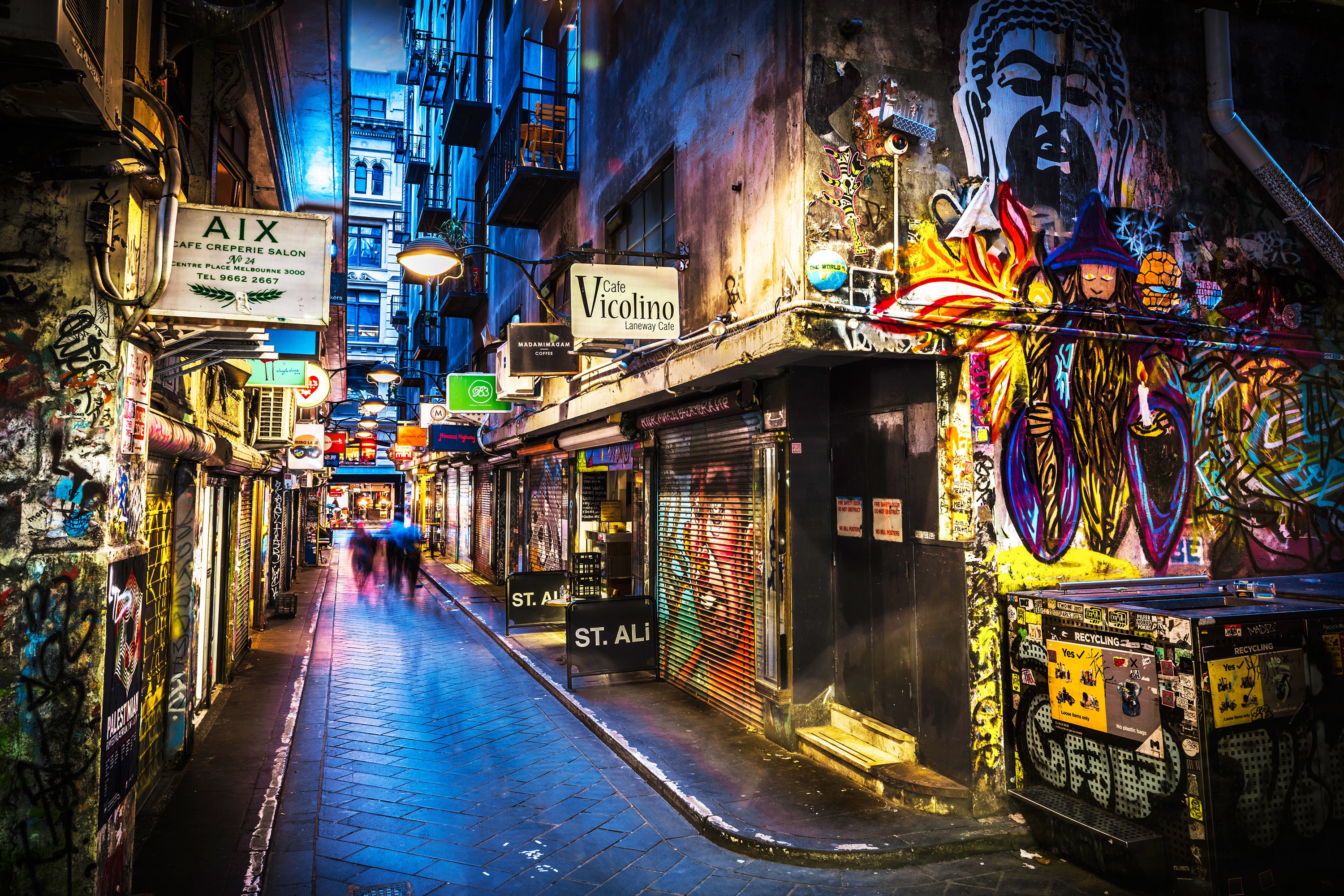
Melbourne’s laneways, such as Hosier Lane and AC/DC Lane, are open air galleries filled with constantly evolving graffiti and street art. The blend of color, creativity, and shadow creates endless composition opportunities. Visit early in the morning when laneways are quieter and the natural light filters beautifully between buildings.
Skyline Views and the Yarra River
Capture Melbourne’s cityscape from the Southbank Promenade or from Eureka Skydeck, which provides panoramic views stretching across the entire urban sprawl. At night, reflections on the Yarra River offer striking contrasts, especially around Princes Bridge. Twilight, when the sky deepens into shades of blue, is the perfect time for dramatic long exposures.
The Natural Wonders of Queensland
Beyond its cosmopolitan cities, Queensland’s tropical charm and marine life are irresistible to photographers seeking natural beauty.
Great Barrier Reef
Aerial photos of the Great Barrier Reef capture patterns and colors unlike anywhere else on Earth. For underwater photography, join diving trips from Cairns or Port Douglas, where visibility is exceptional and marine life is abundant. Bring a wide angle lens and focus on frames that include both coral gardens and fish for a sense of scale.
Whitsunday Islands and Whitehaven Beach
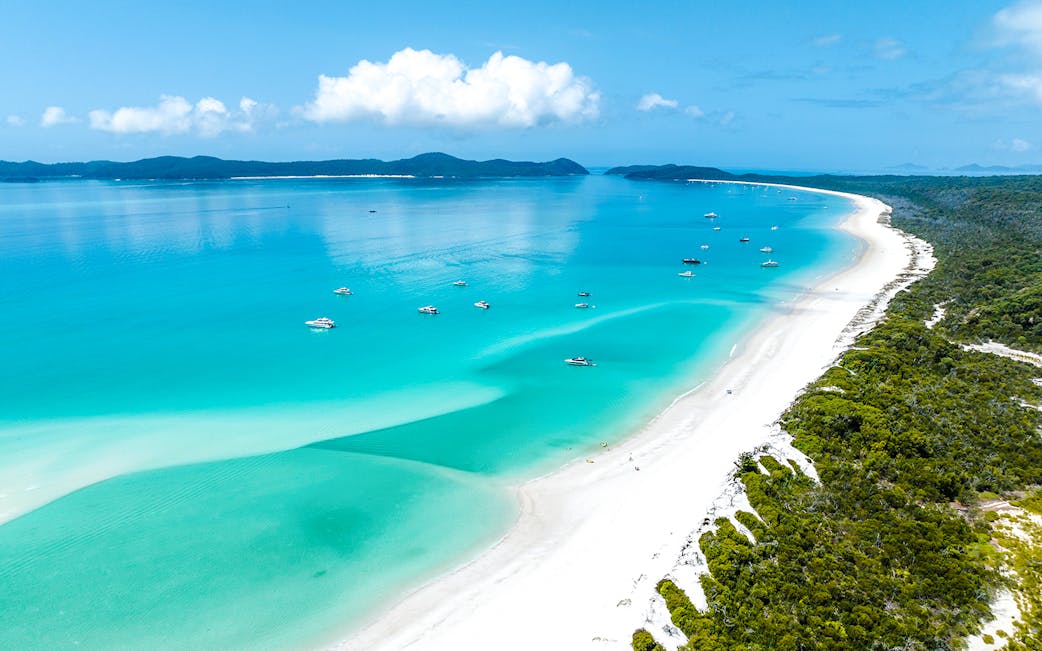
Whitehaven Beach is frequently listed among the most photographed beaches in the world. Its pure white silica sand and swirling turquoise waters are best captured from Hill Inlet Lookout, particularly during mid tide when the currents paint mesmerizing patterns. For sunrise shots, camp overnight on one of the islands and greet the first light with your camera ready.
The Red Centre: Uluru and Beyond
In the heart of the continent lies the Red Centre, a place that transforms light and shadow into an artist’s dream.
Uluru
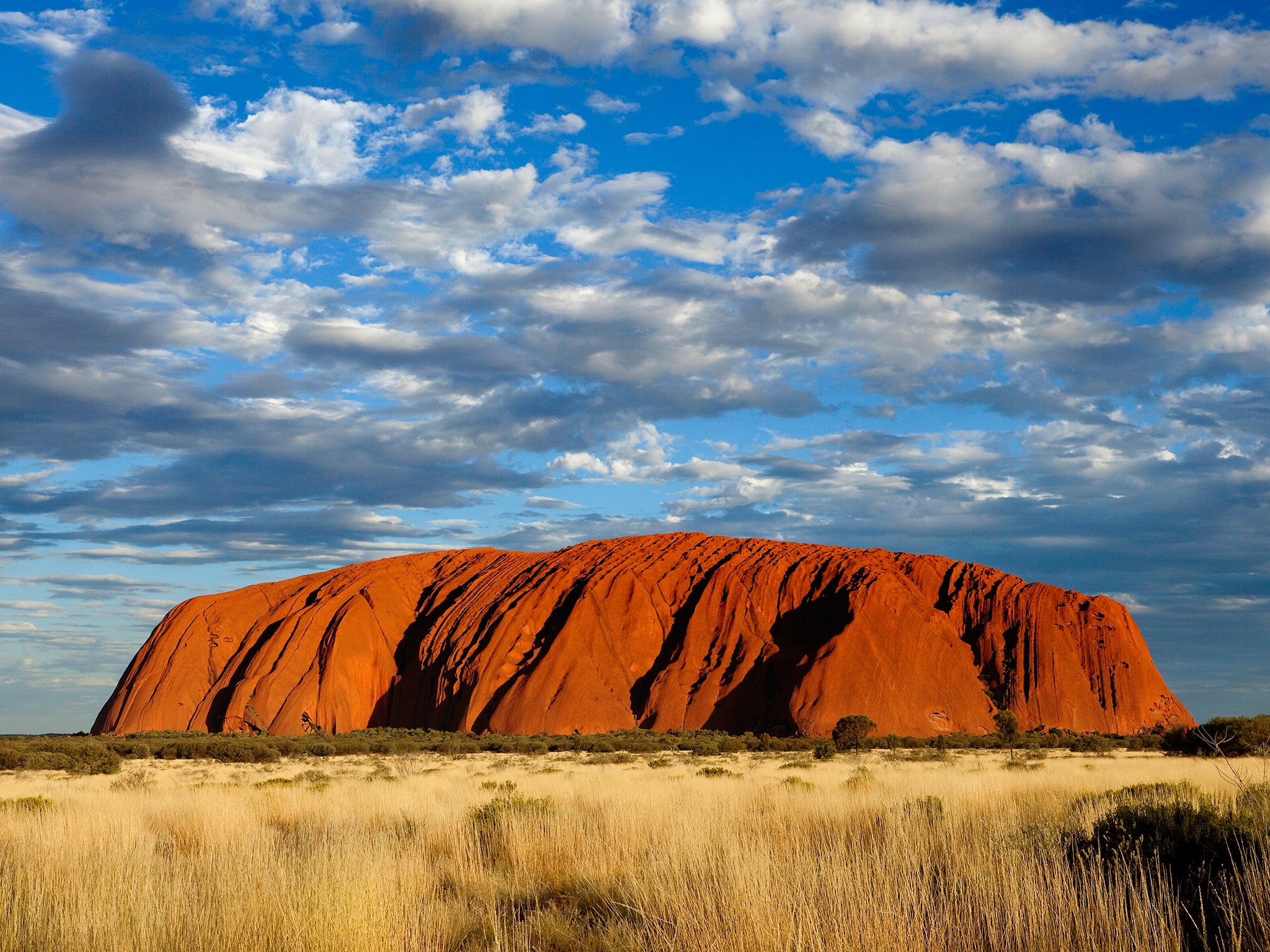
Photographing Uluru is an experience of patience and reverence. The monolith changes color with every passing minute, shifting from ochre to deep red as the sun moves. The designated sunset and sunrise viewing areas offer the most balanced compositions, but consider visiting in late afternoon when crowds thin and the contrasting light across the rock becomes more dramatic.
For close ups, walk the base trail to capture its textures and sacred rock art sites. Always remember that Uluru is a sacred Aboriginal site; photography around certain areas must respect cultural guidelines.
Kata Tjuta
Nearby Kata Tjuta (also called the Olgas) presents a group of domed rock formations that glow spectacularly in the evening light. The Valley of the Winds walk offers countless frames of red rock contrasting with deep green desert vegetation. Sunset here can produce pinkish skies that complement the warm tones of the landscape perfectly.
Tasmania’s Pristine Wilderness
Tasmania is often described as Australia’s best kept secret for nature photographers. Compact yet incredibly diverse, it rewards exploration with dramatic coastlines, misty forests, and mirrorlike alpine lakes.
Cradle Mountain and Dove Lake
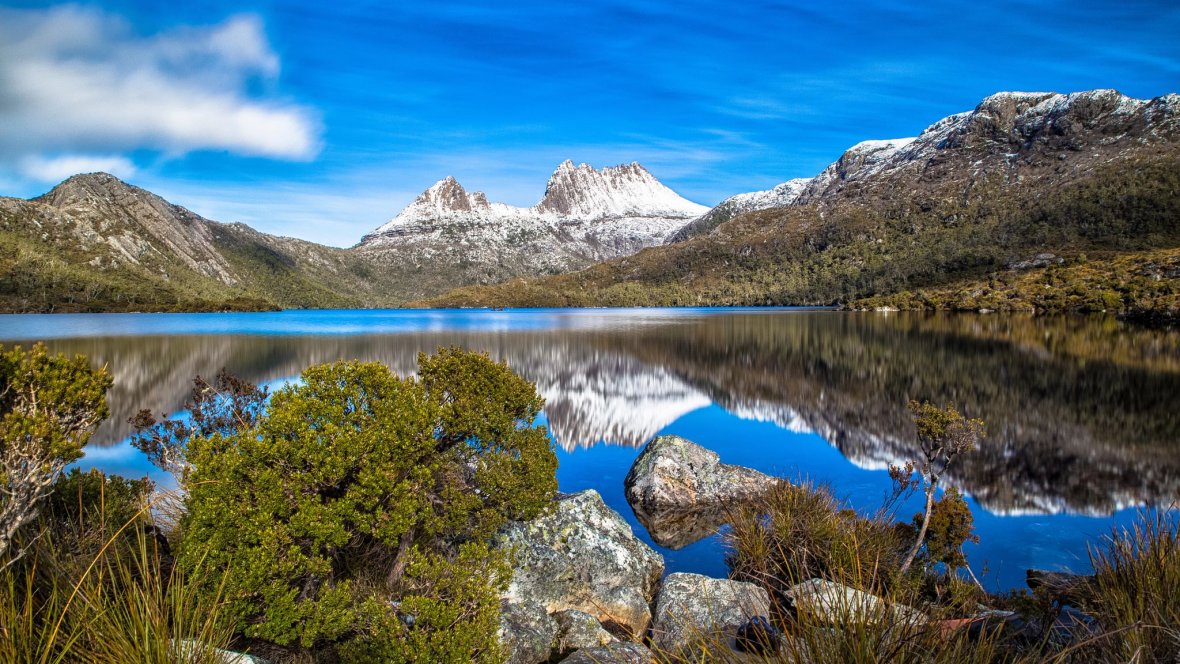
Cradle Mountain is one of Tasmania’s most beloved locations, and its reflection in Dove Lake provides one of the country’s most iconic compositions. Visit at sunrise when mist often lingers over the peaks. Bring waterproof footwear, as the best vantages require short hikes around the lake. The scenery shifts beautifully with the seasons, from snow tipped winter scenes to wildflower blooms in summer.
Freycinet National Park and Wineglass Bay
Freycinet’s combination of granite peaks and powdery beaches makes it a landscape photographer’s dream. Hike to Wineglass Bay Lookout for sweeping coastal views. The best photographs are often taken mid morning when the sand gleams white against the deep blue water. For more originality, rent a kayak and capture the curve of the bay from water level.
Western Australia’s Contrasting Landscapes
Western Australia offers vast diversity, from coral atolls to ancient desert formations, making it one of the most rewarding regions for photographers who love variety.
The Pinnacles Desert
Located within Nambung National Park, the Pinnacles are limestone formations that rise like sculptures from golden sand. Early morning or late afternoon light accentuates the textures and creates long shadows that give depth to photographs. Nighttime here is equally thrilling, as the area offers clear skies ideal for astrophotography.
Ningaloo Reef and Coral Bay
While the Great Barrier Reef often takes the spotlight, Ningaloo Reef allows photographers to capture marine life in its natural state with far fewer people around. You can snorkel directly from the beach and photograph sea turtles, mantas, and colorful coral gardens. For aerial shots, hire a light aircraft from Exmouth to reveal the coral formations and shoreline in their full beauty.
Broome and Cable Beach
Broome’s Cable Beach is famous for its sunsets, where camels walk along the shoreline silhouetted against a vibrant orange sky. Arrive at least half an hour before sunset to secure a composition that includes both the ocean horizon and leading tracks in the sand. The pearling town of Broome also offers unique cultural photography opportunities, blending Asian and Indigenous influences.

Practical Tips for Photography in Australia
- Lighting and Weather: Australia’s light can be harsh in midday hours. Aim for early morning or late afternoon sessions when the light is softer and colors appear more natural.
- Travel Distances: Many photography hotspots are far apart. Plan flights or long drives in advance and allocate rest time to avoid fatigue.
- Camera Protection: Coastal humidity, desert dust, and sudden weather changes can be challenging. Bring microfiber cloths, lens hoods, and waterproof cases.
- Respecting Nature: Stay on marked paths and avoid disturbing wildlife. Use telephoto lenses for close ups of animals rather than approaching them.

Conclusion
Australia’s landscapes are filled with visual stories waiting to be told. From the symmetry of city skylines to the wild expanses of remote deserts and reefs, the country challenges photographers to see the world from new perspectives. Each region offers something distinct, not only in scenery but in spirit. By planning carefully and shooting with patience and curiosity, your Australian photographs will capture far more than beauty, they will reflect the essence of a continent defined by contrast, color, and wonder.
Further Reading
China Visa Guide for Tourists
5 Day Rome Itinerary with Must See Attractions
Travel to Somalia; How I Traveled to Mogadishu
Free Family Things to do in Chicago Today
How to Spend Four Days in Hong Kong