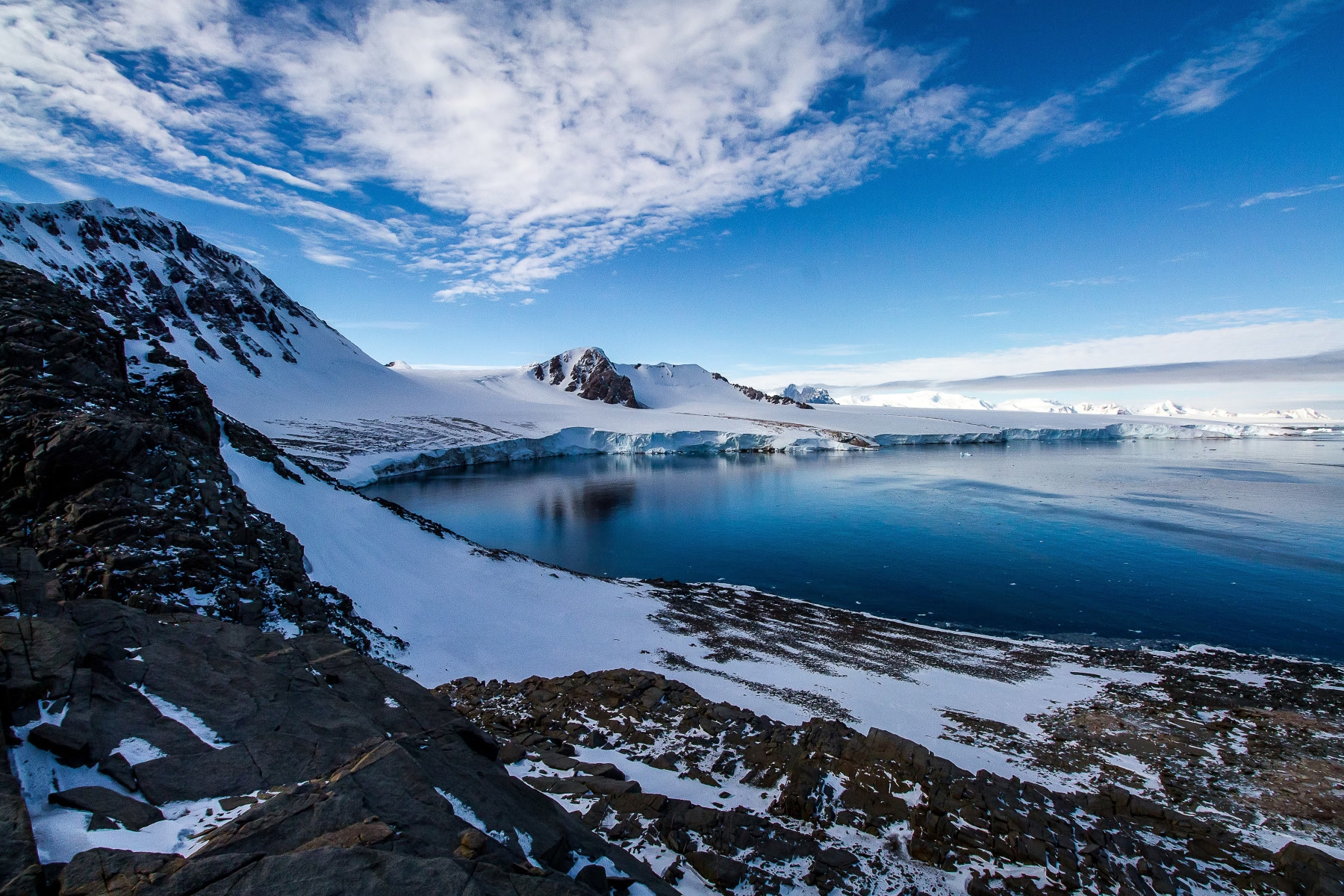
Few places on Earth ignite the imagination quite like Antarctica. Framed by vast white horizons, jagged peaks, and surreal silence, the southernmost continent is the ultimate frontier for those who crave authentic adventure and untouched natural beauty. Traveling here is not simply a vacation; it is an expedition into a world that exists far beyond the familiar. While many visitors explore the more accessible regions along the Antarctic Peninsula, a new generation of travelers is venturing even further into its remote corners where human footprints are almost nonexistent.
In this article, we will journey through some of Antarctica’s most remote and remarkable destinations worth exploring. You will learn what makes each area unique, how travelers typically reach them, what experiences await once you arrive, and essential tips to make your expedition safe, meaningful, and environmentally responsible. Whether you are an adventure seeker planning a future polar cruise or simply curious about the last great wilderness, this guide will help you understand the extraordinary depth and diversity of Antarctica’s hidden places.
The Ross Sea Region: Antarctica’s Deep Past Alive in Ice
Located in the far south of the continent, the Ross Sea Region is one of the most historically significant and ecologically rich parts of Antarctica. Known as “The Last Ocean” due to its relatively untouched ecosystem, this area offers an intimate glimpse into the planet’s natural history.
What Makes It Special
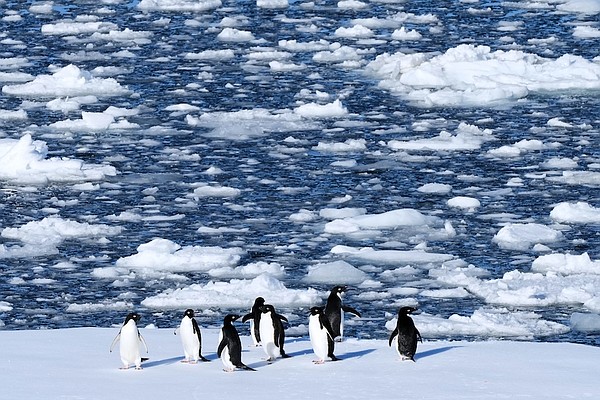
The Ross Sea is a vast bay lined with towering ice shelves and guarded by Mount Erebus, one of the world’s southernmost active volcanoes. Its waters are home to emperor penguins, seals, and whales, while massive tabular icebergs drift across the dark surface. Scientists consider it one of Earth’s last pristine marine ecosystems, making it a crucial site for studying climate change and biodiversity.
How to Visit
Travelers typically reach the Ross Sea on specialized ice-strengthened expedition ships departing from New Zealand. The journey takes several days through treacherous seas, but the reward is profound isolation and unrivaled beauty. Some expeditions include stops at historic huts left by early explorers such as Ernest Shackleton and Robert Falcon Scott, still preserved in ice as haunting time capsules.
Travel Tip
Because weather conditions can change abruptly, no itinerary is ever guaranteed. Flexibility and patience are essential, but this unpredictability is also part of what makes the Ross Sea adventure so authentic.
The Weddell Sea: A Landscape of Shifting Ice
East of the Antarctic Peninsula lies the mystical Weddell Sea, notorious for its thick pack ice and surreal beauty. This is where Ernest Shackleton’s ship Endurance became trapped, later immortalized by one of the greatest survival stories in exploration history.
The Atmosphere of Mystery
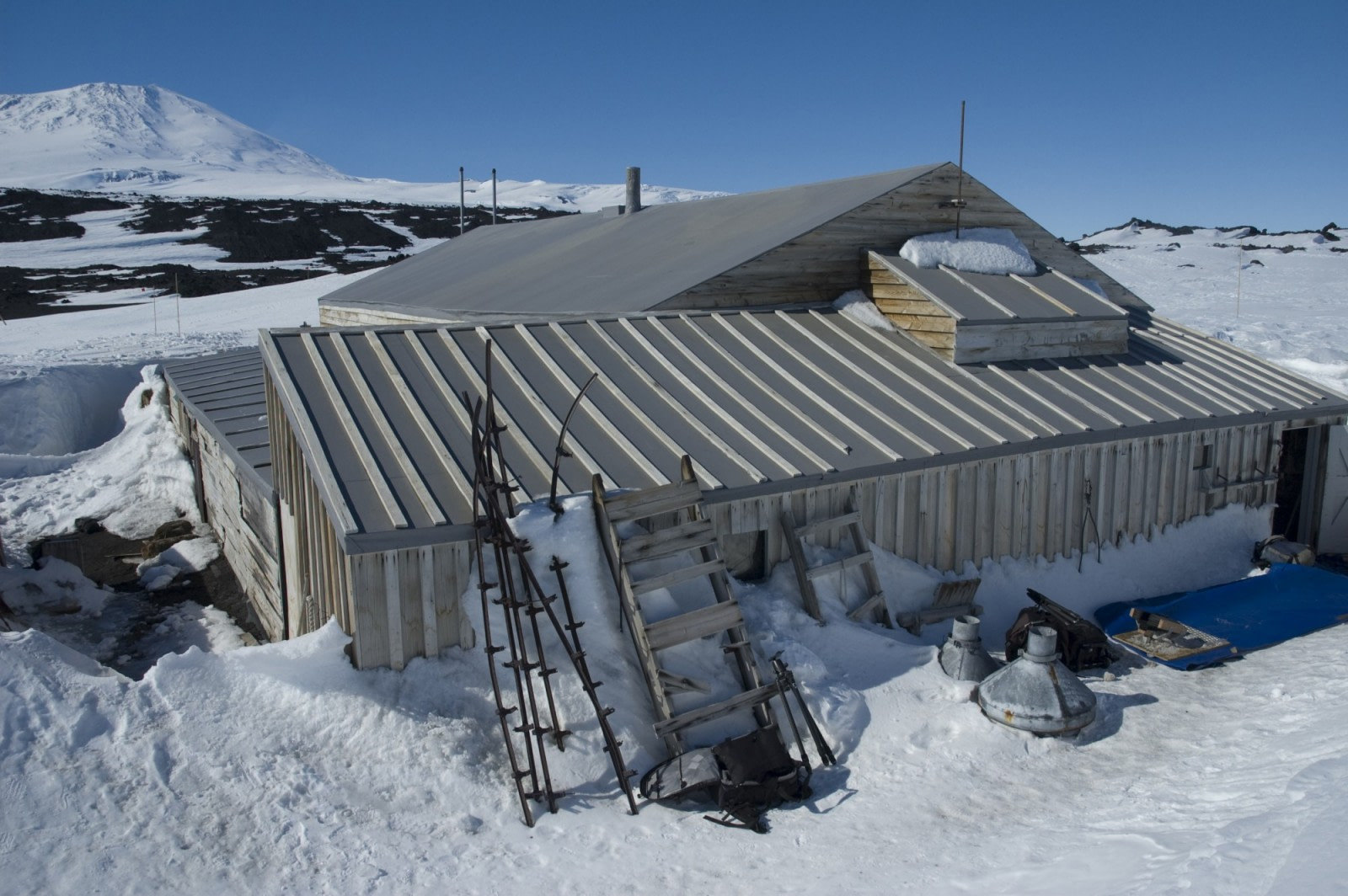
Today, travelers come here to witness enormous tabular icebergs and to observe seals resting on the frozen surface. The Weddell Sea’s blue-toned icescape constantly reshapes itself, making every voyage different from the last. Ice cliffs reaching tens of meters high shimmer in the light, and the play of color between the sea and sky creates a landscape that feels almost otherworldly.
Wildlife and Exploration
Visitors often spot colonies of Adelie and emperor penguins along with orcas and minke whales navigating the icy waters. Some expeditions deploy ice-capable Zodiac boats to reach landing sites where scientific research outposts stand alone in majestic isolation.
Travel Tip
Given its unstable ice formations, itineraries in this region depend heavily on conditions at sea. For a chance to explore the Weddell Sea safely, choose an operator with expertise in ice navigation and a strong focus on environmental best practices.

The South Sandwich Islands: The Hidden Fiery Frontier
Far off the beaten path, the South Sandwich Islands rise from the Southern Ocean like frozen sentinels. This chain of volcanic islands lies more than a thousand kilometers northeast of the Antarctic Peninsula and remains one of the least visited places on Earth.
Geological Drama and Wild Nature
Here, volcanic steam vents meet glaciers in an extraordinary collision of fire and ice. The environment is harsh yet incredibly alive, hosting dense colonies of chinstrap and macaroni penguins along with giant petrels and seals. Because of ongoing volcanic activity, parts of the islands are warm underfoot even amid the surrounding frost—a surreal contrast that few experience anywhere else.
Accessing the Islands
Access is strictly limited and generally possible only by expedition vessel with special permits from the Government of South Georgia and the South Sandwich Islands. Most tours include landings only under favorable weather conditions, and some areas are protected entirely for scientific purposes.
Why Go There
For serious adventurers and nature enthusiasts, the South Sandwich Islands represent the purest sense of exploration left in the modern world. There are no permanent residents, no ports, and no shops, only raw nature and the sound of the sea echoing through empty volcanic valleys.

The Antarctic Peninsula: Remote Yet Accessible Wilderness
Although it is the most visited part of the continent, certain corners of the Antarctic Peninsula remain far from the paths most travelers take. With towering peaks, shimmering glaciers, and a wealth of marine life, this region offers the ideal entry point for anyone seeking remote Antarctic experiences without venturing too deep into the continent’s interior.
What to Expect
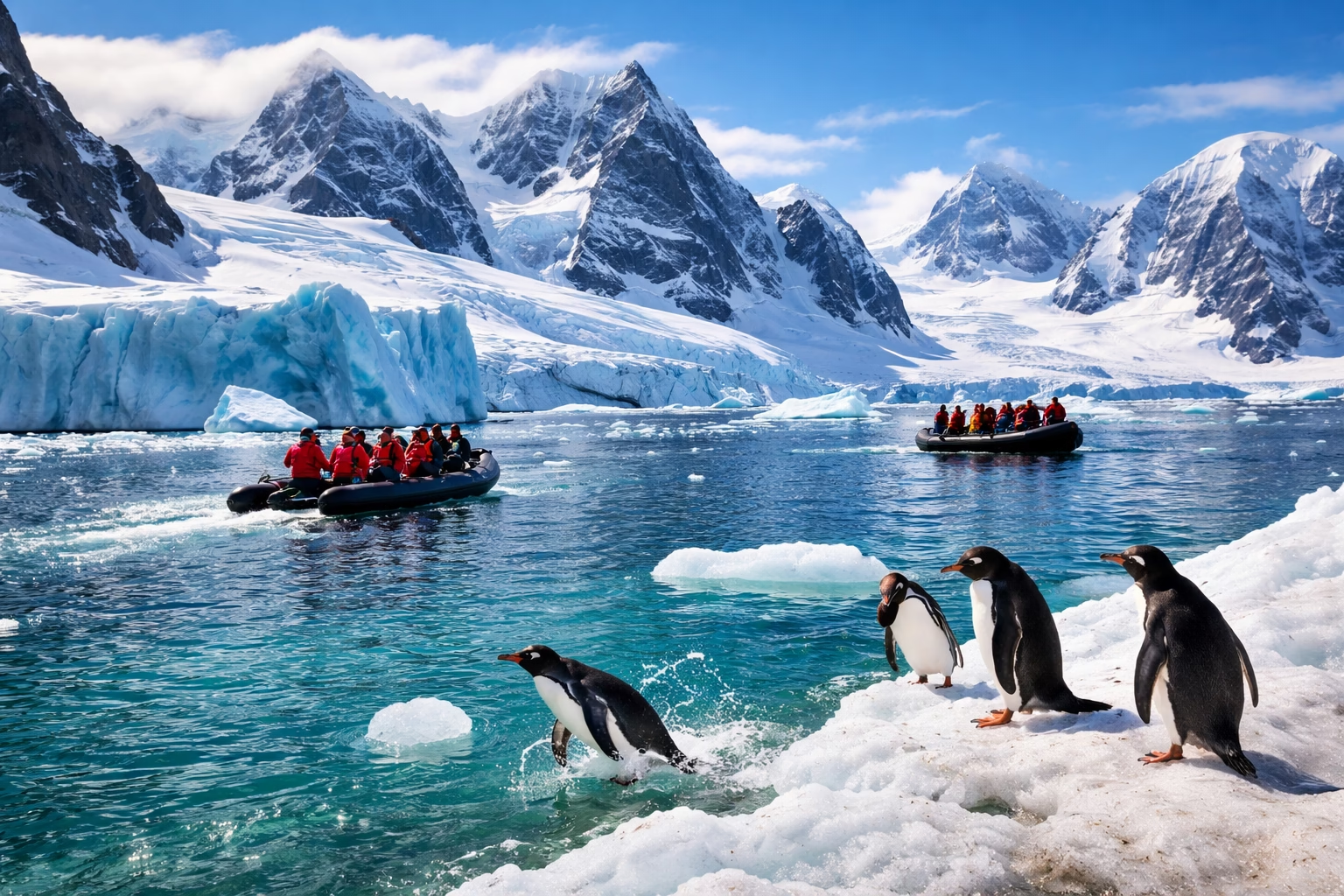
Many expeditions depart from Ushuaia, Argentina, crossing the Drake Passage before reaching the western shores of the peninsula. Once there, guests explore icy bays by Zodiac, encounter playful penguins, and kayak through waters glimmering with crystalline clarity.
Hidden Corners of the Peninsula
Even within this relatively visited region, remote gems await discovery. Paradise Harbor, Cuverville Island, and the Lemaire Channel are treasured by polar travelers for their silence, reflections, and constant wildlife presence. The farther south your ship navigates, the more otherworldly the scenery becomes, leading many to describe it as stepping back in time to an untouched Earth.
Practical Considerations
The Antarctic summer season runs roughly from November through March. Temperatures remain below freezing even at the warmest points, and conditions can change instantly. Waterproof gear, layered clothing, and awareness of environmental guidelines are absolute essentials.

Planning and Preparing for Remote Antarctic Travel
Every journey to Antarctica is different, yet certain principles hold true across all expeditions. Because of its extreme remoteness, travel requires careful preparation, respect for the fragile ecosystem, and the right combination of adventure readiness and safety awareness.
Choosing the Right Expedition
- Select an operator affiliated with the International Association of Antarctica Tour Operators (IAATO). This ensures adherence to strict environmental and safety guidelines.
- Study the route options carefully. Some itineraries emphasize wildlife encounters while others prioritize history, photography, or scientific interest.
Environmental Stewardship
Antarctica’s environment is extremely sensitive. Travelers must adhere to strict regulations regarding waste, wildlife interaction, and site preservation. A responsible traveler leaves no trace and supports scientific and conservation efforts when possible.
When to Go
The austral summer from late October to early March offers the best conditions. Early season voyages reveal dramatic ice formations, mid-season trips feature peak wildlife activity, and late season journeys provide extraordinary light for photography as the season winds down.
Essential Packing Considerations
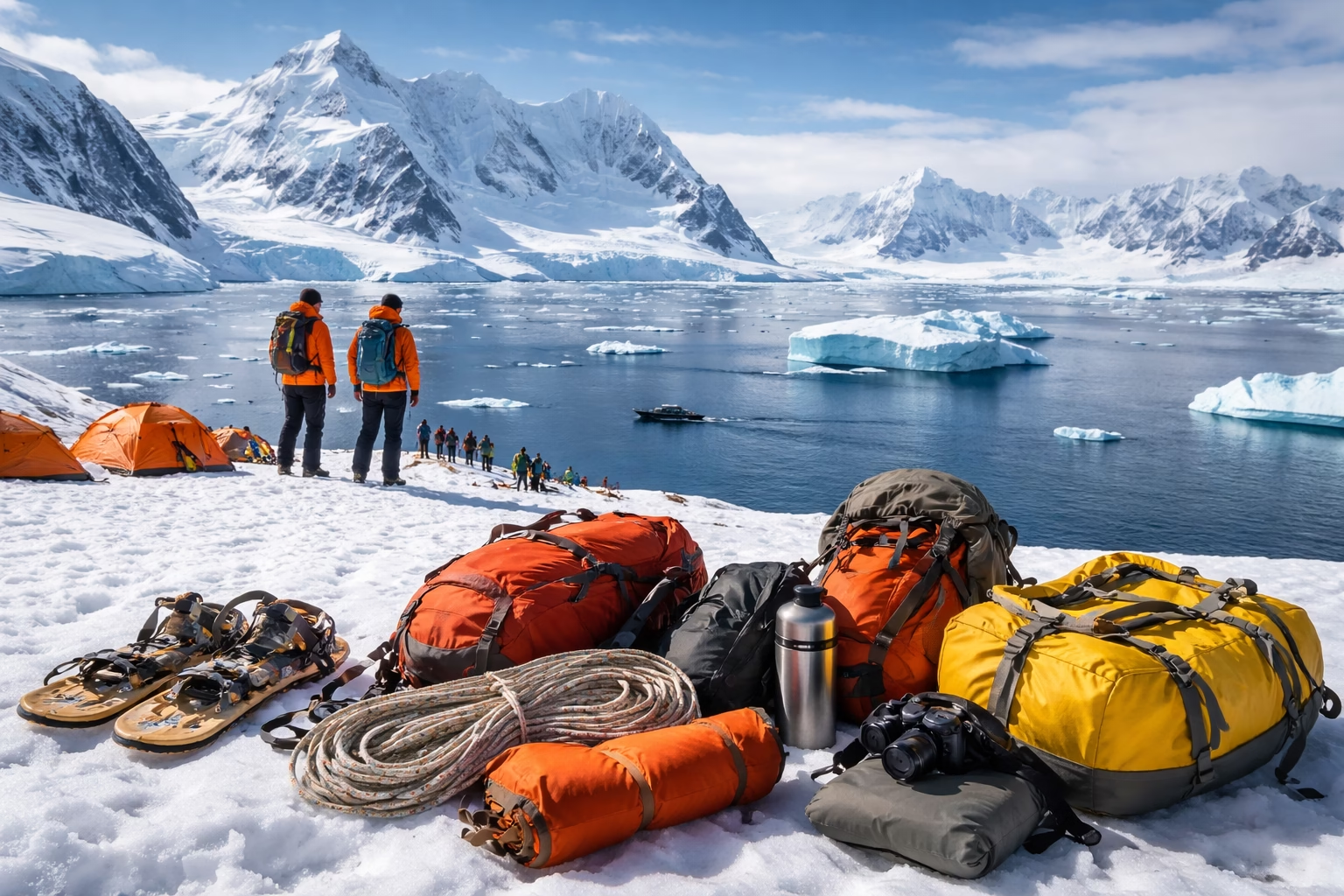
- High quality waterproof boots and wind resistant outerwear
- Insulating base layers and gloves suitable for extreme cold
- Polarized sunglasses to reduce glare from ice and snow
- A reliable camera with extra batteries, since cold temperatures drain power quickly
Conclusion
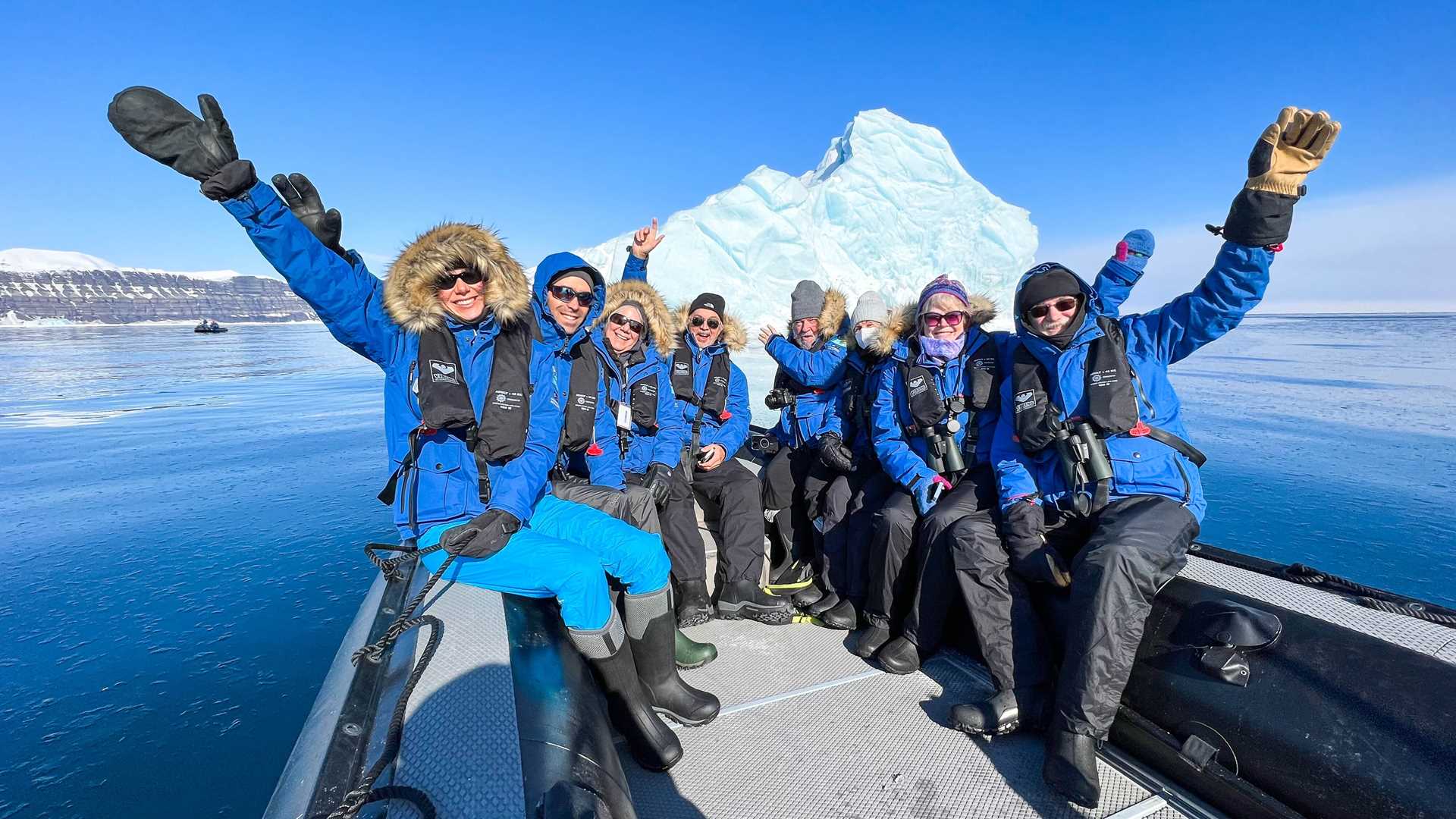
Exploring the remote destinations of Antarctica transforms the way travelers understand the planet. It is both humbling and exhilarating to stand in a place where human influence is minimal and nature commands every moment. Whether you trace the path of historic explorers in the Ross Sea, drift through the glacial labyrinth of the Weddell Sea, or gaze at the smoldering snow peaks of the South Sandwich Islands, each experience reveals the timeless mystery of a continent that thrives on the edge of the world.
Antarctica’s remoteness is its greatest gift. For those willing to journey beyond the familiar, it offers not only unparalleled beauty but also a reminder of the fragile balance that sustains life on Earth. Every step taken across its frozen ground is a chance to connect deeply with the essence of exploration itself.
Further Reading
Best Beaches in Southern Europe
Cheapest Countries to Visit in Africa
Travel to Somalia; How I Traveled to Mogadishu
Free Family Things to do in Chicago Today
How to Spend Four Days in Hong Kong