Sahara Desert Tour Guide Morocco
Introduction
The Sahara Desert is one of the most extraordinary landscapes on Earth, and Morocco offers one of the most accessible and captivating ways to experience it. Visiting the Moroccan Sahara is more than a sightseeing trip; it is a journey into timeless silence where golden dunes stretch endlessly, the stars shine brighter than anywhere else, and the rhythm of life slows to nature’s pace. Whether you dream of riding a camel at sunset, sleeping under a canopy of stars, or exploring centuries-old desert oases, this guide will help you plan the ultimate Sahara Desert adventure in Morocco.
In this detailed guide, you will discover everything you need to know about Sahara tours in Morocco including how to reach the desert, when to visit, what to pack, the best starting points, and what to expect from different types of tours. Let’s unravel the mystery and beauty of Morocco’s most iconic wilderness.
Understanding the Sahara Desert in Morocco
The Sahara spans eleven countries across North Africa, but in Morocco, it holds a unique charm. The country’s portion of the desert stretches from the High Atlas Mountains to the Algerian border, where isolated communities and stunning dune systems await the curious traveler.
Two main regions are typically explored by visitors:
-
Erg Chebbi near Merzouga
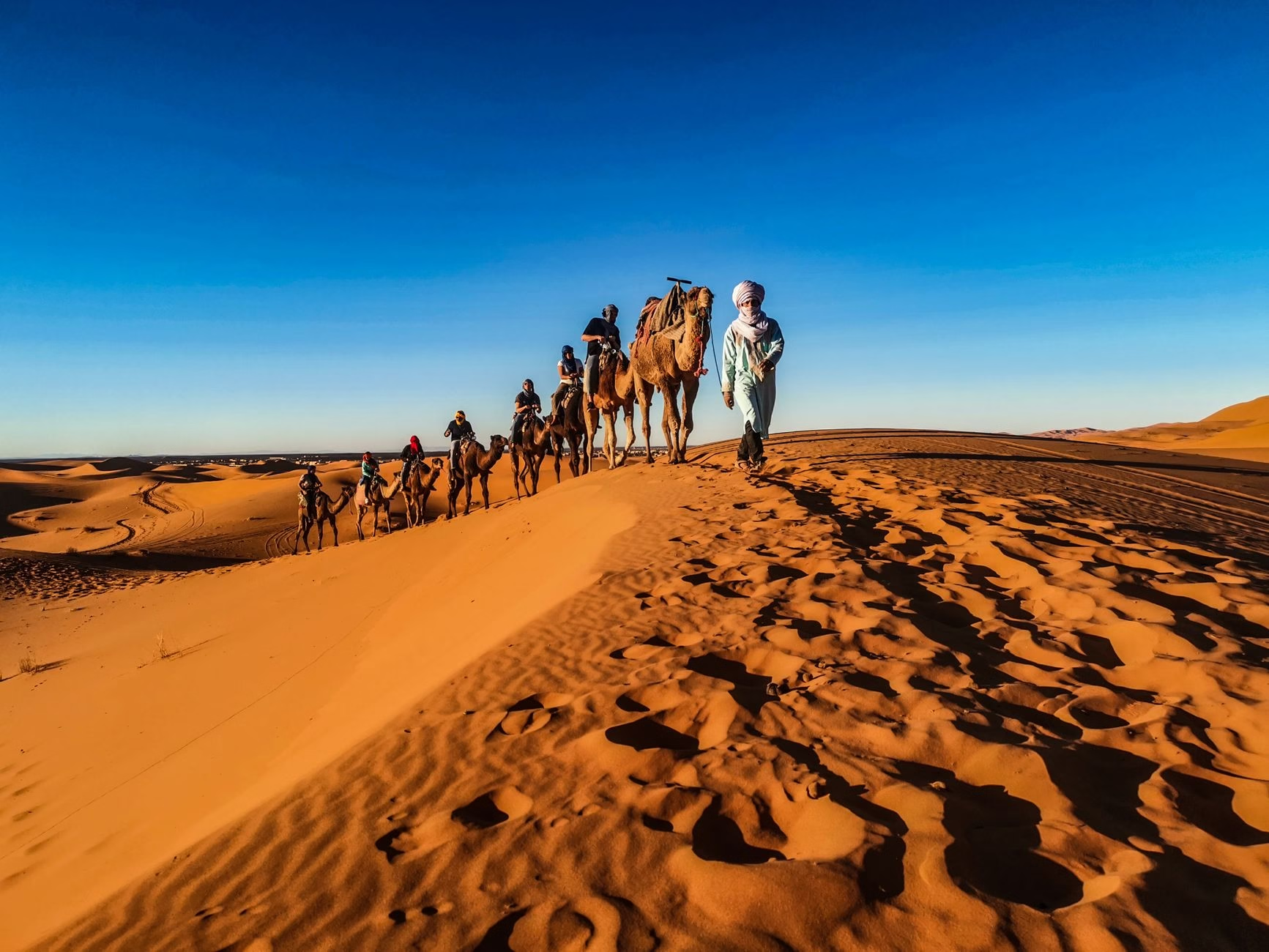
Renowned for its tall dunes that glow in warm orange light at sunrise and sunset, this area is ideal for those seeking a classic desert experience and a relatively easy connection from Marrakech. -
Erg Chigaga near M’Hamid
This is a more remote part of the Sahara, known for its vast silence and fewer tourists. Reaching it involves more off-road travel, offering a deeper sense of wilderness and adventure.
Both regions capture the essence of the Sahara, yet each offers a distinct experience depending on how far you wish to travel and how connected you want to feel to nature and solitude.
How to Reach the Sahara Desert
Getting to the Sahara is a journey in itself and forms an essential part of the adventure. The most popular starting cities are Marrakech and Fes, with journeys that cross spectacular sections of Morocco’s interior.
From Marrakech
The road from Marrakech to Merzouga or M’Hamid takes you across the High Atlas Mountains through the dramatic Tizi n’Tichka Pass, often stopping at Ait Benhaddou, the ancient earthen fortress that has featured in many films. You will also pass through the Dades Valley and Todra Gorge, regions filled with palm oases and red rock canyons.
From Fes
If you are traveling from Fes, the landscape shifts from cedar forests and mountain towns to arid plains and desert plateaus as you move south through the Ziz Valley toward Erfoud and Merzouga.
Most travelers book multi-day tours that include guided transport, overnight desert stays, and activities along the route. This is highly recommended, as driving long distances and navigating desert roads independently can be challenging.
Choosing the Right Type of Sahara Tour
Tour experiences vary widely depending on time, budget, and travel style. Here are the main options:
1. Group Tours
Group tours are ideal for social travelers or those on a tighter budget. Typically lasting from two to four days, they include transportation, meals, and accommodation. Group tours are less flexible but often cover key highlights and offer an easy introduction to the desert.
2. Private Tours
Private tours allow you to travel at your own pace with a dedicated guide and driver. These offer more comfort, privacy, and flexibility in choosing stops along the way. You can tailor the itinerary to include photography stops, local cultural visits, or extended desert stays.
3. Luxury Camps
Increasingly popular among travelers seeking comfort, luxury camps feature spacious private tents with ensuite bathrooms, gourmet Moroccan meals, and traditional music under the stars. They allow you to experience the desert’s romance without sacrificing modern comforts.
4. Adventure Experiences
For travelers wanting more than sightseeing, adventure activities include 4×4 desert drives, sandboarding, quad biking, and treks with Berber guides across remote dunes. These are particularly rewarding in the Erg Chigaga region, where you can travel by camel from camp to camp.
What to Expect in the Sahara
Life in the desert moves to a different rhythm, and being prepared will help you appreciate its serenity and beauty.
- Accommodation: Desert camps range from basic Bedouin-style tents to luxury glamping experiences. Even in simple camps, you can expect hearty Moroccan meals, warm hospitality, and breathtaking sunsets.
- Climate: Days are hot and nights can be surprisingly cold, especially from November to February. Always pack layers and something to protect from the sun.
- Activities: Popular activities include camel trekking through the dunes, watching sunrise and sunset, visiting nomadic villages, and enjoying traditional Gnawa music at night.
- Food: Camp meals often feature Moroccan favorites like tagine, couscous, grilled vegetables, and freshly baked bread cooked in desert sand ovens.
- Stargazing: The desert sky offers an unforgettable view of the Milky Way and countless constellations. Many camps provide telescopes or astronomy tours to enhance the experience.
When to Visit
The best times to tour the Sahara are March to May and September to early November. During these months, temperatures are pleasant, and you can comfortably enjoy camel rides and campfire nights.
Summer months (June to August) can be extremely hot during the day, reaching well above 40°C, while winter nights can drop close to freezing. However, if you travel prepared, each season offers distinct rewards. The winter light is excellent for photography, and the summer skies are beautifully clear.
Essential Packing List
Packing properly can make your desert journey far more enjoyable. Here is what you should bring:
- Lightweight breathable clothing for daytime
- A warm jacket or fleece for cooler nights
- A sun hat, sunglasses, and high SPF sunscreen
- A scarf or shawl to protect against wind and sand
- Refillable water bottle
- Comfortable closed shoes or sandals
- Camera or smartphone for photography
- Portable power bank
- Personal medications and travel-sized toiletries
Remember, less is more in the desert. Avoid overpacking; most tours provide basic bedding and drinking water.
Cultural Insights and Local Encounters
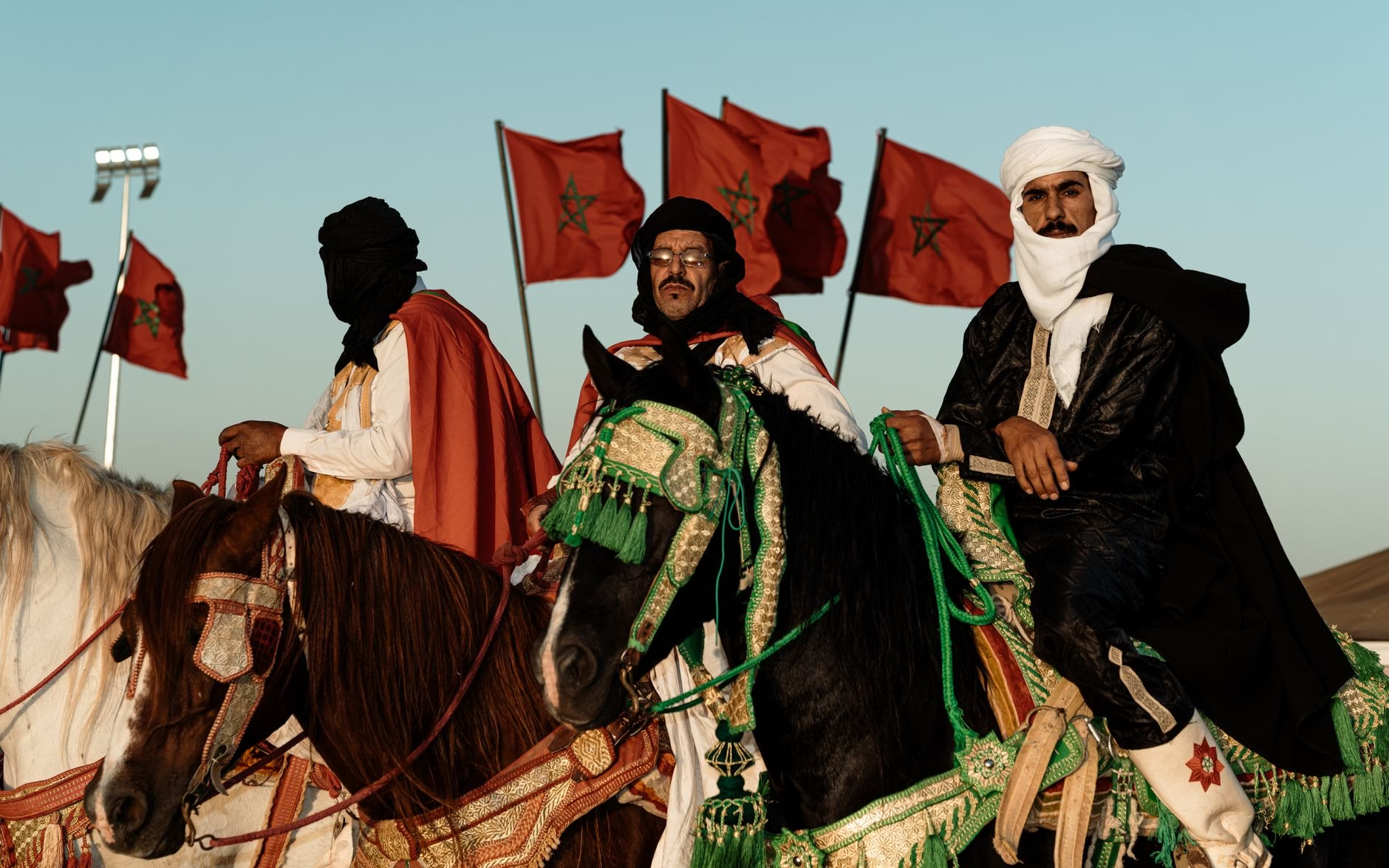
The Sahara is not empty but home to resilient communities who maintain traditional ways of life adapted to the desert’s extremes. Meeting local Berber or Amazigh families offers a deeper understanding of desert culture. Many travelers visit small villages such as Khamlia, known for its Gnawa musicians, or Tamegroute, a village famous for green pottery and historic manuscripts.
Respecting local customs is essential. Always ask before photographing people, greet with a friendly “Salam Alaikum,” and support local artisans by purchasing directly from their workshops rather than tourist shops. These small acts enrich your experience and contribute to local livelihoods.
The Magic of the Desert Night
Perhaps the most memorable moment of any Sahara tour is nightfall. As darkness settles, fires crackle, drums echo gently, and the stars stretch endlessly overhead. It is a moment that feels untouched by time, reminding travelers of the immense scale and serenity of nature.
Those who spend the night in the desert often describe it as transformative. The silence, the vastness, and the simplicity create a deep sense of grounding and connection that few other places in the world can replicate.
Conclusion
A Sahara Desert tour in Morocco is not just a journey across sand; it is a journey inward, an opportunity to slow down, disconnect from modern distractions, and reconnect with nature’s most elemental beauty. With the right timing, preparation, and respect for the land and its people, your trip will be both visually stunning and spiritually enriching.
Whether you choose the easily accessible dunes of Merzouga or the remote solitude of Erg Chigaga, the Moroccan Sahara promises an unforgettable chapter in your travel story.
Further Reading
3 Day Istanbul Itinerary for First Time Visitors
Travel to Somalia; How I Traveled to Mogadishu