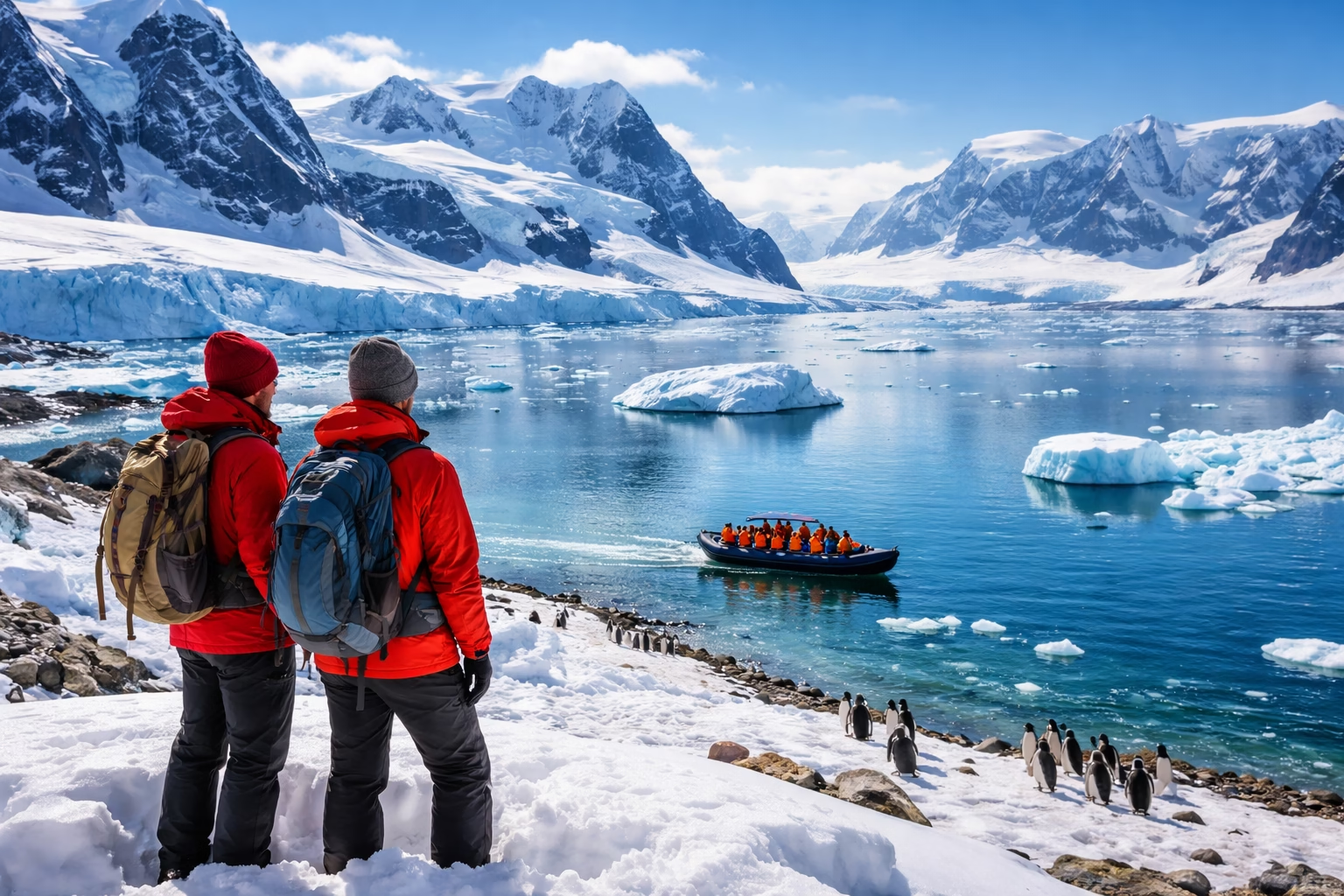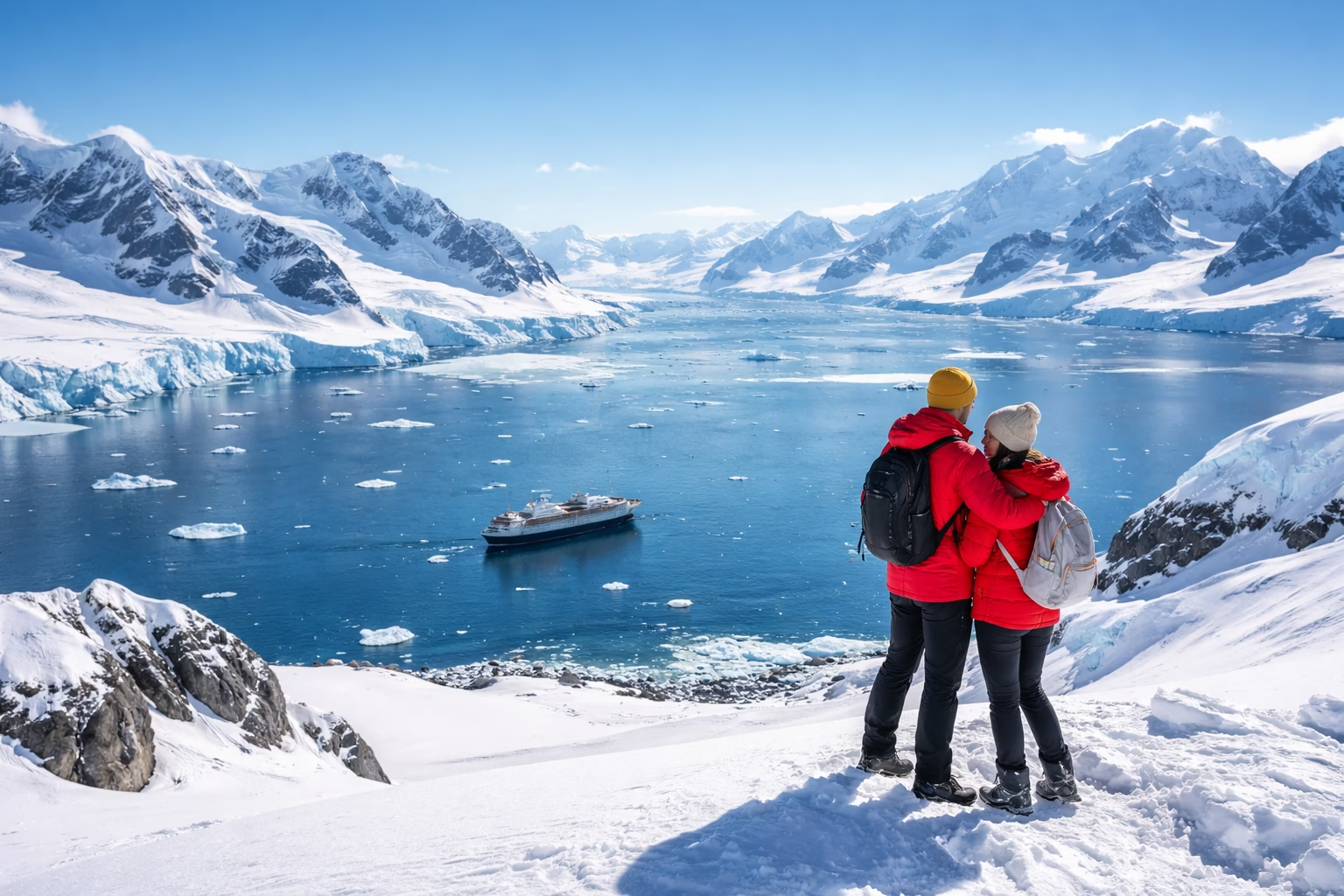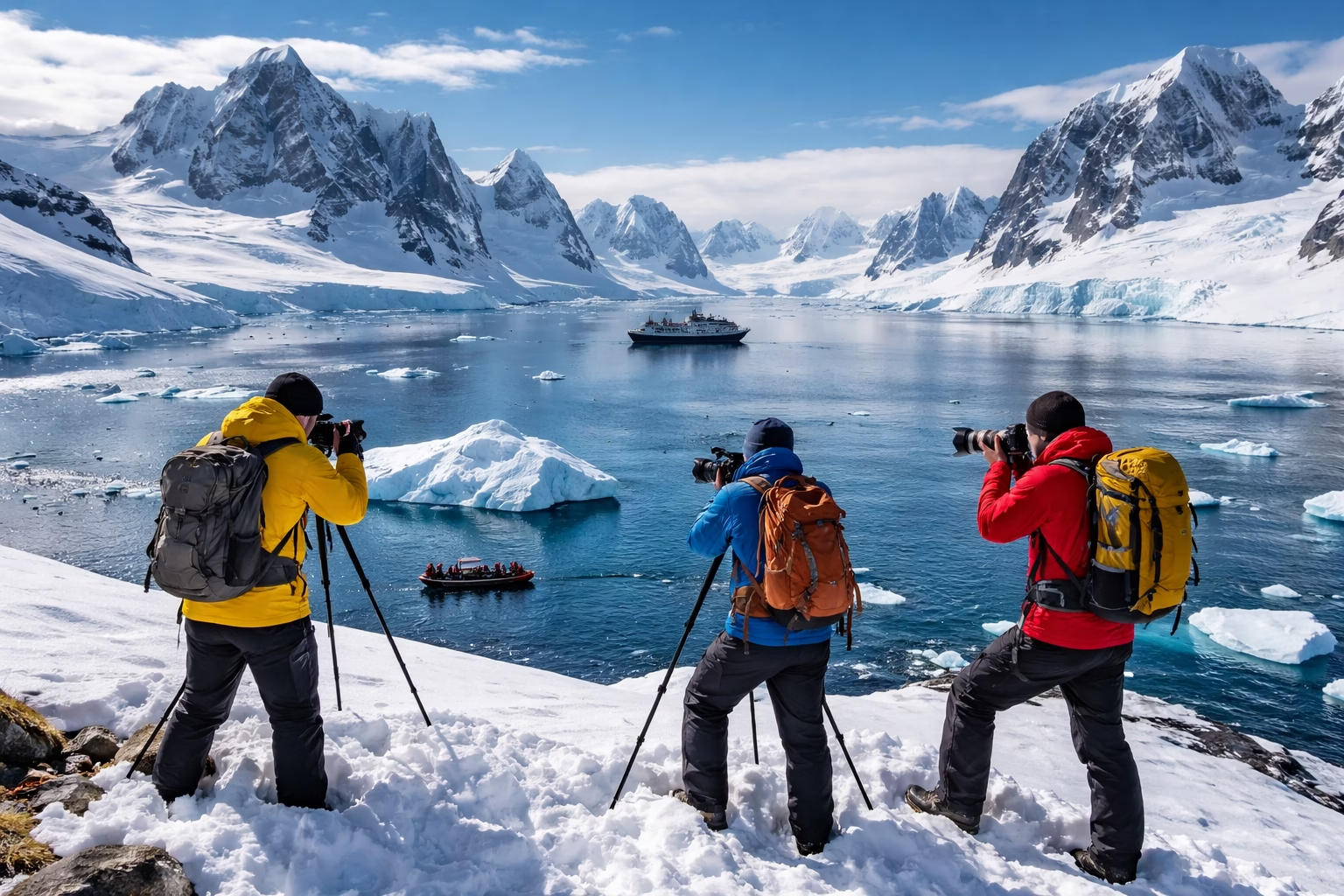
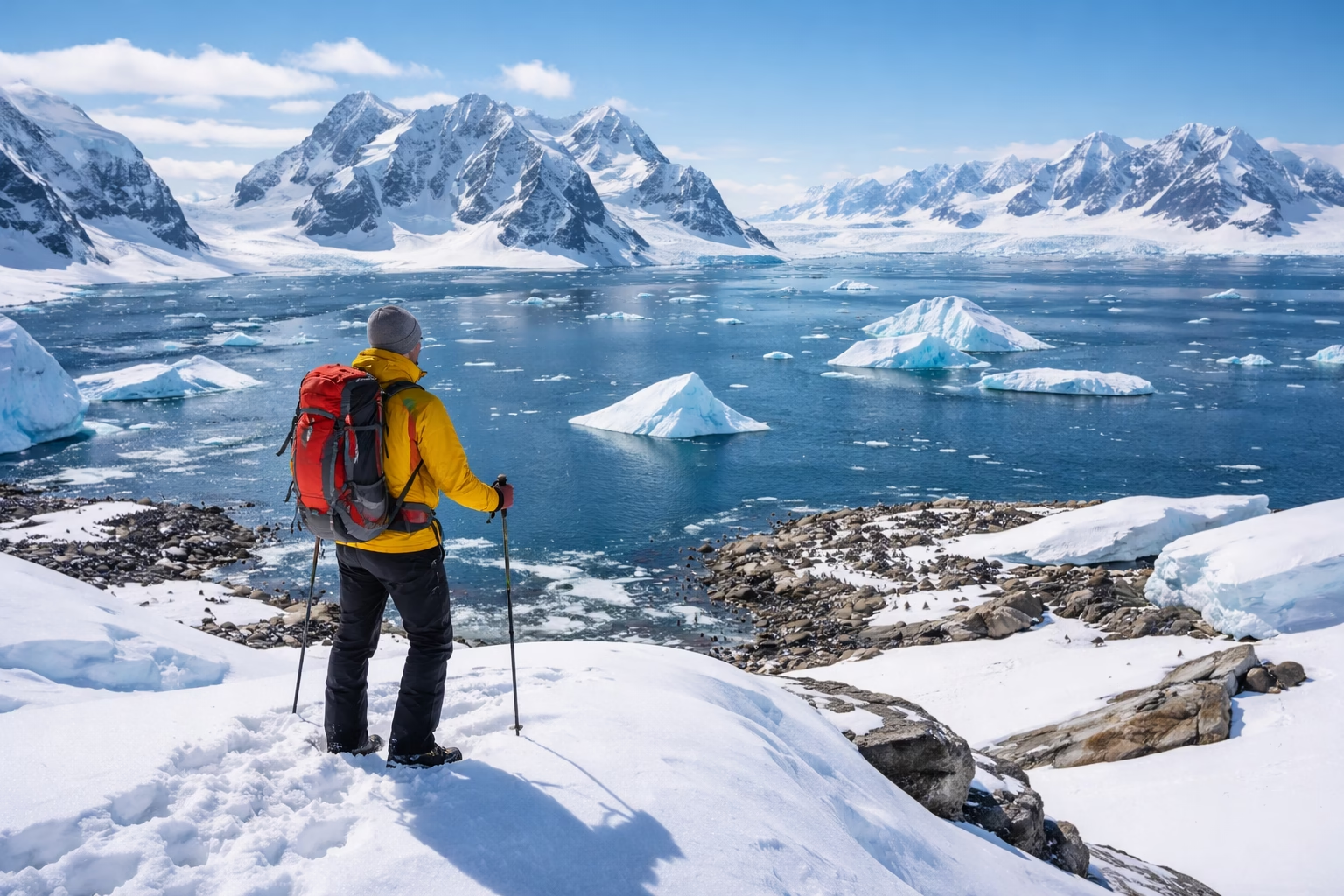
There are few places on Earth that can redefine your sense of wonder quite like Antarctica. It is the last true wilderness, a world of endless white horizons, piercing blue icebergs, and otherworldly silence. For solo travelers, the journey to this frozen continent is not simply another item on a bucket list. It is an expedition of self discovery, resilience, and pure awe.
- Join an authorized expedition; solo travelers are common and can enjoy independence while sharing camaraderie aboard.
- Pick an operator with single cabins or fair solo policies, small group sizes, and strong environmental commitments.
- Travel November to March; mid season offers milder conditions, peak wildlife activity, and better social energy aboard.
- Prepare documentation, fitness, and polar gear: layered clothing, waterproofs, polar boots, sunscreen, and dry bags for electronics.
- Follow strict environmental rules, maintain wildlife distances, decontaminate gear, and embrace limited connectivity and structured onboard life.
This guide will prepare you for everything you need to know before embarking on a solo trip to Antarctica, from how to get there and what to expect aboard an expedition vessel, to the realities of life at the edge of the world. You will learn about logistics, preparation, costs, environmental considerations, and the best ways to make this once in a lifetime experience both safe and meaningful.
Understanding the Reality of Solo Travel in Antarctica
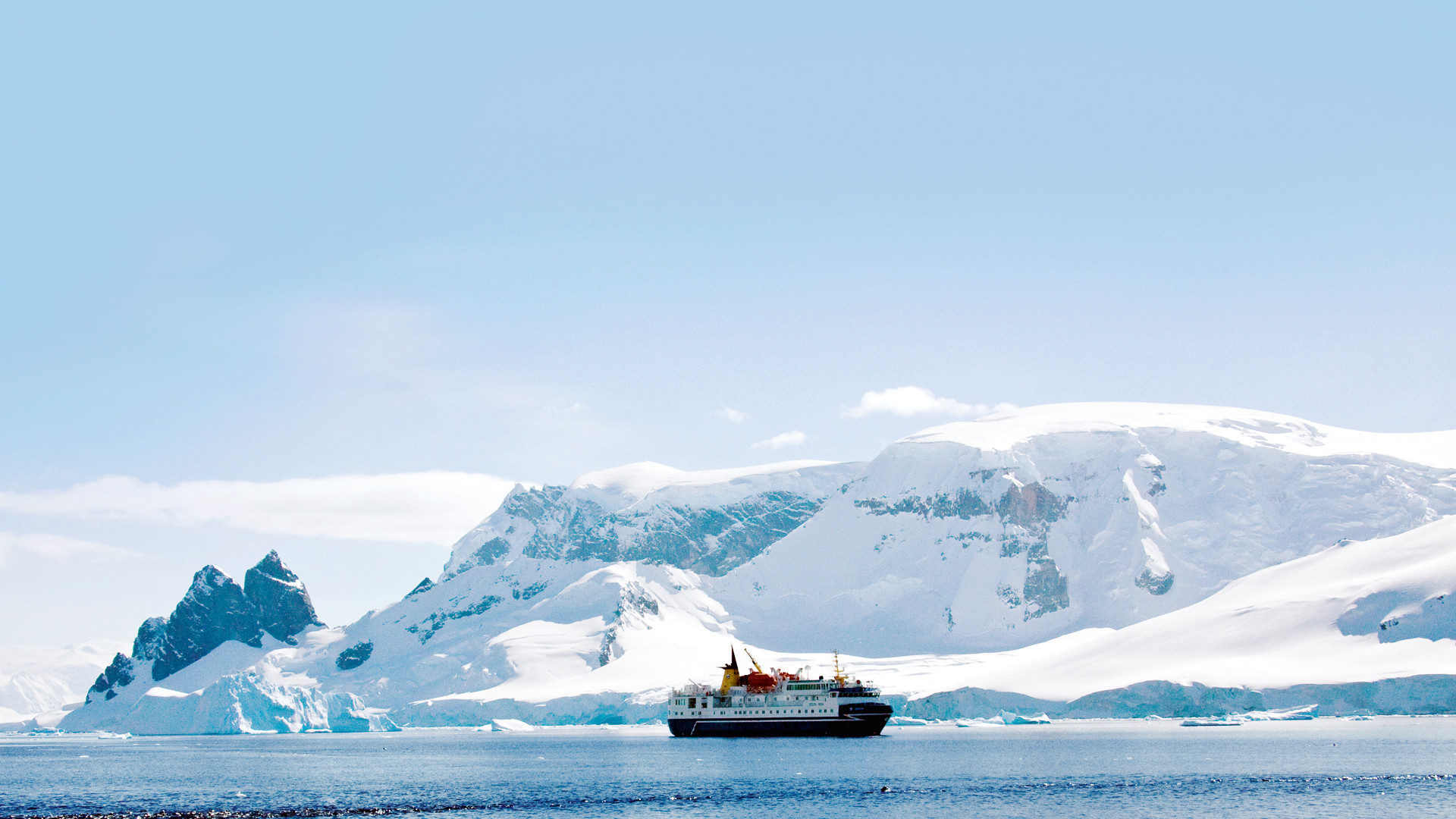
Antarctica is a continent dedicated to science and preservation. It is untouched by permanent human settlement, and strictly governed by international treaties to protect its fragile environment. This means that traveling here is unlike visiting any other destination.
You cannot simply book a flight or hotel; all visitors must travel as part of an authorized expedition group. But that does not mean solo travel is impossible. In fact, solo expedition travelers are common, and most cruise operators cater to individuals looking for independent adventure while ensuring safety and companionship aboard.
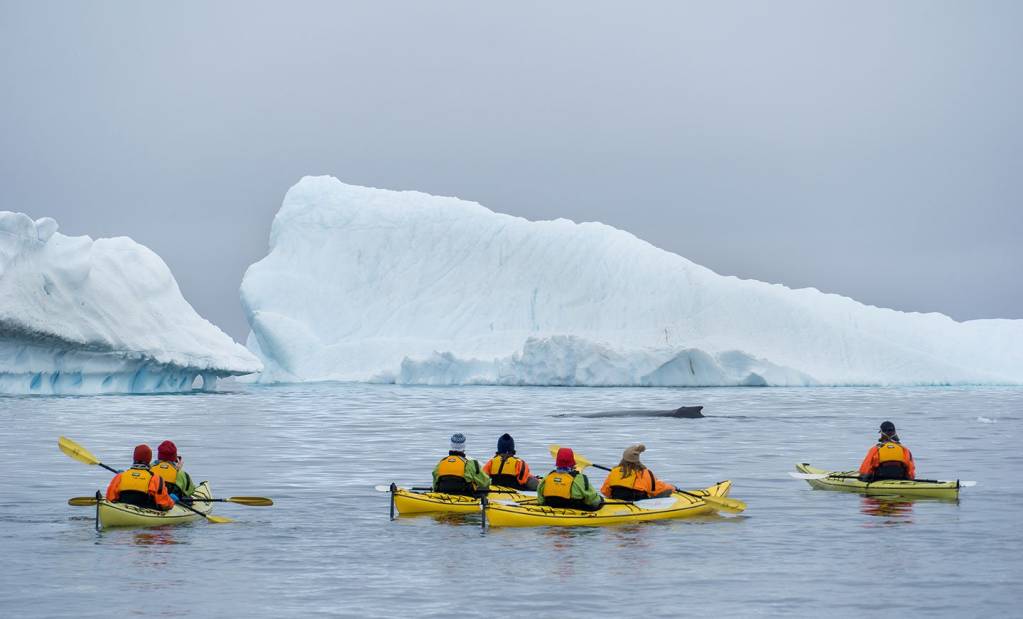
For the solo traveler, this setting creates a unique dynamic. You retain independence while sharing experiences with a small community of like minded explorers. Whether you are observing penguin colonies on the Antarctic Peninsula or kayaking among ice floes under the midnight sun, you will often feel simultaneously solitary and connected to everything around you.
Choosing the Right Expedition Operator
Selecting the right expedition is one of the most important decisions you will make. Every operator follows strict safety regulations, but comfort levels, itineraries, and activities vary significantly.
Key considerations for a solo traveler include:
- Solo Accommodation Options: Some higher end expedition ships offer single cabins, while others provide the option to pay a solo supplement to have a double cabin to yourself. Check these details early because availability is limited.
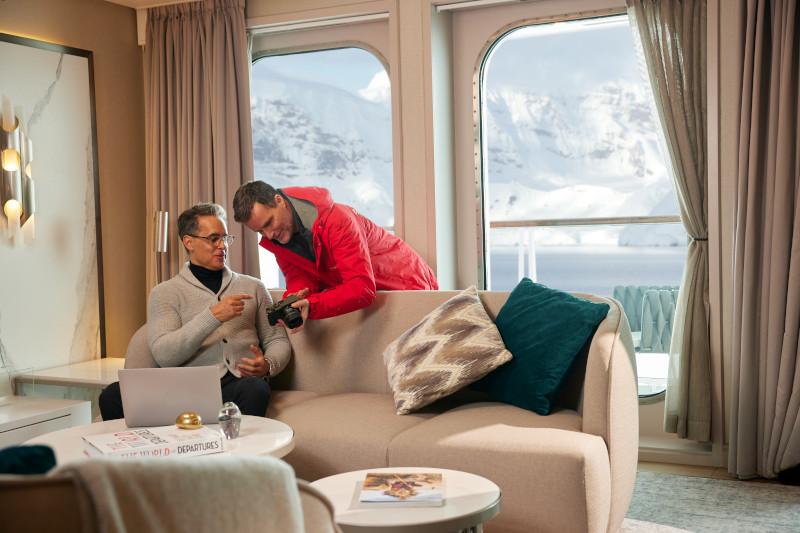
- Group Size and Atmosphere: Small expedition vessels (typically under 150 passengers) provide a more intimate environment, ideal for solo travelers who want to feel part of a close knit group.
- Activities and Expertise: If you crave an immersive experience, look for operators that include guided zodiac excursions, naturalist lectures, photography workshops, and scientific presentations. These create more opportunities for learning and interaction.
- Environmental Commitment: Choose companies that follow the guidelines of the International Association of Antarctica Tour Operators. This ensures best practices in wildlife protection and waste management.
Booking directly with a reputable, experienced Antarctic operator or through a specialized polar travel agency allows you to ask questions and receive personalized advice about traveling solo.
When to Travel: Seasons and Climate
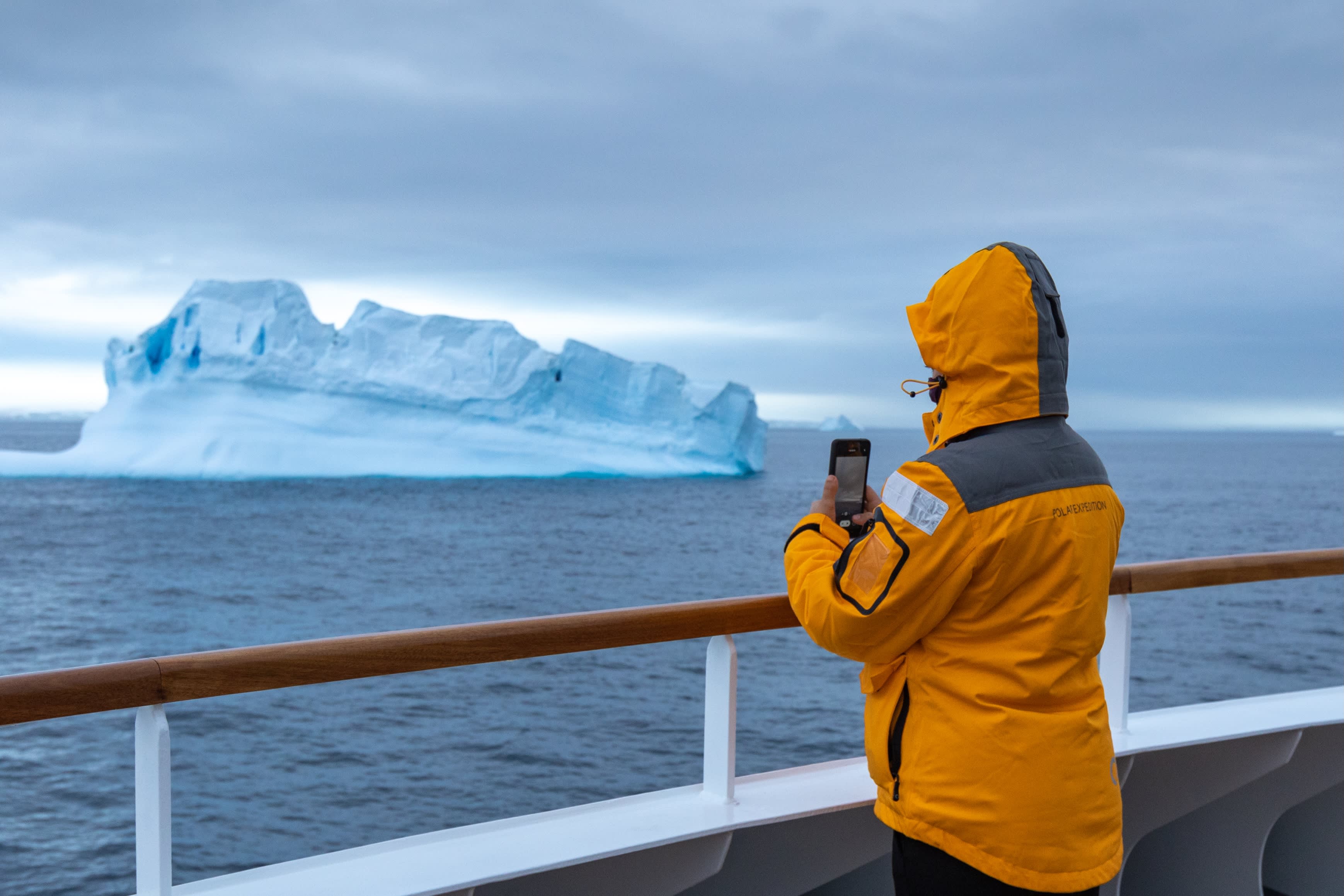
The Antarctic tourist season runs from November to March, each period offering a different experience.
- Early Season (November to early December): The continent is at its most pristine, with untouched snow and active courtship displays among penguins. It is an excellent time for photographers who want the purest light and less crowded itineraries.
- Mid Season (late December to February): These are the warmest months when temperatures can rise just above freezing. Wildlife activity peaks, with chicks hatching and whales more commonly sighted.
- Late Season (February to March): Ice starts to break up, allowing access to areas previously unreachable. Whale encounters and evening light conditions are particularly dramatic.
For solo travelers, mid season offers the most comfortable sailing conditions and social energy aboard, while early and late season voyages often attract smaller groups and lower rates.
Preparing Logistically and Mentally for the Journey
Traveling solo to Antarctica requires not just meticulous logistical planning but also mental readiness.
Documentation and Permits
All visitors join expeditions that already have environmental permits. You will need a valid passport and any necessary visas for the countries you pass through. Most ships depart from Ushuaia in Argentina, the southernmost city in the world, so entry requirements for Argentina must be met first.
Physical Preparation
While you do not need to be an athlete, basic physical fitness helps. Activities such as boarding small zodiacs, walking on uneven snowy terrain, and enduring cold winds require mobility and stamina. Start light endurance training before your trip to enhance comfort and safety.
Packing Essentials
Layering is critical because temperatures shift constantly. Essential items include:
- Waterproof jacket and insulated pants specifically designed for polar conditions
- Thermal base layers and fleece mid layers
- Gloves, hats, and neck protection
- Polar grade boots provided by most operators
- Sunglasses and high SPF sunscreen to combat UV reflection from ice
- Waterproof dry bags for camera gear and electronics
Because solo travelers often have to watch their luggage limits closely during connecting flights, it is wise to confirm weight restrictions and borrow certain gear from the tour operator if available.
Mental Preparation
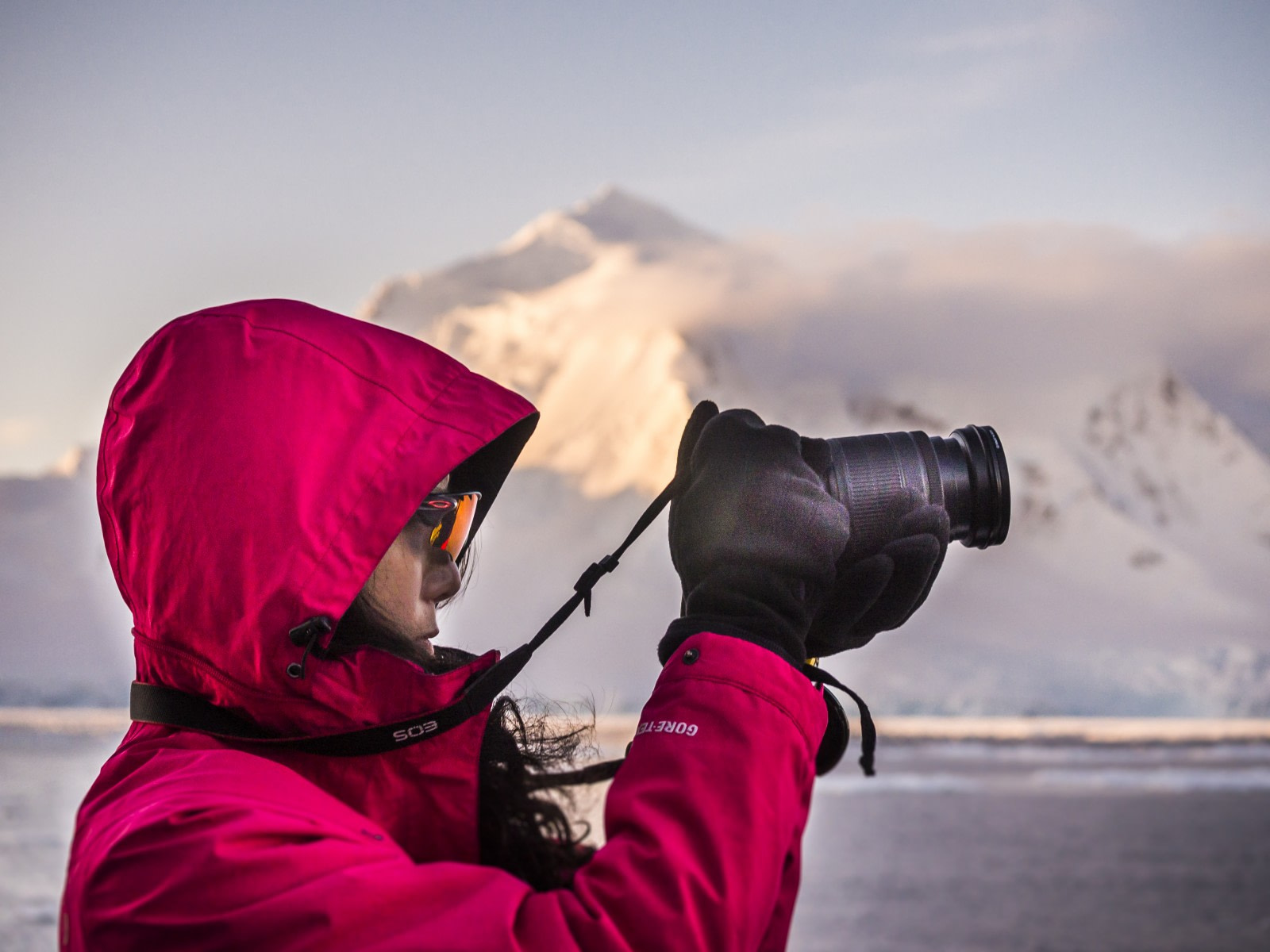
Antarctica is an emotional journey. The deep silence, isolation, and raw natural beauty can be overwhelming. Traveling solo means you will have quiet time to reflect, so bring a journal or camera to document your thoughts. Conversation with fellow passengers often turns deeply introspective, creating bonds that last long after the expedition ends.
Safety, Connectivity, and Onboard Life
Safety standards in Antarctic travel are among the highest in the travel industry. Expedition leaders are typically polar experts, and the ships are built to ice strengthened specifications.
Life onboard for a solo traveler is social and structured. Most ships organize communal meals, lectures, and daily briefings that naturally encourage interaction. You will find it easy to connect with others who share your passion for exploration, science, and the environment.
Connectivity is limited. Internet access, if available, can be slow and expensive. Use this as an opportunity to disconnect fully from the modern world. It is often while standing on the deck in complete silence, surrounded by drifting sea ice, that travelers grasp the true privilege of being there.

Responsible Exploration and Environmental Awareness
Antarctica is one of the last untouched ecosystems on Earth. Every visitor must act as a respectful guardian. Responsible exploration means following strict guidelines designed to minimize impact.
These include:
- Maintaining prescribed distances from wildlife
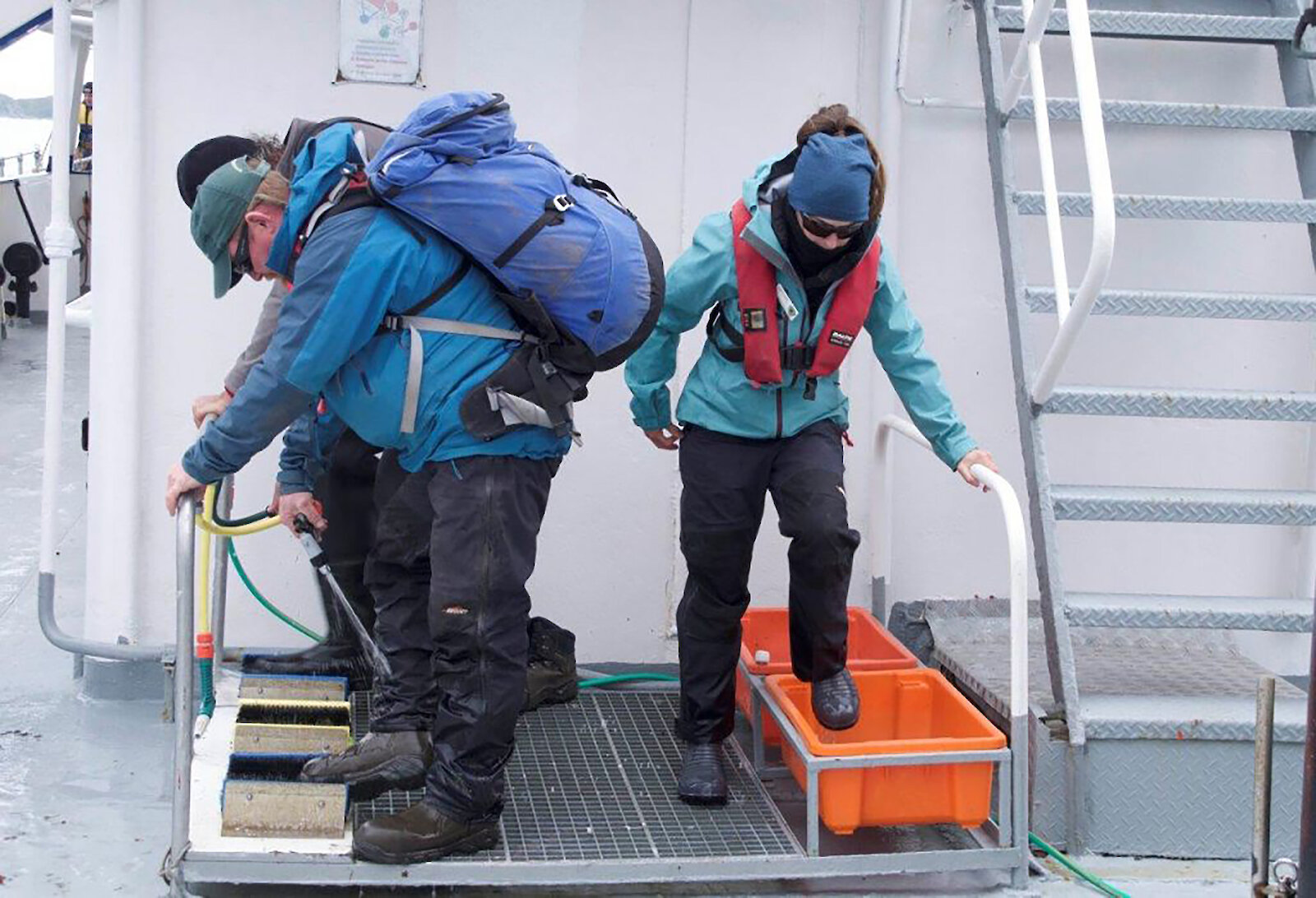
- Decontaminating boots and equipment before every shore landing to prevent introducing foreign species
- Never leaving anything behind or collecting souvenirs
- Following the instructions of guides during all landings
Solo travel brings with it the advantage of being highly adaptable in mindset. When you are alone, you can focus more deeply on the environment, truly listen to the scientists onboard, and absorb the scale of the natural world without distraction.
Making the Most of Your Solo Antarctic Experience
Traveling alone to Antarctica allows you to experience the journey as a personal expedition. To make the most of it:
- Engage with Experts: Take advantage of talks by biologists, historians, and photographers. They add rich layers of meaning to what you see.
- Participate Actively: Join all available shore landings and zodiac outings. Each landing presents a different landscape and wildlife encounter.
- Capture and Reflect: Whether through photography or writing, document your feelings and discoveries. Antarctica offers moments that words barely contain, but recording them gives permanence to the experience.
- Build Community: Even while traveling solo, friendships aboard can enrich the journey immensely. Sharing stories and reflections with others is often a highlight of the voyage.
Conclusion: The Journey of a Lifetime Awaits
Solo travel to Antarctica is more than an expedition; it is a profound encounter with the essence of the planet. The continent’s pristine landscapes remind you of how vast and fragile Earth truly is. The isolation gives space for reflection, while the camaraderie among travelers offers connection and warmth even in the coldest environment on Earth.
Whether you are a seasoned adventurer or a newcomer dreaming of the ultimate quest, Antarctica will challenge, inspire, and transform you. Preparing well and traveling responsibly ensures that your solo journey is as rewarding as it is unforgettable.
Further Reading
Best Beaches in Southern Europe
Cheapest Countries to Visit in Africa
Travel to Somalia; How I Traveled to Mogadishu