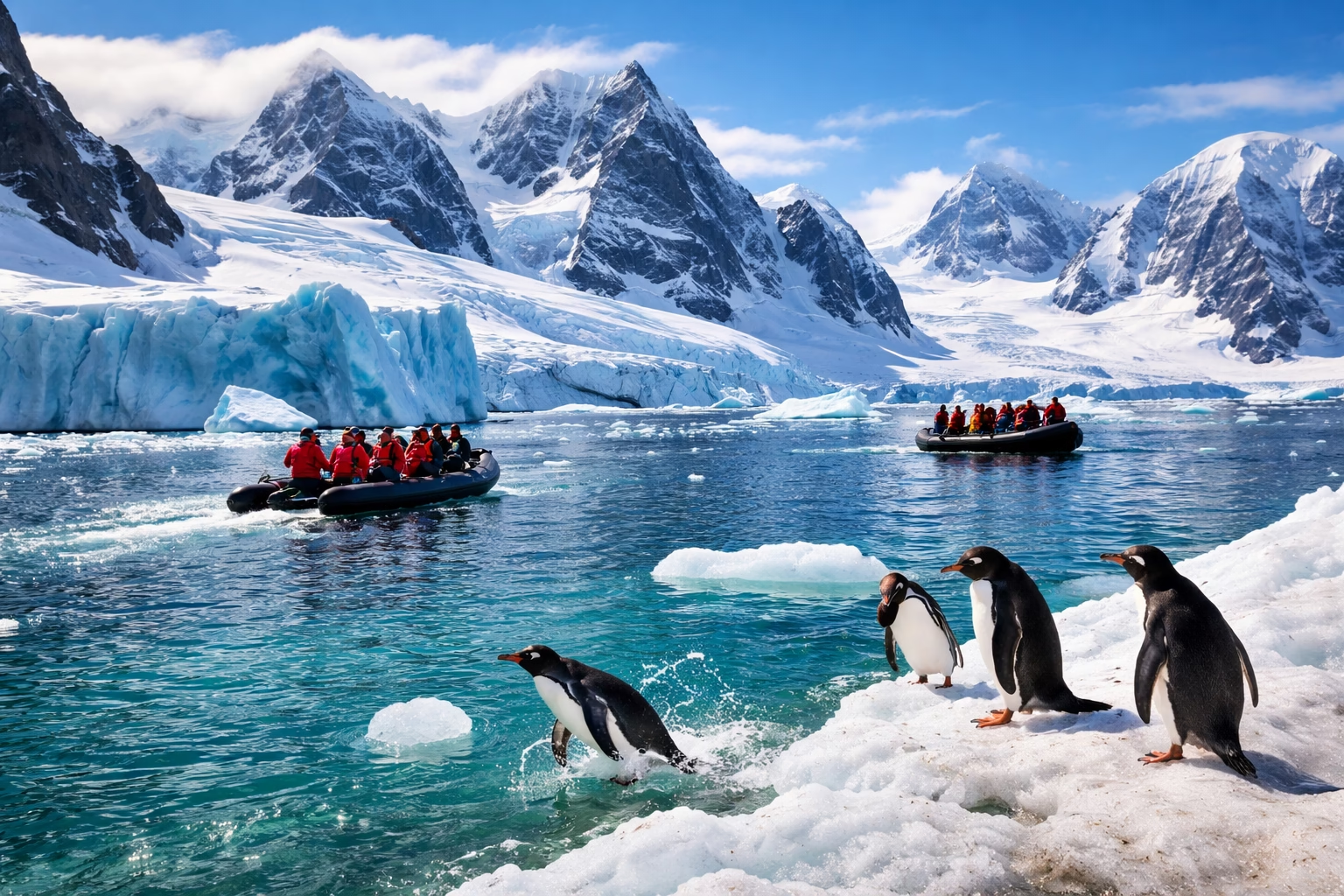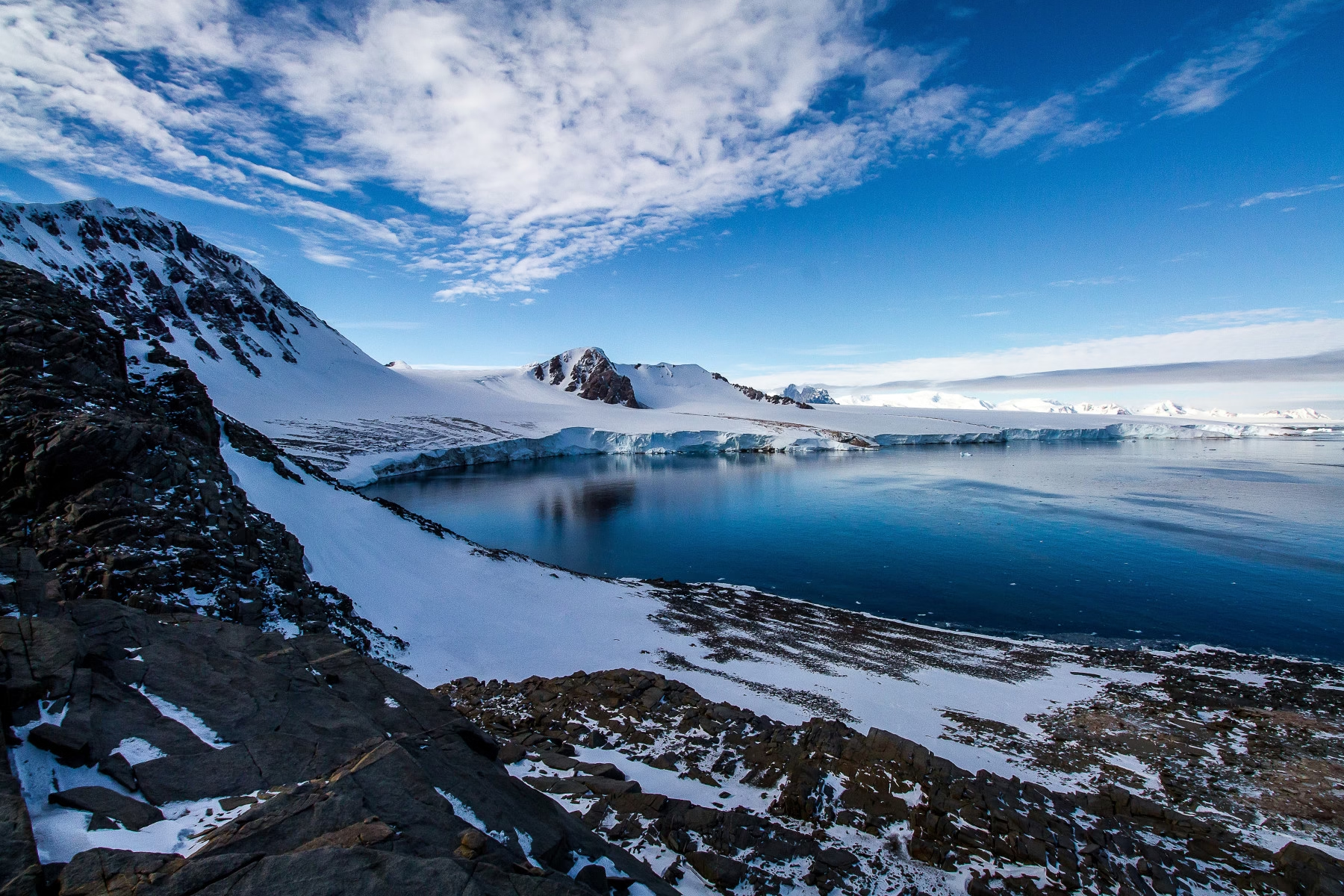
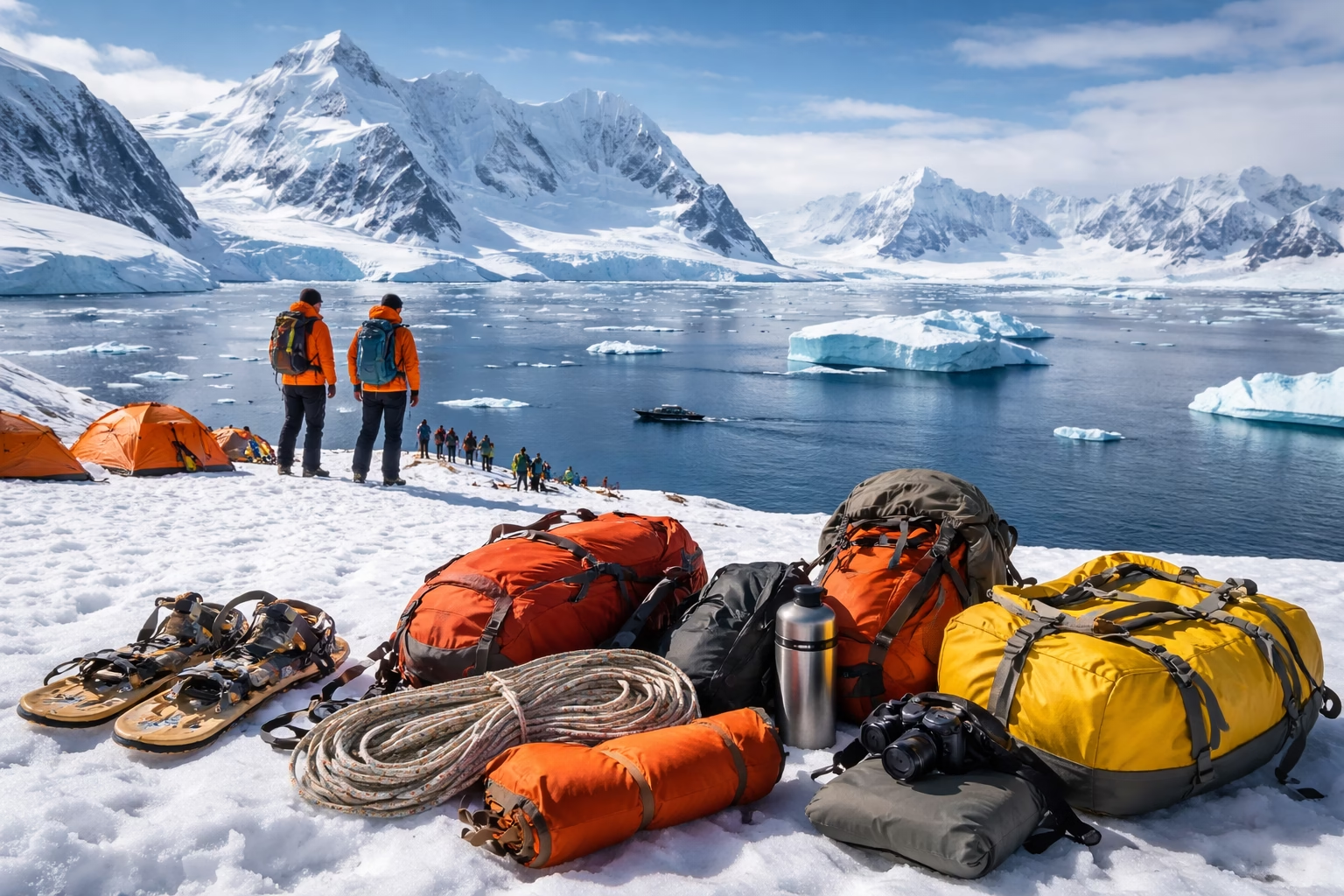
Few journeys on Earth rival the staggering beauty and raw sense of isolation that travel to Antarctica offers. The White Continent captures the imagination like nowhere else, with endless expanses of ice, colonies of curious penguins, vast glaciers, and the surreal stillness of a place beyond ordinary human experience. Yet visiting Antarctica is not a trip that can be taken casually. It is one of the most remote, unpredictable, and logistically challenging destinations in the world.
This comprehensive Antarctica travel checklist is designed to prepare you in every way possible. From what to pack and how to dress to travel logistics, health precautions, and photography gear, it provides everything you need to plan a smooth, safe, and rewarding expedition to the end of the Earth.
1. Preparing for the Journey: Know Before You Go
Antarctica is both awe inspiring and extreme. Preparation is not simply about packing warm clothes; it is about understanding the environment and the demands of traveling in a landscape shaped by ice, wind, and sea.
Choose the Right Time to Visit
Antarctica’s travel season runs from late October to early March, when weather conditions are most favorable and days are long.
- November to December: Early season when snow is pristine and penguins begin nesting.
- January to February: Peak wildlife activity with chicks hatching and whale sightings at their best.
- Late February to March: Ideal for explorers seeking fewer tourists and majestic color contrasts as the season transitions.
Selecting the Right Expedition
Most travelers reach Antarctica by expedition cruise from Ushuaia, Argentina or occasionally via Punta Arenas, Chile. Choose your operator carefully:
- Look for companies that adhere to strict environmental standards through the International Association of Antarctica Tour Operators (IAATO).
- Decide the type of experience you want. Smaller expedition ships offer landings and a closer connection to nature, while larger vessels may focus more on comfort.
- Confirm the number of landings included, the size of the passenger groups, and the quality of onboard expert lectures.
Travel Documents and Permissions
Although no visa is required for Antarctica itself, you will need appropriate travel documents for the departure country.
- A valid passport with at least six months’ validity beyond your trip dates is essential.
- Some travelers may require visas for Chile or Argentina depending on nationality.
- Comprehensive travel insurance including emergency medical evacuation is mandatory, and operators often verify coverage before departure.

2. Clothing and Gear: Dressing for the Polar Environment
The secret to comfort in Antarctica lies in the layering system. Temperatures often hover around freezing in summer but strong winds and moisture can quickly chill even experienced travelers.
The Layering Strategy
- Base Layer: Moisture wicking thermal underwear made from merino wool or high quality synthetics to keep skin dry.
- Mid Layer: Fleece or insulated jacket for warmth that can be adjusted easily.
- Outer Layer: Waterproof and windproof shell jacket and pants. Breathable fabrics that resist freezing mist are ideal.
Essential Accessories
- Insulated Waterproof Boots: Many operators provide them, but bringing your own ensures the correct fit for long landings.
- Thermal Socks: Bring several pairs to rotate daily.
- Gloves: Two pairs, thin liner gloves and thick waterproof outer gloves.
- Headgear: Warm beanie or balaclava plus a neck gaiter or buff for protection against windburn.
- Sunglasses and Sunscreen: Ultraviolet radiation is intense due to reflection from ice and snow.
- Binoculars: Compact binoculars enhance wildlife spotting, especially whales and seals from deck.
Packing Tip: Store clothing in waterproof compression bags to keep them dry during Zodiac (inflatable raft) landings.
3. Essential Travel Gear and Technology
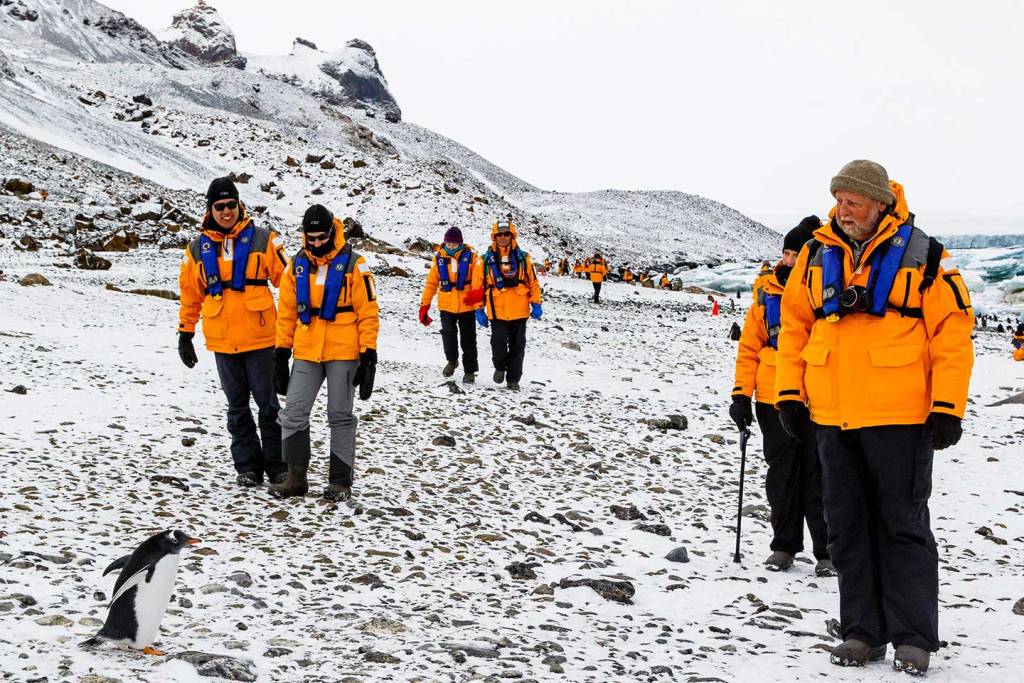
While beauty is limitless in Antarctica, convenience is not. There are no shops, no cellular coverage, and no facilities beyond what your ship provides. Planning what to bring ensures self-sufficiency and comfort.
Photography Equipment
Antarctica is a photographer’s dream. To make the most of it:
- Bring a DSLR or mirrorless camera with interchangeable lenses. A wide-angle lens captures sweeping ice landscapes, while a zoom lens captures distant wildlife.
- Pack extra batteries, as cold temperatures deplete battery power quickly. Store them close to your body to keep warm.
- Consider a polarizing filter to enhance contrasts and reduce glare from ice and water.
- Prepare weatherproof camera bags or dry cases to protect against sea spray.
Personal Items to Pack
- Refillable water bottle as hydration is crucial despite the cold temperatures.
- Lip balm and heavy-duty moisturizer to combat dry wind.
- Small waterproof daypack for zodiac excursions.
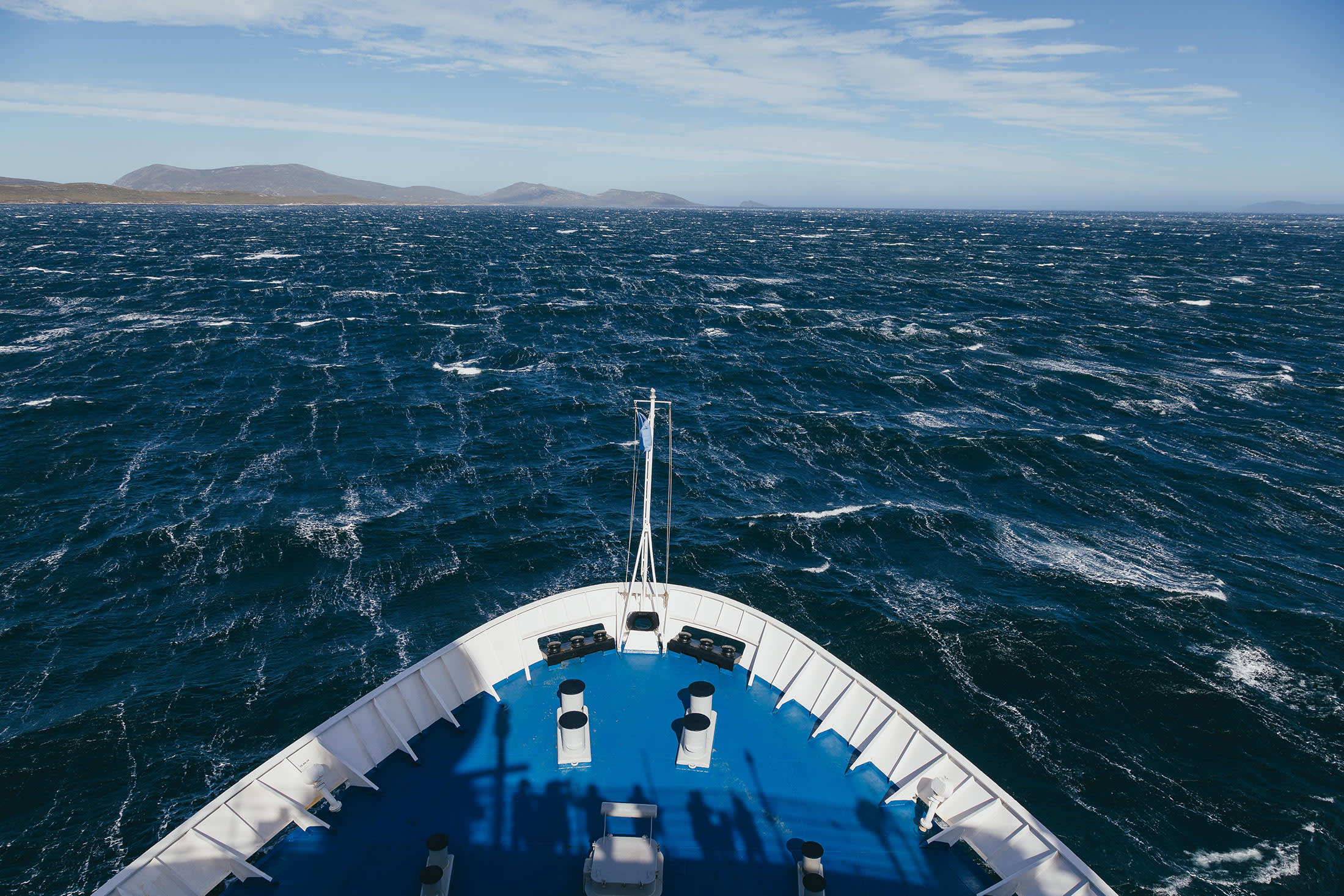
- Seasickness remedies for the Drake Passage crossing, which can be notoriously rough.
- Power bank and universal plug adapters if your ship’s outlets differ from your devices.
Optional Yet Valuable Additions
- Lightweight trekking poles for uneven icy terrain.
- Travel journal to record the rare sensations of total silence and isolation.
- eBooks or downloaded entertainment for downtime at sea.
4. Health, Safety, and Environmental Responsibility
Traveling to Antarctica requires awareness of both personal health and environmental preservation. The continent remains one of the most fragile ecosystems on Earth.
Health Considerations
Ships have medical facilities, but evacuation could take days depending on weather and location.
- Carry personal medications in clearly labeled, original packaging.
- Ask your doctor about seasickness patches or medication before departure.
- Exercise caution when transferring from the ship to small boats, especially during wet or windy conditions. Waterproof gloves and proper footwear reduce slipping risk.
Protecting the Environment
Antarctica operates under strict conservation guidelines. Every traveler plays a critical role in preserving it:
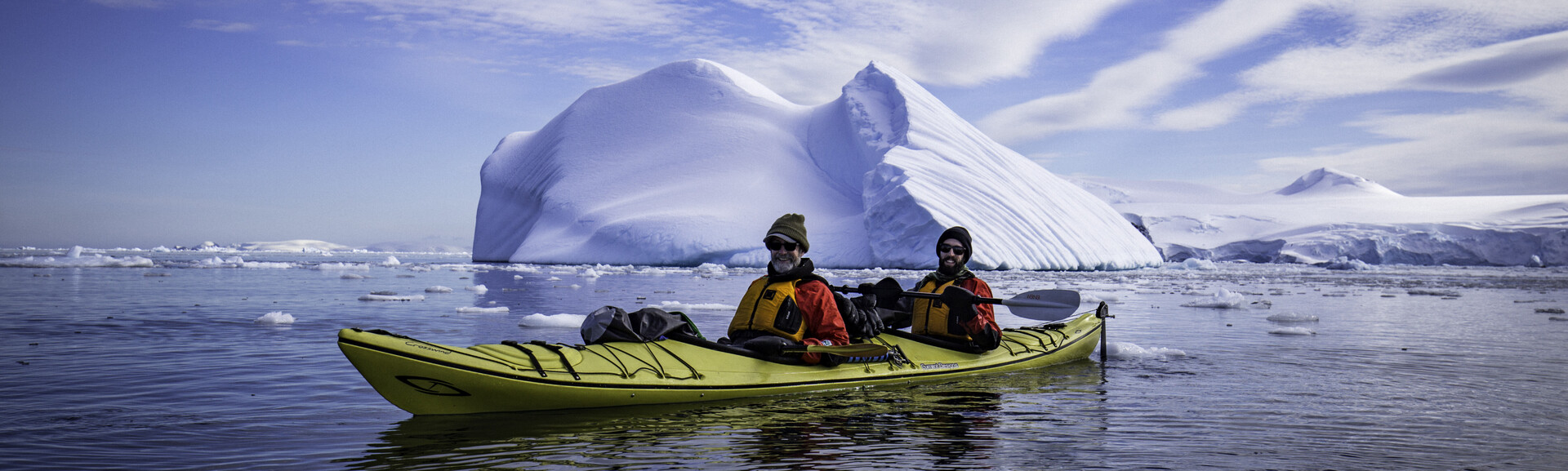
- Do not touch or feed wildlife; always respect minimum approach distances.
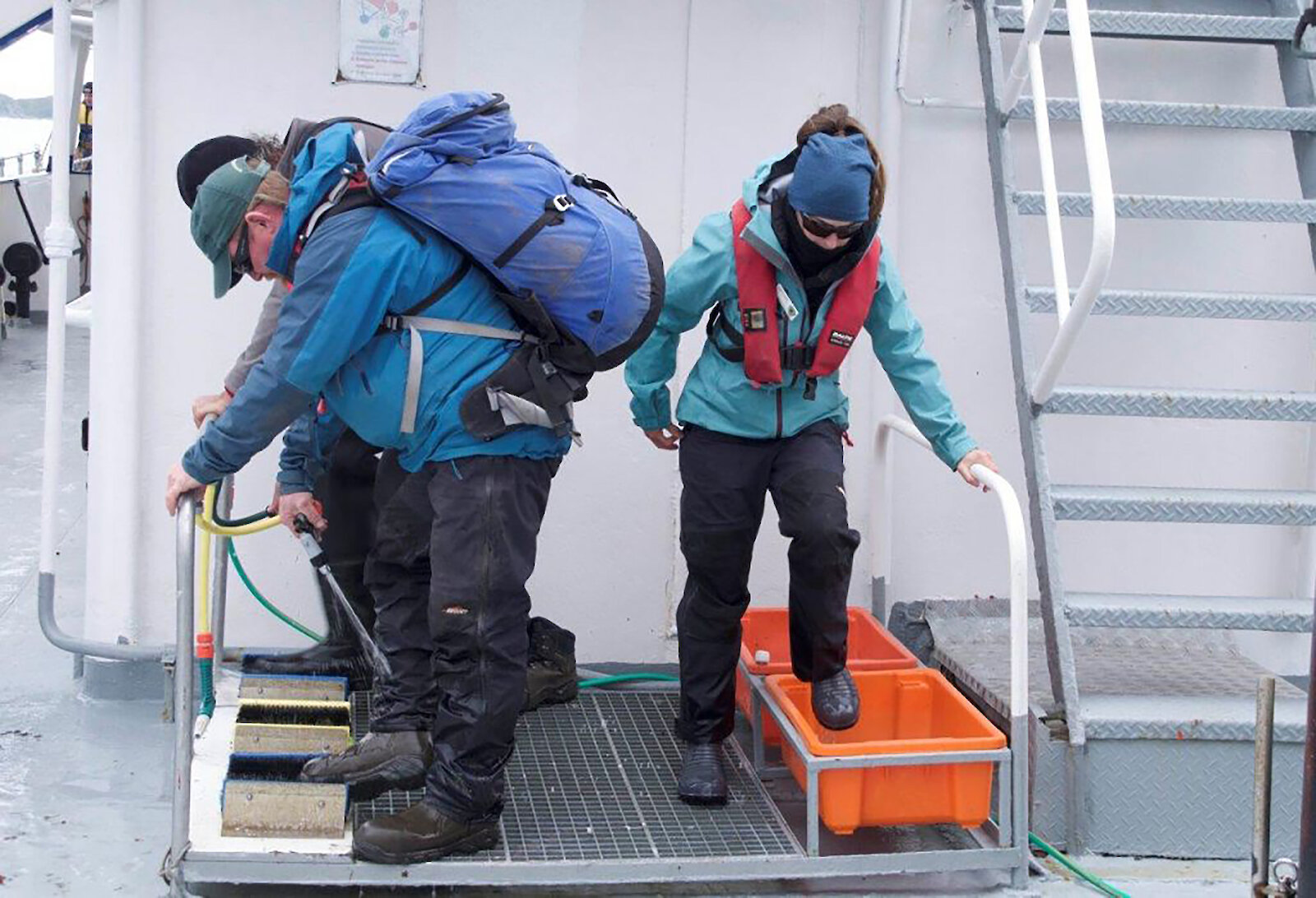
- Clean boots and gear thoroughly before and after landings to prevent spreading foreign organisms.
- Refrain from leaving any waste behind.
- Follow ship crew or expedition leaders’ instructions without exception.
Following these guidelines ensures Antarctica remains untouched for future generations and maintains the balance that makes it so remarkable.
5. Capturing and Experiencing the Magic
Beyond logistics and packing lists, the essence of Antarctic travel lies in mindfulness and presence. Every moment offers a chance to connect with nature at its most pure.
Engage Fully with the Environment
Listen to the sound of cracking icebergs and watch flocks of storm petrels gliding above mirrored seas. Attend lectures by onboard scientists who explain the region’s geology, history, and wildlife. Learn about Ernest Shackleton and the early explorers who braved unimaginable conditions to map this distant world.
Photography Advice
Capture what words cannot describe, but remember to put the camera down sometimes to absorb the scene. Early morning light and sunset create hues of deep pink and gold that turn icebergs into glowing sculptures. Capture motion with slow shutter speeds on calm days or close detail of penguin colonies with steady hands.
Embrace the Unexpected
Weather can change within minutes. A perfectly clear morning can turn into thick fog or snow by afternoon. Flexibility is key. Expedition leaders often adjust routes daily based on ice movement and wildlife sightings. Accept this fluidity as part of Antarctica’s natural charm.
Conclusion
Antarctica is not a destination that grants easy access, but it rewards every moment of preparation with an experience beyond imagination. Whether standing before a calving glacier, watching a curious penguin waddle past, or feeling the bite of icy air against your face, you understand why this continent changes every traveler who sets foot on it.
This ultimate Antarctica travel checklist aims to equip you for that transformation. With the right gear, knowledge, and mindset, you will not only travel safely but also preserve the wonder and purity that make Antarctica one of the last true frontiers on Earth.
Further Reading
Best Beaches in Southern Europe
Cheapest Countries to Visit in Africa
Travel to Somalia; How I Traveled to Mogadishu
Free Family Things to do in Chicago Today
How to Spend Four Days in Hong Kong