
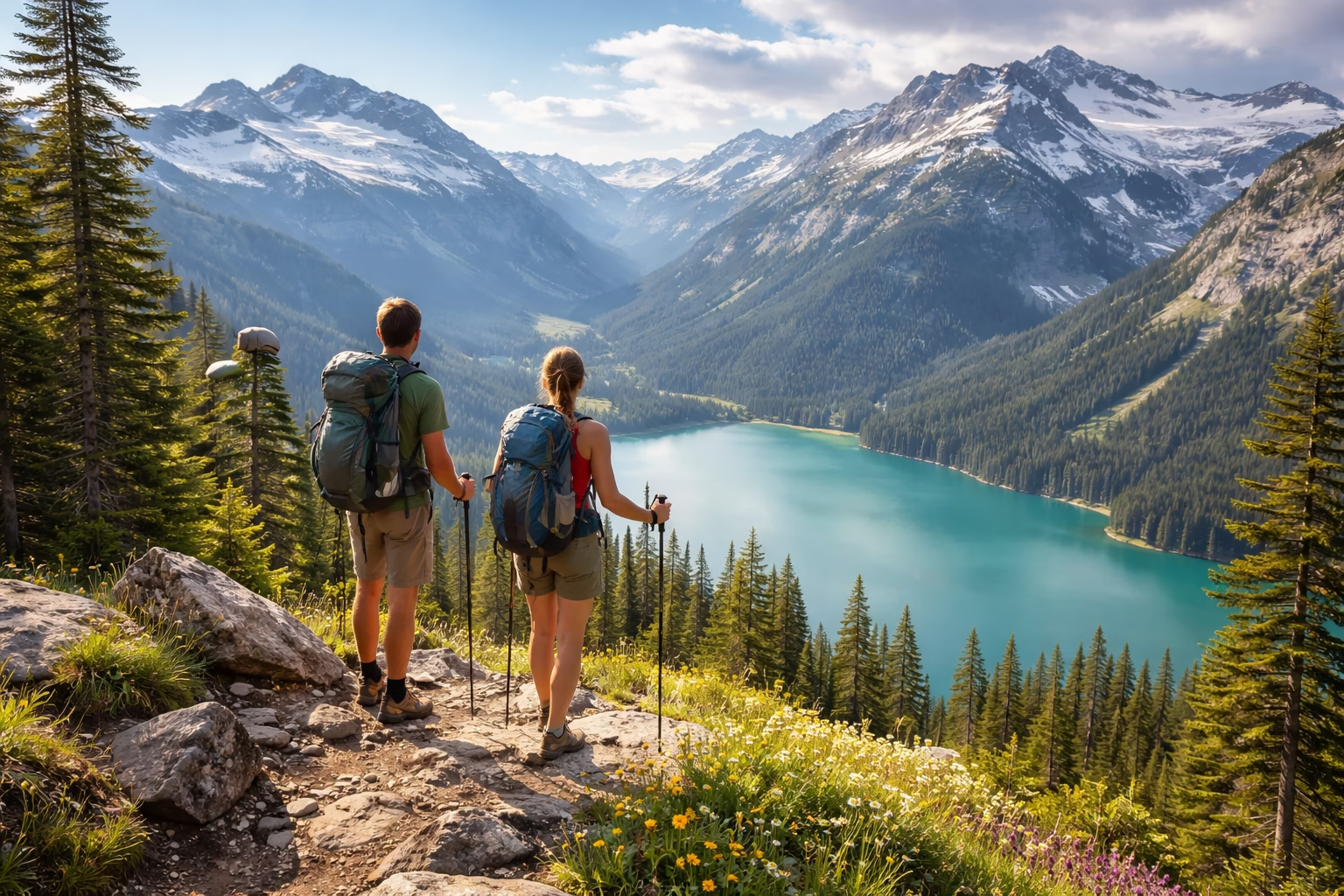
There are few travel experiences as fulfilling as immersing yourself in nature and discovering the world on foot. A week spent hiking through forests, valleys, mountains, and rivers can recharge your spirit in ways that city breaks rarely can. This detailed 7 day adventure travel itinerary is designed for those who want an active escape that combines physical exploration with a deeper connection to the natural environment.
- Settle in first day: confirm routes, check weather, pack essentials like water filter, snacks, first aid.
- Explore forests and rivers: moderate trails, wildlife watching, small waterfalls, consider guided naturalist walks for deeper ecosystem understanding.
- Plan a mountain ascent midweek: start early, pace steady, pause at shelters, enjoy summit panoramas and descend carefully.
- Schedule a lakeside rest day: gentle walks, kayaking or mindful reflection, plus local cultural activities and creative journaling.
- Practice responsible travel: leave no trace, support conservation, pack mindfully, buy local crafts, and adapt plans to season and fitness.
Whether you are an experienced hiker or simply seeking a week of fresh air and outdoor discovery, this itinerary offers a balanced mix of scenic trails, hidden viewpoints, and cultural encounters. You will find practical details about what to do each day, advice on preparation, and suggestions for making the most of each experience. By the end of this journey, you will not only have explored breathtaking landscapes but also gained a new appreciation for how nature sharpens our senses and calms our minds.
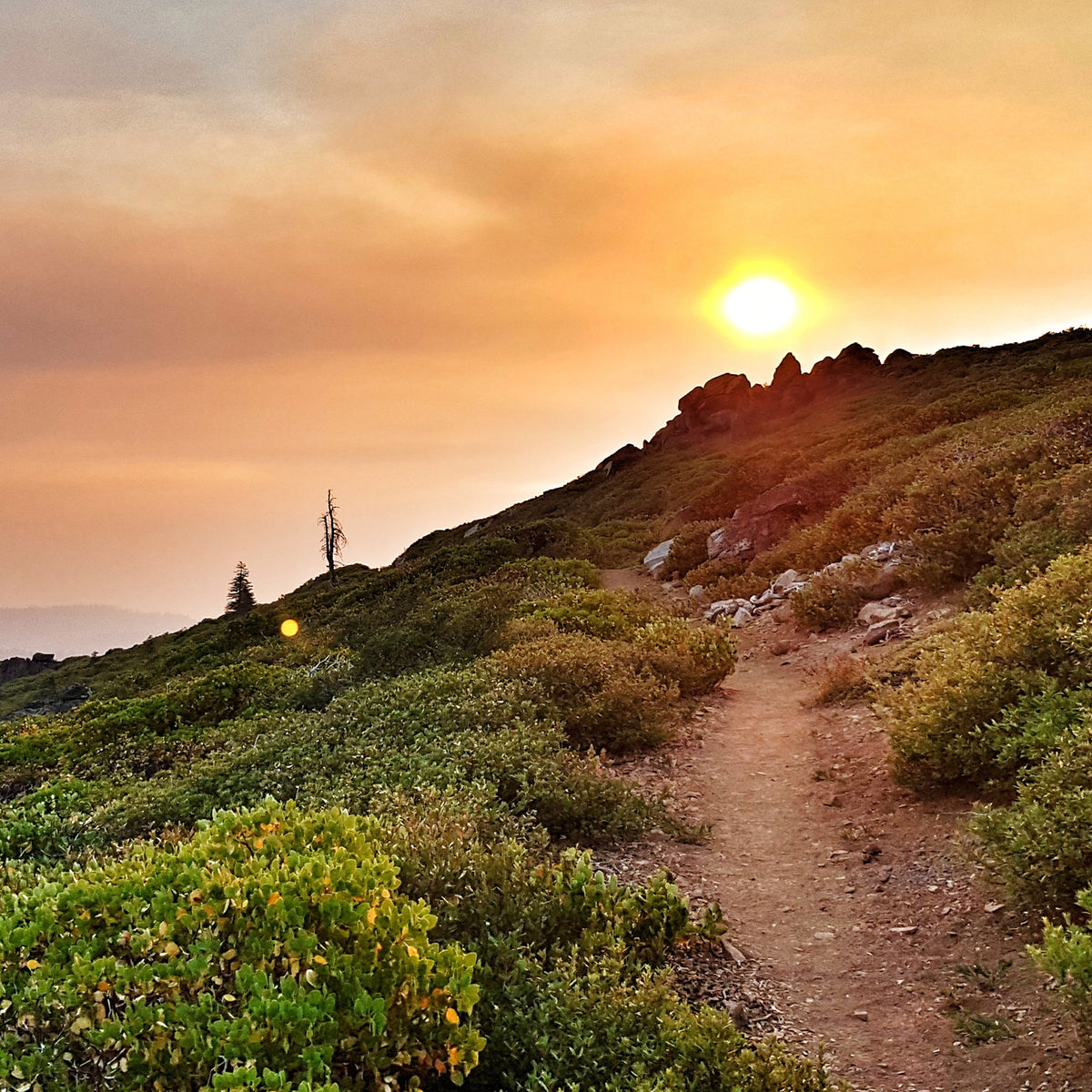
Day 1: Arrival and Introduction to the Landscape
Begin your journey by traveling to a base destination known for its natural beauty and access to a network of trails. Whether you are arriving at a mountain village, national park entrance, or lakeside town, use your first day to settle in and get acquainted with your surroundings.
Take a gentle stroll along nearby paths to observe local flora, breathe in the fresh air, and let your body adjust to the terrain. Avoid pushing too hard on your first day; instead, focus on preparation. Confirm your route plans, check weather conditions, and stock up on essentials such as water filters, snacks, and first aid supplies. Research local guidelines for responsible hiking and learn about the local wildlife so that your adventure is safe and respectful of the environment.
Evening is a wonderful time to visit a local café or lodge, connect with other travelers, and gather tips from locals who know the region well.
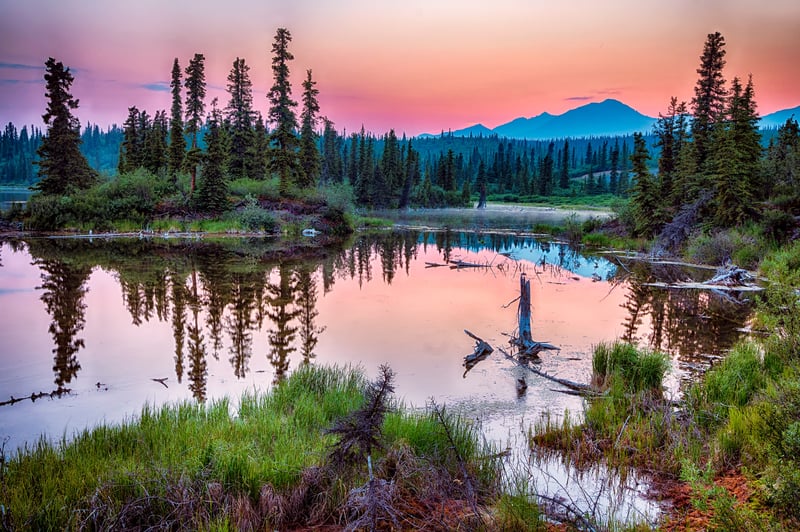
Day 2: Forest Hiking and River Trails
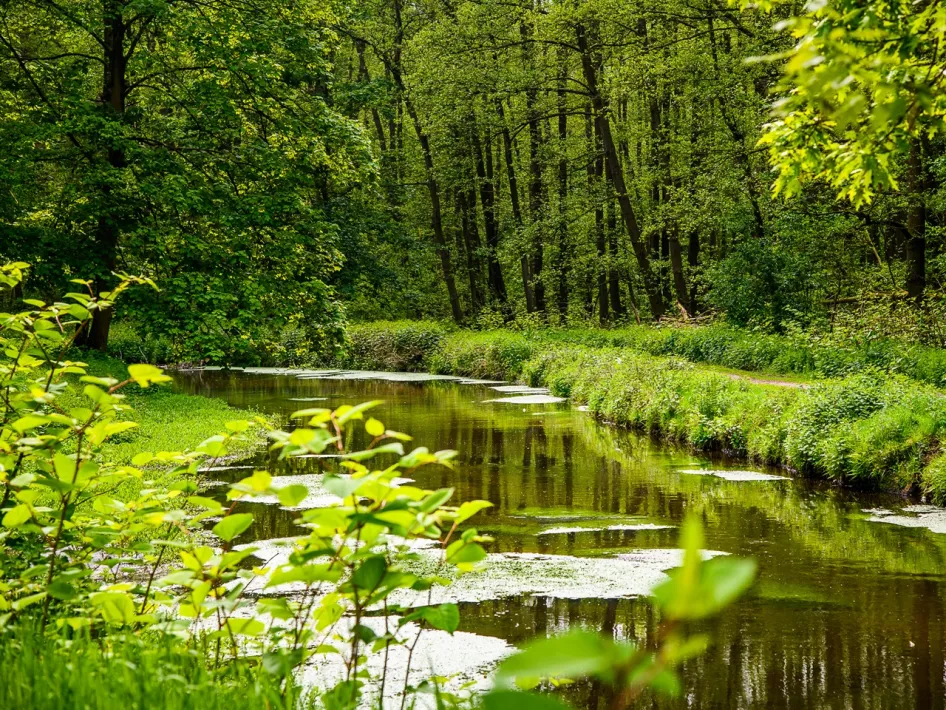
Start your first full day with a moderate trail through dense forest or along a winding riverbank. These natural corridors offer shade, soothing sounds, and abundant wildlife sightings. Look for routes that lead to small waterfalls or natural pools where you can rest and have lunch surrounded by nature.
Carry a small backpack with sustainable travel gear such as reusable water bottles and eco-friendly trail snacks. Take short breaks to observe plants and birds, and consider joining a guided walk with a local naturalist for a richer understanding of the ecosystem. In the afternoon, return to your accommodation for a well-earned rest or visit a nearby village market to experience the local culture and pick up regional food specialties.
Related Posts:



Day 3: Mountain Ascent and Panoramic Views
By the third day, you are ready for a more challenging climb. Choose a mountain route that offers clear elevation gain and rewarding viewpoints. Start early to make the most of daylight and cooler morning temperatures.
As you ascend, pace yourself steadily and take photos at different stages to document the transition from forest floor to open ridge. Many mountainous regions have safe shelters or designated picnic points; plan your pauses at these spots and enjoy local produce for lunch. At the summit, spend time soaking in the panoramic views. Watching the world spread out below you creates a perspective that stays with you long after the trip ends.
Descend slowly, taking care to rest your joints. Evening can be spent at a rustic lodge where you share stories with other hikers over a hearty meal made from local ingredients.

Day 4: Lakeside Relaxation and Gentle Nature Walks
After two days of higher intensity hiking, treat yourself to a slower rhythm. If your location features a lake or river basin, this is the perfect day to relax by the water. Many adventure travelers overlook the value of rest days, but they are essential for recovery and reflection.
Spend your morning on a gentle lakeside trail or rent a kayak if conditions allow. Use this time to observe how nature shifts in tone during quieter moments. Photograph reflections on the water, practice mindfulness, or even sketch the landscape if you enjoy creative travel journaling.
In the afternoon, take advantage of local cultural activities such as a small handicraft market or a farm visit where you can learn about regional traditions of sustainability and agriculture.

Day 5: Canyon Exploration and Hidden Valleys
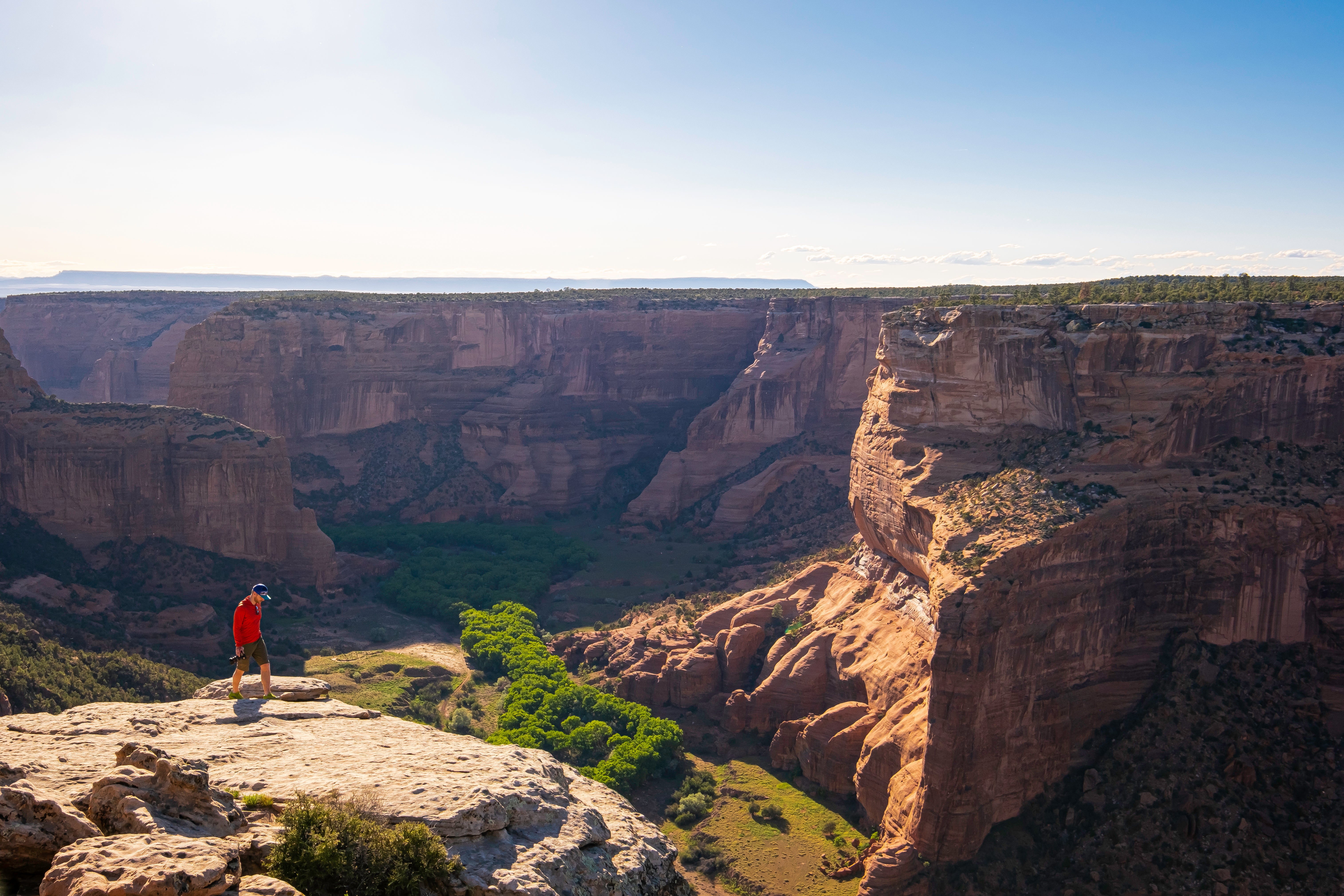
Canyons and valleys often hold some of the most dramatic and secluded walks. Plan for a day that involves both hiking and exploration through carved landscapes where rocks tell the story of geological time. Select a route known for safety and access to natural viewpoints without overcrowding.
Before you begin, ensure you have enough water and protective gear since valleys can become warmer during midday hours. Seek out a guide if you want to understand the geological formations or local legends associated with the area. A guided tour often adds cultural depth to your journey and enhances your appreciation of the environment.
Evening is ideal for a relaxed dinner at a nearby lodge, reflecting on how solitude and grandeur coexist so beautifully in untouched landscapes.
Day 6: Summit Trail or National Park Excursion
Your penultimate day is a fitting time for a signature adventure. Depending on the region, this could mean tackling a famous summit trail or spending a full day in a national park that offers multiple hiking routes.
Start early with a hearty breakfast and bring nutrient-rich snacks for sustained energy. Look for loop trails that begin and end near your accommodation so you can complete your adventure without arranging separate transport. Many parks have ranger stations where you can learn about preservation projects and contribute to local conservation efforts through small donations or participation in visitor programs.
If weather permits, stay out long enough to watch the golden glow of sunset before returning to your base. This is the day that defines the essence of your journey, the challenge, the beauty, and the quiet power of nature that moves through you as you walk.

Day 7: Reflection and Departure
On your final morning, rise early for a last gentle walk or coffee outdoors as the sun warms the landscape. Take time to reflect on the experiences of the week — the physical achievement, the calmness found in nature, and the memories created along each trail.
Before leaving, pack mindfully and ensure you leave no trace behind. Many nature destinations rely on responsible travelers to help maintain their pristine condition. Visit a local craft store or eco-conscious market for meaningful souvenirs such as handmade textiles or small artworks that reflect the landscape you explored.
As you prepare for your return journey, remember that adventure travel is not only about physical effort but also about inner renewal. The landscapes remain in your memory long after the trip ends, encouraging you to keep exploring with purpose and respect for the natural world.

Conclusion
A seven day adventure filled with hiking and nature immersion is not only an active getaway but a journey inward toward clarity and balance. Every step on the trail enriches your understanding of the world and strengthens your connection to the planet. By following this itinerary and adapting it to your preferred region or ability level, you will experience travel that is as meaningful as it is exhilarating.
Take this plan as a foundation and adjust according to your destination, season, and fitness. Whether your week unfolds in alpine peaks, coastal ranges, or forest reserves, the reward remains the same: a deeper sense of harmony between body, mind, and nature.
Further Reading
3 Day Istanbul Itinerary for First Time Visitors
Travel to Somalia; How I Traveled to Mogadishu
Free Family Things to do in Chicago Today
How to Spend Four Days in Hong Kong