Africa stirs something deep within every traveler. It is a continent of extraordinary contrasts, where red deserts meet turquoise coastlines, where ancient cultures coexist with dynamic modern cities, and where wildlife still roams free across endless savannas. For those planning their first trip, Africa can feel mysterious and vast. The choice of destinations, the logistics, and even the cultural nuances might seem daunting.
- Choose a region that fits your interests, comfort level, and travel style; Southern, East, or Northern Africa offer distinct experiences.
- Plan timing and logistics: pick best season for your region, arrange transport and accommodations, and complete vaccinations and malaria prevention.
- Travel responsibly: follow safari rules, respect wildlife and local customs, support community tourism, ask before photographing, and minimize environmental impact.
This Africa Travel Guide for Beginners is designed to turn curiosity into confidence. It will help you understand how to plan your first trip, choose where to go, prepare for travel logistics, experience authentic African culture, and approach wildlife safaris safely and responsibly. By the end, you will have a complete overview of what it takes to explore Africa wisely and meaningfully.
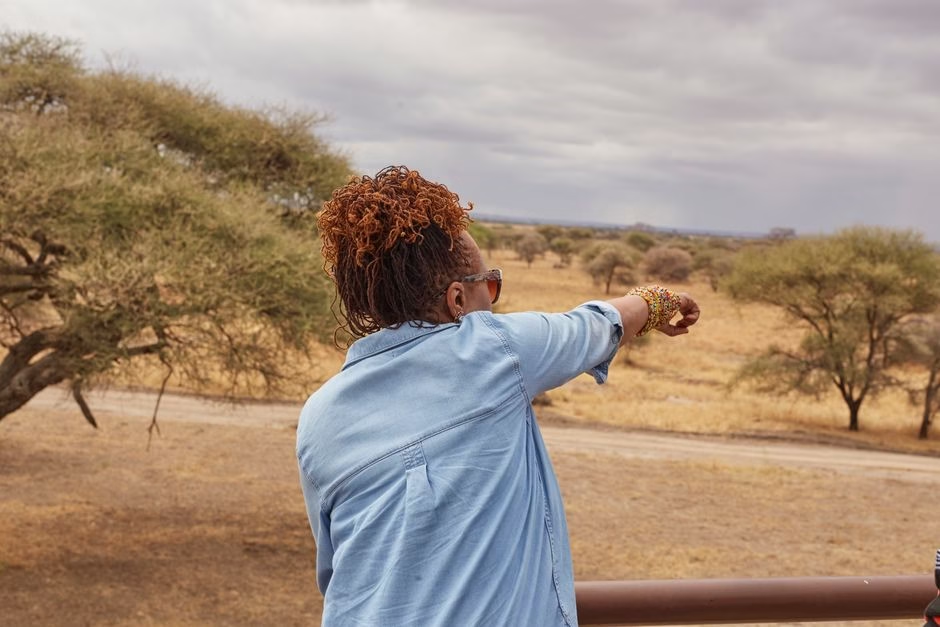
Understanding Africa Before You Go
Before deciding where to visit, it helps to appreciate the continent’s diversity. Africa is not a single destination but a collection of 54 countries, each with unique landscapes, histories, and identities.
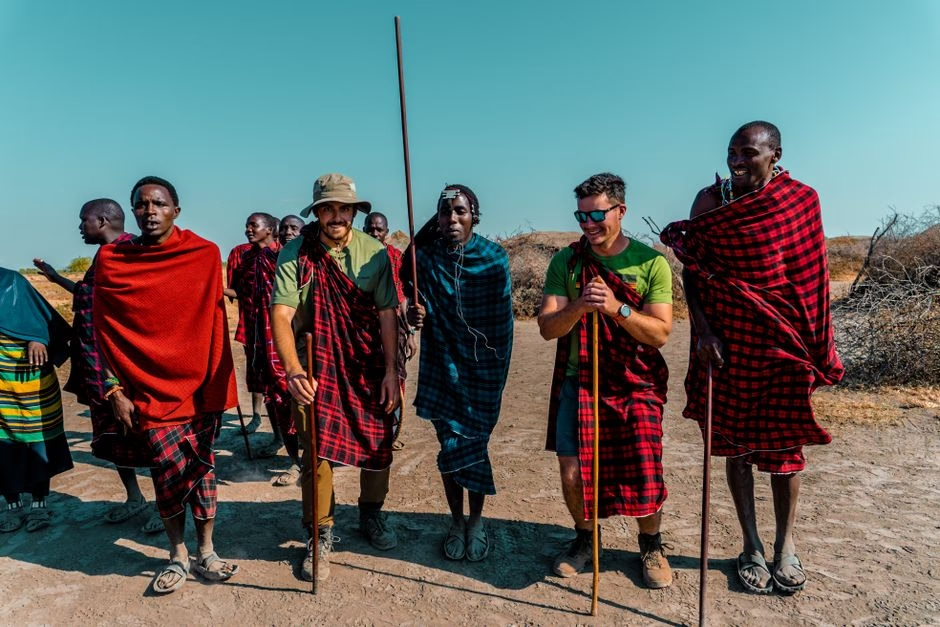
From the bustling markets of Marrakech to the vineyards of South Africa, the pyramids of Egypt, and the crystal lakes of Malawi, every region tells its own story. Northern Africa feels like a bridge between Europe and the Middle East, East Africa is famous for world class safaris, Central Africa bursts with untamed jungle scenery, West Africa offers vibrant heritage and music, and Southern Africa blends dramatic wilderness with cosmopolitan ease.
Choosing Your Region
For a first time traveler, three regions are particularly accessible and rewarding:
- Southern Africa – Including South Africa, Botswana, Namibia, and Zimbabwe. This region is ideal for safari beginners and first time adventurers due to reliable infrastructure and well developed tourism. Cape Town, Kruger National Park, Victoria Falls, and the Namib Desert are excellent starting points.
- East Africa – Kenya and Tanzania are world famous for wildlife and great migration safaris. For culture and coastline, Zanzibar and the Kenyan coast offer pristine beaches. Uganda and Rwanda add the unforgettable experience of gorilla trekking.
- Northern Africa – For those interested in history and desert landscapes, Morocco, Egypt, and Tunisia present ancient wonders, vibrant souks, and plenty of Mediterranean charm.
Start with a region that aligns with your interests, travel style, and comfort level. Africa is vast enough that even repeat travelers constantly discover new horizons.
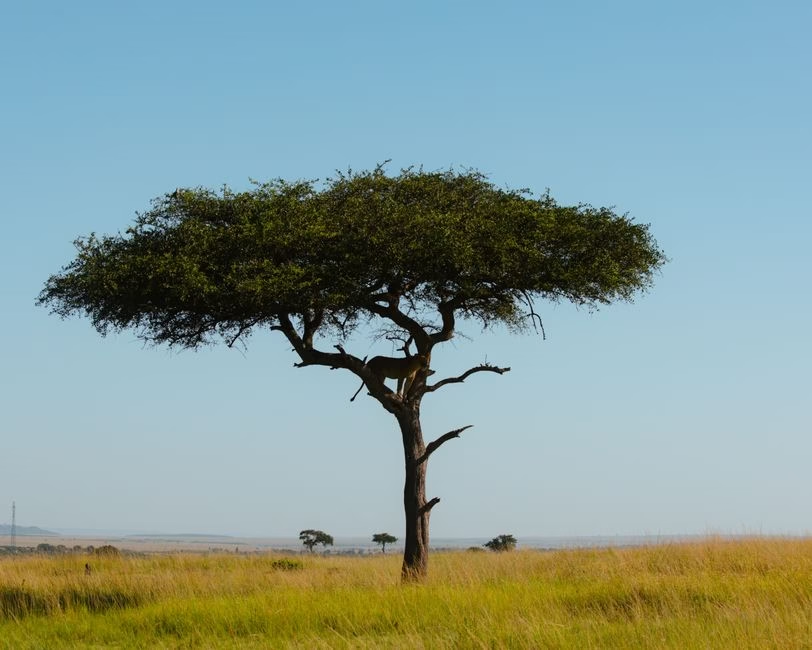
Planning the Trip and Understanding Logistics
When to Go
Africa’s size means climates vary widely, so the best time to travel depends on your destination. Generally, the dry season is best for safaris, since animals gather around water sources and are easier to spot.
- East and Southern Africa: June to October delivers clear skies and great wildlife viewing.
- Northern Africa: October to April is cooler and more comfortable for desert travel.
- West Africa: November to February offers pleasant weather for cities and beaches.
Avoid overly rigid plans and allow buffer days to adapt to local transport schedules and weather changes.
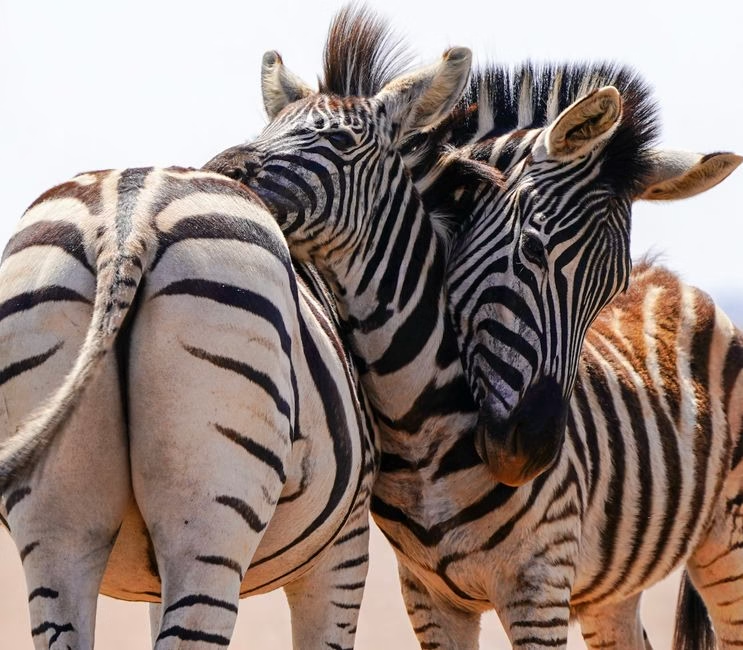
Budget and Accommodation
Africa offers everything from luxury lodges to backpacker hostels. You will find sophisticated safari lodges in Botswana or private villa stays in Mauritius, while more affordable options abound in Kenya, Tanzania, and South Africa.
Budget travelers can combine camping or guesthouses with short luxury splurges such as a guided game drive or an authentic dining experience. Always book accommodations that participate in community tourism initiatives to help support local employment and conservation.
Getting Around
Transportation in Africa varies widely. South Africa and Namibia are suitable for self driving with proper preparation and documentation. In other regions, it is often best to hire experienced local guides or join organized tours, especially when venturing into national parks.
Domestic flights are common on long routes, particularly when connecting city hubs like Johannesburg or Nairobi to far flung safari reserves. Within cities, registered taxis or transportation apps are the safest choice.
Experiencing Africa’s Landscape and Wildlife
Africa’s wildlife is one of its biggest draws, and safaris are often the highlight of a first visit.
The Safari Experience
A safari is far more than just watching animals. It is a deep connection to the land, its rhythms, and its silence. Morning and evening game drives reveal Africa’s famous Big Five: lions, elephants, leopards, rhinos, and buffalo. Yet many travelers find the smaller moments equally moving, the call of fish eagles, the subtle colors of the savanna at dawn, or the joy of watching giraffes stride across the plains.
For first time visitors:
- Start with a guided safari conducted by trained rangers in established parks such as the Maasai Mara in Kenya or Kruger in South Africa.
- Travel light but prepared. Bring neutral colored clothing, a wide brim hat, sunscreen, and a good pair of binoculars.
- Respect distance and local rules. Wildlife should never be disturbed or fed under any circumstance.
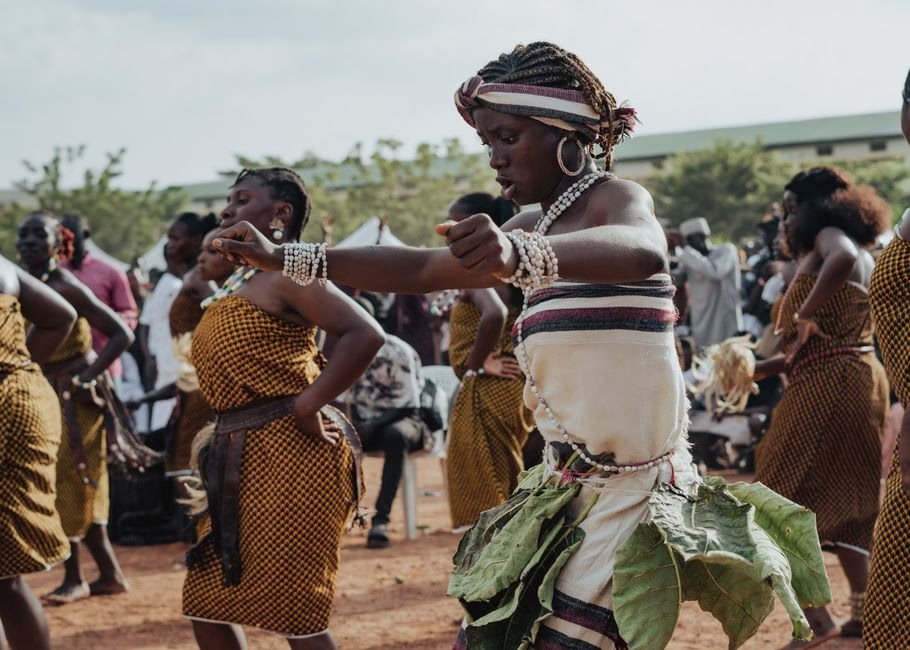
Beyond the Safari
Africa’s natural diversity extends far beyond the savanna. You can hike the snow capped peaks of Mount Kilimanjaro, sail across Lake Malawi, dive with whale sharks off Mozambique, or explore the dramatic Namibian dunes. Whether you love photography, adventure sports, or simply peaceful landscapes, Africa offers experiences to match every traveler’s passion.
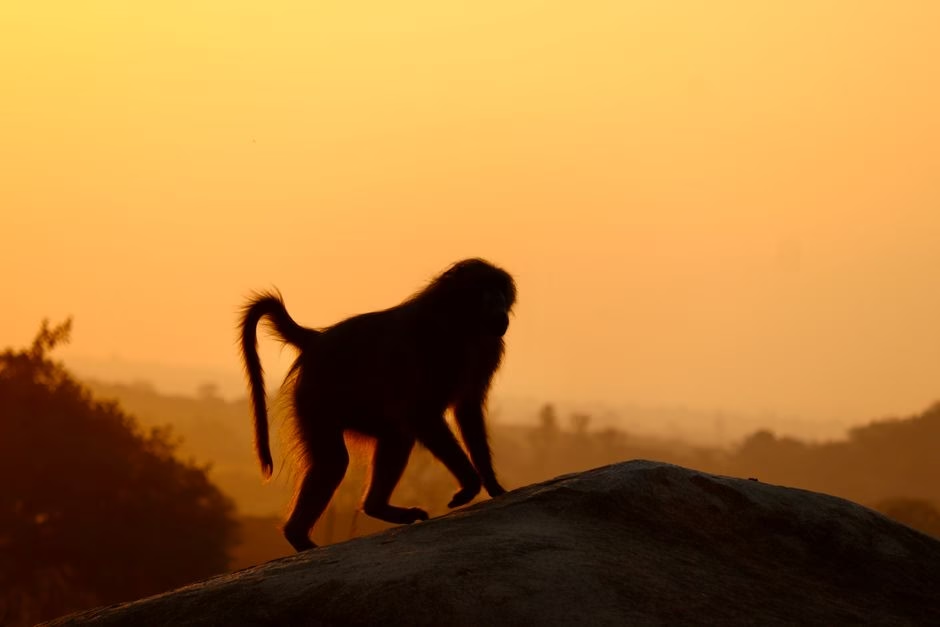
Discovering Culture and People
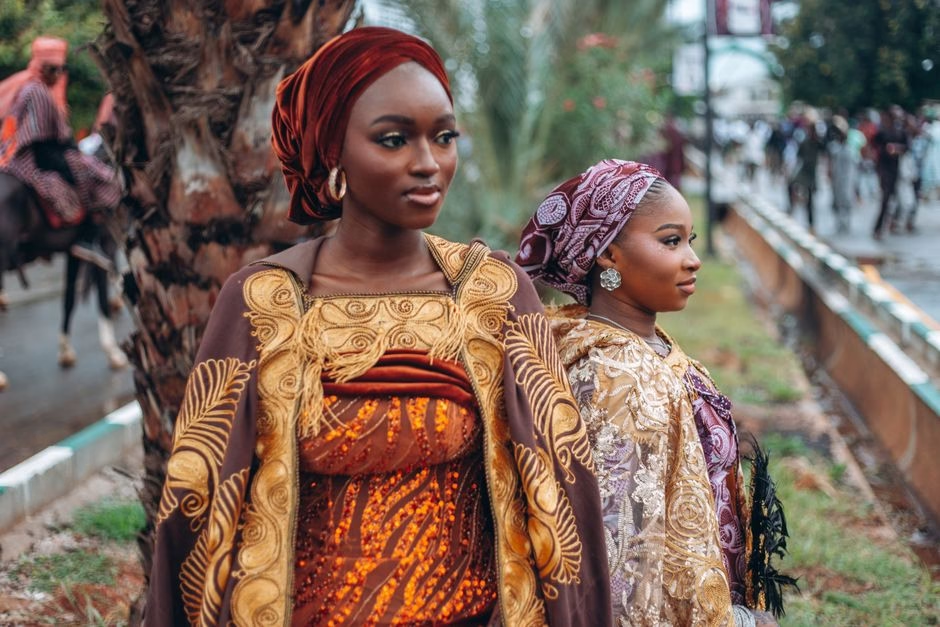
Africa’s cultural richness is as captivating as its scenery. Traditions, languages, and artistic expression vary dramatically across the continent, making cultural encounters one of the most rewarding parts of travel.
Local Life and Traditions
Markets are perfect places to experience everyday life. Browse colorful crafts in Ghana’s Accra markets, inhale the aromas of spices in Zanzibar’s Stone Town, or explore the ancient medinas of Fez. Each encounter tells a story about community, creativity, and resilience.
Many travelers choose to stay in community run lodges or participate in village visits guided by local hosts. This not only provides genuine interaction but ensures that tourism benefits local families directly. Always ask permission before taking photographs, and approach every interaction with curiosity and respect.
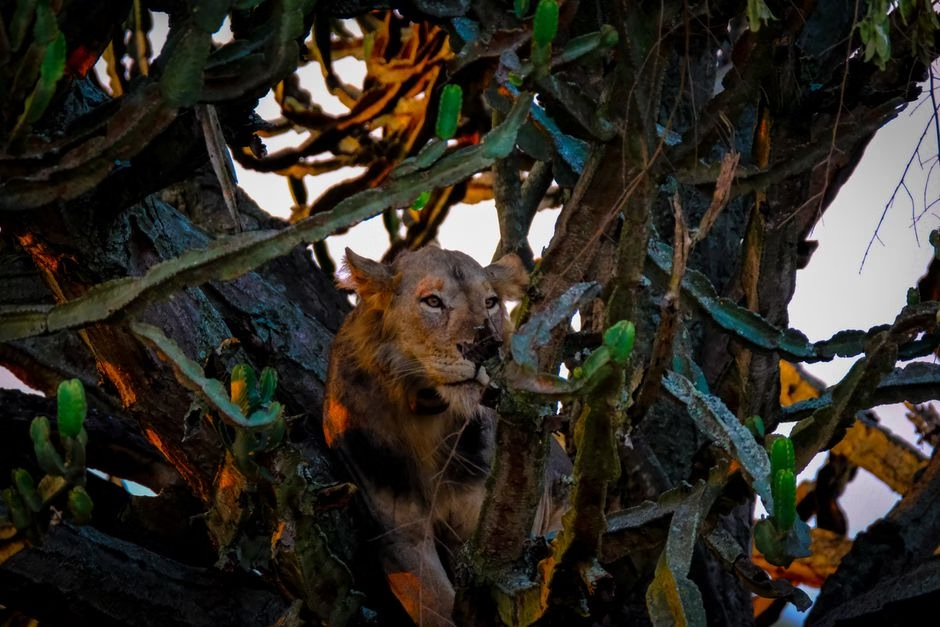
African Cuisine
Food is another gateway to understanding Africa. Sample injera and spicy stews in Ethiopia, tagines in Morocco, bunny chow in South Africa, or fresh seafood in Mozambique. Street food is often a great introduction to local flavor, but always choose stalls with a high turnover of customers to ensure freshness. Dining in African restaurants often feels communal and celebratory, a reflection of the strong sense of hospitality across the continent.
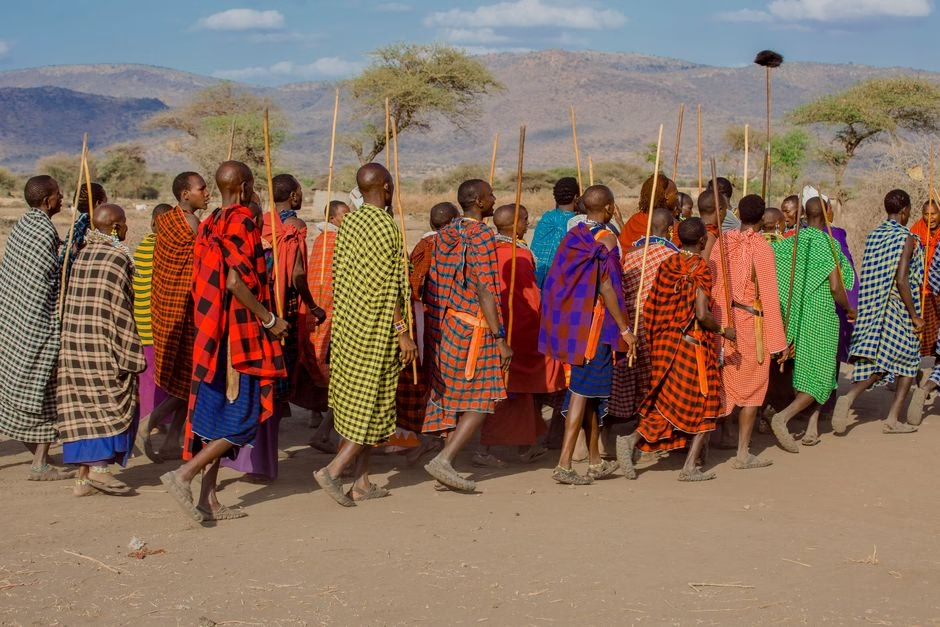
Staying Safe and Traveling Responsibly
For first time visitors, travel safety is about being informed rather than fearful. Africa welcomes millions of travelers every year, and most enjoy safe, trouble free trips.
- Health preparation: Visit a travel clinic before departure. Some regions require vaccinations such as yellow fever or recommend malaria prevention tablets. Carry mosquito repellent and stick to bottled or filtered water.
- Money management: Use ATMs in secure locations or bring some US dollars or euros for exchange. Credit cards are accepted in cities but may not work in remote areas.
- Respect social norms: Dress modestly in conservative regions, especially around religious sites. Always ask before photographing people or property.
Responsible travel also includes environmental awareness. Choose eco certified lodges, minimize plastic use, and follow all park guidelines. Every mindful choice contributes to preserving Africa’s heritage for future generations.
Conclusion
Traveling in Africa for the first time is an experience that reshapes how you see the world. It invites you to connect with powerful landscapes, remarkable wildlife, and cultures that embody resilience, grace, and warmth. While the continent may appear vast and complex, preparation transforms uncertainty into excitement.
This guide gives you a foundation to begin. Whether you start with a classic safari, the ancient wonders of Egypt, or the colorful souks of Morocco, Africa promises rewards far beyond your expectations. Approach each journey with openness and respect, and you will carry a deeper appreciation for both the continent and the wider world.
Further Reading
3 Day Istanbul Itinerary for First Time Visitors
Travel to Somalia; How I Traveled to Mogadishu
Free Family Things to do in Chicago Today
How to Spend Four Days in Hong Kong