Chefchaouen Travel Guide Blue City
Introduction
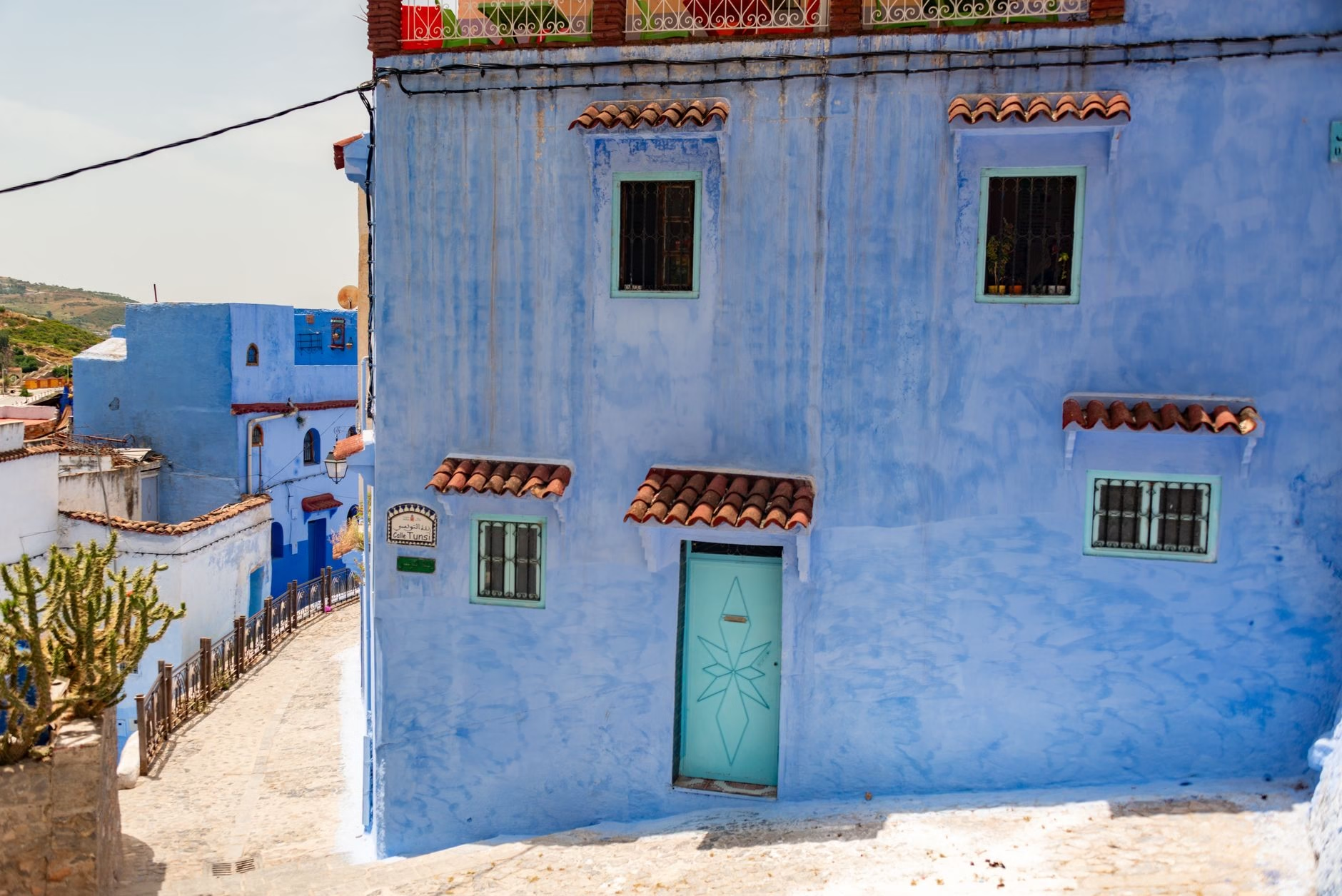
Tucked into the rugged Rif Mountains of northern Morocco lies Chefchaouen, the mesmerizing Blue City that feels like a dream painted in shades of serenity. Every alleyway glows with bluewashed walls, and every turn reveals a burst of color from hanging flower pots or vibrant textiles. Travelers often describe their first glimpse of Chefchaouen as stepping into a watercolor painting come to life. This enchanting town is more than just a photogenic wonder; it is a place filled with sensory charm, cultural texture, and an unhurried rhythm that invites visitors to linger.
In this detailed travel guide, you will discover everything you need to plan an unforgettable trip to Chefchaouen — from the best ways to get there and where to stay, to how to explore its hidden corners, local cuisine, and authentic cultural encounters. By the end, you will have a complete understanding of what makes this blue oasis one of Morocco’s most captivating destinations.
The Story Behind the Blue Walls
The first question most travelers ask when they see Chefchaouen is simple: Why blue? The origins of the town’s color palette are layered in legend, history, and symbolism.
Many locals say the color was introduced by Jewish refugees who settled here in the 15th century and painted their homes blue as a symbol of peace, heaven, and spirituality. Others associate it with the desire to keep mosquitoes away, as blue is said to repel them.
Regardless of the reason, the effect is undeniable. The blue walls create an atmosphere of calm, reflecting light beautifully and making even the simplest alleyways appear ethereal. The various shades range from soft powder blue to deep indigo, and the hue shifts subtly throughout the day as sunlight moves across the town’s narrow lanes. For photographers, it is a paradise where every door, window, and staircase offers a new perspective.
Getting to Chefchaouen
Chefchaouen is remote enough to feel secluded but well connected enough to reach conveniently from major Moroccan cities.
- From Tangier: The most common route. The journey takes about three hours by private car or around four hours by bus. The winding mountain road offers scenic views, with stops possible at small villages or viewpoints along the way.
- From Fez: The drive takes around four and a half hours. You can hire a private driver or take a shared taxi if you prefer flexibility.
- From Casablanca or Rabat: These are longer trips, roughly six to seven hours by car, making an overnight stop in Fez or Tangier a good idea for a more relaxed experience.
Public transport in Morocco is reliable, but if you want to explore at your own pace and stop for photos or roadside tea stalls, renting a car gives you more freedom. Keep in mind that Chefchaouen’s streets are steep and narrow, so you will need to park on the outskirts of the medina and walk in.
Exploring the Blue Medina
The heart of Chefchaouen is its compact and easily walkable medina. Unlike the bustling medinas of Marrakech or Fez, Chefchaouen’s old town is calm and inviting. You can wander for hours without feeling rushed or overwhelmed.
Key areas to explore inside the medina
-
Outa el Hammam Square
This central plaza is the hub of daily life. It is filled with cafes that serve mint tea and tagines, and you will often see street musicians or families enjoying the afternoon sun. The square is dominated by the Kasbah, a restored 15th century fortress that now houses a small museum and art gallery. Climb the Kasbah’s tower for a panoramic view of the blue rooftops and encircling mountains. -
The Spanish Mosque
A short hike from the medina, this mosque was built by the Spanish in the 1920s and offers what is perhaps the best viewpoint in all of Chefchaouen. Go in the late afternoon to witness the sunset painting the town in warm golden tones against the cool blue buildings. The walk takes about 30 to 40 minutes and is worth every step. -
Local Artisan Shops
Chefchaouen is known for wool garments, woven blankets, and handmade leather goods. Prices here are usually lower than in Marrakech or Fez, and shopkeepers are friendly if you take time to chat. Bargaining is part of the culture but always do so respectfully.
Local Cuisine and Culinary Experiences
Food in Chefchaouen is warm, aromatic, and authentically Moroccan, yet there is an intimate, homemade quality to it thanks to the town’s small size and family-run restaurants.
Local dishes worth trying
- Tagine: Whether made with chicken and preserved lemons or slow-cooked lamb with prunes, tagines here are hearty and flavorful, often served in thick clay pots straight from the fire.
- Couscous Fridays: Traditional and communal, couscous is usually enjoyed at the Friday midday meal. If you are visiting on a Friday, ask around for local restaurants offering it fresh.
- Goat Cheese: Chefchaouen is surrounded by pastoral countryside, and local goat cheese is one of the town’s specialties. It is creamy, mild, and often found on breakfast tables with honey or olives.
- Mint Tea: Served everywhere, the ritual of Moroccan tea reflects hospitality. Watch how your host pours it from a height, creating a layer of foam on top of the glass.
If you want an immersive experience, consider joining a local cooking class. Many riads and guesthouses offer half day lessons where you visit a market, buy ingredients, and prepare your own meal with help from a local cook.
Where to Stay
The accommodation in Chefchaouen adds to the town’s charm. Riads and boutique guesthouses are built in traditional Andalusian style, with tiled courtyards and rooftop terraces overlooking the blue rooftops.
- Luxury Riads: Some offer upscale comfort with modern touches while preserving Moroccan details such as carved woodwork and mosaic tiles. These properties often have rooftop restaurants where you can dine under the stars.
- Midrange Guesthouses: Many include breakfast and have friendly owners who can help arrange hiking trips or bus tickets. Staying in the medina lets you enjoy quiet mornings before the day’s visitors arrive.
- Budget Hostels: Perfect for backpackers, these options often feature shared lounges and terraces ideal for meeting fellow travelers.
Because Chefchaouen is small, availability can be limited during the high season from March to May and again in September and October, so booking ahead is recommended.
Day Trips and Nature Adventures
Beyond its painted streets, Chefchaouen is surrounded by the untamed beauty of the Rif Mountains. Travelers seeking nature, hiking, or rural encounters will find many rewarding options nearby.
Popular excursions
- Akchour Waterfalls: About 45 minutes by car from the town, this area offers trails through lush valleys leading to dramatic waterfalls. The walk is shaded and refreshing, with small riverside cafes where you can rest and drink tea. Go early in the morning to avoid the crowds.
- Talassemtane National Park: A vast protected area with hiking routes, cedar forests, and panoramic mountain views. You can hire a local guide for full day treks or shorter walks starting from villages near Chefchaouen.
- Ras El Maa Spring: Located at the edge of the medina, this natural spring is a popular spot for locals doing laundry or relaxing near the cascading water. It is a gentle reminder of everyday life in the Blue City.
These journeys offer balance to the urban beauty of Chefchaouen, giving visitors the opportunity to enjoy both cultural discovery and natural tranquility.
Practical Tips for Visiting Chefchaouen
- Best Time to Visit: Spring and autumn are ideal, with pleasant temperatures and clear skies. Summer can be quite hot, while winter evenings are cool but not uncomfortable.
- Currency and Payment: The local currency is the Moroccan dirham. Cash is preferred, and there are several ATMs near the main square.
- Language: Arabic and Berber are widely spoken, but many locals also speak Spanish and some French due to historical influences.
- Cultural Etiquette: Dress modestly, especially in rural areas. Always ask before taking photos of people. Greet shopkeepers and residents with respect; simple politeness goes a long way here.
- Photography: To capture Chefchaouen at its quietest and most luminous, explore early in the morning when light is soft and streets are calm.
Conclusion
Chefchaouen is a place that lingers in memory long after you leave. Its bluewashed walls are not merely a backdrop for photos but a reflection of a slower, gentler way of life that invites travelers to pause and truly absorb their surroundings. Whether you are enjoying mint tea in the central square, wandering along cobbled streets bathed in soft blue light, or hiking to a mountain viewpoint above the medina, Chefchaouen offers the rare gift of tranquility.
This Blue City is an invitation to step away from routine, to breathe deeply, and to see the world through a calmer lens. Visit once, and it may just call you back again and again.
Further Reading
3 Day Istanbul Itinerary for First Time Visitors
Travel to Somalia; How I Traveled to Mogadishu
Free Family Things to do in Chicago Today
[How to Spend Four Days in Hong