Africa is vast, diverse, and endlessly fascinating. Stretching from the Mediterranean coastline to the forests of Central Africa and the savannas of the south, it offers journeys unlike anywhere else in the world. Yet traveling across this continent can feel daunting for first-time visitors. With varying infrastructure, transportation choices, and local customs, getting around requires both curiosity and preparation.
- Research region-specific conditions: seasons, road quality, safety, and visa rules to plan routes and choose transport accordingly.
- Match mode to journey: use buses and shared taxis for short routes, trains for scenic intercity trips, and flights for long distances.
- Rent a vehicle for independence in well-maintained regions; choose 4x4 and solid insurance for remote or rainy season travel.
- Prioritize safety and convenience: carry travel insurance, cash, local SIM, check ferry schedules, and use ride apps where available.
This guide explores the most practical, scenic, and reliable ways to travel across Africa. From buses and trains to modern airlines and regional ferries, it unveils how to move between cities and countries efficiently while experiencing the pulse of everyday African life. Whether you are planning a multi-country overland trip or a regional holiday, this transportation guide will help you navigate Africa with confidence, comfort, and insight.

Understanding Africa’s Transportation Landscape
Africa is not one single travel experience; it is a mosaic of regions with unique geography, infrastructure, and travel culture. The transport systems vary greatly from place to place, reflecting the diversity and economic development of each country.
In the north, countries like Morocco, Egypt, and Tunisia feature established rail networks and affordable intercity roads that connect urban centers efficiently. East Africa, spanning Kenya, Tanzania, and Ethiopia, offers a fascinating blend of old and new—buses remain the most common mode of travel, while new trains and international airports are modernizing connections. Southern Africa stands out with some of the continent’s most reliable roads, organized car rental services, and well-connected flight routes. In contrast, parts of West and Central Africa remain less formal, where shared taxis, minibuses, and local airlines play a dominant role in mobility.
When planning your trip, it is important to research the specific region you are visiting. Factors such as rainy seasons, road quality, local safety conditions, and visa requirements can all influence how you travel. Understanding these nuances ensures smoother, safer, and more rewarding journeys.
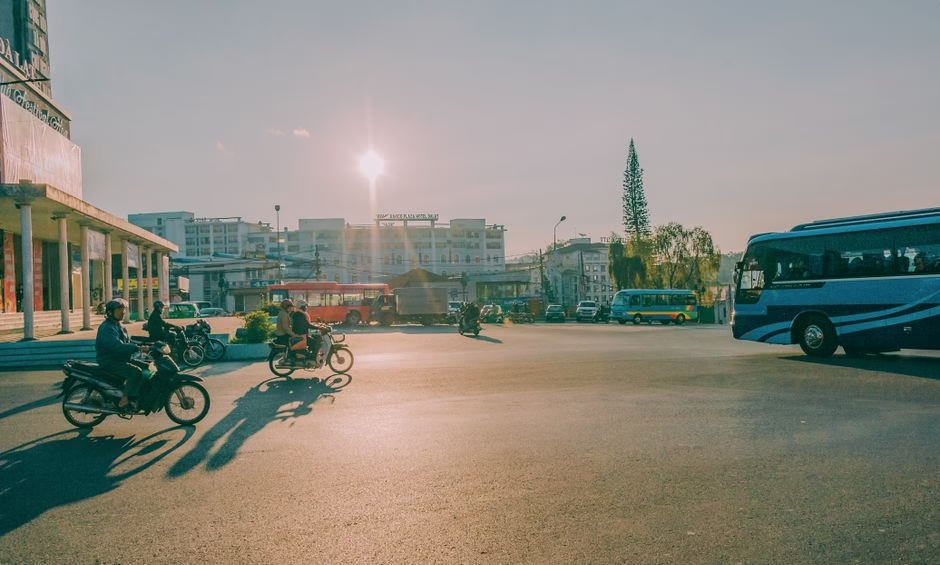
Traveling by Road: Buses, Shared Taxis, and Car Rentals
Intercity Buses
Buses are one of the most accessible ways to travel between cities and across borders in Africa. They vary widely in comfort and reliability, but they are an authentic way to experience local life while keeping travel costs manageable.
In countries such as South Africa, Namibia, Kenya, and Morocco, reputable long-distance companies like Intercape, Modern Coast, and Supratours operate comfortable air-conditioned coaches that connect major cities and sometimes cross borders. Tickets can often be purchased online or at bus offices, while departures typically happen early in the morning.
For those who prefer more local experiences, minibus taxis or “matatus” in East Africa, “tro tros” in Ghana, and “bush taxis” in francophone countries are staples of daily travel. While these are inexpensive and widely available, they tend to leave only when full and may require flexibility and patience. They also offer priceless insight into local rhythms and small-town life.

Renting a Car
For travelers seeking independence, renting a car offers unmatched flexibility. Southern Africa, in particular, has well-maintained roads and a strong driving culture that makes self-drive trips highly rewarding. National parks in Botswana, Namibia, and South Africa are best explored by car, allowing you to travel at your own pace, stop for wildlife sightings, and reach areas most tourists never visit.
Before renting, be sure to understand the local driving rules and road signage. Opt for a reputable rental company with transparent insurance policies. In rural or remote regions, a four-wheel-drive vehicle is often necessary, especially during rainy seasons when dirt roads can quickly become challenging.

Flying Across the Continent
Given the continent’s size, domestic and regional flights can save significant time. Overland travel between countries can be slow, and flights make it possible to cover major distances quickly.
Africa’s aviation industry has evolved considerably over the past decade. Ethiopian Airlines, Kenya Airways, and South African Airways operate extensive route networks connecting key destinations across Africa and beyond. Smaller airlines such as Air Cote d’Ivoire, Airlink, and Air Tanzania also provide reliable regional options.
When flying, plan ahead and check visa and transit policies carefully, as some airports handle international connections more efficiently than others. Many countries now offer electronic visa applications, making multi-stop itineraries simpler than before.
For budget travelers, several low-cost carriers such as FlySafair in South Africa and Jambojet in Kenya offer affordable domestic routes without compromising safety. Always book directly with the airline or trusted online travel platforms to avoid scams.

Exploring by Train
While Africa is not traditionally known for train travel, rail systems are reemerging as convenient and scenic options in several regions.
Morocco boasts one of the most modern rail networks in Africa, with its high-speed train linking Tangier to Casablanca in just a few hours. Egypt’s trains remain the backbone of travel between Cairo, Luxor, and Aswan, offering a comfortable and nostalgic way to cross the Nile Valley. In East Africa, Tanzania’s newly modernized Standard Gauge Railway connects Dar es Salaam with Morogoro and Dodoma, while Kenya’s Madaraka Express links Nairobi and Mombasa efficiently and affordably.
Train travel can be slower than flights, but it allows travelers to enjoy the landscape in full detail and provides a more relaxed, immersive experience. For long distances, always book premium class tickets to ensure air conditioning and reserved seating. Train journeys are ideal for travelers who prefer comfort, scenery, and slower-paced exploration.

Sea and River Transport
Along Africa’s coastal and inland water networks, ferries offer unique travel possibilities.
In East Africa, ferries connect the Tanzanian mainland with Zanzibar, offering an efficient and picturesque transfer across the Indian Ocean. The crossing takes around two hours and provides mesmerizing views of the turquoise water. Lake Victoria, shared by Uganda, Kenya, and Tanzania, also has reliable ferry connections that link towns and islands.
West Africa’s coastal routes, though less developed, include occasional ferries between Senegal and the Cape Verde Islands, while in Southern Africa, river cruises along the Zambezi and Chobe Rivers blend transportation with leisure and wildlife viewing.
When using ferries, it is important to check schedules in advance, as departures can be affected by weather or maintenance. Always confirm safety standards and choose established operators.

Navigating Local Transport Within Cities
Once you arrive in African cities, local movement opens another dimension of discovery. Most large urban centers have a mix of modern and informal options.
Cities such as Cape Town, Nairobi, and Lagos are increasingly deploying app-based taxi services that make moving around easier and safer. Ride-hailing apps like Bolt and Uber operate in many cities, providing transparent pricing and convenience.
Public buses, minibuses, and shared taxis continue to be the backbone of urban transport. While they may appear chaotic at first, they offer an affordable and authentic look into daily city life. In North African cities like Cairo and Tunis, metropolitan tram or light rail systems also provide efficient urban travel.
When traveling within cities, avoid traveling at night in unfamiliar areas and keep a copy of your hotel address written clearly in the local language, as not all drivers speak fluent English or French.

Practical Tips for Getting Around Safely and Efficiently
- Research ahead of time: Before moving to a new region, confirm current travel advisories, weather conditions, and road quality.
- Travel insurance: Always carry comprehensive travel insurance that covers medical evacuation and trip delays.
- Cash and local SIM cards: Public transport operators often prefer cash payments. Buying a local SIM card allows you to contact drivers, access map services, and stay connected.
- Pack for comfort: Long road trips can be tiring. Carry water, snacks, and light wraps for fluctuating temperatures.
- Respect local customs: When traveling in shared transport, be mindful of space and etiquette, as courtesy is highly valued across most African communities.

Conclusion: Traveling the Heart of Africa
Transportation in Africa is as varied and captivating as the landscapes it connects. Whether you are weaving through Morocco’s train corridors, driving across Botswana’s open highways, or gliding across Tanzania’s coast, each journey tells a story of resilience, culture, and discovery. With proper planning, flexibility, and an open spirit, you can travel across Africa with ease and appreciation, turning every transfer into part of your adventure.
Exploring the continent by road, rail, air, and sea is not just about moving from one destination to another—it is a way to experience Africa’s heartbeat, its people, and its unfiltered beauty up close.
Further Reading
3 Day Istanbul Itinerary for First Time Visitors
Travel to Somalia; How I Traveled to Mogadishu
Free Family Things to do in Chicago Today
How to Spend Four Days in Hong Kong