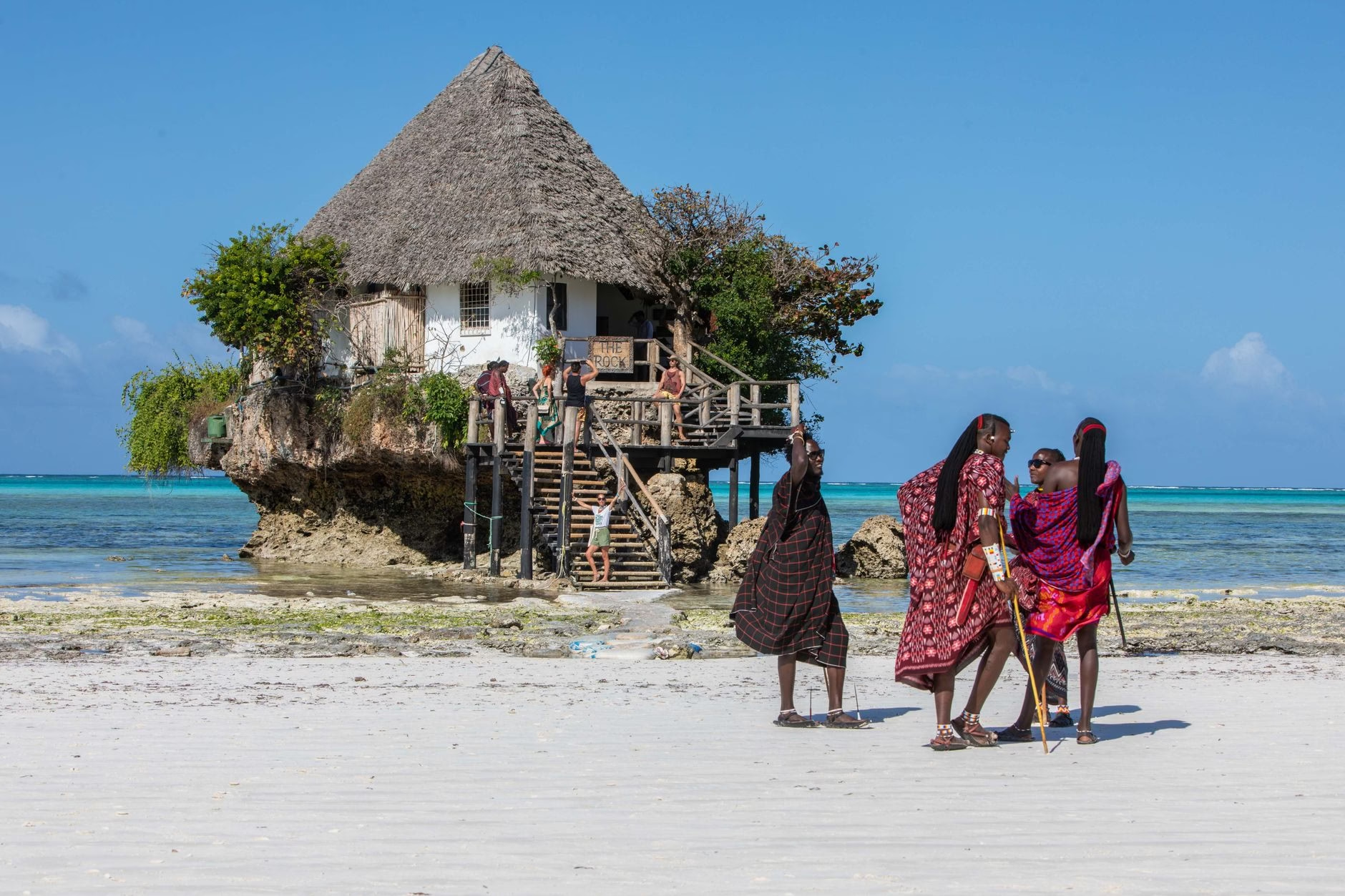

Introduction: Understanding Safety Before the Adventure
East Africa is a region of extraordinary beauty, diversity, and cultural depth. From the rolling savannas of Kenya’s Maasai Mara to the tranquil beaches of Zanzibar and the misty mountains of Uganda, each country offers something uniquely unforgettable. Yet, as with any global destination, a truly enriching experience comes from traveling smartly and safely.
This guide offers detailed, practical, and trustworthy safety tips for exploring East Africa. Whether you are preparing for a safari, visiting a local market, or traveling between cities, these insights will help you navigate local realities with confidence. By understanding the essential aspects of transport, health, security, and cultural awareness, you can plan a trip that is both safe and deeply rewarding.
1. Research and Preparation Before You Go
Preparation is the foundation of safe travel in East Africa. Before you set foot on the ground, take the time to understand your destinations, entry requirements, and local conditions.
Gather reliable information
Each country in East Africa has its own regulations and regional variations. Check official travel advisories, local news, and recent traveler experiences to understand the current environment. Pay special attention to border areas, remote national parks, or regions that may have limited infrastructure.
Plan documentation and insurance carefully
Always carry photocopies of your passport, visa, and travel insurance policy separately from the originals. Comprehensive travel insurance should cover medical evacuation, theft, and trip cancellations. Medical evacuation is particularly important for safari travelers or those venturing off the main tourist routes.
Understand local customs and laws
In East Africa, cultural respect goes hand in hand with safety. Dress modestly, especially in predominantly Muslim regions such as Zanzibar or coastal Kenya. Be mindful when photographing people, religious buildings, or security installations. A simple greeting and polite request can go a long way in earning goodwill and avoiding misunderstandings.
2. Staying Safe in Cities and Towns
Urban centers like Nairobi, Kampala, and Dar es Salaam are vibrant and bustling, but they also require a measure of caution. The key is staying alert without being anxious.
Choose accommodation wisely
Opt for hotels or guesthouses that have strong reputations for safety, ideally in well lit neighborhoods. Modern hotels often provide secure transport or can arrange trusted taxi services.
Avoid displaying valuables
Keep money, phones, and cameras out of sight when walking in busy areas. Petty theft can occur in crowded places like markets or bus stations, so carry small amounts of cash and use a money belt or hidden pouch if possible.
Transport safety awareness
Use reputable taxi apps or official taxi ranks, particularly at night. If you take motorbike taxis or boda bodas, insist on a helmet and agree on the fare in advance. Avoid unmarked cars or offers from strangers.
3. Health and Hygiene Essentials
East Africa’s climate, wildlife, and regional conditions make it important to think carefully about health safety.
Vaccinations and medical precautions
Consult a travel clinic several weeks before your trip. Essential vaccinations may include yellow fever, typhoid, and hepatitis. Malaria prophylaxis is strongly recommended, especially in rural and coastal regions. Carry mosquito repellent with DEET and consider sleeping under treated nets in areas where malaria risk is high.
Drinking water and food safety
Tap water is generally not recommended in most parts of East Africa. Use bottled or filtered water and ensure the seal is intact before opening. Eat freshly cooked meals and avoid raw vegetables that may have been washed with untreated water. Be extra cautious with street food; while often delicious, it is best chosen from busy stalls where food is cooked in front of you.
Emergency medical care
Access to high quality hospitals can vary. In large cities, there are modern clinics, but in smaller towns, facilities may be limited. Note the contact details of your embassy and the nearest recommended hospitals in advance.
4. Safe Travel in the Wild
For many, the highlight of East Africa is its wildlife and natural landscapes. From gorilla trekking in Uganda to balloon safaris in Kenya, these adventures can be transformative when managed responsibly.
Respect wildlife rules
Never leave your vehicle during game drives unless specifically allowed by your guide. Keep a safe distance from animals, even when they appear calm. Remember that these are wild creatures and unpredictable behavior can occur at any time.
Use certified tour operators
Choose safari companies accredited by official tour bodies or with strong reviews. Accredited operators prioritize safety training and proper vehicle maintenance. A knowledgeable guide also enhances both safety and the quality of the experience through their deep understanding of animal behavior and park protocols.
Prepare for outdoor conditions
Carry a first aid kit, sufficient water, sunscreen, and insect repellent. Early morning and evening game drives can become surprisingly cold, so dress in light layers and wear neutral colors that blend with the environment.
5. Communication and Connectivity
Staying connected not only helps you share your experiences but also enhances safety.
Use local SIM cards
Buying a local SIM card is inexpensive and provides reliable access to maps, translation tools, and local emergency contacts. Mobile networks in countries like Kenya and Tanzania are extensive, even in remote areas.
Stay in touch with family or friends
Share your itinerary and check in periodically. Even short text messages can provide reassurance if you are traveling in rural settings with limited connectivity.
Know who to contact in emergencies
Learn the local emergency numbers and keep them written down as well as saved on your phone. Having your accommodation’s contact information easily accessible can help in unexpected circumstances.
6. Respecting Cultures and Building Trust
Safety is often linked to how well travelers connect with local communities. A respectful traveler not only has a smoother trip but also experiences the region more deeply.
Be curious but sensitive. Ask questions, listen, and engage with people authentically. Taking the time to understand local customs—such as greetings, meal etiquette, and social norms—builds mutual respect. In conservative areas, modest conduct and clothing are signs of appreciation for local culture.
Learning a few words of Swahili or the local language makes a significant difference. Even simple phrases like “thank you” or “how are you” can open doors and reduce the risk of misunderstandings.
Conclusion: Experience East Africa Confidently and Responsibly
Traveling in East Africa is one of the most rewarding adventures in the world, offering a blend of nature, heritage, and extraordinary hospitality. By preparing carefully, exercising awareness, and respecting local cultures, you give yourself the freedom to fully enjoy each experience without unnecessary worry.
Safety is not about fear, but about empowerment. The more informed you are, the more confidently you can explore the beauty of East Africa—its people, landscapes, and wildlife—with a sense of assurance and respect.
Enjoy the journey, stay alert, and embrace the opportunity to connect with a region that can touch your heart in unforgettable ways.
Further Reading
3 Day Istanbul Itinerary for First Time Visitors
Travel to Somalia; How I Traveled to Mogadishu
Free Family Things to do in Chicago Today
How to Spend Four Days in Hong Kong