Introduction: Why Bulgaria Deserves a Spot on Your Travel List
Bulgaria may not always be the first country that comes to mind when planning a European adventure, but those who go discover an authentic and diverse destination rich in character. Nestled in the heart of the Balkans and bordered by the Black Sea, Bulgaria combines striking natural beauty with a deep heritage dating back thousands of years. Here, you can stroll through Roman ruins, soak in mineral springs, hike alpine peaks, and relax on a sunny coastline — all within a single trip.
This guide is written for first time visitors who want a clear, insightful introduction to Bulgaria. You will learn what makes each region unique, how to plan your itinerary, what practical things to know before you travel, and how to make the most of your time in this remarkable yet often underappreciated country.
Understanding Bulgaria: A Country of Rich Contrasts
Bulgaria’s charm lies in its contrasts. It is a land where ancient Thracian legends meet contemporary creativity, where rose fields neighbor ski resorts, and where the Orthodox chant drifts from centuries old monasteries while the buzz of modern cities hums just a short drive away.
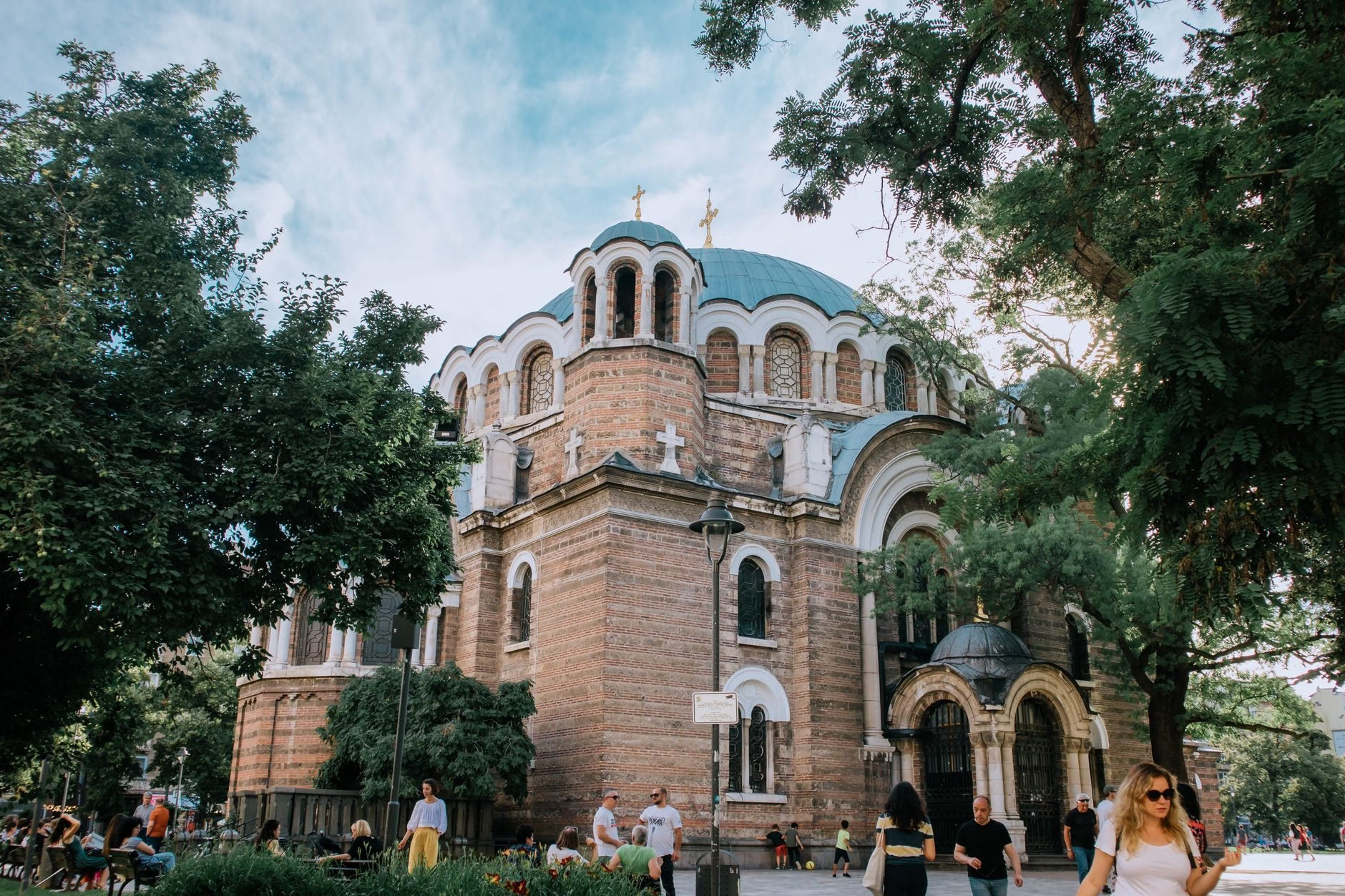
The capital, Sofia, offers a fascinating snapshot of the nation’s layered history. In one walkable area, you can see the golden domes of Alexander Nevsky Cathedral, Roman ruins beneath the streets, and vibrant cafes filled with young, creative energy. The countryside tells a different story — one of serenity, authenticity, and tradition preserved in small mountain and village communities.
Bulgaria is divided into distinct regions, each with its own character:
- Southwest Bulgaria is home to Sofia and the Rila Mountains, perfect for hikers and adventure seekers.
- Central Bulgaria is dotted with historical towns like Plovdiv and Veliko Tarnovo, both filled with cobblestone streets, colorful architecture, and a strong sense of history.
- The Black Sea Coast attracts summer travelers seeking seaside relaxation, charming fishing villages, and lively resorts.
Understanding these contrasts is the first step in designing a trip that reflects your travel style.
Top Destinations You Should Not Miss
Sofia: The Capital of Layers
Sofia is often overlooked, yet it is one of Europe’s most intriguing capitals. Start in the city center where history literally unfolds beneath your feet. The Serdica archaeological complex exposes remnants of ancient Roman streets right beside modern buildings. The Alexander Nevsky Cathedral is a national symbol, known for its magnificent golden domes and serene interior.
Take time to explore the city’s cultural life. Sofia has an excellent collection of museums, including the National Art Gallery and the Archaeological Museum. For a local touch, wander through Vitosha Boulevard, full of shops, cafes, and an excellent view of Mount Vitosha in the distance. If nature calls, take a short drive or cable car up to Vitosha Mountain, a favorite among locals for hiking and skiing.
Plovdiv: A Living History of Europe
Plovdiv, one of the oldest continually inhabited cities in the world, is a masterpiece of architectural and cultural heritage. The city’s Old Town is a labyrinth of restored 19th century houses, cobbled lanes, and artist galleries. The Ancient Roman Theatre, still in use for performances today, offers breathtaking views over the modern city below.
Plovdiv was the European Capital of Culture in 2019, and the creative energy that title fostered continues to thrive. The Kapana District, once a crafts neighborhood, has blossomed into a hub of cafes, bars, art shops, and outdoor events. It is the perfect place to mingle with locals and experience Bulgaria’s youthful, artistic spirit.
The Black Sea Coast: From Golden Sands to Sozopol’s Serenity
Bulgaria’s eastern coastline stretches for hundreds of kilometers along the Black Sea. Each destination offers something different:
- Varna is the coast’s largest city, combining beaches, culture, and nightlife. Visit the Roman Baths, explore the Sea Garden, or simply relax along sandy shores.
- Burgas has a more laid back urban feel and serves as a great gateway to smaller coastal towns.
- Sozopol and Nessebar are ancient settlements full of stone houses and charming harbors. Both are UNESCO protected and brim with historical ambiance.
For those seeking a relaxed beach experience, the southern coast provides lovely seaside resorts but retains an authentic Bulgarian feel that distinguishes it from the more commercialized Mediterranean destinations.
Veliko Tarnovo: The Medieval Heart of Bulgaria
Often referred to as the “City of the Tsars,” Veliko Tarnovo once served as the capital of the Second Bulgarian Empire. The city’s dramatic setting along the Yantra River, with houses clinging to steep hillsides, makes it one of Bulgaria’s most photogenic destinations.
The highlight is Tsarevets Fortress, a restored medieval stronghold that provides sweeping views and a sense of the power once held here. Evening light shows illuminate the fortress against the dark sky, making a nighttime visit unforgettable.
Nature and Outdoor Adventures
Beyond its cities, Bulgaria shines through its natural beauty. Nearly one third of the country is covered in forests, and the mountains offer year round outdoor escapes.
- Rila Mountains boast Bulgaria’s highest peak, Musala, and the country’s most famous monastery, Rila Monastery, a UNESCO World Heritage Site surrounded by dense pine forests.
- Pirin National Park, another UNESCO site, offers hiking trails through alpine lakes, marble ridges, and ancient pine forests.
- The Rhodope Mountains in southern Bulgaria present a softer landscape dotted with small villages, folklore, and local cheese production, perfect for travelers seeking authentic rural experiences.
Bulgaria’s mineral springs are another treasure, long revered for their therapeutic properties. Spa towns such as Velingrad, Hisarya, and Devin invite travelers to relax and soak in naturally warm, healing waters.
Practical Travel Tips for First Time Visitors
Best Time to Visit
The choice depends on what you want to experience.
- Summer (June to September) brings warm weather ideal for beach holidays and cultural festivals.
- Spring and Autumn are wonderful for sightseeing and hiking without the crowds.
- Winter (December to February) is perfect for skiing in resorts like Bansko and Borovets.
Currency and Costs
Bulgaria uses the Bulgarian Lev. Prices are generally more affordable than in Western Europe, making it great for budget conscious travelers. Local restaurants serving traditional Bulgarian food offer hearty meals at very reasonable prices.
Transportation
The country’s transportation network is improving, but planning ahead helps. Trains link major cities, while private bus companies cover routes to more remote towns. Renting a car offers the most flexibility, especially if you want to explore villages or the mountains.
Language and Communication
Bulgarian is the official language. While English is common in larger cities and tourist areas, knowing a few basic phrases will earn friendly smiles. Street signs use both Cyrillic and Latin script, which makes navigation easier for visitors.
Food and Drink
Bulgarian cuisine is Mediterranean influenced and deliciously fresh. Try banitsa, a pastry filled with cheese, shopska salad, kebapche, and locally made yogurt, which is said to be among the best in the world. Pair your meals with a glass of Bulgarian wine, as the country’s vineyards are among Europe’s oldest and most underrated.
Cultural Insights and Etiquette
Bulgarians are known for their hospitality and warmth. Guests are often offered food or drinks, and it is polite to accept even a small amount. A unique cultural note to remember is that Bulgarians nod for “no” and shake their heads for “yes,” opposite of what many foreigners expect. It can take a little practice to get used to.
Traditional music and folklore remain strong, especially during local festivals. If you have the chance to attend a village fair or a summer music event, go. These experiences offer a glimpse into Bulgaria’s living traditions that even centuries of change have not erased.
Conclusion: Discover the Soul of the Balkans
Bulgaria rewards those who look beyond the obvious. It is a country of mountain monasteries, rose fields, ancient cities, and beaches kissed by the morning sun. History is ever present, yet modern creativity is thriving in its urban centers. Whether you travel for culture, adventure, or simply to experience something genuine, Bulgaria offers it all with an understated confidence that makes visitors want to return again and again.
For first time travelers, this nation is not just a destination, but an invitation to slow down, connect, and discover one of Europe’s most surprising gems.
Further Reading
3 Day Istanbul Itinerary for First Time Visitors
Travel to Somalia; How I Traveled to Mogadishu
Free Family Things to do in Chicago Today
How to Spend Four Days in Hong Kong