Croatia Travel Guide: Coastal Destinations
Introduction
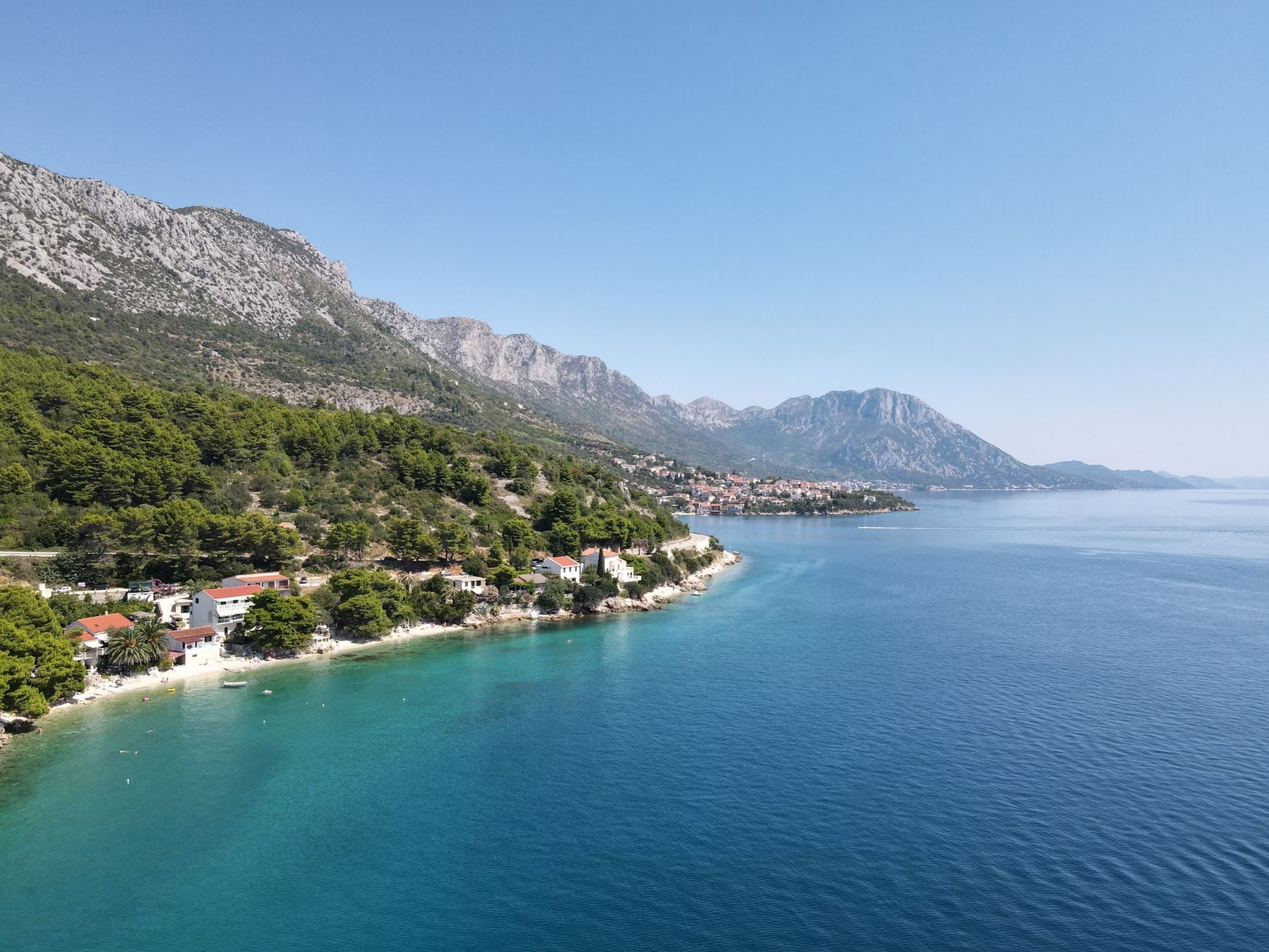
Few places in Europe capture the magic of the Mediterranean as completely as Croatia. With more than a thousand islands scattered across the Adriatic Sea, charming historical towns, emerald coves, and delicious coastal cuisine, Croatia’s shoreline is a dream for travelers who want a perfect blend of culture, adventure, and relaxation. Whether you are drawn by the UNESCO listed city walls of Dubrovnik, the turquoise bays of Hvar, or the quiet beauty of the Kornati archipelago, Croatia offers a coastal experience like no other.
In this guide, we will explore the best coastal destinations in Croatia, share valuable travel insights for each region, and help you plan a trip that captures the essence of the Adriatic lifestyle. From ancient ports to hidden beaches, you will discover exactly where to go, what to see, and how to make the most of your time on Croatia’s sun kissed coast.
Dubrovnik: The Pearl of the Adriatic
Dubrovnik is often the first name that comes to mind when people think of Croatia’s coast. Encircled by massive stone walls that date back to the Middle Ages, this city is both a living museum and a vibrant cultural hub.
Exploring the Old Town
Walking along the marble streets of Dubrovnik’s Old Town feels like moving through history. The main thoroughfare, Stradun, shines with polished limestone, leading visitors past Renaissance palaces, baroque churches, and picturesque courtyards filled with outdoor cafés. Climbing the city walls is a must. The panoramic views of terracotta rooftops against the deep blue sea offer an unforgettable perspective, especially in the early morning or late afternoon when the light is soft and golden.
Beaches and Islands Around Dubrovnik
While Dubrovnik’s cityscape is undeniably captivating, its beaches are equally rewarding. Locals often head to Banje Beach for its proximity to the Old Town, or to Sveti Jakov Beach for a more peaceful swim with views of Lokrum Island.
A short ferry ride takes you to Lokrum, a lush, uninhabited island filled with botanical gardens and quiet swimming spots. For a day trip, consider the Elaphiti Islands, where charming villages and clear water create a perfect escape from the crowds.
Practical Tips for Travelers
- Visit Dubrovnik in late spring or early autumn for mild weather and fewer tourists
- Buy a Dubrovnik Card for discounts on museums and public transport
- Bring comfortable shoes for walking the city walls and cobbled streets
Split: Where Ancient History Meets the Sea
Split offers a lively blend of ancient architecture, modern energy, and coastal charm. At the center of it all stands Diocletian’s Palace, a UNESCO World Heritage Site that forms the heart of the city.
Discovering Diocletian’s Palace
More than a palace, this complex is an entire city within walls. With centuries of layering, Roman ruins coexist with boutique shops, restaurants, and homes. Wandering through its narrow stone alleys, you can sip espresso in Peristyle Square, explore the underground cellars, or climb the bell tower of St. Domnius Cathedral for stunning views of the harbor.
The Beaches and Promenade
Split’s waterfront promenade, known as the Riva, is the social heart of the city. Morning or evening, locals and travelers gather here to enjoy coffee, gelato, and Adriatic breezes. For swimming, head to Bačvice Beach, famous for its sandy shallows and the local ball game called picigin. Further along the coastline, you’ll find pebbled beaches like Firule and Kašjuni that are ideal for a relaxed afternoon by the water.
Excursions from Split
Split serves as a convenient base for exploring nearby islands. Regular ferries connect to Brač, known for Zlatni Rat Beach, and Hvar, famous for its nightlife and lavender fields. Alternatively, take a day trip north to Trogir, a beautifully preserved medieval town where every corner seems tailor made for photography.
Hvar: Glamour, Tranquility, and Sunlit Bays
Hvar is the most celebrated of Croatia’s islands. Its combination of sun soaked beaches, centuries of Venetian architecture, and a vibrant nightlife scene makes it one of the most desirable destinations on the Adriatic.
Hvar Town and Beyond
In Hvar Town, historic charm meets modern indulgence. The main square, St. Stephen’s, is lined with elegant cafés and overlooked by the hilltop fortress that offers views stretching across the harbor. At night, the waterfront comes alive with bars and restaurants that embody the island’s easygoing sophistication.
For a quieter experience, head to the smaller towns of Stari Grad or Jelsa. Both offer serene atmospheres, family run taverns, and easy access to nearby vineyards and lavender fields.
The Pakleni Islands
Just a few minutes by boat from Hvar Town lies a group of small, forested islands called Pakleni. Here you’ll find hidden coves, crystal clear water, and beach clubs that range from rustic to chic. Renting a small boat or arranging a water taxi allows you to explore the islands freely, stopping at places like Palmižana for a long seafood lunch.
Travel Tips for Hvar
- Book accommodations early in summer, as the island can fill quickly
- Try local wines, particularly bogdanuša, a white varietal native to Hvar
- Consider renting a scooter to explore inland villages and secluded beaches
Zadar: Where Tradition Meets Innovation
Zadar is often overlooked for its more famous southern neighbors, but this northern Dalmatian city rewards visitors with a mix of Roman heritage, coastal charm, and surprising modern creativity.
Historical Landmarks
The old town of Zadar sits on a peninsula, surrounded by ancient walls and filled with Roman and medieval architecture. Key highlights include the circular Church of St. Donatus, remnants of the Roman Forum, and the grand Sea Gate built in the sixteenth century.
The Modern Sea Organ and Sun Salutation
Zadar’s modern attractions blend art and natural elements in remarkable ways. The Sea Organ, an architectural masterpiece built into the promenade, transforms the motion of the waves into haunting, melodic sounds. Nearby, the Sun Salutation, a solar powered installation, lights up in colorful patterns as night falls. Together, they create one of the most distinctive sunsets in the Adriatic.
Culinary Experiences
Zadar’s dining scene emphasizes fresh seafood, olive oil from nearby islands, and traditional Dalmatian flavors with a modern twist. Try dishes like grilled octopus or black risotto at a seaside konoba, paired with local Maraschino liqueur produced in the region for centuries.
Rovinj: Romance and Artistic Spirit of the Istrian Coast
Rovinj, located on the western coast of the Istrian Peninsula, feels like a postcard come alive. Its old town rises from the sea in a cluster of terracotta roofs, with narrow cobbled streets winding up to St. Euphemia’s Church, whose bell tower dominates the skyline.
Old Town Enchantment
The Old Town is an irresistible labyrinth of art galleries, hidden courtyards, and sea facing cafés. Artists from across Europe have long flocked here for inspiration, drawn to the soft Adriatic light and charming atmosphere.
Nature and Beaches
Just outside the town center lies the Punta Corrente Forest Park, a refuge of pine shaded walking trails and rocky coves perfect for swimming. The water in this region is exceptionally clean, and many of the beaches have earned Blue Flag recognition for sustainability.
Practical Advice
- Rovinj is ideal for cycling, with scenic routes along the coast
- Visit during the annual Grisia Art Exhibition in August for local art culture
- Sampling Istrian truffles and wines is a culinary must
Conclusion
Croatia’s coastal destinations offer a harmony of history, nature, and culture that few places in the world can match. Each region has its own distinct character: Dubrovnik captivates with sheer beauty and grandeur, Split connects travelers to Roman history and island adventures, Hvar seduces with the perfect blend of glamour and tranquility, Zadar delights with its unique creativity, and Rovinj enchants with romance and art.
Traveling along the Croatian coast is not simply a journey from one destination to another; it is an experience that unfolds at the pace of sea breezes and golden sunsets. Whether you are a first time visitor or returning for another taste of the Adriatic, these destinations will remind you why Croatia remains one of Europe’s most alluring coastal escapes.
Further Reading
3 Day Istanbul Itinerary for First Time Visitors
Travel to Somalia; How I Traveled to Mogadishu