Europe is a continent where food is history, art, and identity on a plate. Traveling across its countries is like moving through a living cookbook, one that tells the story of empires, migrations, and deep local pride. From the buttery croissants of Parisian cafés to the sizzling tapas of Andalusia and the comforting plates of handmade pasta in Italy’s hill towns, Europe invites you to eat your way through culture and tradition.
- Culinary diversity: regional flavors shaped by geography, climate, and history; local first, national second.
- Western Europe blends fine dining and simple pleasures: French technique, Belgian comfort, and Swiss alpine specialties.
- Southern Europe celebrates social meals, fresh Mediterranean ingredients, and regional traditions in Italy, Spain, and Greece.
- Seek markets, food tours, family taverns, and local recommendations; respect meal times to find genuine, seasonal cuisine.
In this detailed food travel guide, you will discover how to experience Europe through its most authentic flavors. We will explore regional specialties that define each country, reveal the best ways to enjoy traditional dishes, and share tips on finding genuine local dining experiences. By the end of this guide, you will not just know what to eat in Europe but also where and how to enjoy it like a true local eater.

Discovering the Culinary Landscape of Europe
Europe’s food culture cannot be explained with a single phrase because it is a mosaic of tastes shaped by geography, climate, and centuries of history. Each region tells its story through its ingredients, techniques, and rituals around the table.
- Western Europe is the land of culinary refinement. French, Belgian, and Swiss cuisines showcase craftsmanship and precision, with centuries of perfected techniques.
- Southern Europe bursts with sun kissed flavors, abundant olive oil, and vibrant Mediterranean dishes that celebrate the freshness of local produce.
- Northern Europe offers hearty comfort food built for long winters. You will find rich stews, pickled vegetables, and seafood feasts that highlight sustainability and simplicity.
- Eastern Europe presents bold and honest flavors. Here food is homey and generous, often influenced by rural traditions and long preserved family recipes.
Understanding this diversity is key to planning your culinary travels. Europe’s cuisines are local first, national second. The best meals are often found in family run taverns, open air markets, and small town eateries, where authenticity still reigns.

The Classics of Western Europe
Western Europe is where fine dining was perfected, but it also celebrates simple pleasures.
France: From Bistros to Michelin Stars
In France, food is a way of life. Begin your mornings with a flaky pastry and a cup of café crème, then wander through markets bursting with cheese, charcuterie, and bread. In Paris, gastronomy takes an elegant form with multi course tasting menus, but do not ignore the countryside. Provence offers rich stews flavored with herbs, Brittany serves fresh seafood and crêpes, and Burgundy is synonymous with wine and slow cooked coq au vin.
Practical Tip: Choose restaurants with a small, daily changing menu. French chefs take pride in using seasonal produce, and those little chalkboard menus signal freshness.
Belgium: Small Country, Big Flavor
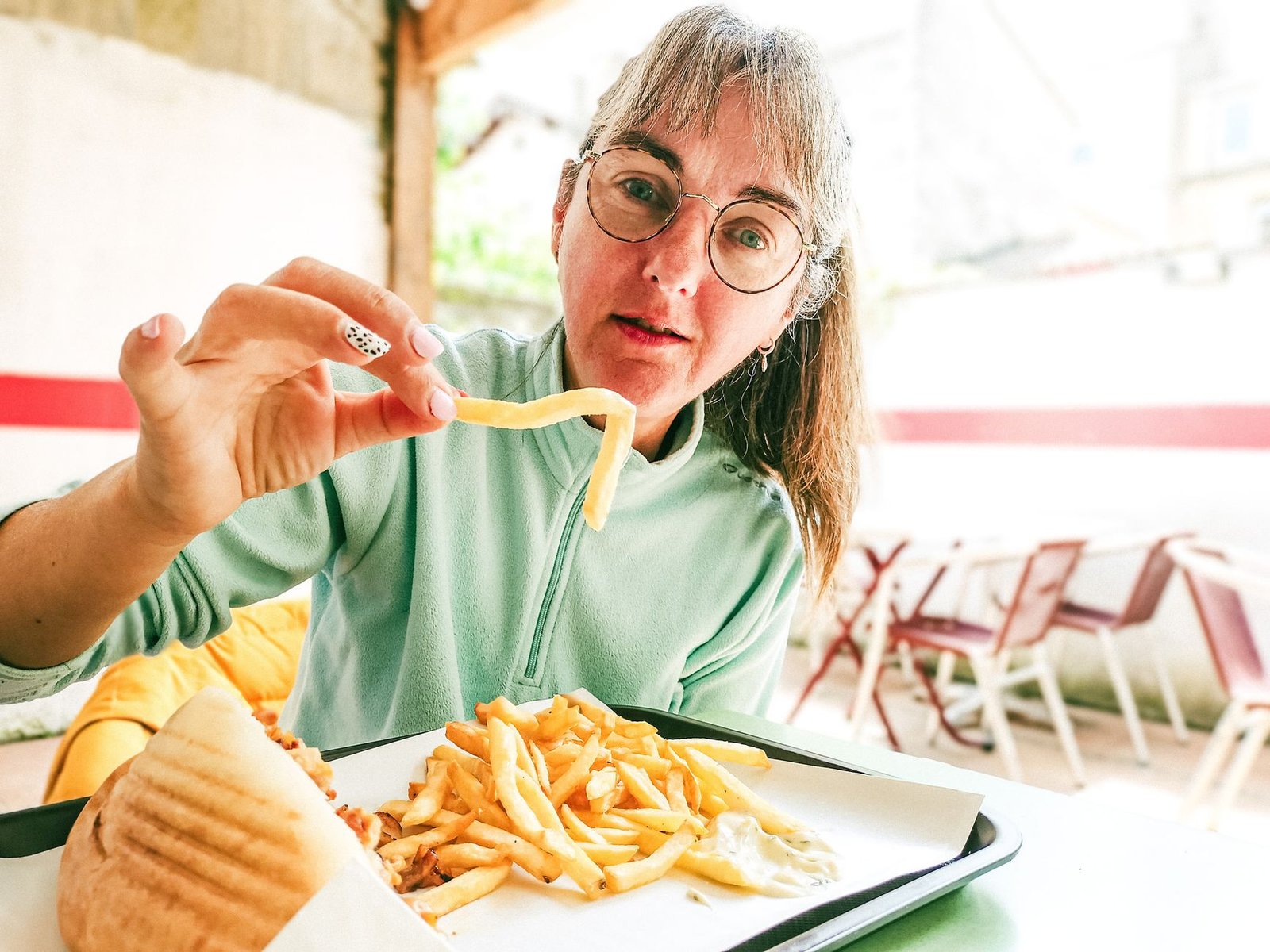
Belgium may be small, but its culinary influence is mighty. Enjoy hand cut fries with mayonnaise, indulge in heavenly pralines, and pair complex local beers with mussels or Flemish stew. Brussels and Bruges boast historic taverns serving traditional dishes, while Ghent is known for its creative vegetarian scene inspired by church fasting days.
Switzerland: Alpine Comfort
Swiss cuisine blends influences from France, Italy, and Germany. Fondue and raclette warm skiers after a long day on the slopes, while rösti, a golden potato dish, remains a national favorite. Swiss chocolate is world famous, but sampling it at a lakeside café in Geneva or Zurich feels particularly indulgent.

A Taste of Southern Europe
If Western Europe feels refined and composed, Southern Europe is passionate and expressive. Every meal is a social event, often accompanied by local wine and endless conversation.
Italy: The Soul of Mediterranean Cooking
Italian cuisine is rooted in regional diversity. Naples gave us pizza, Bologna offers silky tagliatelle with meat ragu, and Sicily combines Arab, Greek, and Spanish influences. The key to enjoying Italian food is simplicity and authenticity. Eat at trattorias where the pasta is handmade and menu choices are few but perfected.
Practical Tip: Learn the Italian concept of “aperitivo.” Before dinner, locals gather at bars for small bites and drinks. It’s a wonderful way to sample regional snacks while watching daily life unfold.
Spain: Tapas, Tradition, and Innovation
In Spain, dining is relaxed and sociable. Tapas bars line narrow streets, inviting you to taste a variety of dishes like patatas bravas, jamón ibérico, and grilled octopus. In Andalusia, meals are light and olive oil rich, while the Basque Country surprises with avant garde cooking paired with excellent wines. Barcelona combines Catalan heritage with cutting edge creativity, making it one of Europe’s most exciting food cities.
Greece: Ancient Flavors, Modern Passion
Greek food captures the essence of the sea and the sun. Expect meals filled with olive oil, lemon, fresh herbs, and grilled meats. Tavernas along the islands serve dishes passed down through generations, like moussaka and souvlaki, while Athens offers a new wave of chefs reinventing tradition. Dining in Greece often feels like a celebration, blending hospitality, music, and the joy of sharing.
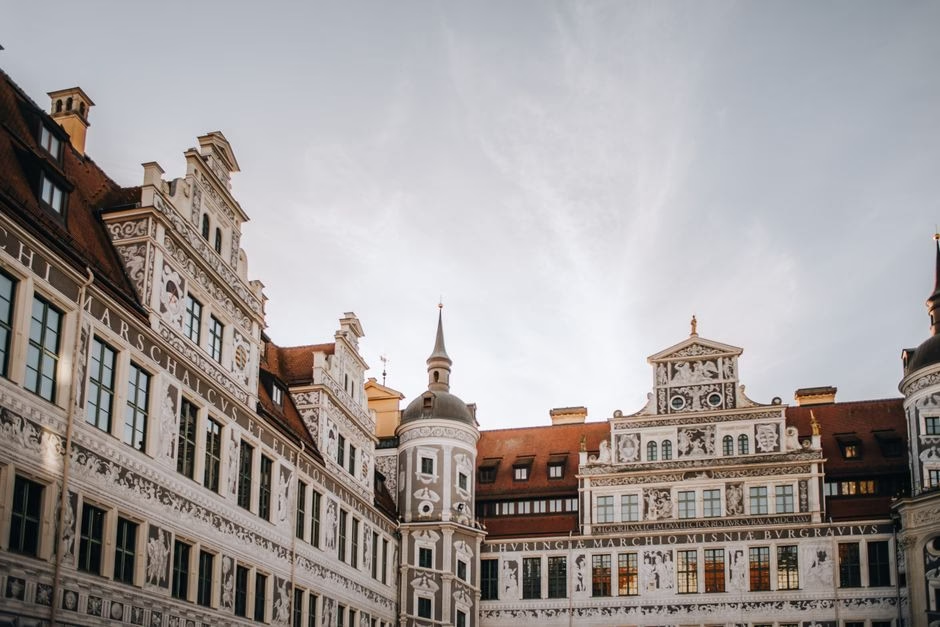
Exploring the North and East
The northern and eastern corners of Europe offer a starkly different, yet equally fascinating food experience.
Scandinavia: Simplicity and Sustainability
Denmark, Sweden, Norway, and Finland have embraced local ingredients and modern techniques that respect nature. Expect seasonal menus featuring fish, berries, root vegetables, and rye bread. Copenhagen’s culinary scene stands at the forefront of global dining innovation, while smaller towns emphasize hearty dishes like meatballs, smoked salmon, and gravlax.
Practical Tip: Seek out farmers’ markets and food halls in cities like Stockholm or Helsinki. They showcase regional specialties and are an affordable way to sample Nordic flavors.
Central and Eastern Europe: Heartwarming Food Cultures
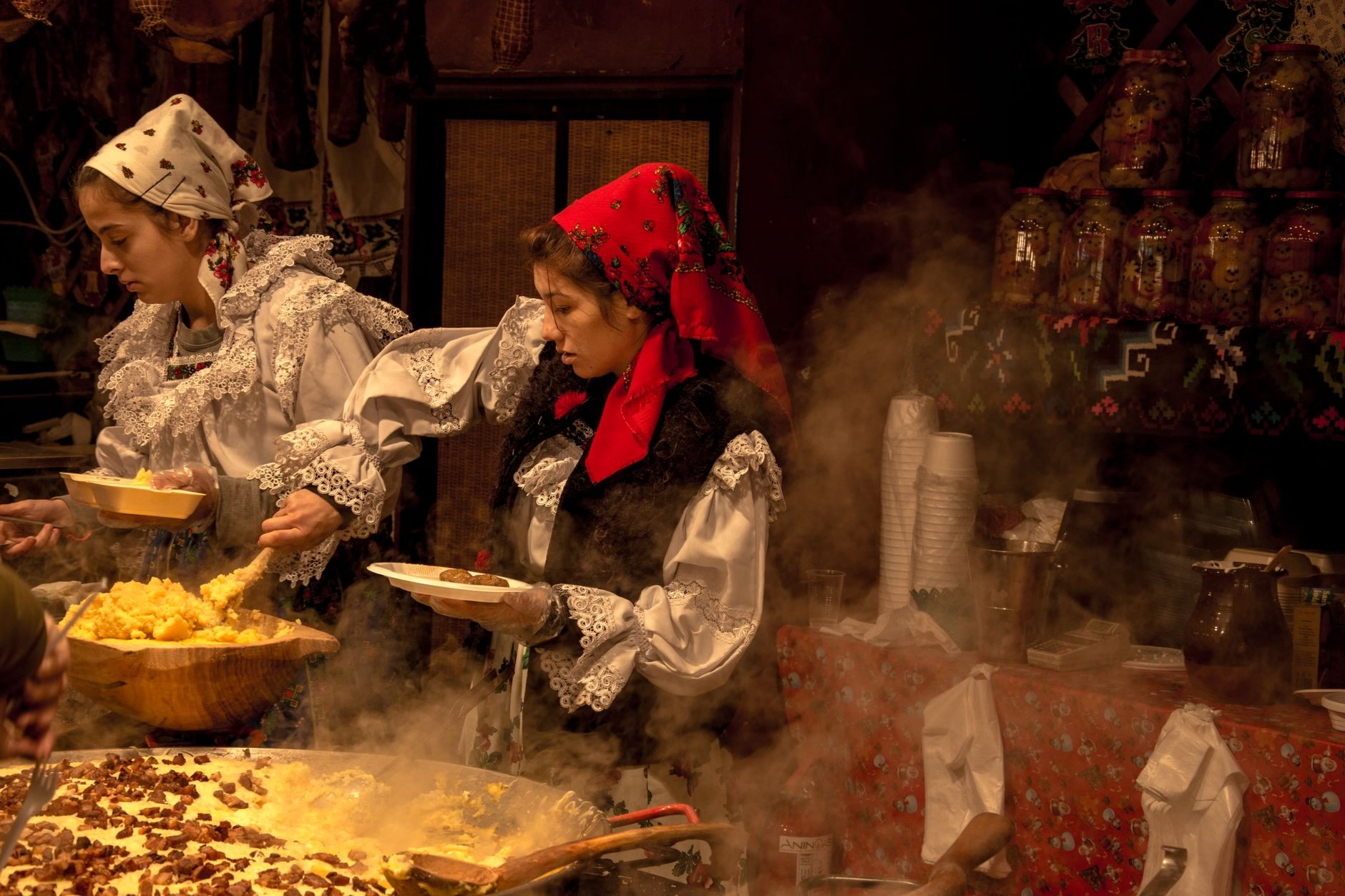
Poland, Hungary, the Czech Republic, and Romania share a love for comforting dishes built around potatoes, dumplings, and meats. Try Polish pierogi stuffed with cheese and onions, Hungarian goulash rich with paprika, and Czech roasted pork with dumplings and sauerkraut. Eastern European cuisine is perfect for travelers seeking authenticity and value, as hearty meals are generously portioned and priced reasonably.
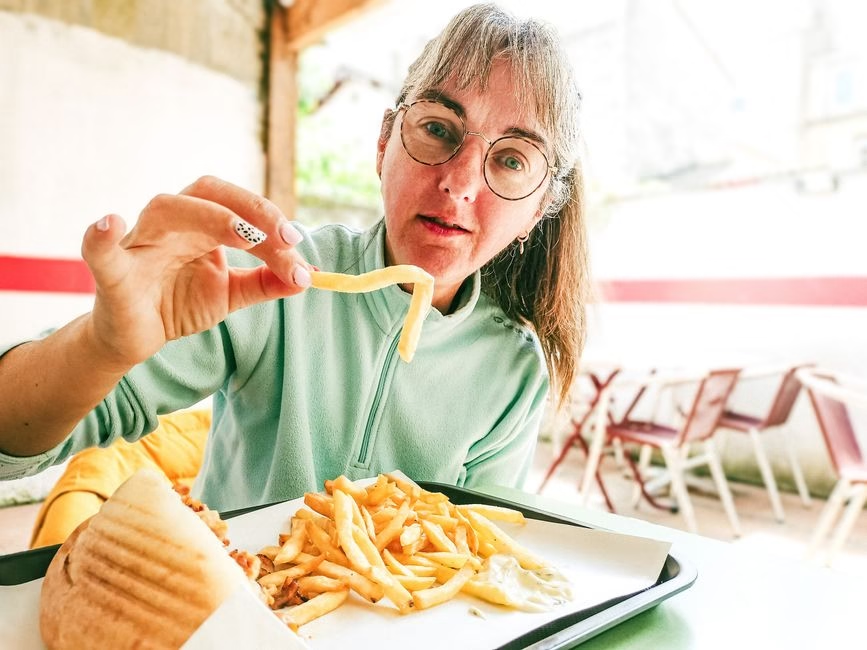
Finding the Best Local Food Experiences
To fully appreciate Europe’s food culture, it is not enough to eat well; one must eat wisely. Here are a few strategies to make your culinary journey more rewarding.
- Follow the Markets
Local markets reveal the rhythm of everyday life. Visit Borough Market in London, Mercato di San Lorenzo in Florence, or Mercado de San Miguel in Madrid to see what locals actually buy and cook. - Book Food Tours
Guided food experiences connect you with local traditions and small producers. Whether it is a cheese tour in Switzerland or a pastry class in Paris, these activities deepen understanding of local heritage. - Respect Meal Times
In many European countries, restaurants close between lunch and dinner. Plan accordingly, and remember that dinner often starts later than in the United States. - Ask Locals
Taxi drivers, hotel hosts, and shop owners are usually the best sources for restaurant recommendations. Their favorite spots are often hidden from tourist crowds.

Conclusion
Food travel in Europe is not merely about tasting dishes; it is about understanding how history, geography, and culture converge on every plate. Each country tells its story through flavor, from the spice routes that shaped Mediterranean cuisine to the mountain traditions that birthed Alpine comfort food. Traveling through Europe’s kitchens means learning, savoring, and connecting in ways that sightseeing alone cannot provide.
Whether you are planning a gourmet journey through France, a leisurely dining trail across Italy, or a market hopping adventure through Eastern Europe, approach every meal with curiosity and respect. Europe rewards those who eat with open minds and hungry hearts.
Further Reading
3 Day Istanbul Itinerary for First Time Visitors
Travel to Somalia; How I Traveled to Mogadishu
Free Family Things to do in Chicago Today
How to Spend Four Days in Hong Kong