
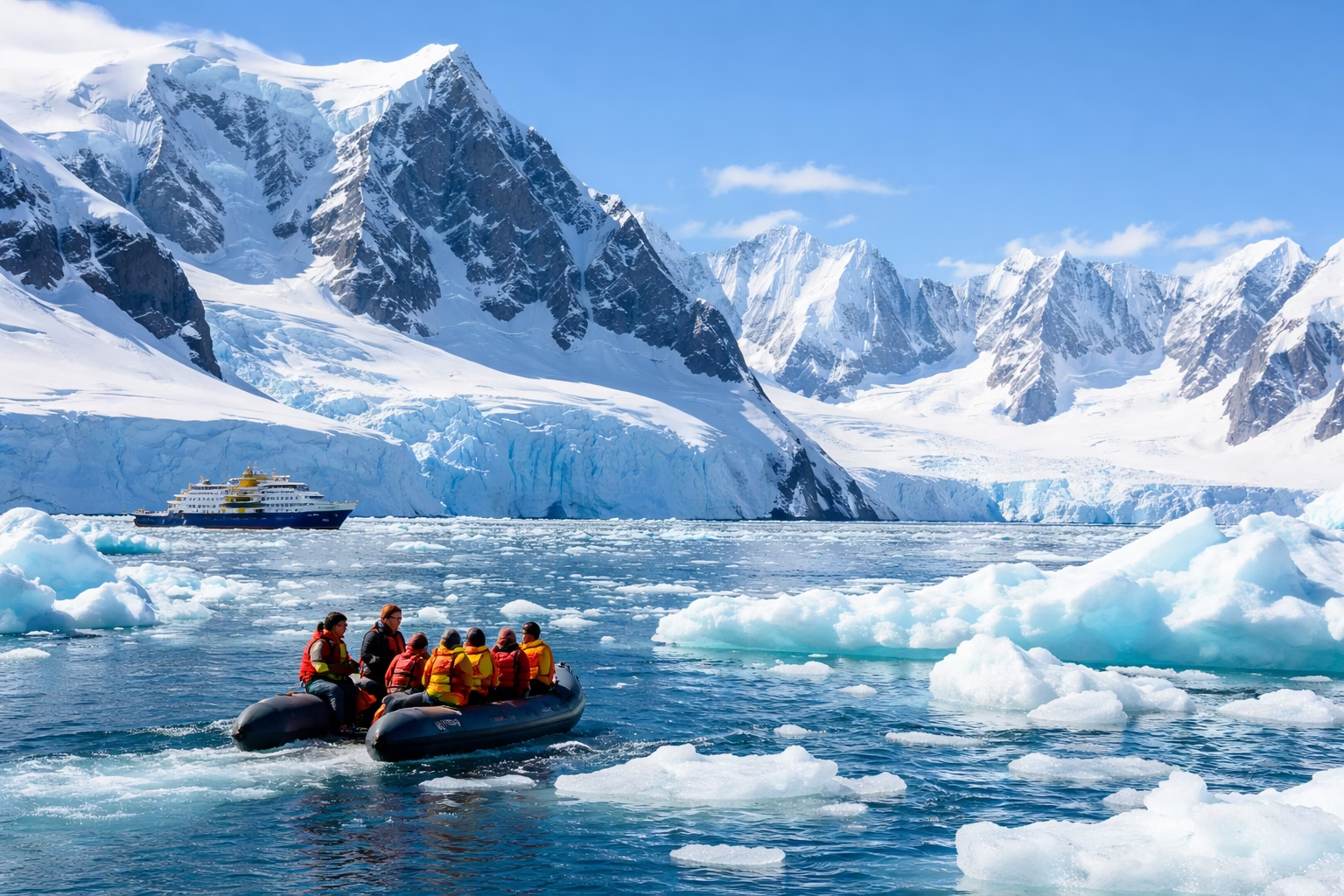
Antarctica is unlike any place on Earth. It is a continent of icy silence, shimmering glaciers, and an endless horizon broken only by penguin colonies and towering icebergs. Remote and pristine, this frozen world at the bottom of the planet draws travelers who crave experiences that are truly once in a lifetime. If you have ever dreamed of standing at the South Pole, cruising among floating ice sculptures, or witnessing a leopard seal hunt along the edge of a glacier, this guide is written for you.
- Book an IAATO-affiliated operator; access is regulated and expeditions depart from Ushuaia, Punta Arenas, or via fly-in to King George Island.
- Visit between November and March: early season for ice and courtship, mid-summer for chicks, late season for whales and open water.
- Choose small expedition cruises for more landings and expert guides or fly-and-cruise options to avoid the Drake Passage and save time.
- Pack layered clothing, waterproof gear, UV protection, and seasickness medication; secure remote evacuation insurance and follow strict biosecurity rules aboard.
Visiting Antarctica is not as simple as booking a flight and packing a suitcase. Access is controlled, weather conditions are extreme, and logistics require careful planning. In this complete guide, you will learn how to visit Antarctica responsibly and comfortably, understand when to go, how to choose the right expedition, and what to expect once you arrive. By the end, you will have a clear roadmap for turning one of the world’s most remote destinations into a real and achievable adventure.

Understanding Antarctica and Its Accessibility
Antarctica is a continent, not an island. It is governed by the Antarctic Treaty System, an international agreement that preserves it for scientific research and peaceful exploration. No one owns Antarctica, and no commercial infrastructure like hotels or cities exists there. Travelers visit mainly via sea expeditions that depart from the southern tips of South America, New Zealand, or occasionally South Africa.
Most tourist journeys begin in Ushuaia, Argentina, the world’s southernmost city. From there, ships cross the Drake Passage to reach the Antarctic Peninsula, a region known for its breathtaking landscapes and wildlife encounters. A smaller number of trips start from Punta Arenas in Chile or fly directly to King George Island for those who prefer to avoid long sea crossings.
When considering accessibility, it is crucial to remember that every trip to Antarctica operates within strict environmental regulations overseen by IAATO, the International Association of Antarctic Tour Operators. Choosing an operator affiliated with IAATO ensures your visit helps protect this fragile ecosystem.

When to Visit: Timing Your Antarctic Adventure
Antarctica can only be visited during the austral summer, from November to March, when temperatures are relatively mild and daylight lasts nearly 24 hours. Each month of this short travel window offers a distinct experience.
Related Posts:
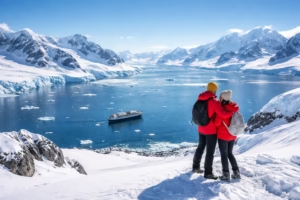
- November to early December: The continent begins to thaw after months of darkness. Icebergs are massive, snowfields remain pristine, and penguin courtship rituals begin.
- Late December to January: This is the heart of summer, the warmest period with active wildlife, hatching chicks, and longer exploration opportunities. It is also the busiest time for cruises, so early booking is essential.
- February to March: Whales become highly visible as they feed in the nutrient-rich waters. Penguins begin to molt, and sea ice retreats further south, allowing ships to explore areas that were previously inaccessible.
Determining the best time depends on personal interests. For photographers seeking dramatic light and untouched landscapes, early season trips are ideal. For wildlife enthusiasts, mid to late season offers the greatest diversity of encounters.

Choosing How to Get There: Cruises and Flights Explained
There are two main ways to reach Antarctica: by ship or by plane. Each has unique advantages and practical considerations.
1. Expedition Cruises:
The majority of travelers reach Antarctica on small or medium-sized expedition vessels designed to navigate icy waters. Cruises range from 7 to 20 days, depending on the itinerary. They typically include landings at selected sites, zodiac boat excursions, and guided hikes led by naturalists and scientists.
When choosing a cruise, focus on:
- Ship size: Smaller ships can make more landings and provide a closer connection with the environment. Larger ships offer more amenities but may have restricted shore access due to visitor limits.
- Itinerary: Some cruises focus on the Antarctic Peninsula, while others extend to the Falkland Islands or South Georgia, offering a more comprehensive wildlife experience.
- Expert guides: A knowledgeable expedition team adds immense value through lectures on glaciers, wildlife, history, and climate science.
2. Fly and Cruise Options:
For travelers short on time or sensitive to rough seas, flight options are available. You can fly from Punta Arenas to King George Island and then board a cruise ship directly in Antarctica. This approach saves two to three days of crossing the Drake Passage each way.
Although fly-in trips are usually more expensive, they provide exceptional comfort and allow travelers to concentrate on the Antarctic experience itself rather than enduring long stretches of open ocean.

Essential Preparation: Permits, Health, and Packing
Traveling to Antarctica does not require a tourist visa, but your passport and entry requirements depend on the country from which you depart. Always ensure that your travel insurance includes remote evacuation coverage. This is mandatory for most expedition companies, as evacuations can cost tens of thousands of dollars.
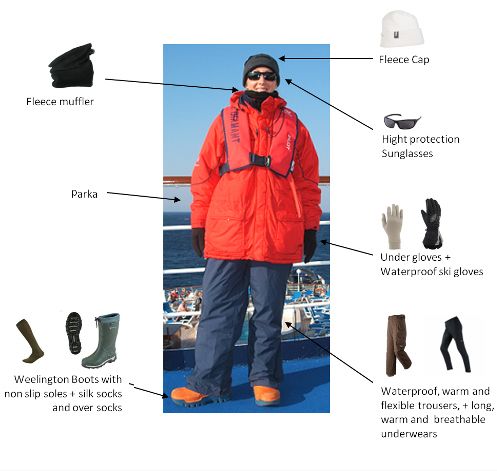
Packing for Antarctica requires careful thought due to rapidly changing weather. The key is layering:
- A moisture-wicking base layer to keep you dry
- An insulating mid-layer for warmth
- A waterproof and windproof outer jacket and trousers
- Sturdy waterproof boots, thermal gloves, and a warm hat
Do not underestimate the importance of accessories like UV sunglasses and sunscreen. The high reflectivity of snow and ice can cause severe sunburn even on cloudy days. Seasickness medication is also strongly recommended if you will be crossing the Drake Passage.
It is worth noting that while most ships provide outer parkas and boots, confirm this before packing to avoid unnecessary luggage.
What to Expect During an Antarctic Expedition
Once you set foot on Antarctica, you will quickly realize it is not a traditional holiday destination. There are no towns or restaurants, only raw nature. Days are filled with adventure, exploration, and awe.
Typical daily activities include:
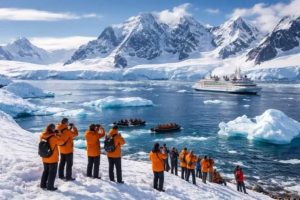
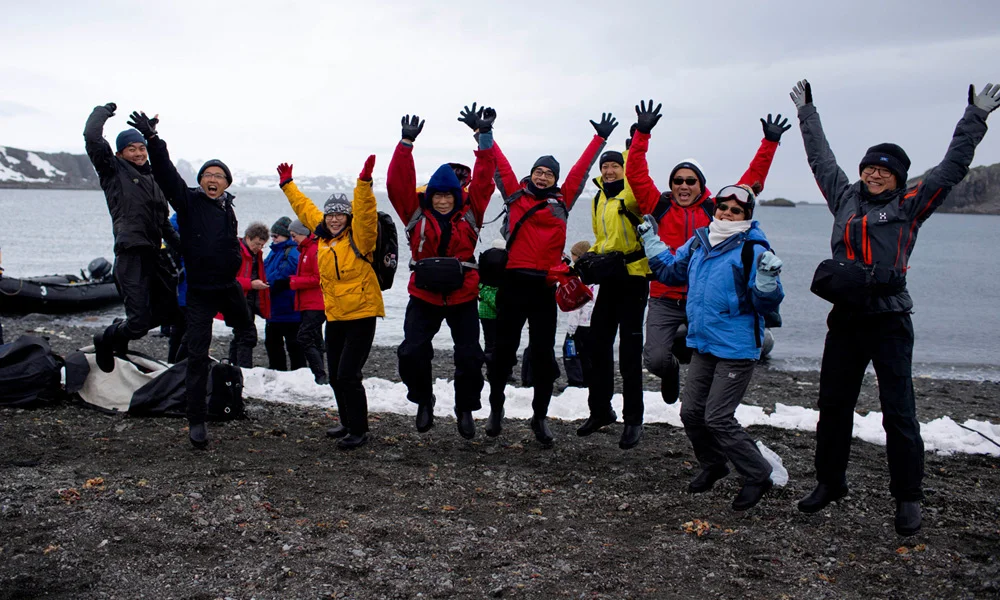
- Zodiac landings: Small inflatable boats transport travelers from the ship to the shore to observe penguin rookeries, ice cliffs, and historic research stations.
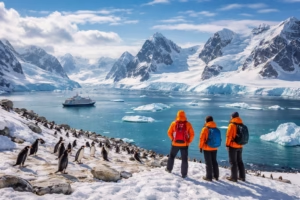
- Wildlife encounters: You might see different penguin species, Weddell seals sleeping on the ice, or humpback whales feeding nearby.
- Educational sessions: Onboard experts deliver daily talks about Antarctic ecology, climate, and history, enhancing understanding of the environment you are exploring.
- Photography opportunities: Light conditions in Antarctica are magical, especially during early morning or late evening when the sun hovers low over the horizon.
Respect for the environment is paramount. Visitors are required to maintain safe distances from wildlife, disinfect their boots before and after landings, and never collect natural items. Following these rules ensures that the continent stays as untouched as possible.

Responsible Travel: Protecting the Fragile Continent
Antarctica is one of the most delicate ecosystems on Earth. Even minor disturbances can have lasting effects. Responsible travel means supporting preservation through conscious choices.
Look for operators committed to sustainability principles: limiting visitor numbers, avoiding single-use plastics, and contributing to research projects. Choose environmentally certified clothing and gear, and pack reusable water bottles and containers.
Many travelers also support Antarctic conservation by participating in small citizen-science initiatives offered onboard, such as photographing whale tails for identification or recording bird counts. These simple contributions help scientists better understand and protect the region.

Budgeting and Planning Your Antarctic Journey
Antarctica is an expensive destination, largely due to logistics and environmental regulations. The average trip cost ranges from eight thousand to fifteen thousand US dollars for a basic cruise, while luxury trips or extended itineraries can exceed twenty thousand.
To manage costs effectively:
- Book early to secure discounts on expedition fares
- Be flexible with departure dates and look for last-minute deals in Ushuaia, though this strategy requires flexibility and patience
- Factor in costs for flights to South America, travel insurance, gear, and tips for the crew
Remember that in Antarctica, you are paying not just for a voyage but for a carefully orchestrated experience that operates at the edge of the world. The investment translates into unparalleled memories and a deeper appreciation of the planet’s beauty.
Conclusion: Experiencing the Planet’s Last Great Wilderness
Visiting Antarctica is not like any other trip. It is a humbling journey that brings travelers face to face with the raw power of nature and the fragility of our environment. From cruising past towering glaciers to watching penguins waddle across an icy plain, every moment leaves a permanent imprint on the soul.
With preparation, respect, and curiosity, anyone can experience this extraordinary frontier. The journey demands effort and planning, but what it offers in return is something beyond description—a profound connection to the most remote and unspoiled place on Earth.
Further Reading
Best Beaches in Southern Europe
Cheapest Countries to Visit in Africa
Travel to Somalia; How I Traveled to Mogadishu
Free Family Things to do in Chicago Today
How to Spend Four Days in Hong Kong