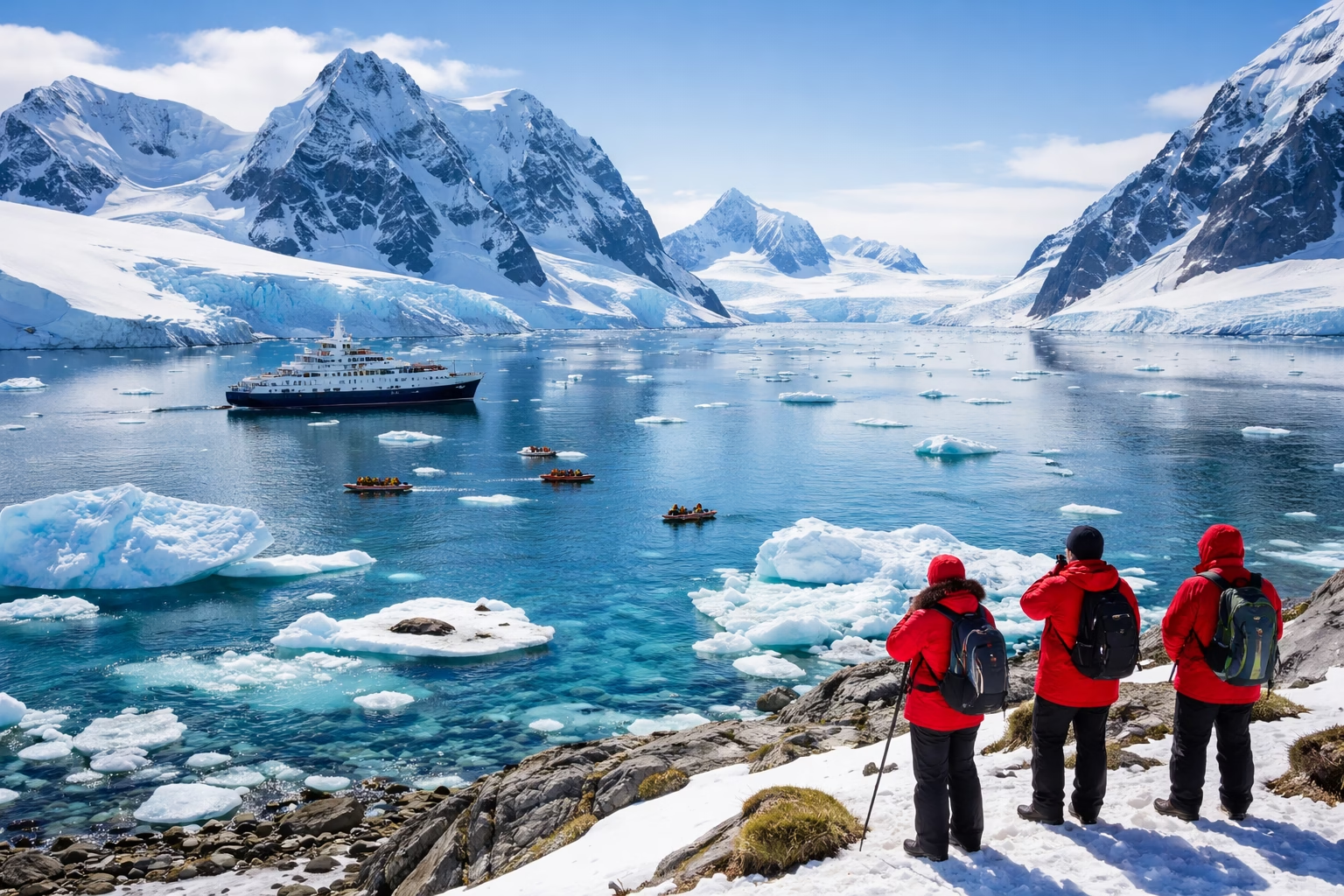
Antarctica, the Earth’s last great wilderness, is a place that captures the imagination long before a traveler ever sets foot upon its icy shores. It is a destination dominated by vast glaciers, surreal landscapes, and colonies of penguins that command attention for their striking beauty and resilience. But experiencing this remote continent requires careful planning. Unlike other destinations, you cannot simply book a flight and go whenever you feel ready. The timing of your visit determines everything from wildlife encounters and weather conditions to the type of expedition available.
- Tourism window: late October to early March when sea ice breaks and wildlife breeds; plan trips within this limited summer season.
- Early summer (late Oct to November): pristine snow, dramatic ice breakup, penguin nesting, fewer visitors, outstanding photography opportunities.
- High summer (December to January): warmest coastal conditions, abundant wildlife, continuous daylight, penguin chicks and whales, peak season requiring early bookings.
- Late summer (February to early March): excellent whale watching, expanded access as sea ice retreats, softer light ideal for atmospheric photography.
- Planning essentials: book far in advance, pick vessel size for desired experiences, layer clothing, follow strict environmental rules, and stay flexible.
In this guide, we will explore the best time to visit Antarctica for tourists, breaking down each part of the travel season in detail. You will learn exactly what to expect month by month, which experiences are most rewarding at different times, and how to align your own interests with the season that suits you best.

Understanding Antarctica’s Travel Season
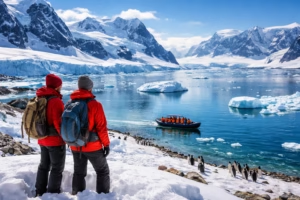
Antarctica is not accessible year-round. Its harsh winter cloaks the continent in darkness and extreme cold, making travel nearly impossible. The tourism window opens only from late October to early March, coinciding with the Southern Hemisphere summer. During these precious few months, temperatures rise slightly, sea ice breaks apart, and wildlife emerges to breed and feed.
The summer season can be divided into three distinct periods, each offering its own version of the Antarctic experience. Understanding these differences is the key to planning an unforgettable trip.

Early Summer: Late October to November
This is when the Antarctic world begins to awaken after months of frozen silence. It is the season of renewal, and for many nature enthusiasts and photographers, it offers an experience few other times can match.
What to Expect:
Related Posts:
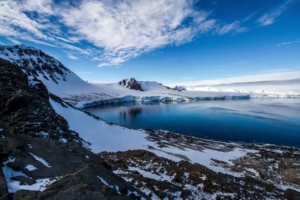
- The landscape is at its most pristine, with snow still fresh and unmarked. The dazzling white scenery provides breathtaking photography opportunities.
- Ice formations are at their most dramatic, as sea ice begins to break up, revealing crystalline structures and deep blue hues.
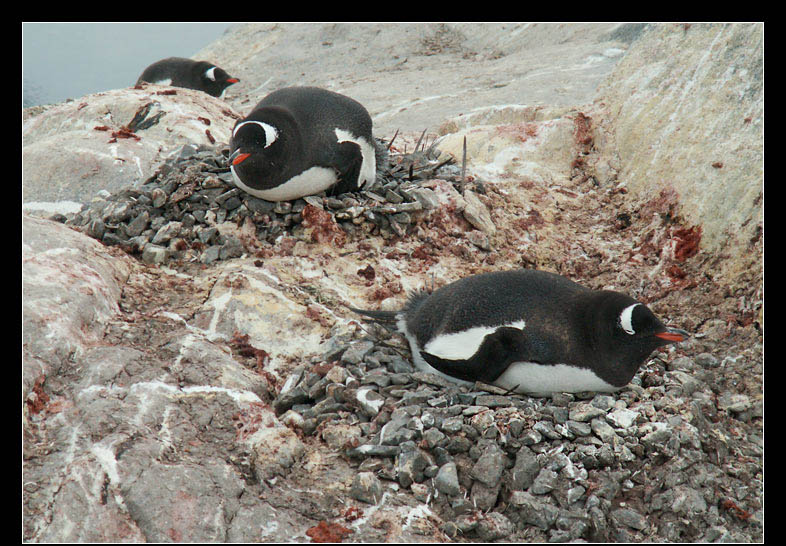
- Penguins are starting their nesting season, and you can watch them building their pebbled nests and engaging in fascinating courtship rituals.
Climate and Conditions:
Temperatures begin to rise but remain well below freezing in many areas. Winds can be strong, and ice still clings to many landing sites, which can delay or alter itineraries. However, this is precisely what gives early summer its raw, untouched charm.
Advantages for Travelers:
For those drawn to magnificent scenery and fewer visitors, this is a rewarding time to go. Cruises are slightly less crowded, and you often find better availability for cabins and guided excursions.
High Summer: December to January
December and January mark the height of Antarctica’s tourist season. This period is the most popular and arguably the most rewarding for travelers seeking both comfortable conditions and rich wildlife activity.
What to Expect:
- This is the warmest period in Antarctica, with temperatures often reaching just above freezing near the coast.
- Wildlife activity is abundant. Penguin chicks hatch, seal pups appear, and whales begin to arrive in increasing numbers. You can witness scenes of life and survival unfolding against a backdrop of endless daylight.
- The sun shines almost continuously, creating a surreal experience where time seems to blend into one long golden day.
Best Experiences:
- Walk among bustling penguin colonies and watch the newly hatched chicks being fed.
- Zodiac excursions allow you to navigate through icebergs with remarkable clarity as melting patterns reveal layers of turquoise ice.
- Kayaking or paddleboarding through calm channels can offer intimate encounters with wildlife.
Why It Is Popular:
The combination of accessible weather, vivid wildlife, and stunning light makes this the prime time for most visitors. However, because this is peak season, advance booking is essential, as cruises fill up quickly.

Late Summer: February to Early March
As the season progresses, the atmosphere in Antarctica changes yet again. The days begin to shorten slightly, the light softens into spectacular sunsets, and wildlife activity shifts in rhythm. This period is ideal for travelers seeking quieter voyages and exceptional marine life encounters.
What to Expect:
- Penguin colonies are now teeming with curious chicks almost ready to venture into the sea.
- The abundance of krill draws large numbers of whales, making this the best time for whale watching.
- Many expedition ships can travel deeper south as sea ice has retreated, providing access to more remote and rarely visited locations.
Unique Qualities:
Late summer light offers a richness that is ideal for photographers. The pink and orange tones of sunrise and sunset glow across the ice, creating atmospheric scenes that are unforgettable.
Travel Insights:
While temperatures begin to drop again, the weather can still be relatively stable. Expedition teams often take advantage of this period to explore parts of the continent that are inaccessible earlier in the season.

Choosing the Best Time for You
The “best time” to visit Antarctica ultimately depends on what inspires your journey most. Each period reveals a different facet of the continent’s complex beauty.
- For perfect landscapes and isolation: Choose late October to November.
- For wildlife intensity and round-the-clock daylight: Go between December and January.
- For whale watching and dramatic light: Plan your trip for February to early March.
Also consider practicalities such as cost, availability, and cruise durations. Early and late season voyages can be slightly more affordable and may attract travelers with a passion for adventure, while high-season trips cater to those seeking milder weather and vivid biological activity.

Essential Tips for Planning Your Antarctic Trip
1. Book Early:
Antarctica has limited visitor capacity. Most cruises and expeditions sell out months or even a year in advance.
2. Choose the Right Expedition Vessel:
Smaller ships generally allow more frequent landings and a more intimate experience, while larger ones offer better amenities and stability.
3. Pack Thoughtfully:
Even during summer, the temperatures are extremely cold. Layering with moisture-wicking materials and waterproof outerwear is crucial.
4. Respect the Environment:
Antarctica operates under strict environmental regulations to preserve its fragile ecosystem. Follow your expedition team’s instructions carefully to minimize impact.
5. Stay Flexible:
Weather in Antarctica is unpredictable. Schedules and landings may change at any moment. Open-mindedness is part of the adventure.
Conclusion: Embrace the Rare Beauty of Antarctica
Visiting Antarctica is not just another trip; it is a journey to the edge of the world where nature reigns in its purest form. Whether you witness the first penguin eggs of November, the thriving wildlife of January, or the magnificent sunsets of March, each period offers a deeply moving experience. Planning your voyage according to the season gives you the best chance to connect with this extraordinary continent in a meaningful and unforgettable way.
Antarctica rewards those who arrive prepared, curious, and respectful. No matter when you visit, it promises to change the way you see the planet forever.
Further Reading
Best Beaches in Southern Europe
Cheapest Countries to Visit in Africa
Travel to Somalia; How I Traveled to Mogadishu