There are very few places on Earth where photography feels like pure exploration. Antarctica is one of them. This vast, frozen wilderness, often referred to as the “seventh continent,” offers an extraordinary stage for visual storytelling. From towering icebergs to penguin colonies that stretch to the horizon, this remote world seems untouched by time and human presence.
- Time visits between November and March; early for pristine snow, mid for chicks, late for dramatic icebergs, whales, and warm sunsets.
- Choose small-group expeditions led by experienced photography guides for coaching, flexibility, better positioning, and reliable itineraries.
- Dress in layers, use weather-sealed cameras, pack wide, mid, and telephoto lenses, spare batteries, a monopod, and protective gear.
- Follow safety rules and IAATO guidelines: keep distance from wildlife, avoid disturbance, and let scenes unfold naturally.
- Seek iconic locations: Iceberg Alley, Cuverville penguin colonies, Lemaire Channel, Deception Island, and late-season whale encounters.
In this guide, you will learn everything you need to know to plan and experience a photography tour in Antarctica. We will explore when to visit, what to expect during your journey, what photography equipment is best suited for the extreme conditions, and how to make the most of every photographic opportunity on the continent. Whether you are an ambitious professional photographer or simply a passionate traveler seeking the ultimate image, this article will help you prepare thoroughly for a journey that truly transcends ordinary travel.
The Allure of Antarctic Photography
Antarctica is more than a destination; it’s a revelation. The continent inspires awe with its silence, purity, and unrivaled natural beauty. For photographers, it offers a rare canvas with an ever-changing play of light and shadow over ice, snow, and sea.
The light in Antarctica is unlike anywhere else. During the austral summer, which typically runs from November to March, the sun hovers low in the sky, casting a golden glow that lasts for hours. This soft, diffused light eliminates harsh contrasts and creates a natural studio effect across the ice fields. The result is a landscape that feels surreal, glowing, and infinite.
Equally captivating are the subjects themselves. Expect to capture:
- Monumental icebergs, sculpted by wind and sea into otherworldly shapes that shift color from crystal white to deep sapphire
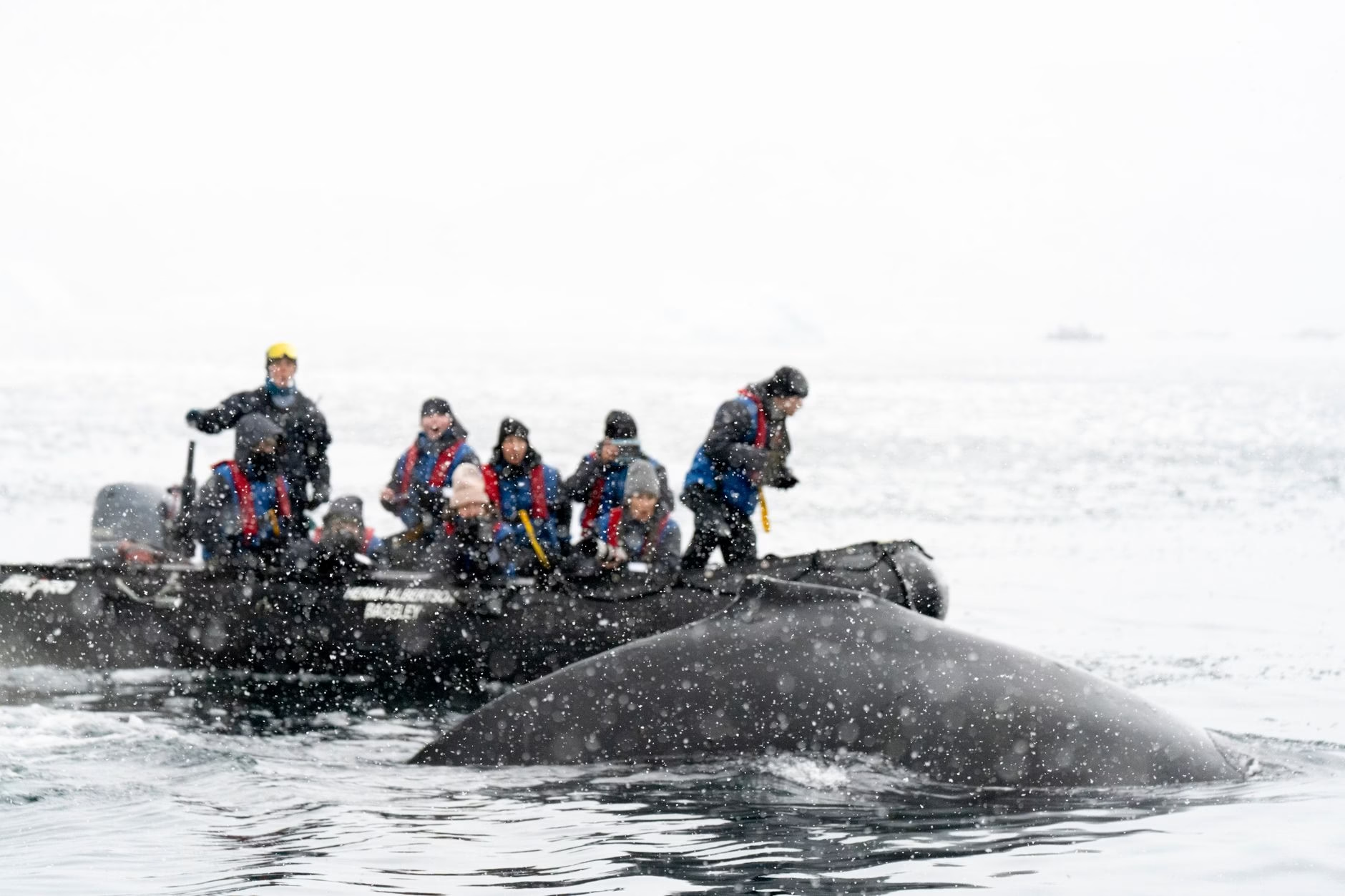
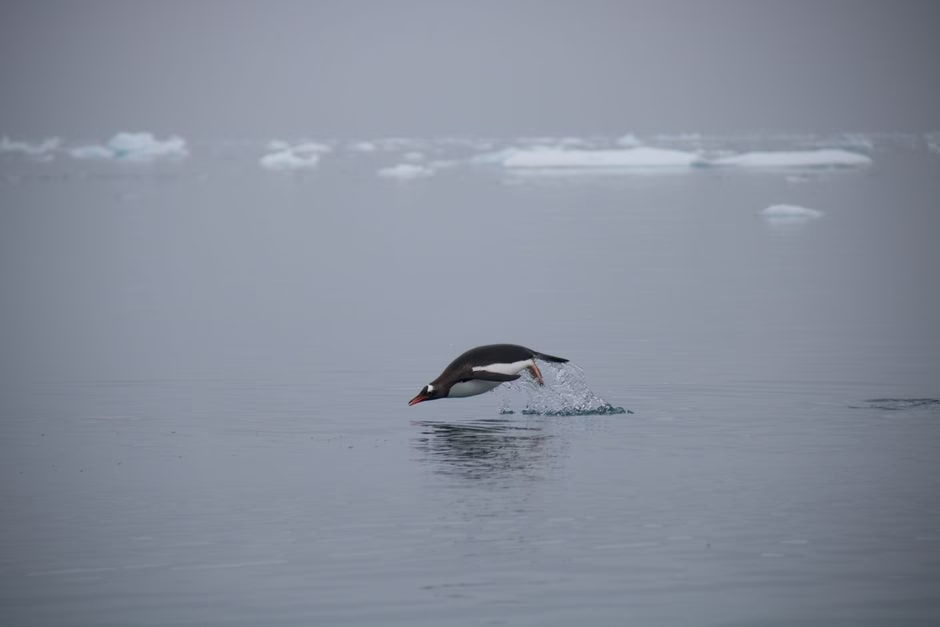
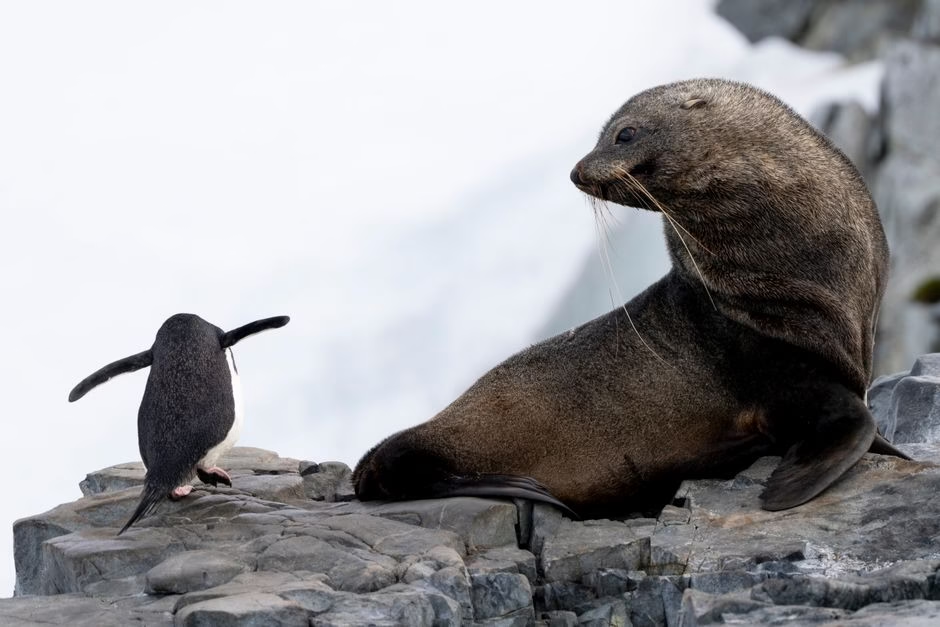
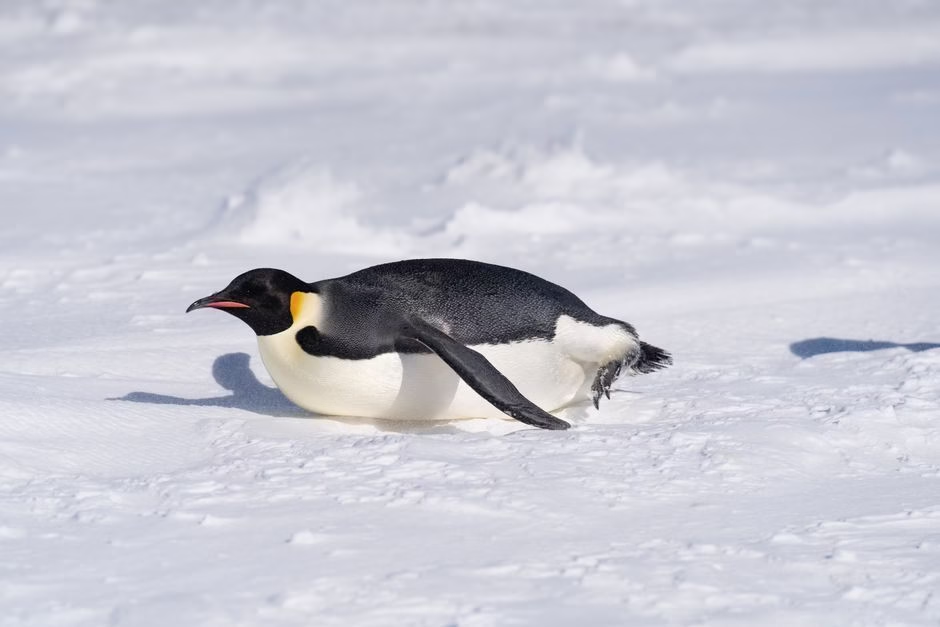
- Wildlife spectacles, from the comical posture of gentoo penguins to the silent power of leopard seals and the overwhelming presence of humpback whales
- Vast polar vistas, where light, clouds, and ice combine to create compositions that challenge and inspire even seasoned photographers
In Antarctica, every hour brings a new scene, a unique quality of light, or a sudden encounter with wildlife that transforms into a once-in-a-lifetime photographic moment.
Planning Your Photography Tour
A photography tour in Antarctica requires more preparation than most trips, not only because of the cost and logistics but also because conditions demand precision and respect for the environment.
Most photography tours depart from Ushuaia, Argentina, recognized as the southernmost city in the world. The journey across the Drake Passage takes roughly two days by expedition ship, and these ships are typically equipped with stabilizers, zodiacs for shore excursions, and expert guides including professional photographers.
When selecting a photography tour, pay attention to these key factors:
- Group Size and Expertise
Opt for tours with small group sizes. Fewer travelers mean more flexibility, better positioning for photographs, and more one-on-one coaching from photography guides. Some expeditions are led by accomplished photographers who teach techniques adapted to polar environments, from exposure control in bright snow to proper wildlife composition. - Itinerary and Duration
A standard itinerary lasts 10 to 14 days and often includes the Antarctic Peninsula, Deception Island, and South Shetland Islands. Longer tours may combine the Falklands and South Georgia, offering a richer range of wildlife encounters and landscape diversity. - Timing and Light
- Early season (November to early December): Great for pristine snow and nest-building penguins.
- Mid season (December to January): Ideal for bright conditions, active chicks, and peak wildlife interaction.
- Late season (February to March): Focused on dramatic iceberg formations, whales, and sunsets with warmer hues.
Booking through trusted expedition operators ensures safety, environmental responsibility, and itinerary reliability.
Preparing for Antarctic Conditions
Photography in Antarctica means embracing unpredictable elements: sudden snow flurries, strong winds, and rapidly shifting light. Preparation will make all the difference.
Clothing and Gear Protection
Layers are your best defense. Choose moisture-wicking thermal wear, insulated mid-layers, and waterproof outer shells. Keep camera gear in weather-sealed bags, and bring microfiber cloths to wipe away condensation. Batteries deplete quickly in the cold, so pack extras and store them close to your body for warmth.
Camera Equipment Essentials
A full-frame DSLR or mirrorless camera with weather sealing will perform best. A versatile kit might include:
- A wide-angle lens for icebergs and sweeping landscapes
- A mid-range zoom for portraits of explorers and wildlife
- A telephoto lens between 200 and 400mm for capturing penguins, seals, and whales at a distance
Tripods are helpful for low-light conditions, though they can be cumbersome in windy situations. A monopod often provides a good compromise. Bring a polarizing filter to manage glare on snow and ice, and always shoot in RAW format for maximum editing flexibility.
Safety and Etiquette
Respecting wildlife distance regulations is essential. The aim of a photography tour is to observe, not interfere. Stay at least five meters from penguins and further for seals and nesting birds. Avoid sudden movements and let the scene unfold naturally.
Capturing the Magic: Photographic Opportunities
Every moment in Antarctica offers raw visual drama. Yet some highlights always stand out:
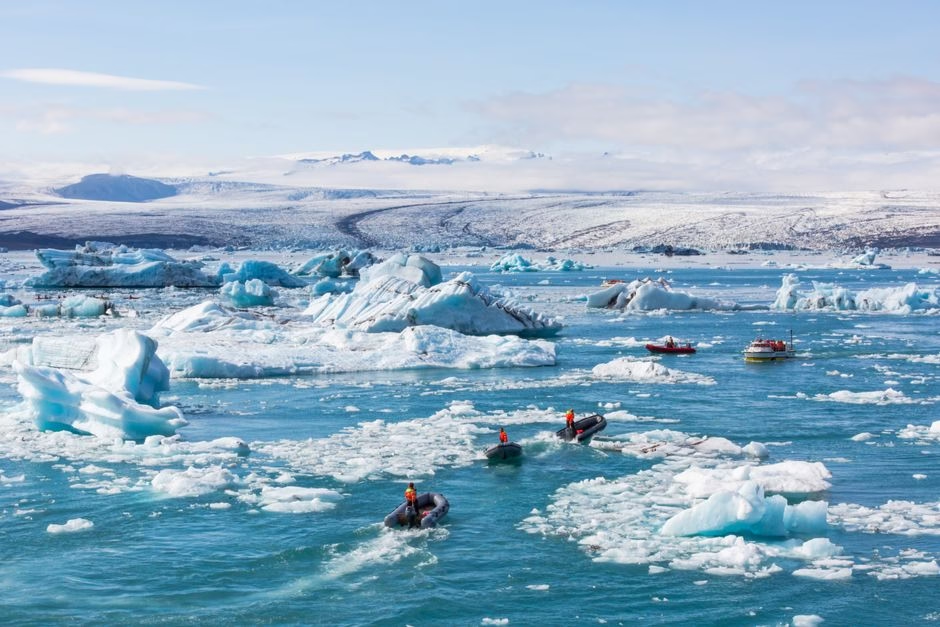
1. Iceberg Alley
A surreal stretch of sculpted ice off the Antarctic Peninsula known for its geometric icebergs emerging from a mirror-like sea. Shift your shooting angles frequently and experiment with reflections at dawn when the water is calm.
2. Penguin Colonies at Cuverville Island
Tens of thousands of gentoo penguins gather here. Wait patiently near the edges of their paths; their curiosity often leads them close enough for intimate portraits.
3. Lemaire Channel
Often called the “Kodak Gap,” this narrow passage flanked by steep cliffs is a playground for photographers. The calm waters create mirrored surfaces that double the scenery’s depth and drama. Morning light enhances the pastel tones of the distant ice peaks.
4. Deception Island
A flooded volcanic caldera where black sand beaches steam in contrast with surrounding ice cliffs. The shifting mists and contrasting textures are photographer’s gold.
5. Whale Encounters
Late season voyages frequently reward travelers with magnificent whale sightings. Capturing these giants breaching among ice fragments requires patience and readiness. Keep a telephoto lens ready and use burst mode to catch the decisive leap.
Antarctica rewards those who slow down, who observe the details—the reflections, the texture of the ice, the way light dances across frozen surfaces. The continent teaches photographers to wait, immerse, and respond with intention rather than haste.
Responsible Photography in a Fragile Ecosystem
Beyond technique and art, photography in Antarctica carries responsibility. Every photographer contributes to how the world perceives this delicate wilderness. Environmental awareness must guide every action:
- Follow all guidelines set by the International Association of Antarctica Tour Operators.
- Avoid disturbing wildlife or altering the environment for a shot.
- Choose tour operators committed to sustainability and carbon offset programs.
- Reuse and recycle equipment when possible, and limit single-use plastic items.
Photographers have the unique privilege of translating the silent language of Antarctica into visual stories that inspire conservation and respect for the planet’s last great frontier.
Conclusion: A Journey Beyond the Lens
A photography tour in Antarctica is more than capturing stunning images, it’s an immersion into purity, solitude, and the raw power of nature. The images you take home will speak not only of light and form but of human humility before the vastness of our planet.
Each glacier, iceberg, and animal tells a story that can only be told by being there, feeling the cold wind across your face, and hearing the crack of ice echoing across quiet seas. For those willing to venture to the ends of the Earth, Antarctica offers one of the most transformative experiences a photographer can have.
Further Reading
Best Beaches in Southern Europe
Cheapest Countries to Visit in Africa
Travel to Somalia; How I Traveled to Mogadishu
Free Family Things to do in Chicago Today
How to Spend Four Days in Hong Kong