Antarctica is one of the last frontiers of true exploration. It is a continent of dramatic contrasts where raw nature shows itself in its purest form. Towering white cliffs, vast glaciers, and colonies of penguins create a world that feels almost otherworldly. For many travelers, setting foot on the Antarctic Peninsula is not merely a journey, it is the ultimate adventure.
In this guide, we explore the most unforgettable Antarctica bucket list experiences. Whether you dream of setting foot on virgin ice, paddling beside glaciers, or watching whales breach through mirror-like waters, this article will give you an in-depth look at what awaits and how to plan for it. You will find practical insights, travel tips, and local context to ensure that your expedition is not only a success but also profoundly meaningful.

Setting Foot on the Seventh Continent
Most travelers reach Antarctica by expedition ship departing from Ushuaia in Argentina or Punta Arenas in Chile. The journey across the Drake Passage is often as memorable as the destination itself. When the first sight of the continent emerges through the mist, the sense of accomplishment is overwhelming.
Landing on Antarctic soil for the first time is an experience that stays with you forever. The environment is silent but alive; glaciers creak, penguins chatter, and the air feels crisper than anywhere else on earth. Visitors typically land on the Antarctic Peninsula, one of the most accessible parts of the continent. Excursions are guided by expert naturalists who ensure minimal environmental impact while allowing you to experience this pristine wilderness.
Practical tip: To maximize your chances of setting foot on shore, choose a small expedition vessel, as larger ships are often restricted from allowing all passengers to disembark simultaneously. Dress in multiple thermal layers with waterproof outerwear and high rubber boots for exploring safely in the icy water and snow.
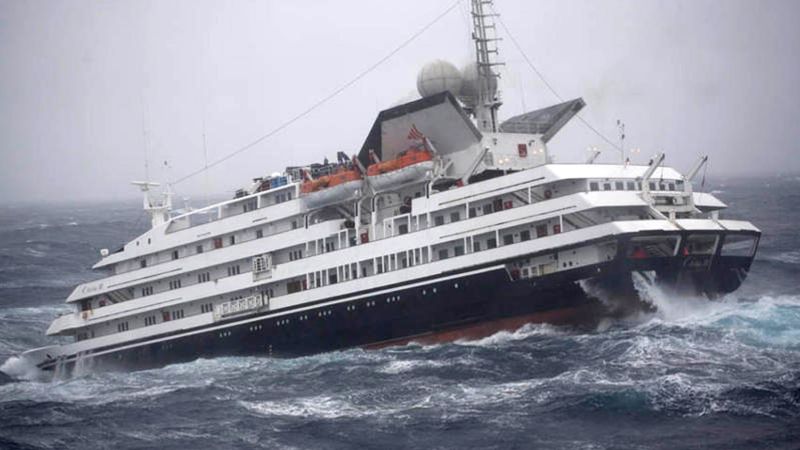
Encountering Wildlife Unmatched Anywhere on Earth
Antarctica has some of the most extraordinary wildlife viewing opportunities on the planet. The lack of fear animals display toward humans is astonishing, creating intimate encounters with species rarely seen elsewhere.
- Penguins: Colonies of Adélie, chinstrap, and gentoo penguins dominate the shores during the southern summer, filling the air with squawks and the bustle of nesting activity. Witnessing thousands of penguins waddling in organized chaos is an unforgettable moment.
- Seals: Weddell, leopard, and crabeater seals can often be found lounging on ice floes. Leopard seals are particularly mesmerizing with their sleek movements and powerful presence.
- Whales: December to March marks peak whale watching season. Humpback, minke, and orca whales glide alongside expedition vessels, offering spectacular photo opportunities.
For photographers and nature lovers, patience is key. Early morning light creates magical reflections, and guides often reposition boats to allow visitors the best views without disturbing the animals.
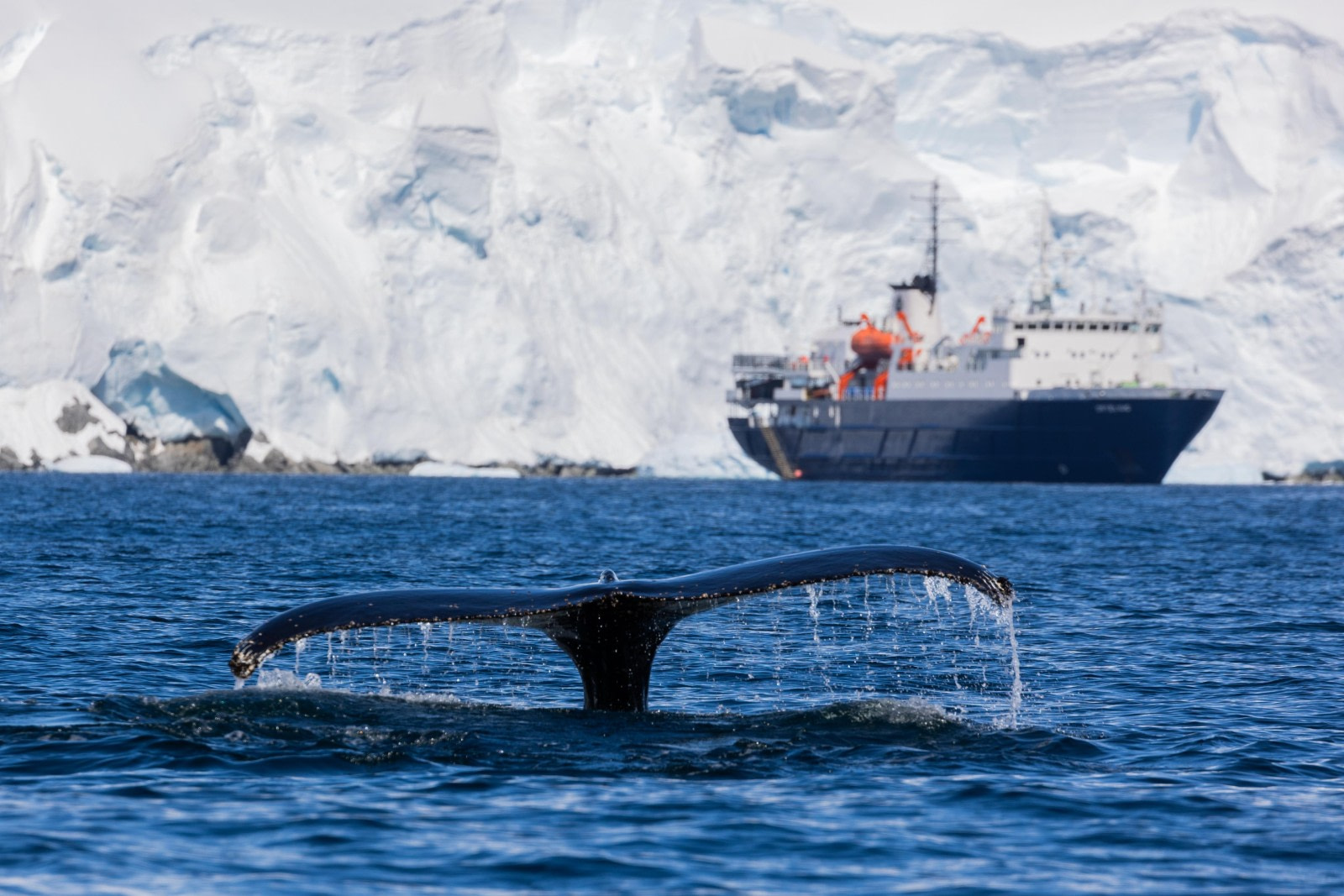
Kayaking Among Icebergs
One of the most serene and awe-inspiring ways to experience Antarctica is from the calm surface of a kayak. Paddling silently through crystal-clear waters surrounded by towering ice formations gives a feeling of utter stillness and connection with nature that few activities can match.
Kayaking excursions are organized as optional add-ons by many expedition operators. No prior experience is needed, but participants should be comfortable with cold conditions and basic paddling. Expert guides provide dry suits, gloves, and all necessary gear.
The highlights include gliding alongside icebergs streaked with blue, spotting penguins diving into the water, and hearing the crackle of melting ice echo across the bay. Safety briefings are thorough, and group sizes are small to preserve the tranquility of the experience.

The Midnight Sun and Antarctic Light
From late November through February, Antarctica is bathed in continuous daylight. The midnight sun casts surreal hues across the snow, painting the landscape in silvers, pinks, and golds that seem to change every few minutes.
This unique natural phenomenon is a paradise for photographers. Golden light reflects off icebergs, and long shadows emphasize the sculpted patterns of glaciers. Even those not deeply interested in photography will find themselves mesmerized by the atmosphere. Standing outside on deck late at night, with the sun hovering just above the horizon, is one of the simplest yet most astonishing moments you can experience here.
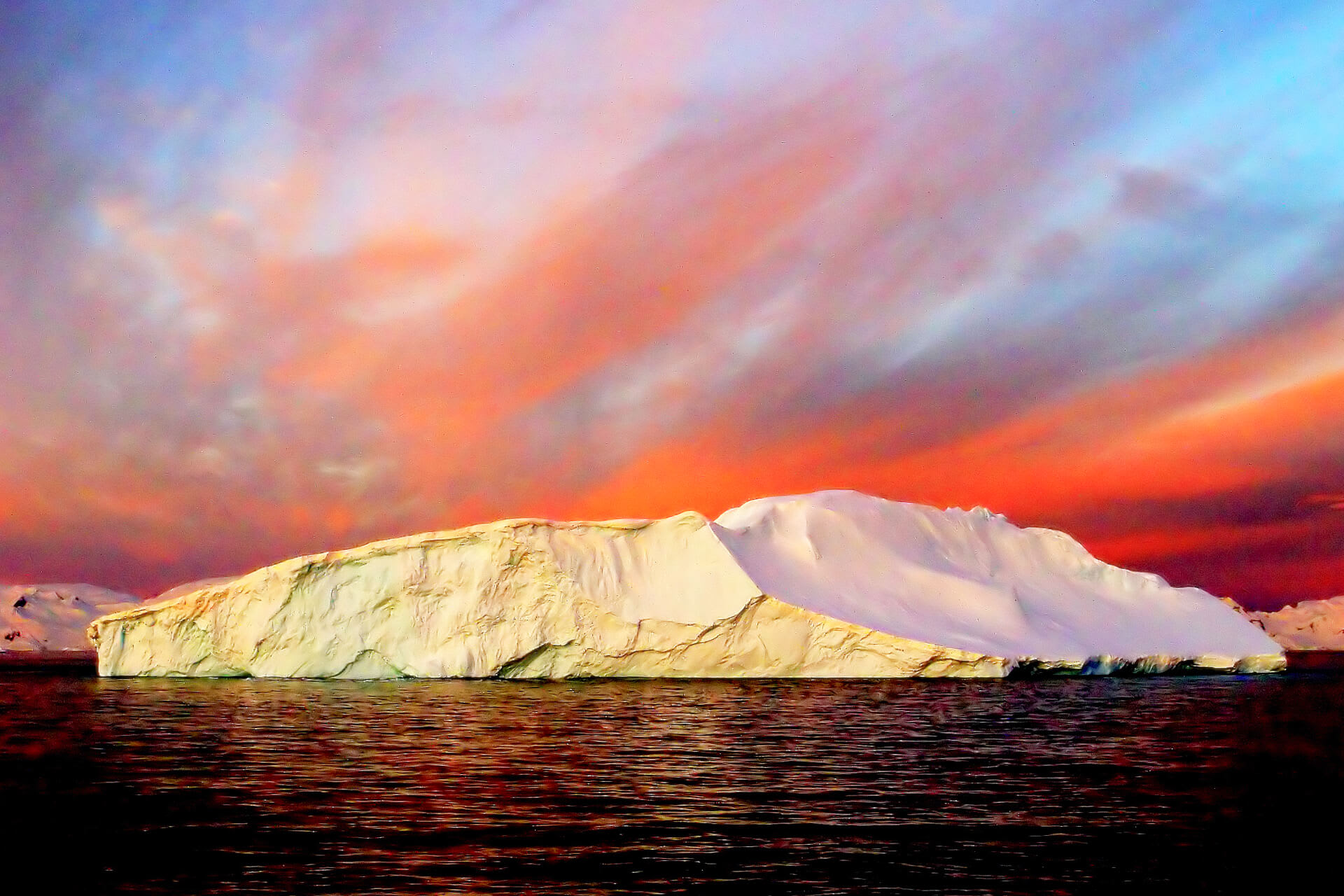
Camping on Ice
Imagine sleeping under a sky full of daylight or under a faint twilight glow surrounded by untouched snow. Camping in Antarctica gives you the rare chance to feel the vastness of the frozen continent away from the ship’s comfort.
The experience is minimalist by design. Campers are provided special sleeping bags, mats, and waterproof bivy sacks designed for extreme cold. There are no tents with heating or luxurious comforts, this is about immersion. After dinner onboard, adventurers head ashore to dig into the snow, set up camp, and fall asleep to the sound of cracking ice in the distance.
Camping is available on select voyages and must be booked well in advance due to limited capacity. It is both invigorating and humbling, providing a rare moment of complete isolation from the modern world.

Visiting Historic Research Stations
Beyond the incredible natural landscapes, Antarctica also has a fascinating human history. Visiting working or historic research stations offers insight into how life functions in this challenging environment.
The British Port Lockroy Station is the most visited, known for its small museum and post office where travelers can send postcards from the southernmost point of the world. Other stations, such as the Ukrainian Vernadsky or Chilean González Videla base, sometimes welcome visitors depending on circumstances and weather conditions.
These visits reveal how scientists study the ice, climate, and wildlife of the continent, and how logistical challenges shape daily life. The chance to speak with researchers and learn about their projects adds depth to your journey, bridging wilderness exploration with human endeavor.
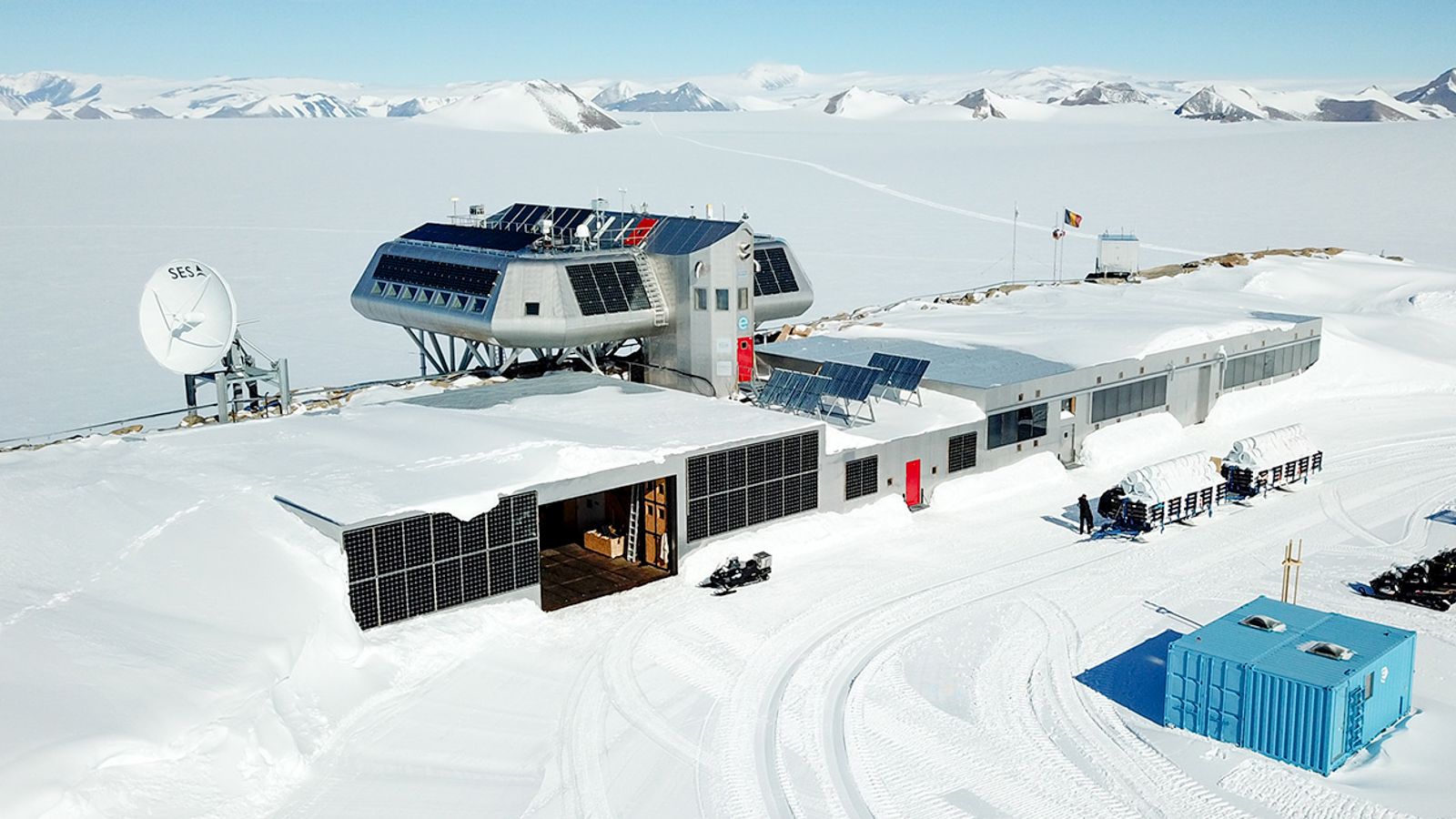
Navigating the Drake Passage
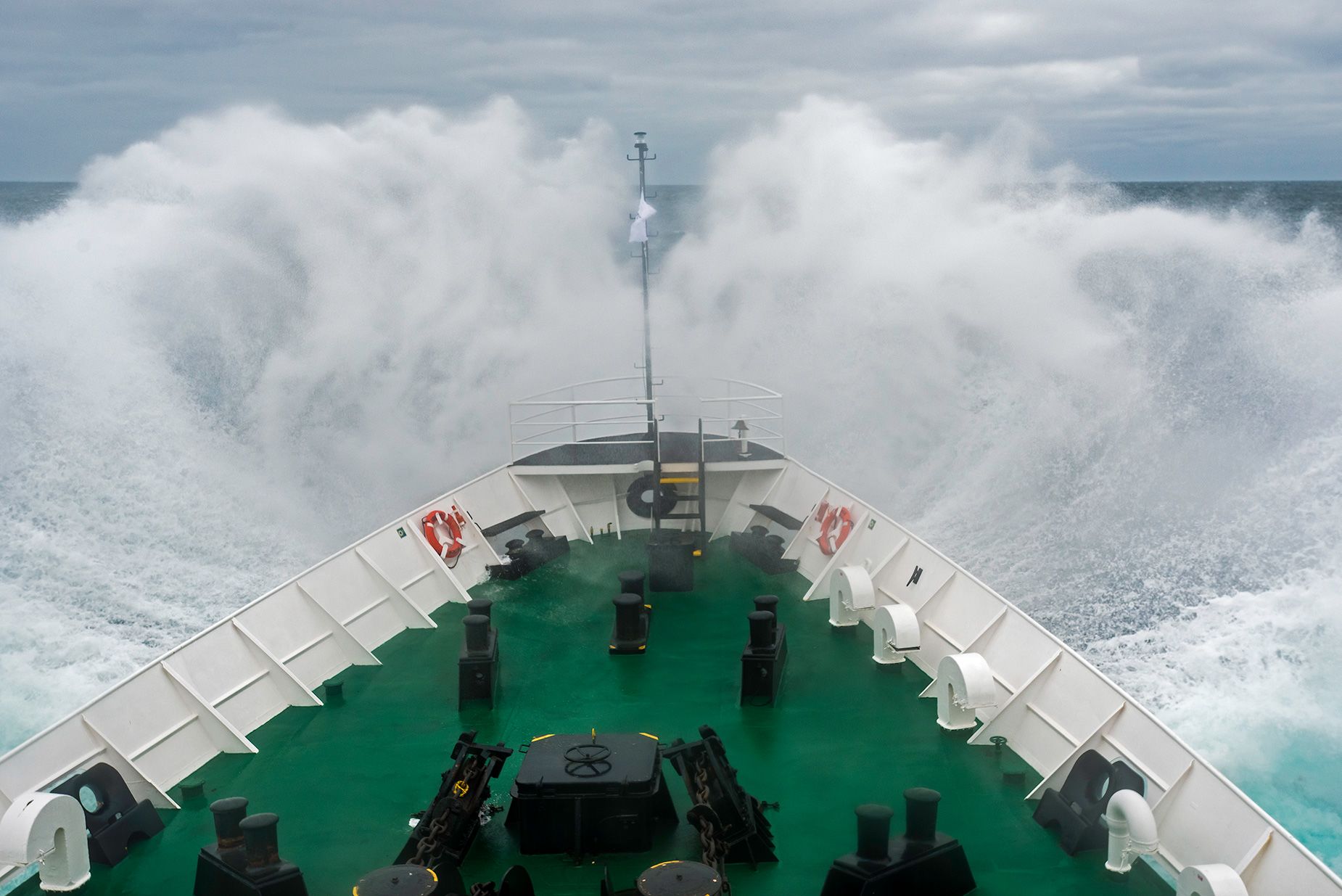
Crossing the Drake Passage, where the Atlantic and Pacific Oceans meet, is both an adventure and a rite of passage. Known for its unpredictable conditions, this stretch of water can range from calm and glassy to dramatically rough. Expedition vessels are built to withstand the extremes, and modern stabilization systems help passengers stay comfortable.
The crossing typically takes two days each way. Many travelers find it to be a highlight rather than a hurdle, as onboard guides offer lectures on Antarctic wildlife, photography, and geography. If seasickness is a concern, speak to your doctor about medications before departure to ensure a more comfortable voyage.
Responsible Travel in a Fragile Environment
Antarctica’s ecosystem is one of the most pristine on the planet, and preserving it is a shared responsibility. All operators adhere to strict environmental guidelines developed by the International Association of Antarctica Tour Operators (IAATO). Visitors are expected to follow the same principles.
Here are a few core practices to remember:
- Do not touch or approach wildlife; maintain a respectful distance at all times.
- Use the cleaning stations provided before and after landings to prevent cross-contamination of different sites.
- Leave no trace, everything you bring ashore returns with you.
- Follow the instructions of your expedition leaders carefully.
Responsible travel ensures that future generations can experience the same wonder while keeping this delicate world intact.
Conclusion
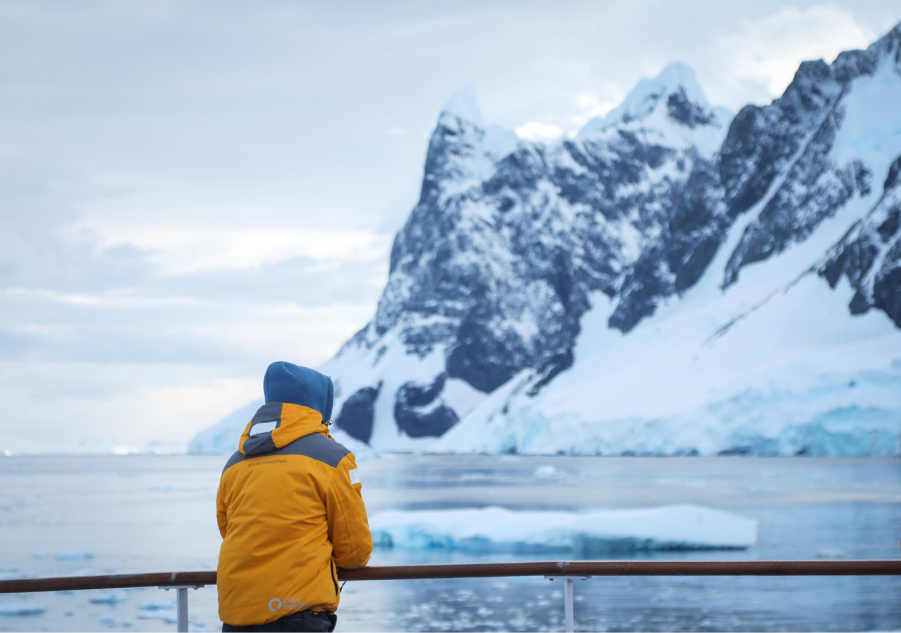
Antarctica challenges the imagination and rewards the spirit of adventure like few other places on earth. Whether you are kayaking beside blue ice giants, watching penguins waddle past, or simply gazing across an endless white horizon, every moment feels extraordinary.
These bucket list experiences remind us that travel can still be about exploration in its purest form. Visiting Antarctica is not just a journey across miles—it is a journey toward perspective, humility, and awe.
If standing on the southernmost continent is on your travel bucket list, make it a priority. Plan thoughtfully, travel responsibly, and allow yourself to be shaped by the stillness and power of this incredible land.
Further Reading
Best Beaches in Southern Europe
Cheapest Countries to Visit in Africa
Travel to Somalia; How I Traveled to Mogadishu
Free Family Things to do in Chicago Today
How to Spend Four Days in Hong Kong