
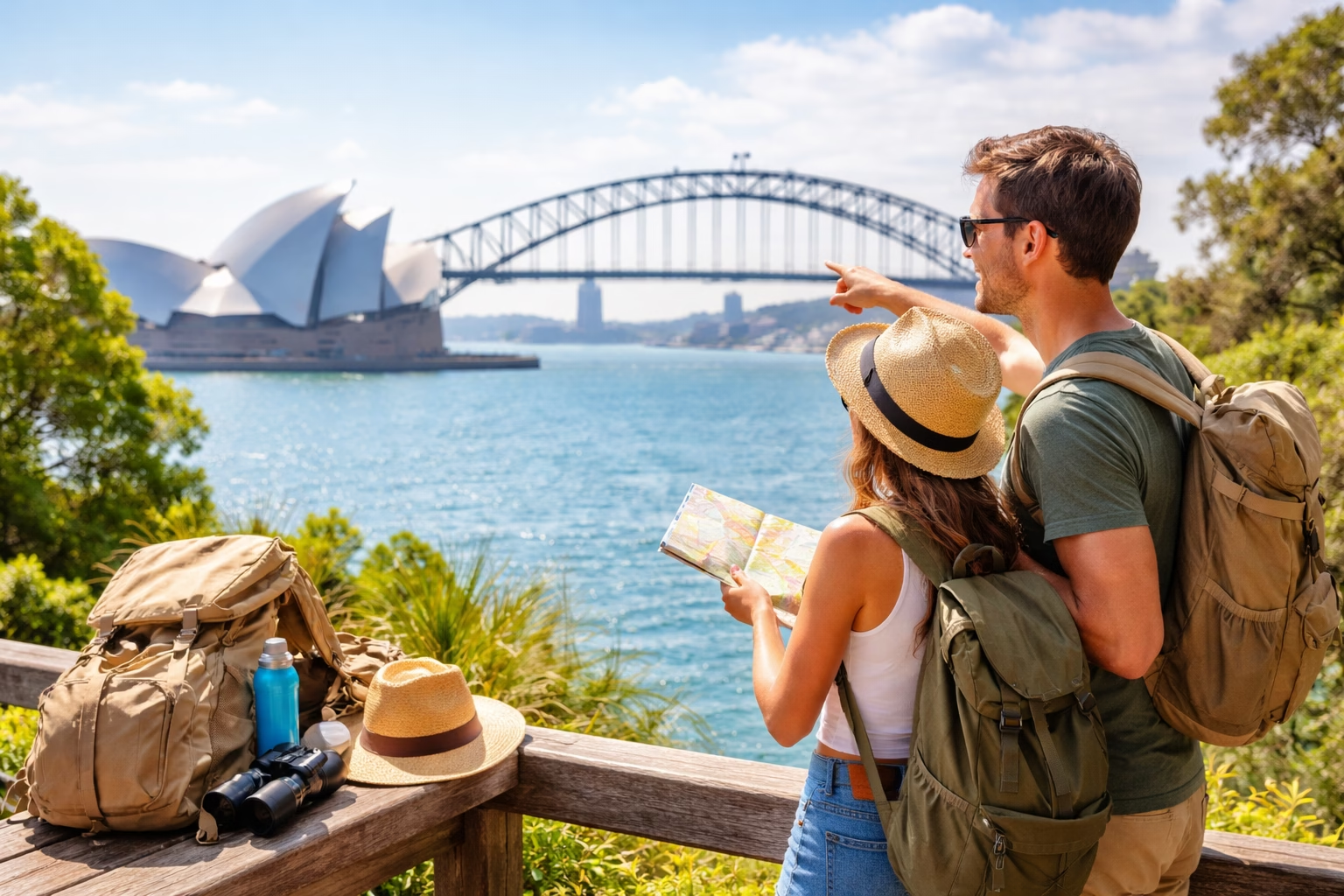
Australia stirs the imagination with its wide open landscapes, coastal wonders, ancient rainforests, and easygoing charm. For travelers, it is a dream destination offering the perfect mix of adventure and comfort. Yet, with its vast distances, unique wildlife, and sometimes extreme natural elements, understanding how to stay safe is as important as knowing where to go. This guide will help you navigate Australia confidently, focusing on practical safety tips that every visitor should know before setting out on their journey. From respecting the environment and its wildlife to managing city travel and remote exploration, each section of this article is designed to help you travel smarter, safer, and more aware.
- Protect against sun and dehydration: use high SPF sunscreen, wear a wide-brimmed hat and UV clothing, and drink water frequently.
- Respect wildlife and trail warnings: read signs, do not handle animals, swim only in designated stinger-net areas during jellyfish season.
- Swim between red and yellow flags, heed lifeguards, learn to escape rip currents by swimming parallel to shore, and check marine warnings.
- Use reputable taxis or rideshares, secure belongings on public transport, avoid poorly lit areas at night, and remember left-side driving rules.
- Plan outback trips carefully: carry extra fuel, food, water, share your itinerary, check road conditions, and obtain permits for Indigenous lands.

Understanding Australia’s Environment
Australia’s geography is extraordinary and unpredictable. This is a land where deserts meet the sea, tropical coasts become crocodile country, and the sun shines intensely year round. Appreciating how vast and diverse the country is can make a big difference to your safety.
Climate Awareness
Australia experiences extreme temperatures, especially during summer months. The sun can be harsh, and dehydration is common among travelers who underestimate the heat.
- Always wear sunscreen with a high SPF and reapply regularly.
- Carry a wide-brimmed hat, sunglasses, and light clothing with UV protection.
- Drink water frequently, even if you don’t feel thirsty.
Wildlife and Outdoor Safety
Australia’s wildlife is fascinating but should never be approached without caution. From box jellyfish along tropical coasts to snakes and spiders in rural areas, understanding the environment is key.
- Read local signage at beaches, parks, and walking trails. Warning signs are there for a reason.
- In northern Australia, always swim in designated areas with stinger nets during jellyfish season.
- If hiking or camping, inform someone of your plans and always carry a map, compass, and enough water.
The golden rule in Australia is to admire the natural world respectfully. Do not attempt to handle animals, and avoid swimming in unknown locations without checking for local safety notices.

Beach and Ocean Safety
Australia is famous for its beaches. The coastline stretches more than 30,000 kilometers, offering world-class surf, peaceful bays, and coral reef adventures. However, not all beaches are safe for swimming, and the ocean’s power should not be underestimated.
Related Posts:

Swim Between the Flags
Lifesavers mark safe swimming areas with red and yellow flags. Always stay between these flags, especially if you are unfamiliar with surf conditions. Lifeguards constantly monitor these zones and can respond quickly in an emergency.
Understand Rip Currents
Rip currents are among the most common hazards for swimmers. They are strong currents that pull water away from the shore. If caught in one, do not swim directly against it. Instead, swim parallel to the beach until you are clear of the current, then head back to shore.
Be Cautious with Marine Life
While shark attacks are exceedingly rare, jellyfish and sea urchin incidents are far more common. Wearing reef-safe footwear and protective clothing can help prevent injuries or stings. Local surf clubs often display information about current marine warnings, so take a moment to check before entering the water.

Staying Safe in Cities and Towns
Urban areas such as Sydney, Melbourne, Brisbane, and Perth are generally safe and welcoming. They have excellent public transport and modern infrastructure, yet urban common sense is always essential.
Transport Safety
- Use reputable taxi services or rideshare apps.
- On public transport, keep your belongings close, especially in crowded areas.
- When driving, remember that Australians drive on the left side of the road and seatbelts are required by law.
Nightlife and Personal Safety
Australian cities have vibrant nightlife scenes, but it is important to drink responsibly and stay aware of your surroundings. Avoid walking alone through poorly lit areas late at night and never accept drinks from strangers. ATMs are generally safe, but withdraw money in secure locations such as shopping centers whenever possible.
Emergency Contacts
In an emergency, dial 000 for police, fire, or ambulance services anywhere in Australia. It is a good idea to save this number in your phone along with contact details for your embassy or consulate.

Exploring the Outback and Remote Regions
The Australian outback and remote northern regions are some of the world’s most awe-inspiring landscapes. They also demand serious respect for nature and careful planning. Distances between towns can be vast, and mobile coverage may not always be available.
Plan and Prepare Thoroughly
- Always carry extra fuel, food, and water in case of delays.
- Inform someone reliable of your itinerary and estimated return time.
- Check road conditions before you travel, especially after rainfall, as unpaved tracks can be impassable.
Wildlife and Driving Precautions
Animals such as kangaroos and camels often cross roads unexpectedly, particularly at dawn and dusk. Driving at reduced speed during these times can prevent accidents. Use high-beam lights cautiously when in remote areas to watch for movement on the roadside.
Respect Traditional Lands
Many parts of rural and northern Australia are Indigenous lands. Obtain the proper permits if required and learn about local customs. Respect for local communities is both a safety measure and a vital way to experience Australia’s deep cultural heritage with understanding.

Health and Medical Considerations
Australia has excellent healthcare facilities, but medical costs can be high for international visitors. Preparing for health situations before you travel can save both money and stress.
Travel Insurance
Comprehensive travel insurance that includes medical evacuation, trip cancellation, and adventure activity coverage is essential. Confirm that your policy covers both urban clinics and remote medical transport if needed.
Common Health Concerns
Heat exhaustion, sunburn, and insect bites are the most frequent minor health issues. Always use insect repellent when traveling in tropical or bushland areas and wear long-sleeved clothing during the evenings in mosquito-prone zones.
Vaccinations are not mandatory for most travelers to Australia, but checking with your doctor before departure ensures peace of mind. Pharmacies are widely available, and staff are knowledgeable about over-the-counter remedies for common ailments.

Final Thoughts
Australia offers an extraordinary adventure for travelers who prepare wisely. Safety in this vast and diverse country comes from awareness, not worry. By respecting nature, staying alert in cities, and planning ahead in remote regions, visitors can experience the country’s remarkable beauty without unnecessary risks. From scuba diving on the Great Barrier Reef to hiking in the Blue Mountains or road tripping through the Outback, every journey becomes more rewarding when approached with understanding and care. Travel confidently, respect the environment, and let the magic of Australia unfold around you.
Further Reading
China Visa Guide for Tourists
5 Day Rome Itinerary with Must See Attractions
Travel to Somalia; How I Traveled to Mogadishu
Free Family Things to do in Chicago Today
How to Spend Four Days in Hong Kong