Explore Reefline Miami Sculpture Park: A Unique Coastal Experience
Discover the Reefline Miami Sculpture Park, a unique blend of art and nature that transforms the coastal landscape into an immersive experience.
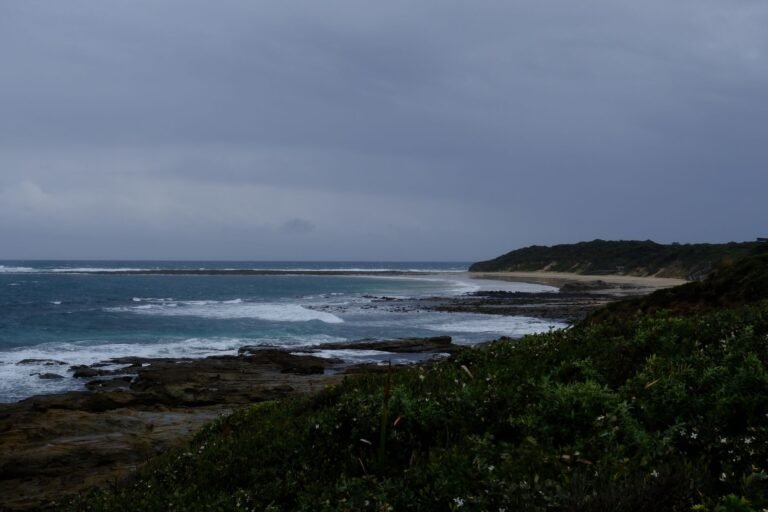
Miami is renowned for its vibrant culture, stunning beaches, and now, the Reefline Miami Sculpture Park. This innovative project merges art and environmental conservation, creating a unique experience for visitors. Located along the coast of Miami Beach, the park features sculptures that not only beautify the waterfront but also serve as artificial reefs, promoting marine life and offering a habitat for various species.
In this guide, we will explore the various aspects of the Reefline Miami Sculpture Park, including its history, the artists behind the installations, visitor information, and practical tips for making the most of your visit. Whether you are an art enthusiast, a nature lover, or simply looking for a unique outdoor experience, the Reefline has something for everyone.
From the moment you arrive, you will be captivated by the blend of creativity and nature. The park aims to educate visitors about the importance of marine ecosystems while providing an enjoyable space for recreation and artistic appreciation.
History of the Reefline Project
The Reefline Miami Sculpture Park was initiated to address the decline of coral reefs and marine habitats in the area. The project began in 2018, spearheaded by a team of artists, environmentalists, and community leaders who recognized the urgent need for marine conservation efforts. With rising ocean temperatures and pollution threatening the local ecosystems, the Reefline serves as a crucial initiative to promote awareness and restoration.
The concept behind the park is to create a series of sculptures that double as artificial reefs. These installations are designed to attract marine life, providing shelter and breeding grounds for various species. The project not only aims to restore the ocean’s health but also to create an engaging experience for visitors, combining art and nature in a harmonious setting.
Over the years, the park has expanded, with new installations being added regularly. Each sculpture is thoughtfully designed to reflect the local culture and environment, making the Reefline a living gallery that changes with the tides.
Art Installations at Reefline
The Reefline Miami Sculpture Park features a diverse array of sculptures created by both local and international artists. Each piece is carefully crafted to serve a dual purpose: as a work of art and as a functional reef structure. Here are some notable installations:
- “The Wave” – This large, undulating sculpture mimics the shape of ocean waves and is designed to encourage coral growth on its surface.
- “Coral Gardens” – A series of colorful, coral-like structures that provide shelter for various marine species, promoting biodiversity.
- “Sculpture of Resilience” – This installation symbolizes the strength of marine ecosystems and features interactive elements that engage visitors.
- “Marine Life Mosaic” – A vibrant mosaic made from recycled materials that reflects the beauty of ocean life while promoting sustainability.
- “The Guardian” – A towering sculpture that serves as a sentinel for the reef, representing protection and conservation efforts.
Each sculpture is not only visually striking but also plays a critical role in supporting marine life. The park encourages visitors to explore these installations through guided tours, providing insights into the artistic process and the ecological significance of each piece.
Visiting the Reefline Miami Sculpture Park
Planning a visit to the Reefline Miami Sculpture Park is straightforward, with several access points along Miami Beach. The park is open year-round, making it a fantastic destination for both locals and tourists. Here’s what you need to know:
Access Points and Directions
- By Car: The Reefline is accessible via major highways with parking available at nearby public lots. Check for any parking fees that may apply.
- By Public Transport: Miami’s public transport system offers bus routes that stop near the park. The Metrobus is a convenient option for those traveling from downtown Miami.
- By Bike: Many visitors opt to cycle to the park using Miami Beach’s extensive bike lanes. Rentals are available throughout the area.
Best Time to Visit
The optimal time to visit the Reefline Miami Sculpture Park is during the cooler months, from November to April, when temperatures are mild and pleasant. Avoiding the summer months can enhance your experience, as the heat and humidity can be intense. Early mornings or late afternoons are also ideal for avoiding crowds and enjoying a peaceful visit.
Guided Tours and Events
Guided tours of the Reefline are offered regularly, providing in-depth insights into the sculptures and their ecological importance. These tours are led by knowledgeable guides who can share fascinating stories about the artists and the impact of the installations on marine life. Additionally, the park hosts special events, workshops, and community activities aimed at raising awareness about marine conservation.

Activities at the Reefline
Beyond simply enjoying the art, the Reefline Miami Sculpture Park offers a range of activities for visitors of all ages. Here are some popular options:
Snorkeling and Diving
One of the most exciting aspects of the Reefline is the opportunity to snorkel or dive among the sculptures. These underwater installations create an engaging environment for exploring marine life. Local dive shops and tour companies offer guided snorkeling and diving trips to the Reefline, allowing visitors to witness the vibrant ecosystems that have developed around the sculptures.
Photography and Art Workshops
The park is a favorite spot for photographers and artists, thanks to the stunning visuals created by the interplay of art and nature. Photography workshops are occasionally offered, catering to both beginners and experienced photographers. Participants can learn techniques for capturing the beauty of the sculptures and surrounding marine life.
Relaxation and Picnicking
For those looking to unwind, the park features beautiful beach areas perfect for relaxation. Visitors can bring a picnic to enjoy while taking in the scenery. The sound of the waves and the sight of the sculptures create a serene atmosphere, making it an excellent spot for a leisurely afternoon.
Environmental Impact and Conservation Efforts
The Reefline Miami Sculpture Park is more than just a collection of art; it plays a significant role in environmental conservation. The project aims to address the declining health of coral reefs and marine ecosystems, which are crucial for biodiversity. Here are some key aspects of its environmental impact:
- Creating Habitats: The sculptures are designed to mimic natural reef structures, providing essential habitats for fish and other marine organisms.
- Educational Initiatives: The park serves as an educational platform, raising awareness about marine conservation, climate change, and sustainable practices among visitors.
- Community Involvement: Local communities are encouraged to participate in conservation efforts, fostering a sense of ownership and responsibility for the marine environment.
Through these initiatives, the Reefline Miami Sculpture Park contributes to the broader goal of marine restoration and sustainability. It demonstrates the power of art to inspire change and promote environmental stewardship.

Accessibility and Transportation Options
Getting There
Accessing the Reefline Miami Sculpture Park is relatively easy, thanks to its strategic location along the coast. Visitors can take advantage of various transportation options, including public transportation, rideshares, and personal vehicles. The Miami-Dade Transit system offers bus services that connect to the nearby areas, making it a convenient choice for those relying on public transport. Additionally, the park is bike-friendly, with designated bike lanes leading directly to the entrance, allowing visitors to enjoy a scenic ride along the coast.
Parking Facilities
For those who prefer to drive, ample parking is available near the park. There are several parking lots within walking distance, although availability may vary depending on the time of day and season. It’s advisable to arrive early, especially during weekends and holidays, to secure a parking spot. Fees for parking are typically reasonable, so visitors can enjoy their time without worrying about excessive costs.
Accessibility Features
The Reefline Miami Sculpture Park is committed to ensuring accessibility for all visitors. The pathways throughout the park are designed to accommodate wheelchairs and strollers, providing smooth access to various installations. Signage is clear and easy to read, helping guide visitors through the park. Furthermore, seating areas are strategically placed along the trails, allowing visitors to take breaks and enjoy the views comfortably.
Educational Programs and Workshops
Art and Nature Workshops
The Reefline Miami Sculpture Park offers a variety of educational programs that engage visitors with both the art and the natural environment. Workshops are designed for all ages and cover topics such as marine ecology, sculpture creation, and sustainability practices. Participants can learn directly from local artists and environmentalists, gaining hands-on experience and insight into the importance of conservation.
Guided Tours
Guided tours are available for those looking to delve deeper into the park’s art and ecological significance. Local experts lead these tours, providing informative commentary on the various installations and the surrounding marine environment. Tours typically last about an hour and allow participants to ask questions, making it a highly interactive experience. The guides share fascinating stories about the artists and the inspiration behind each piece, enriching the visitor experience.
School and Community Programs
The park also emphasizes community engagement through programs tailored for schools and local organizations. These initiatives aim to foster a sense of stewardship for the environment among young people. Programs might include:
- Field trips for schools that combine art appreciation with environmental education
- Hands-on activities such as beach cleanups or coral planting
- Collaborative projects between artists and students to create temporary installations
These programs not only educate participants about the importance of marine ecosystems but also inspire creativity and community involvement.

Food and Refreshment Options
Nearby Dining Choices
While the Reefline Miami Sculpture Park does not have on-site dining facilities, there are several excellent restaurants and cafes located within a short distance. These establishments offer a variety of cuisines, catering to different tastes and budgets. From casual beachside cafes to upscale dining options, visitors can find meals that suit their preferences. Some popular nearby options include:
- Beachside Bistro – known for its fresh seafood and stunning ocean views
- Coastal Kitchen – a casual eatery offering a diverse menu with local ingredients
- Artisan Cafe – perfect for coffee lovers looking for a quick snack or light meal
Many of these dining options feature outdoor seating, allowing patrons to bask in the coastal atmosphere while enjoying their meals.
Picnic Areas
For those who prefer to bring their own food, designated picnic areas are available within the park. These spots are equipped with tables and benches, providing a comfortable setting for visitors to enjoy their meals amidst the beautiful surroundings. It’s a great way to take a break after exploring the art installations. Visitors are encouraged to bring reusable containers and utensils to minimize waste, aligning with the park’s sustainability ethos.
Local Food Trucks
Another delightful option for visitors is the rotating selection of food trucks that often set up near the park. These food trucks provide an array of culinary delights, from tacos to gourmet sandwiches, often featuring local flavors. The dynamic nature of food trucks means there is always something new to try, and they typically operate during peak hours, ensuring that visitors have convenient meal options while exploring the park.
Frequently Asked Questions
What is the Reefline Miami Sculpture Park?
The Reefline Miami Sculpture Park is an outdoor art project that combines sculpture and marine conservation, featuring installations that serve as artificial reefs along the Miami Beach coastline.
How do I get to the Reefline?
The Reefline is accessible by car, public transport, or bike, with several entry points along Miami Beach. Parking is available in nearby public lots.
Are there guided tours available?
Yes, the park offers guided tours that provide insights into the sculptures and their ecological importance, along with special events and workshops throughout the year.
Can I snorkel or dive at the Reefline?
Yes, snorkeling and diving are popular activities at the Reefline, with local tour companies offering guided experiences to explore the underwater art installations.
The Bottom Line
The Reefline Miami Sculpture Park offers a unique blend of art and environmental awareness, making it a must-visit destination for anyone interested in marine life or public art. With its stunning sculptures, educational initiatives, and opportunities for recreation, the park represents a forward-thinking approach to conservation and community engagement. Whether you are exploring the installations, enjoying a picnic on the beach, or diving into the underwater world, the Reefline promises an unforgettable experience.
Visa rules, prices and opening times change. Always confirm details with official sources before you travel.