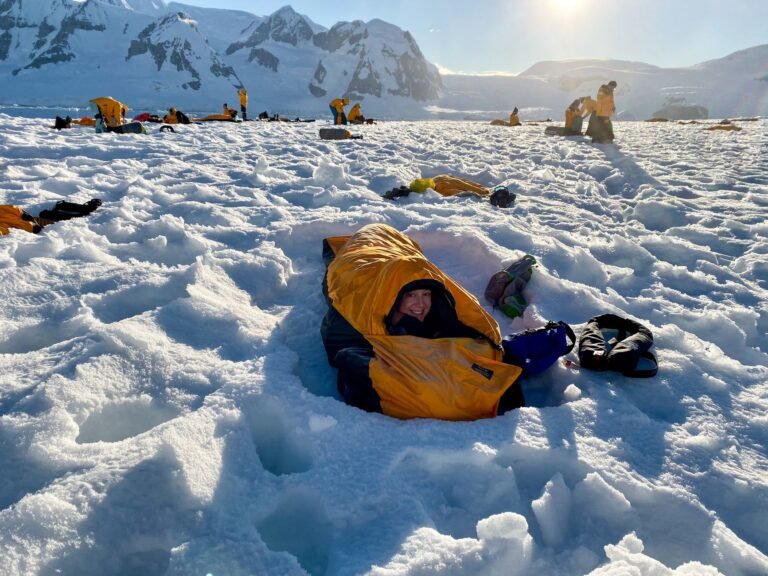
Airbnb Antarctic Sabbatical: Your Ultimate Guide to Adventure
Explore how to plan an unforgettable Airbnb Antarctic sabbatical filled with adventure, nature, and unique experiences.
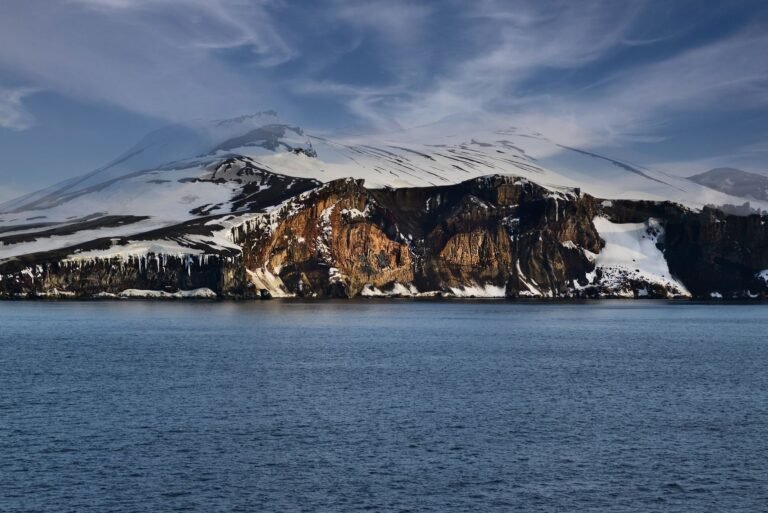
The allure of Antarctica is undeniable. With its breathtaking landscapes, unique wildlife, and a sense of adventure that few places can match, it’s no wonder that many travelers dream of spending an extended period in this majestic region. An Airbnb Antarctic sabbatical offers the perfect opportunity to immerse yourself in this extraordinary environment while enjoying the comforts of home.
Planning a sabbatical in such a remote and extreme location requires careful consideration. From choosing the right Airbnb accommodation to understanding the climate and logistics of travel, this guide will provide you with practical insights to help you embark on your Antarctic adventure.
Whether you’re looking to escape the hustle and bustle of everyday life or seeking a unique experience to enrich your soul, an Airbnb Antarctic sabbatical could be the adventure of a lifetime. This article will cover everything you need to know to make your dream a reality.
Choosing the Right Airbnb in Antarctica
Finding suitable Airbnb accommodations in Antarctica can be challenging due to its limited infrastructure. However, there are several options available, primarily in research stations and eco-lodges that offer unique experiences. Here are some factors to consider when selecting your Airbnb:
Location
Location is crucial when choosing your Airbnb. Many accommodations are situated near research stations or popular tourist spots, allowing easy access to guided tours and excursions. Some popular areas include:
- Ushuaia, Argentina: Often considered the gateway to Antarctica, Ushuaia offers numerous lodging options and easy access to cruises.
- Punta Arenas, Chile: This city is another departure point for Antarctic expeditions and has various accommodations to choose from.
- Research Stations: Some research stations, like the Argentinian Esperanza Base, may offer limited accommodations for tourists.
Comfort and Amenities
When venturing into such a harsh environment, comfort is essential. Look for listings that include:
- Heating and insulation to cope with low temperatures.
- Basic kitchen facilities to prepare meals.
- Access to Wi-Fi or communication facilities to stay connected.
Unique Experiences
Some Airbnb hosts offer unique experiences that can enhance your stay. This could include:
- Guided wildlife tours to see penguins, seals, and whales.
- Workshops on sustainability and conservation efforts in Antarctica.
- Local cultural experiences with indigenous communities.
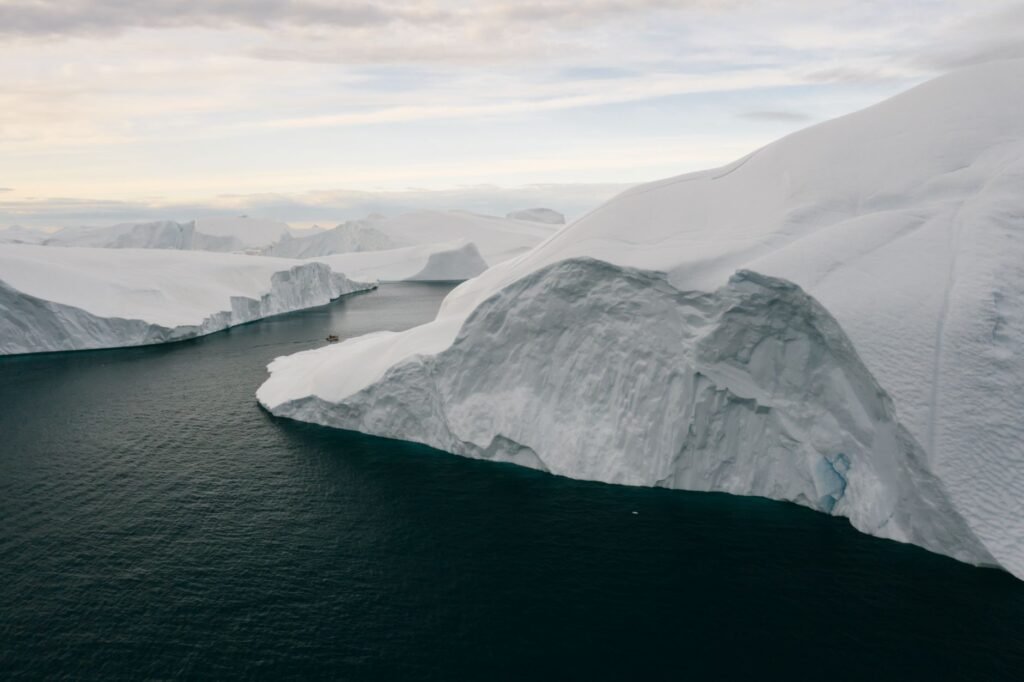
Planning Your Antarctic Sabbatical
Planning a sabbatical in Antarctica requires meticulous attention to detail. Here are essential steps to ensure a successful trip:
Understanding the Climate
Antarctica’s climate is one of the most extreme on the planet. Understanding the seasonal variations is critical for your travel planning:
- Summer (November to March): This is the most popular time to visit, offering milder temperatures and extended daylight. Expect temperatures ranging from -2°C to 8°C (28°F to 46°F).
- Winter (April to October): This season is characterized by harsh conditions, with temperatures dropping well below freezing. Travel options are limited, and many accommodations close.
- Pack Accordingly: Ensure your clothing is suitable for extreme cold, including insulated jackets, thermal layers, and waterproof boots.
Travel Logistics
Getting to Antarctica involves navigating complex logistics. Here are steps to streamline your travel:
- Flights: Most travelers fly to Ushuaia or Punta Arenas before boarding a cruise ship or charter flight to Antarctica.
- Booking Early: Secure your flights and accommodations well in advance, especially for the summer season, as options fill quickly.
- Insurance: Comprehensive travel insurance is a must, covering trip cancellations, medical emergencies, and evacuation.
Budgeting for Your Trip
Antarctic trips can be costly, so budgeting appropriately is essential. Consider the following expenses:
- Airfare: Round-trip flights to Ushuaia or Punta Arenas can vary widely, often ranging from $1,000 to $2,500.
- Accommodation: Expect to pay anywhere from $100 to $500 per night for Airbnb options, depending on location and amenities.
- Excursions: Budget for guided tours and activities, which can range from $100 to $500 each.
Experiencing the Antarctic Lifestyle
An Airbnb Antarctic sabbatical is not just about the stunning scenery; it’s also an opportunity to embrace a unique lifestyle. Here’s what to expect:
Daily Life in Antarctica
Life in Antarctica is often dictated by the extreme environment. Daily routines may include:
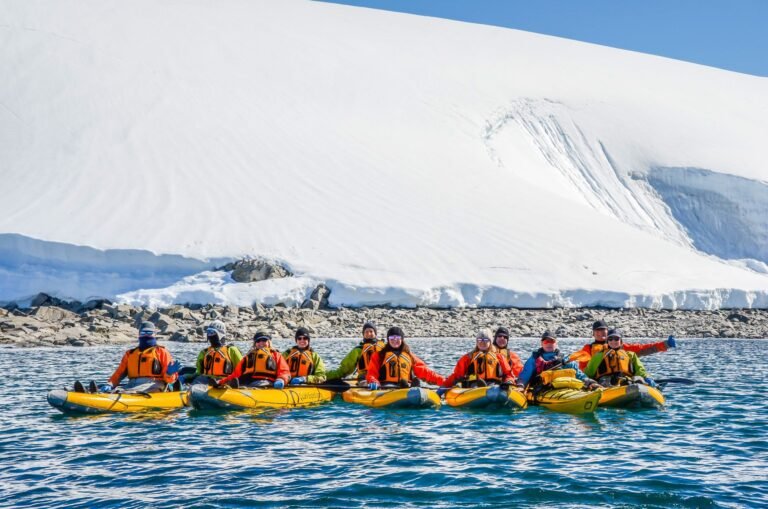
- Outdoor Activities: Engage in activities like hiking, kayaking, or even skiing during the summer months.
- Wildlife Observation: Spend time observing the unique wildlife, including seals, whales, and various bird species.
- Community Involvement: Many Airbnb hosts encourage guests to participate in local conservation efforts or educational programs.
Health and Safety Considerations
Health and safety are paramount when traveling to Antarctica. Here are precautions to keep in mind:
- Physical Fitness: Ensure you are in good health and physically fit to handle the challenging environment.
- First Aid Supplies: Carry a well-stocked first aid kit, including supplies for cuts, scrapes, and altitude sickness.
- Emergency Protocols: Familiarize yourself with emergency procedures, especially for evacuations and severe weather conditions.
Connecting with Nature
The isolation and beauty of Antarctica provide a unique opportunity for reflection and connection with nature. Many visitors find:
- Peace and Solitude: The remote environment offers a chance to disconnect from technology and reconnect with oneself.
- Mindfulness Practices: Consider incorporating mindfulness practices like meditation or journaling to enhance your experience.
- Photography: The stunning landscapes and wildlife create perfect opportunities for photography enthusiasts.
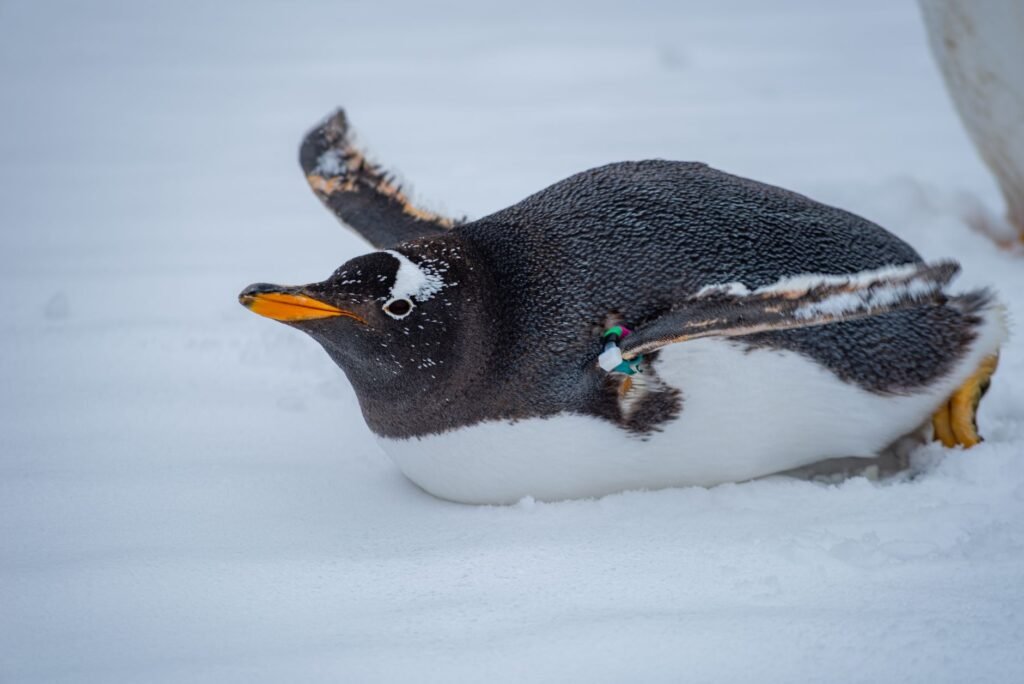
Environmental Considerations
Traveling to Antarctica comes with significant environmental responsibility. Here are ways to minimize your impact:
Leave No Trace Principles
Adhering to Leave No Trace principles is essential to preserving the fragile Antarctic environment. Key practices include:
- Staying on Established Trails: Avoid venturing off marked paths to protect native flora and fauna.
- Waste Management: Carry out all waste, including food scraps, and ensure proper disposal in designated areas.
- Respect Wildlife: Maintain a safe distance from animals and avoid disturbing their natural behaviors.
Supporting Local Conservation Efforts
Engaging with local conservation initiatives can enhance your experience and contribute positively to the environment. Consider:
- Participating in Clean-Up Initiatives: Join organized clean-ups to help maintain the pristine environment.
- Volunteering: Some programs offer volunteer opportunities focused on research and conservation.
- Educating Others: Share your experiences and knowledge about the importance of protecting Antarctica.
Being a Responsible Tourist
As a visitor to such a sensitive area, being a responsible tourist is vital. This includes:
- Understanding Regulations: Familiarize yourself with regulations governing tourism in Antarctica, such as visitor limits and permitted activities.
- Supporting Eco-Friendly Options: Choose accommodations and tours that prioritize sustainability and environmental protection.
- Contributing Financially: Support organizations dedicated to Antarctic research and conservation efforts.
Essential Packing List for Your Antarctic Sabbatical
Preparing for a trip to Antarctica requires careful consideration of the unique environment you will encounter. The extreme weather conditions can be unforgiving, so having the right gear is crucial for both safety and comfort. Below is a comprehensive packing list to ensure you are well-prepared.
Clothing
- Base Layers: Thermal tops and bottoms that wick moisture and retain warmth.
- Insulating Layer: Fleece or down jackets to provide additional warmth.
- Outer Layer: Waterproof and windproof jackets and pants to protect against the elements.
- Accessories: Warm hats, insulated gloves, and neck gaiters are essential to keep extremities warm.
- Footwear: Waterproof boots with good insulation and thick, warm socks.
When selecting clothing, opt for materials that are breathable and quick-drying. Layering your clothing will allow you to adjust to varying temperatures throughout the day.
Camping and Outdoor Gear
- Backpack: A durable, waterproof backpack for daily excursions.
- Sleeping Bag: A high-quality sleeping bag rated for sub-zero temperatures.
- Camping Stove: Portable stoves for cooking meals in the wilderness.
- First Aid Kit: A well-stocked first aid kit tailored for outdoor activities.
Camping gear can significantly enhance your experience, allowing you to embrace the natural beauty of Antarctica. Make sure to familiarize yourself with proper camping protocols in this sensitive environment.
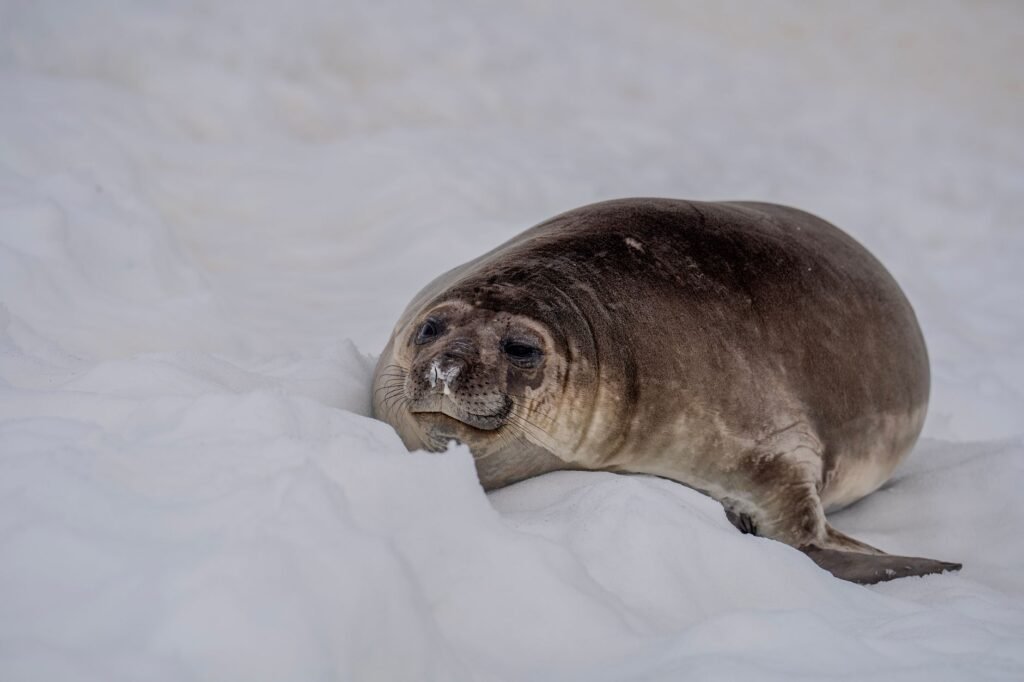
Engaging with Local Wildlife Safely
Antarctica is home to a diverse range of wildlife, including seals, penguins, and various bird species. Engaging with these animals can be one of the highlights of your trip, but it is vital to do so responsibly and safely. Here are some guidelines to follow.
Understanding Animal Behavior
- Observe from a Distance: Maintain a safe distance from all wildlife to avoid causing stress.
- Know the Signs: Learn to recognize signs of agitation in animals, such as vocalizations or charging.
- Follow Guidelines: Abide by the International Association of Antarctica Tour Operators (IAATO) guidelines when interacting with wildlife.
Understanding animal behavior is essential for both your safety and the well-being of the animals. Each species has its own set of cues that indicate whether they feel threatened or comfortable.
Photography Tips for Wildlife Watching
- Use a Telephoto Lens: A telephoto lens allows you to capture images without getting too close.
- Be Patient: Wait for the right moment to get that perfect shot.
- Practice Ethical Photography: Avoid using flash and respect the animal’s space.
Wildlife photography in Antarctica can lead to stunning images that capture the essence of your adventure. Remember to be patient and respectful toward the animals.
Unique Experiences Beyond the Airbnb
While your Airbnb will serve as a comfortable base, don’t miss the countless unique experiences that Antarctica has to offer beyond your accommodation. Engaging in local activities not only enriches your adventure but also helps you connect with the region.
Guided Tours and Excursions
- Kayaking: Explore the icy waters and gain a different perspective of the landscape.
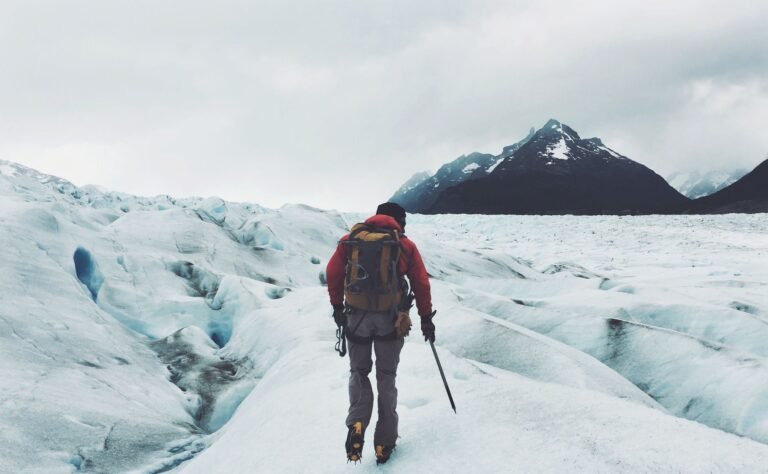
- Hiking: Join guided hikes to discover hidden gems and breathtaking vistas.
- Wildlife Spotting Tours: Go on specialized tours focused on observing specific species.
Guided tours can provide valuable insights into the ecosystem and history of Antarctica. Local guides can share their experiences, making your adventure more meaningful.
Cultural Connections
- Research Stations: Visit research stations to learn about ongoing scientific studies.
- Local Artisans: Support local artisans and craftspeople by purchasing authentic souvenirs.
- Volunteer Opportunities: Engage in conservation efforts through organized volunteer programs.
Connecting with local culture offers a deeper understanding of the Antarctic environment. Participating in volunteer programs can also provide a sense of fulfillment and contribution to the preservation of this unique ecosystem.

Understanding Antarctic Weather Patterns
Seasonal Overview
Antarctica is characterized by extreme weather conditions that can vary significantly throughout the year. Understanding these seasonal variations is crucial for any traveler planning a sabbatical. The summer months, from November to March, are typically the warmest, with temperatures ranging from -2°C to 8°C. In contrast, winter months bring frigid temperatures that can drop below -30°C, making it essential to plan your trip during the warmer season if you intend to engage in outdoor activities.
Weather Preparedness
Preparing for the unpredictable weather in Antarctica is vital for your safety and enjoyment. Layering your clothing is one of the best strategies to stay warm. Here’s a practical list of clothing items to consider:
- Thermal base layers
- Insulated mid-layers
- Waterproof outer layers
- Warm hats and gloves
- Sturdy, insulated boots
Additionally, keep an eye on weather forecasts through reliable apps or local sources to adjust your plans accordingly. Sudden weather changes can impact visibility and accessibility to certain areas.
Navigating Antarctic Regulations and Permits
Essential Permits and Documentation
Before embarking on your Antarctic adventure, it is crucial to familiarize yourself with the regulations and permits required for travel. The Antarctic Treaty System governs international relations regarding Antarctica and sets forth guidelines for tourism. Depending on your activities, you may need specific permits, especially if you’re planning to visit research stations or engage in scientific activities.
Responsible Tourism Practices
Adhering to responsible tourism practices is essential in preserving the fragile Antarctic environment. This includes following guidelines such as:
- Staying on marked trails
- Maintaining a safe distance from wildlife
- Minimizing waste and using environmentally friendly products
- Respecting the cultural heritage of research stations
Understanding and respecting these regulations not only enhances your experience but also contributes to the conservation efforts in the region.

Enhancing Your Experience with Local Knowledge
Connecting with Local Experts
One of the best ways to enrich your Antarctic sabbatical is by connecting with local experts. Many Airbnbs offer hosts who are knowledgeable about the area and its ecology. Taking the time to engage with them can provide insights into hidden gems, best local practices, and even unique experiences that you might not find in guidebooks.
Participating in Community Initiatives
Engaging in community initiatives can also enhance your experience. Many Airbnb hosts might organize or participate in local conservation efforts, educational workshops, or even cultural exchanges. Here’s how you can get involved:
- Volunteer for beach clean-ups
- Attend local lectures or workshops
- Participate in guided tours led by local experts
- Support local artisans by purchasing their crafts
These activities not only deepen your understanding of the Antarctic environment but also foster a sense of community and collaboration with the locals.
Frequently Asked Questions
What is the best time to visit Antarctica?
The best time to visit Antarctica is during the summer months from November to March, when temperatures are milder, and wildlife is more active.
How much does an Airbnb in Antarctica cost?
Prices for an Airbnb in Antarctica can vary significantly, typically ranging from $100 to $500 per night depending on location and amenities.
Is it safe to travel to Antarctica?
Traveling to Antarctica is generally safe, but it’s essential to follow safety guidelines, be physically fit, and have comprehensive travel insurance.
What activities can I do in Antarctica?
Activities in Antarctica include wildlife observation, hiking, kayaking, and participating in guided tours or workshops.
The Bottom Line
An Airbnb Antarctic sabbatical offers a unique opportunity to explore one of the world’s last frontiers. With careful planning and consideration for the environment, you can create an unforgettable experience that combines adventure, relaxation, and connection with nature. Embrace the challenges and rewards of this extraordinary journey, and prepare for memories that will last a lifetime.
Visa rules, prices and opening times change. Always confirm details with official sources before you travel.