Antarctica Adventure Activities: Thrilling Experiences Await
Discover thrilling Antarctica adventure activities, from kayaking to polar trekking, in this comprehensive guide for your next expedition.
Antarctica, the last great wilderness on Earth, offers unparalleled adventure activities for thrill-seekers and nature enthusiasts alike. With its stunning landscapes, unique wildlife, and extreme conditions, it’s a destination that attracts explorers from around the globe. Whether you’re kayaking among icebergs, trekking across glaciers, or observing penguins in their natural habitat, the opportunities for adventure in Antarctica are endless.
This guide will walk you through some of the most exciting adventure activities available in Antarctica, helping you plan a trip that suits your interests and capabilities. From the best times to visit to practical tips for safety and costs, you’ll find everything you need to embark on an unforgettable journey.
As you consider your options, be prepared for the challenges that come with this remote and extreme environment. Proper preparation ensures that your adventure is not only thrilling but also safe and enjoyable. Let’s explore the adventure activities that await you in Antarctica.
Popular Adventure Activities in Antarctica
Antarctica’s unique environment allows for a range of thrilling activities. Here are some of the most popular adventure activities that visitors can enjoy:
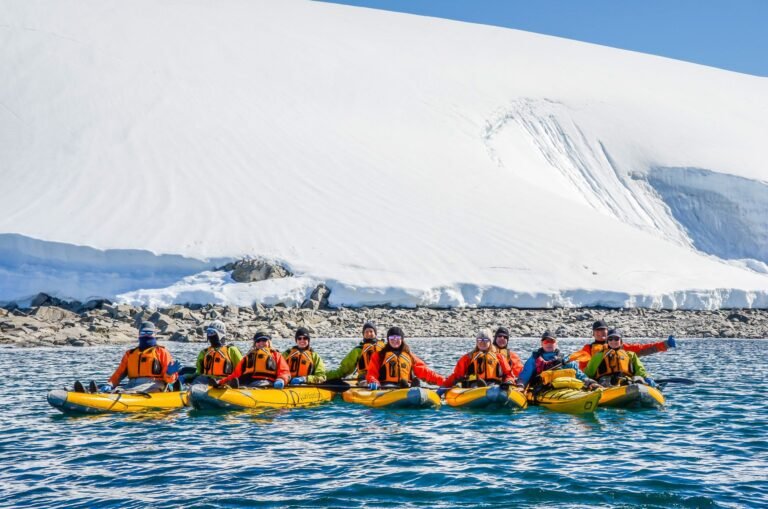
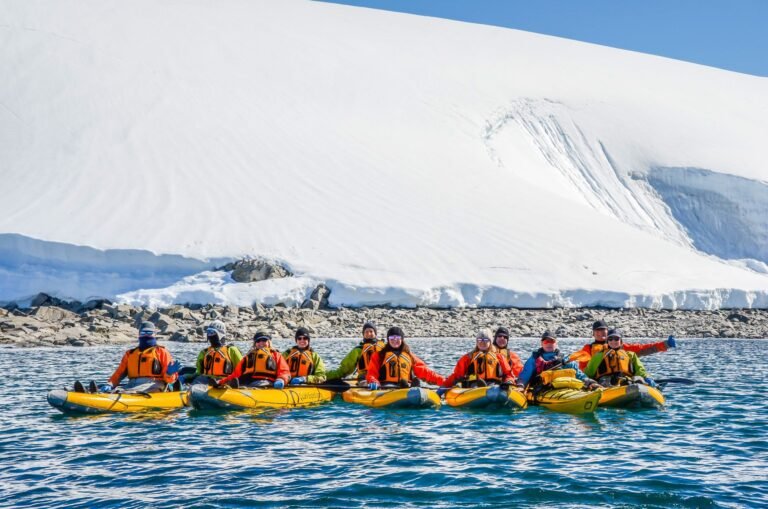
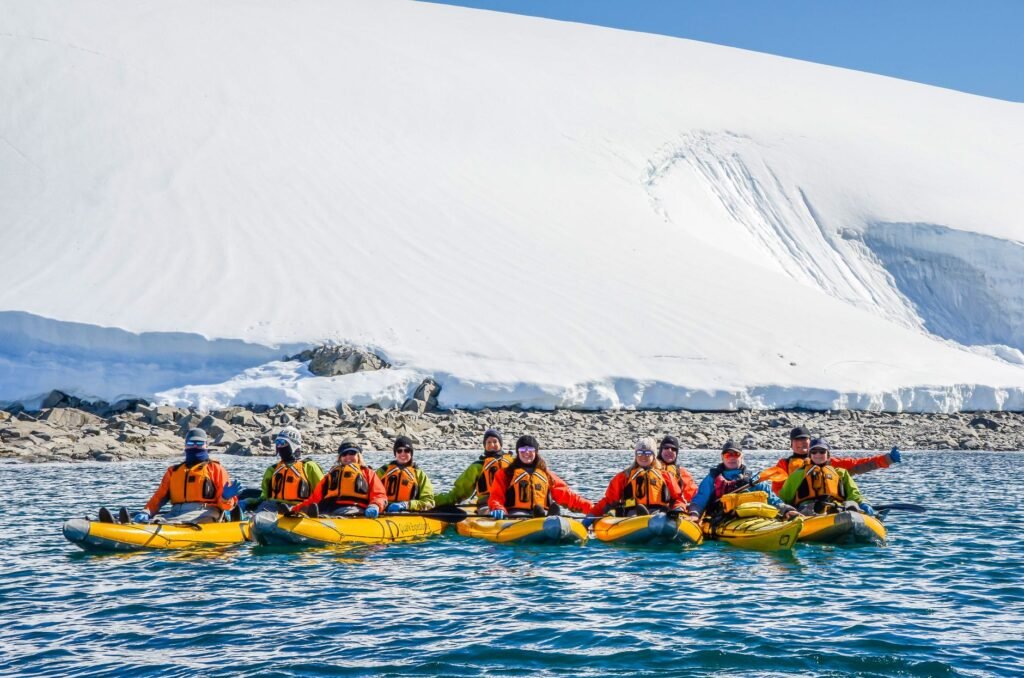
- Kayaking: Paddle through icy waters, navigating between towering icebergs and observing marine wildlife.
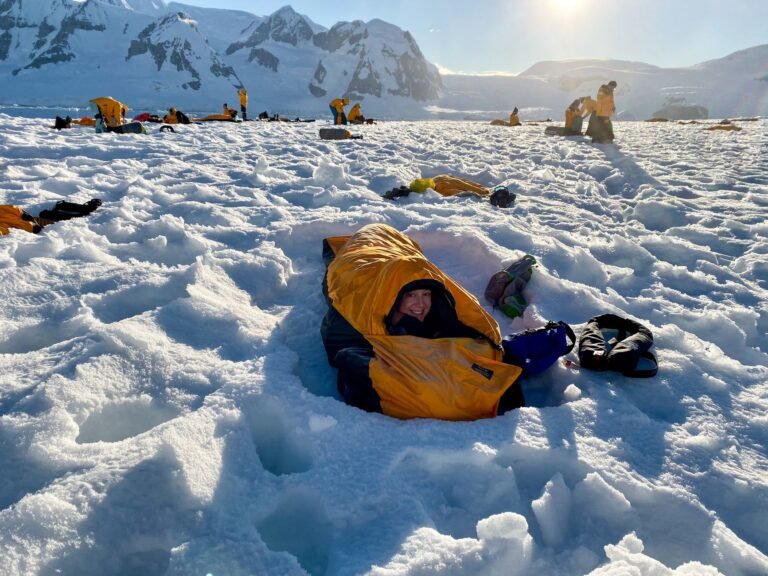
- Camping: Experience the serene beauty of Antarctica by camping overnight on the ice, surrounded by stunning landscapes.
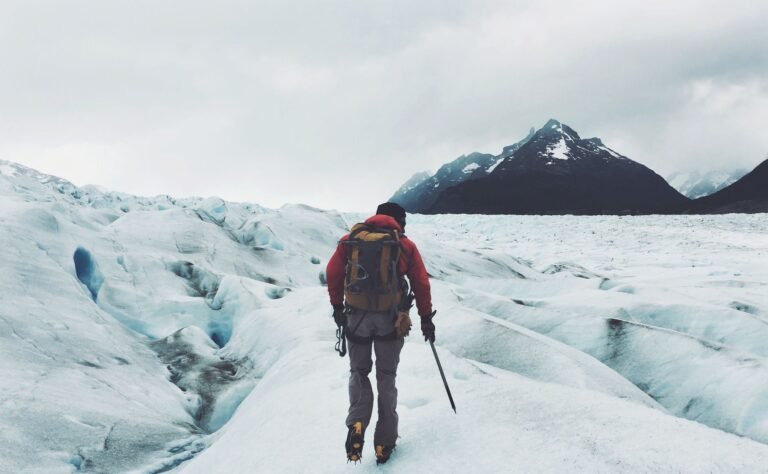
- Hiking and Trekking: Explore the rugged terrain on foot, with options ranging from short hikes to multi-day treks across glaciers.
- Wildlife Watching: Observe penguins, seals, and whales in their natural habitats, often close up and personal.
- Ice Climbing: For the adventurous, ice climbing on glaciers provides a thrilling challenge and breathtaking views.
Kayaking in Antarctica
One of the most exhilarating ways to explore Antarctica is through kayaking. This activity allows you to get up close to the icebergs and marine life while enjoying the tranquility of the icy waters. Kayaking trips usually take place in smaller groups, providing a more intimate experience with nature.
Before you embark on a kayaking adventure, it’s essential to consider the following:
- Physical Fitness: Kayaking can be physically demanding, especially in cold conditions, requiring a good level of fitness.
- Guided Tours: Most kayaking activities are offered through guided tours, ensuring safety and local expertise.
- Required Equipment: Ensure you have all necessary gear, including a dry suit, gloves, and a life jacket, often provided by tour operators.
Camping in Antarctica
Camping in Antarctica provides a unique opportunity to experience the continent’s beauty overnight. Most camping experiences are organized as part of guided trips, allowing you to stay in designated camping areas safe from the elements.
Here’s what to expect:
- Duration: Camping trips can last anywhere from one night to several days, depending on the itinerary.
- Equipment: Campers are usually provided with tents, sleeping bags, and other essential camping gear suitable for extreme cold.
- Safety Measures: Guides ensure that safety protocols are followed, including monitoring weather conditions and providing emergency support.
Hiking and Trekking
Hiking in Antarctica can range from simple walks on the ice to challenging treks across glaciers. The experience offers breathtaking views of the landscape and opportunities to observe wildlife. Popular hike locations include the Antarctic Peninsula, where you can encounter stunning ice formations and diverse ecosystems.
Consider the following when planning a hiking adventure:
- Trail Difficulty: Choose hikes that match your fitness and experience level. Some trails are easier and suitable for beginners, while others require technical skills.
- Guided vs. Self-Guided: Many treks are guided, providing insights into the environment and ensuring safety.
- Gear and Preparation: Proper hiking boots, clothing layers, and trekking poles are essential for navigating the icy terrain.
Wildlife Watching Opportunities
Antarctica is home to an extraordinary range of wildlife, including various species of penguins, seals, and whales. Wildlife watching is a major attraction for visitors and can be done through organized tours or independent exploration.
Key species to look out for include:
- Penguins: Species like the Emperor, Adélie, and Gentoo penguins can be observed in their natural habitats.
- Seals: Look for Weddell, leopard, and elephant seals lounging on the ice or swimming in the waters.
- Whales: Depending on the season, you may spot humpback, minke, and orca whales during their feeding migrations.
To enhance your wildlife watching experience:
- Timing: The best time for wildlife viewing is during the austral summer (November to March) when animals are most active.
- Respect Wildlife: Always maintain a safe distance and follow guidelines to avoid disturbing the animals.
- Photography: Bring a good camera with a zoom lens to capture stunning photographs without getting too close.
Ice Climbing Adventures
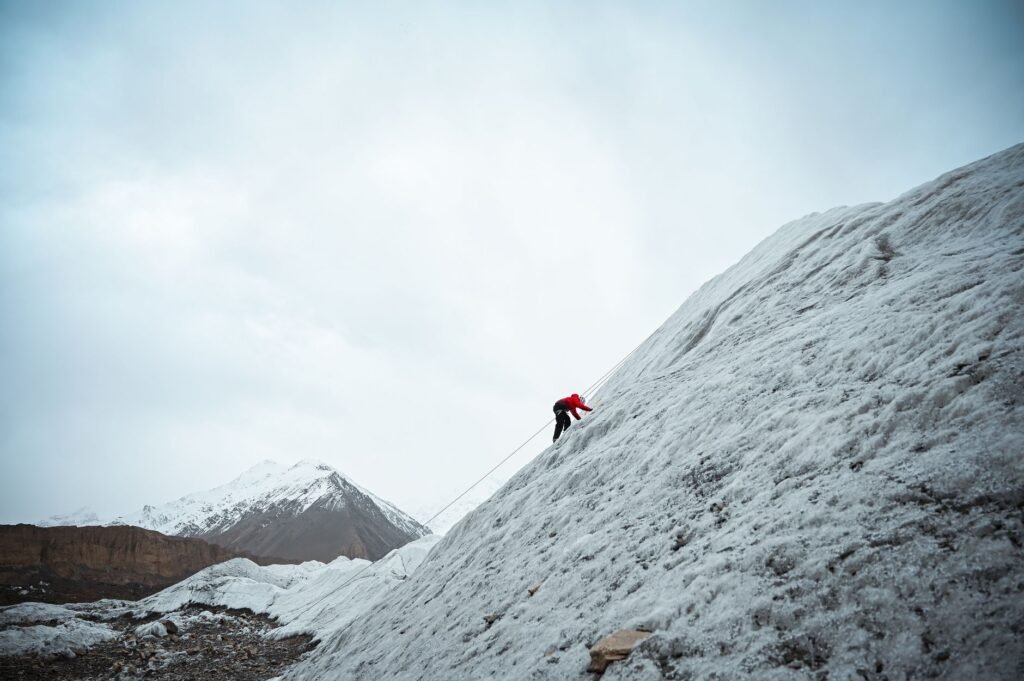
For those seeking an adrenaline rush, ice climbing in Antarctica offers thrilling challenges and unique experiences. Participants scale frozen waterfalls, glaciers, and ice walls, guided by experienced professionals.
Key aspects of ice climbing include:
- Preparation: Climbers must be in good physical condition and have some prior climbing experience.
- Equipment: Specialized gear such as crampons, ice axes, and harnesses are necessary for safe climbing.
- Guidance: Always climb with certified guides who can provide training and ensure safety.
Ice climbing not only tests your physical limits but also rewards you with breathtaking views of the Antarctic landscape from above.

Best Times for Adventure Activities
The timing of your visit can greatly influence your experience in Antarctica. The peak season for adventure activities typically falls between late October and early March. During this period, temperatures are milder, and wildlife is most active.
Here’s a breakdown of what to expect throughout the season:
- October to November: Early spring, when ice begins to melt; ideal for kayaking and wildlife watching as penguins and seals begin to emerge.
- December to January: Mid-summer; warmest temperatures allow for a wide range of activities including camping and trekking.
- February to early March: Late summer; excellent for whale watching as many species are still active.
It’s essential to plan your activities based on the seasonal conditions and wildlife behaviors to maximize your adventure.

Costs and Budgeting for Your Trip
Traveling to Antarctica can be a significant investment. Depending on your planned activities, length of stay, and the type of accommodations, costs can vary widely. Here’s a breakdown of potential expenses:
- Travel Costs: Flights to Ushuaia, Argentina, the primary gateway to Antarctica, can range from $1,000 to $2,500 depending on your departure city.
- Cruise Prices: Antarctic cruise packages typically start from $5,000 per person and can exceed $15,000 for luxury options.
- Activity Fees: Additional costs for activities like kayaking, camping, and guided tours can range from $100 to $500 per activity.
To save on costs, consider booking well in advance or traveling during shoulder seasons when prices may be lower.

Polar Exploration and Expedition Cruises
Understanding Expedition Cruises
Expedition cruises are a unique way to explore the breathtaking landscapes of Antarctica while engaging with its diverse ecosystems. These cruises typically offer a blend of comfort and adventure, allowing travelers to experience remote destinations that are inaccessible by traditional cruise ships. They often feature smaller vessels, which can navigate closer to ice formations and wildlife hotspots, providing more intimate encounters with nature.
Travelers can expect daily excursions and activities that include guided landings, kayaking, and zodiac boat rides. It is a chance to immerse oneself in the rugged beauty of the Antarctic region, with expert guides sharing insights about the geography, history, and wildlife of this remote wilderness.
Choosing the Right Expedition
When selecting an expedition cruise, consider factors such as the itinerary, the size of the ship, and the expertise of the crew. Some key aspects to look for include:
- Itinerary: Explore itineraries that cover the Antarctic Peninsula, South Georgia, and the Falkland Islands for a comprehensive experience.
- Ship Size: Smaller ships (100-200 passengers) offer more flexibility and access to remote landing sites.
- Onboard Experts: Look for cruises that include naturalists, historians, and wildlife experts who can enrich your understanding of the region.
Researching reviews and seeking recommendations can also help in making an informed choice that fits your adventure style.
What to Expect on an Expedition Cruise
Life on an expedition cruise is designed to be immersive and adventurous. Expect daily excursions that might include:
- Zodiac Rides: Explore icebergs and get up close to wildlife, such as seals and penguins.
- Landings: Step onto the continent at designated sites to hike, take photographs, and learn from guides.
- Kayaking: Paddle through icy waters, often in small groups, for a serene experience with nature.
The unique aspect of an expedition cruise is the blend of luxury and adventure, allowing travelers to unwind in comfortable accommodations while participating in thrilling activities.
Photography and Documenting Your Adventure
Best Practices for Wildlife Photography
Antarctica is a photographer’s paradise, with stunning landscapes and unique wildlife. To capture the best images, it is essential to follow certain photography best practices. First, consider your camera gear. A DSLR or mirrorless camera with a telephoto lens is highly recommended for wildlife photography. Bring extra batteries and memory cards, as cold temperatures can drain power quickly and unexpected moments may arise.
When photographing wildlife, maintain a respectful distance to avoid disturbing the animals. Use a long lens to get close-up shots without intruding. Patience is key; wait for the right moment to capture natural behaviors, such as penguins feeding or seals sunbathing on ice.
Capturing the Landscape
The dramatic landscapes of Antarctica provide ample opportunities for breathtaking photographs. To enhance your landscape photography, consider the following tips:
- Golden Hours: The best natural lighting occurs during sunrise and sunset. Plan your shoots around these times for optimal conditions.
- Composition: Use leading lines, foreground elements, and the rule of thirds to create visually appealing images.
- Filters: Use polarizing filters to reduce glare and enhance colors, especially when photographing ice and water.
Bringing a tripod can also be beneficial for stability, especially in low light conditions. Experiment with different angles and perspectives to showcase the vastness of the Antarctic environment.
Documenting Your Journey
Keeping a travel journal or blog can enrich your Antarctic experience. Documenting your daily activities, thoughts, and emotions can create lasting memories. Here are some suggestions to enhance your documentation:
- Daily Entries: Write about daily adventures, including wildlife sightings, excursions, and personal reflections.
- Sketching: If you enjoy art, consider sketching the landscapes and wildlife you encounter. This can be a unique way to capture your experiences.
- Share Your Stories: If you maintain a blog, consider sharing your journey with friends and family, providing them with a glimpse into your Antarctic adventure.
These personal records can serve as cherished keepsakes and inspire others to embark on their own journeys to this incredible destination.
Cultural and Historical Insights
Exploring Historical Sites
Antarctica has a rich history that spans exploration, research, and conservation. Visitors can learn about early expeditions and the significant events that shaped the continent. Historical sites, such as old whaling stations and research stations, provide insights into human interaction with this remote environment.
Some notable sites include:
- Deception Island: Once a whaling station, this volcanic island now serves as a research site and offers a glimpse into past human activity.
- Port Lockroy: A former British research base that now operates as a museum, showcasing the history of Antarctic exploration.
- Half Moon Island: Home to a scientific research station, it also features remnants of historical buildings used during early explorations.
Visiting these sites allows travelers to gain a deeper appreciation for the challenges faced by early explorers and the ongoing efforts in scientific research and conservation.
Understanding the Antarctic Treaty
The Antarctic Treaty, signed in 1961, plays a crucial role in the governance and protection of the continent. This international agreement establishes Antarctica as a zone dedicated to peace and scientific research, prohibiting military activity and mineral mining.
Understanding the treaty’s significance can enhance your appreciation of the region. Key points include:
- Scientific Collaboration: The treaty promotes international cooperation in scientific research, allowing scientists from around the world to work together.
- Environmental Protection: It establishes guidelines for environmental conservation, ensuring that human activities do not harm the fragile ecosystem.
- Preservation of Heritage: The treaty emphasizes the importance of preserving historical sites and wildlife habitats.
By learning about the Antarctic Treaty, visitors can contribute to the awareness and conservation efforts aimed at preserving this unique environment for future generations.
Engaging with Local Communities and Research Stations
While most visits to Antarctica focus on the natural environment, engaging with the small number of scientists and researchers who live there can provide valuable insights. Many research stations welcome visitors, offering opportunities to learn about ongoing scientific projects and the challenges of living in such an extreme environment.
Some ways to engage include:
- Guided Tours: Participate in tours offered by research stations to understand their work and the importance of their findings.
- Q&A Sessions: Attend Q&A sessions with researchers to ask questions about their experiences and the science behind their work.
- Volunteer Opportunities: Some organizations may offer short-term volunteering opportunities, allowing visitors to contribute to ongoing research projects.
Engaging with the scientific community can enrich your experience and provide a unique perspective on the importance of Antarctic research and conservation efforts.
Frequently Asked Questions
What is the best way to get to Antarctica?
The most common way to reach Antarctica is by booking a cruise that departs from Ushuaia, Argentina. Some flights to research stations are also available, but they are less common.
What should I wear during my trip to Antarctica?
Layering is key in Antarctica. Wear moisture-wicking base layers, an insulating layer, and a waterproof outer layer. Don’t forget insulated gloves, hats, and thermal socks.
Is it safe to travel to Antarctica?
Traveling to Antarctica is generally safe if you follow guidelines provided by tour operators and prepare adequately for the extreme conditions.
Can I travel to Antarctica without a guided tour?
Independent travel to Antarctica is challenging and often not permitted. Most visitors must book through a certified tour operator, especially for safety reasons.
The Bottom Line
Antarctica offers an incredible array of adventure activities suited for various interests and skill levels. Whether you’re kayaking among icebergs, trekking across stunning landscapes, or observing unique wildlife, the continent is a treasure trove for outdoor enthusiasts. Careful planning, preparation, and understanding of the costs involved will ensure that your adventure in Antarctica is not only thrilling but also safe and unforgettable.
Visa rules, prices and opening times change. Always confirm details with official sources before you travel.