
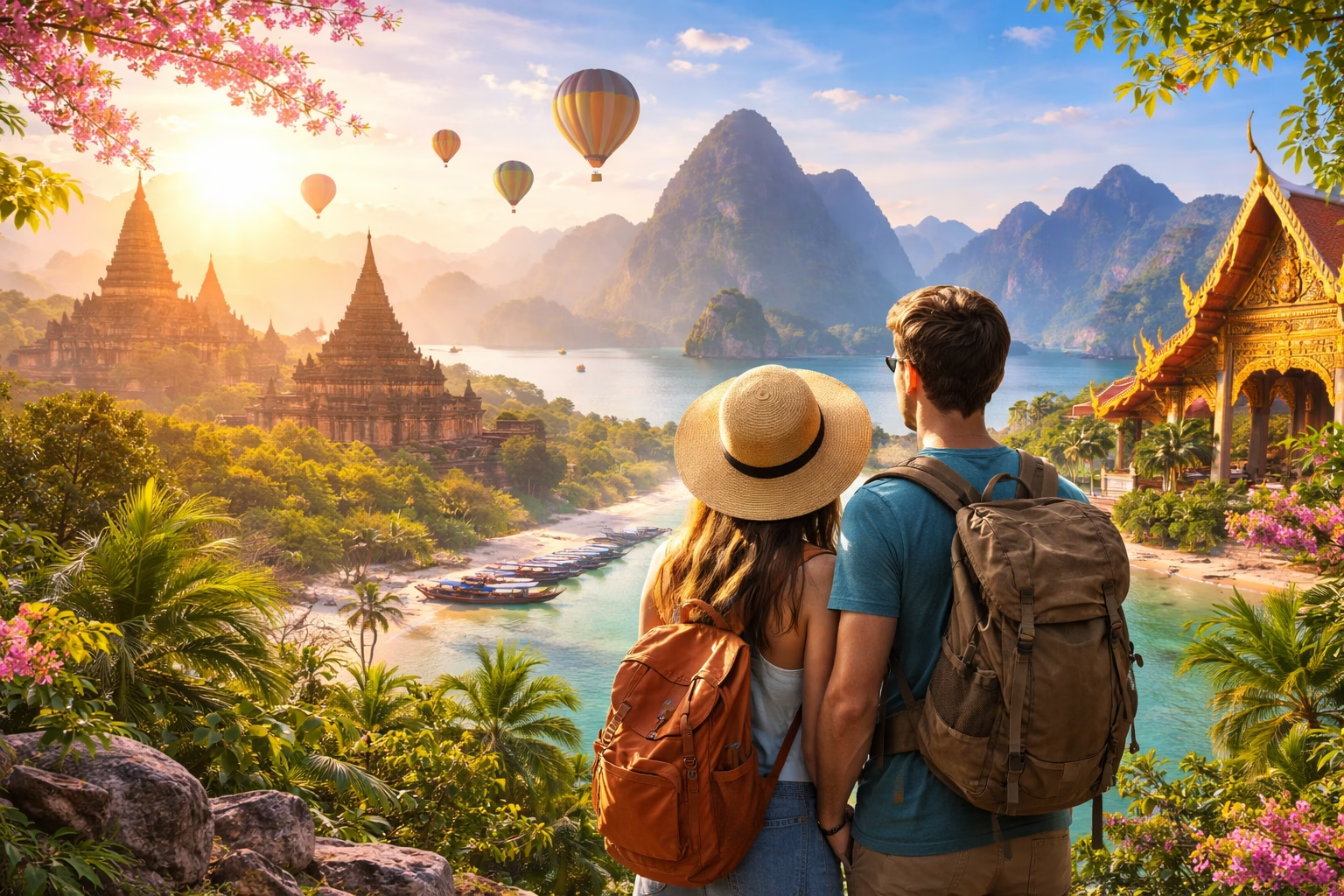
Asia is a world of contrasts where futuristic cities rise beside ancient temples, and peaceful rice terraces unfold beneath snow capped peaks. For first time travelers, the continent can seem both thrilling and overwhelming. With so many countries, climates, languages, and cuisines to experience, knowing where to start is often the hardest part.
This beginner’s guide to traveling in Asia will help you navigate the essentials with confidence. From choosing your first destination and planning your route to understanding culture, transportation, and safety, this detailed guide offers everything you need to take that long awaited trip across the world’s most diverse continent. Whether you dream of wandering the street markets of Bangkok, hiking through the misty highlands of Vietnam, or exploring the palaces of Kyoto, this article will show you how to make your journey smoother, richer, and unforgettable.

Understanding Asia’s Vast Diversity
Asia is not a single travel destination but a collection of regions, each with its own personality. From the Middle East to Southeast Asia, from the Himalayas to the Pacific, the differences in culture and landscape are immense. To make sense of it all, it helps to divide the continent into travel zones.
East Asia
Countries such as Japan, South Korea, and China are known for their deep connection between tradition and technology. Japan offers ancient shrines and serene gardens in contrast to the electrifying pace of Tokyo. South Korea balances its vibrant pop culture with historic forts and Buddhist monasteries. China amazes with its Great Wall, imperial relics, and vast countryside.
Southeast Asia
This region is the most popular entry point for new travelers to Asia. Thailand, Vietnam, Cambodia, Laos, Malaysia, and Indonesia deliver an appealing balance of affordability, beauty, and hospitality. Golden beaches, lush jungles, spiritual temples, and delicious food make this region a classic place to start.
South Asia
India, Sri Lanka, and Nepal offer vibrant chaos, spiritual depth, and rich color. The diversity of landscapes here is astonishing, from the deserts of Rajasthan to the Himalayas of Nepal. Expect sensory overload in the best possible way and encounters that stay with you long after your journey ends.
Central and Western Asia
Less visited but equally captivating, destinations such as Uzbekistan, Kazakhstan, or Jordan reveal centuries of history along the Silk Road. These lands are extraordinary for travelers who enjoy culture, adventure, and exploring beyond typical routes.
By gaining an understanding of how varied Asia truly is, travelers can decide which region suits their travel style, interests, and comfort level.

Choosing Your First Destination
If you are new to traveling in Asia, the key is to begin with a destination that offers accessibility, modern infrastructure, and a gentle introduction to cultural differences.
Recommended starting points for first timers:
- Thailand – Easy to navigate, full of friendly locals, and rich with experiences. Bangkok’s modern comforts blend seamlessly with cultural landmarks, while the beaches of Phuket or Krabi provide the perfect escape.
- Singapore – A small, safe, and cosmopolitan city that allows travelers to acclimate to Asia while enjoying top class amenities. It’s a rewarding place to ease into new foods and cultural habits without much logistical stress.
- Japan – Exceptionally clean, organized, and welcoming. It offers insight into deep traditions and futuristic innovation at once. The rail network is world famous for punctuality and ease.
- Vietnam – Slightly more adventurous but very rewarding. From Hanoi to Ho Chi Minh City, the country offers scenic beauty, fascinating history, and exceptional cuisine.
Each of these destinations is well connected by air and offers a range of accommodation suited to different budgets. Opt for smaller itineraries first; two or three countries in one trip is ideal for beginners.

Navigating Practical Essentials
A successful trip through Asia demands more than curiosity. It also requires smart planning around transportation, communication, and safety.
Visas and Entry Requirements
Entry rules vary by nationality and destination. Many Asian countries allow short stays visa free or offer electronic visas. Travelers from Western countries can often secure Thailand’s or Japan’s entry permits online in advance. Always check official embassy websites before booking to ensure you have the latest updates on visa policies and travel health requirements.
Money and Budget
Asia can suit every budget. Countries like Thailand, Vietnam, and Cambodia are very affordable, while Japan and Singapore lean toward premium pricing. Always carry a mix of cash and digital payment options. ATMs are widely available, although in rural areas you may need local currency. A typical daily budget can range from 30 dollars for budget travel in Southeast Asia to 150 dollars or more in cities like Tokyo or Hong Kong.

Getting Around
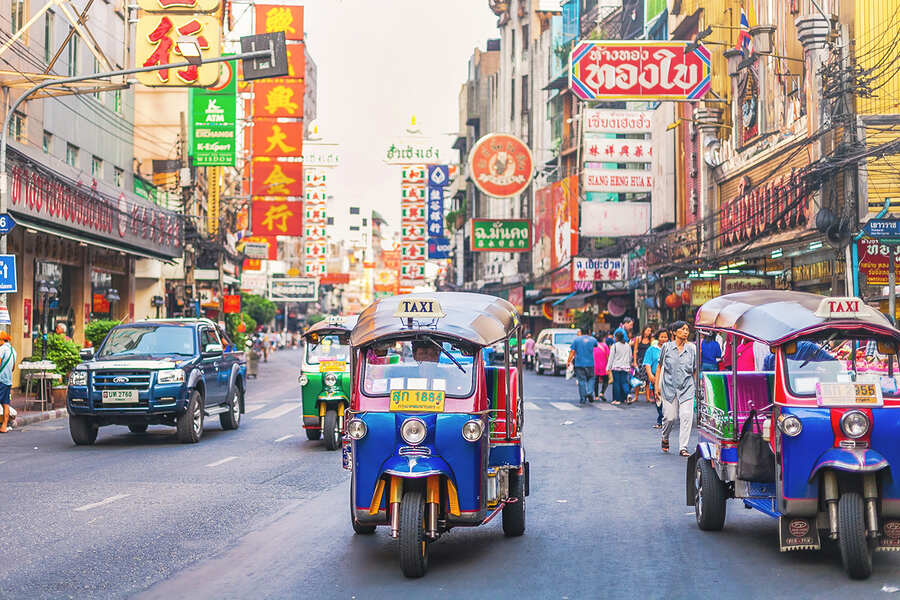
Asia’s transportation networks are impressive. Long distance trains in Japan, China, and India are efficient, while budget airlines connect most major cities across the continent. Within cities, taxis and ride share apps operate in most urban centers. In rural zones, tuk tuks, motorbikes, or local buses offer authentic and inexpensive experiences.
Connectivity and Communication
Sim cards and portable Wi Fi devices are easily available in airports and convenience stores. Apps like Google Maps, WhatsApp, and translation tools can make travel far easier. English is widely understood in tourist areas, but learning a few local phrases goes a long way in demonstrating respect.
Experiencing Culture with Sensitivity
One of the great joys of traveling through Asia is its cultural richness. The region’s religions, festivals, customs, and daily habits vary greatly, and understanding them enhances your experience tremendously.
- Respect local etiquette: Dress modestly when visiting temples or places of worship. Removing shoes before entering homes or religious sites is a common courtesy in many countries.
- Observe with curiosity, not judgment: You might encounter different dining styles, from chopsticks to eating with hands. Participate respectfully, and locals will appreciate your effort.
- Celebrate local festivals: From Diwali in India to Songkran in Thailand or Chinese New Year celebrations in Singapore, festivals are immersive cultural experiences. Participate but remember to follow local customs and safety guidelines.
Cultural sensitivity is not about following strict rules but about showing genuine appreciation and openness. The more you learn, the more rewarding your travels become.

Staying Safe and Healthy
Asia is a remarkably welcoming continent, but like any travel destination, awareness and preparedness are essential.
- Health precautions: Consult a travel clinic before your trip for recommended vaccinations. Carry basic medications and stay hydrated, especially in tropical areas.
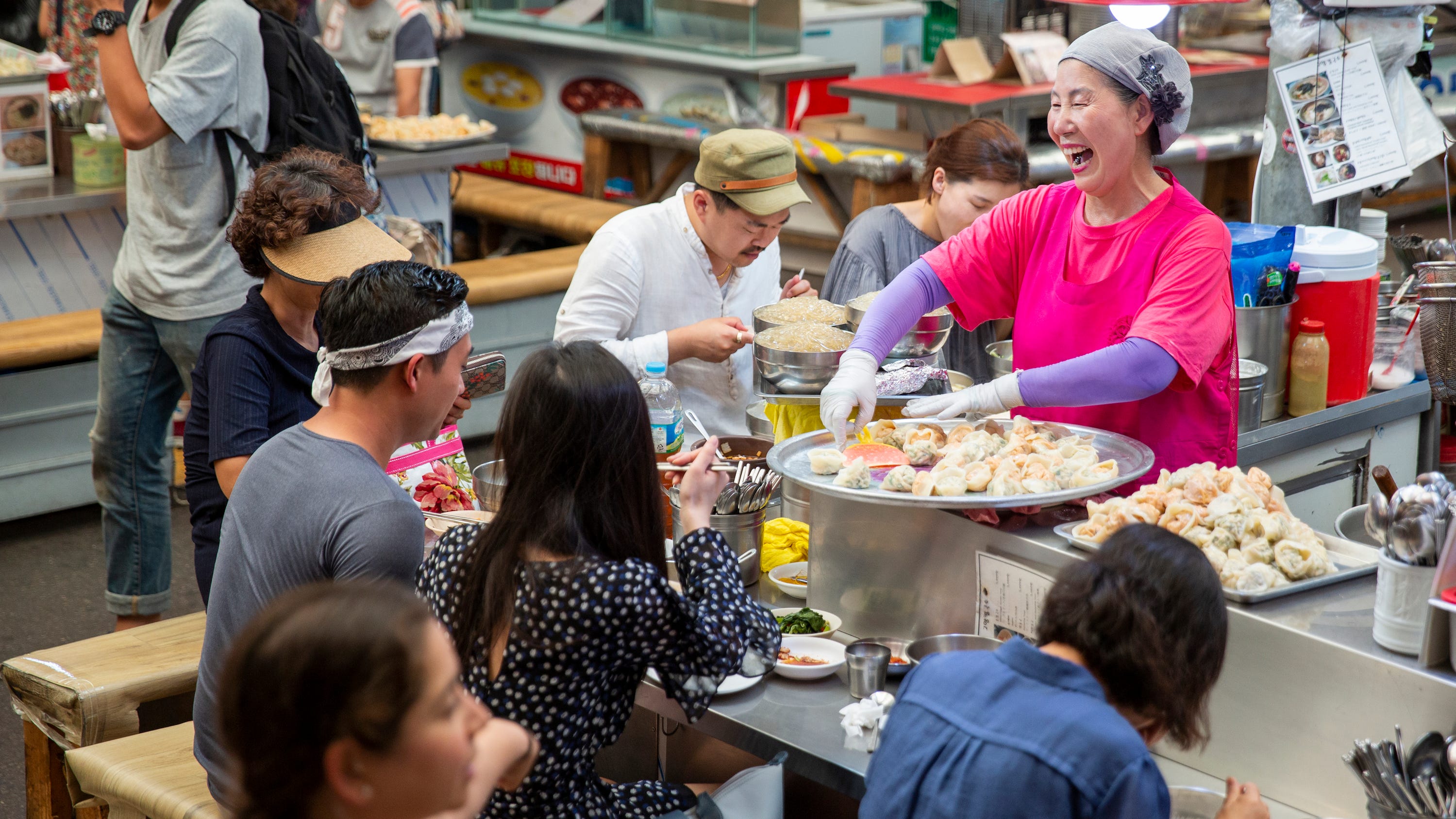
- Street food safety: Asia’s street food is legendary, but choose stalls with visible hygiene practices and high customer turnover.
- Personal safety: Petty theft can occur in crowded markets or stations. Keep valuables secure and avoid displaying expensive items.
- Travel insurance: Always buy comprehensive travel insurance that covers health, delay, and loss of belongings. This gives peace of mind and protection in unexpected situations.
Planning Your Itinerary
A well paced itinerary ensures balance between exploration and rest. Overplanning can lead to exhaustion, especially in countries rich with attractions.
Sample first trip plan
- Week 1: Begin in Bangkok to experience temples, street food, and river life.
- Week 2: Fly to northern Thailand or Vietnam for scenic and cultural immersion.
- Week 3: End your trip in a relaxing coastal town such as Hoi An or Phuket.
This kind of itinerary allows you to enjoy both cities and nature without rushing from one place to another.
Remember that distances across Asia can be large, so plan flights or trains with adequate rest days. When possible, schedule free days to wander without an agenda. Some of the most memorable experiences come from spontaneous exploration.

Food as a Gateway to Culture
Trying local food is one of the best ways to connect with a new place. Asia’s culinary range is extraordinary. Each country uses its own blend of spices, textures, and cooking techniques.
- In Southeast Asia: Sample pad thai in Thailand, pho in Vietnam, and nasi lemak in Malaysia.
- In East Asia: Sushi, ramen, dim sum, and Korean barbecue showcase unique but equally compelling flavors.
- In South Asia: Curries, biryanis, and street snacks like samosas and pani puri bring bursts of color and aroma.
Be open to trying new dishes but always check spice levels and food allergies. Signing up for a local cooking class is also an excellent way to learn about ingredients and traditions firsthand.

Sustainable and Responsible Travel
Asia’s natural environments are among the most beautiful in the world yet also the most vulnerable. By traveling responsibly, visitors can help protect them.
- Avoid single use plastics by carrying a refillable water bottle.
- Support locally owned guesthouses, restaurants, and markets instead of chain establishments.
- Follow environmental guidelines in nature reserves, and never disturb wildlife for photos.
- Treat sacred sites with respect and avoid activities that exploit local communities.
Responsible choices make travel more sustainable and ensure that the wonders of Asia remain intact for future generations.
Conclusion
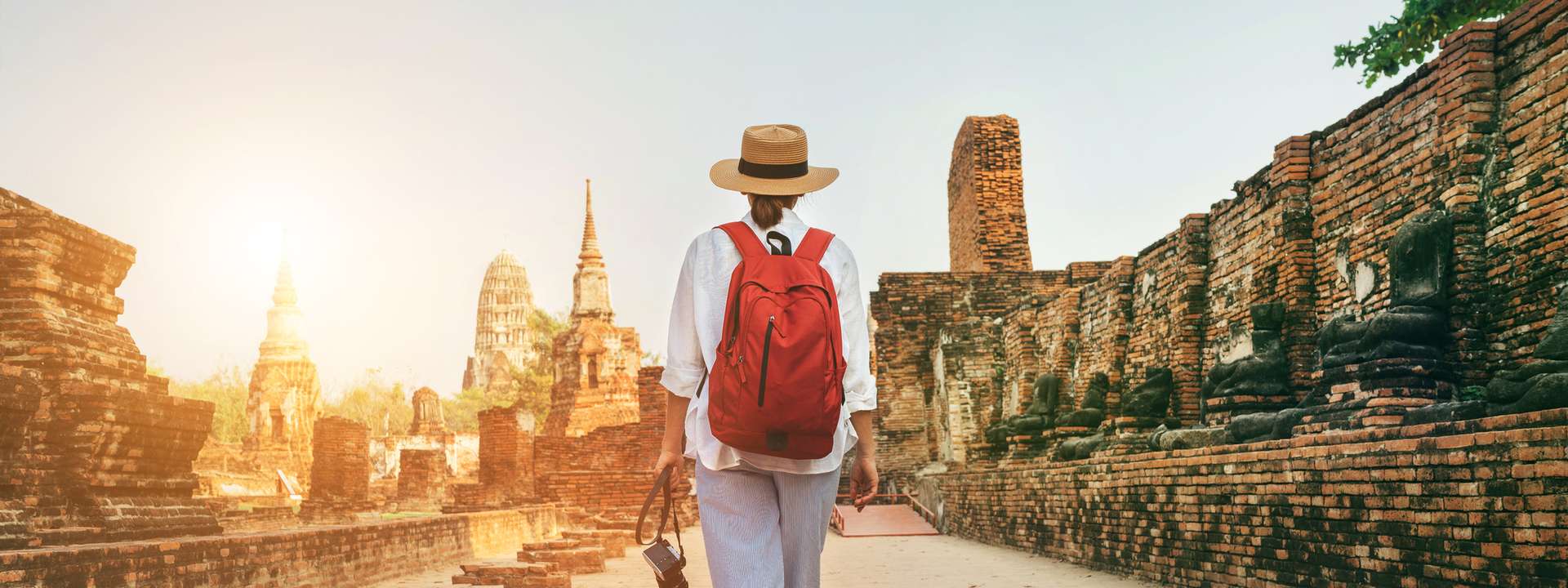
Traveling through Asia as a beginner is a life changing adventure. The continent rewards curiosity and openness with experiences that leave deep impressions—aromas of sizzling street food, the calm of mountain temples, the kindness of strangers, and the thrill of exploring landscapes that seem to stretch forever.

With the right preparation, an understanding of local etiquette, and a spirit of respect, your first journey to Asia will be both smooth and transformative. Begin small, plan mindfully, and let each destination reveal its own story. Once you have discovered Asia, it will call you back again and again.
Further Reading
China Visa Guide for Tourists
5 Day Rome Itinerary with Must See Attractions
Travel to Somalia; How I Traveled to Mogadishu
Free Family Things to do in Chicago Today
How to Spend Four Days in Hong Kong