Introduction: A Journey Across Europe’s Heartbeat
- Follow a two week route: London, Paris, Amsterdam, Berlin, Prague, Venice, Rome to balance landmarks and local experiences.
- Use trains for scenic efficiency and budget flights for longer hops; consider Eurail passes for flexibility and savings.
- Choose hostels or budget hotels with breakfast and laundry; pack light, layer clothing, and bring comfortable walking shoes.
- Savor local food and neighborhoods, respect customs and greetings, and enjoy slow exploration to connect with each city's culture.
Backpacking through Europe is a rite of passage for many travelers. It is an adventure that combines the thrill of movement with the richness of history, culture, and endless discovery. For those planning a two week backpacking itinerary across Europe, the goal is to strike the perfect balance between famous highlights and authentic local experiences. This guide offers a carefully crafted route connecting iconic cities, scenic landscapes, and cultural gems that showcase the diversity and vibrancy of Europe.
In this post, you will find a detailed, practical day by day journey designed for efficiency, budget friendliness, and cultural immersion. You will learn which cities to prioritize, how to travel between them, and what to see, do, and eat in each destination. Whether you are a first time backpacker or an experienced traveler, this itinerary will help you make the most of your two weeks across the continent.
Week One: Western Europe’s Icons and Romance
Day 1–3: London, England
Begin your European adventure in London, one of the most accessible entry points for international travelers. London offers a perfect mix of history and modern energy that sets the tone for your trip.
Spend your first day exploring the city’s central landmarks. Visit Buckingham Palace, stroll through St James’s Park, and take in the grandeur of Westminster Abbey and Big Ben. Cross the River Thames to capture views of the London Eye.
On your second day, dive into London’s cultural and local side. Visit the British Museum, explore Camden Market’s street food stalls, and enjoy an afternoon at Covent Garden. For an evening experience, find a pub in Soho or attend a West End theatre show.
Budget travelers will love staying in hostels around King’s Cross or Shoreditch. Public transport with the Oyster Card keeps travel inexpensive and convenient.
Day 4–5: Paris, France
Travel from London to Paris via the Eurostar train. You will arrive in the heart of France in just over two hours. Paris is a city of romance and art, and every neighborhood offers its own charm.
Start with the classics: climb to the top of the Eiffel Tower, admire the masterpieces at the Louvre, and wander along the Champs Élysées. In the evening, take a river cruise on the Seine to see Paris illuminated.
Dedicate your second day to Montmartre and Le Marais. Montmartre’s cobblestone streets lead you to the Basilica of Sacré Coeur and provide sweeping city views. Le Marais is perfect for discovering vintage boutiques, local pastry shops, and lively bistros.
Paris rewards slow exploration. Remember to enjoy café culture—sit outside, sip espresso, and watch daily life unfold.
Day 6–7: Amsterdam, Netherlands
From Paris, board a high speed train to Amsterdam. Travel takes about three and a half hours, and it brings you into a completely different atmosphere. Amsterdam’s canals, bicycles, and creative energy make it a delight to explore.
Spend your first day cycling along the waterways, visiting the Anne Frank House, and exploring Jordaan, Amsterdam’s most picturesque neighborhood.
On your second day, enjoy the city’s art scene with visits to the Van Gogh Museum and Rijksmuseum. In the evening, relax in Vondelpark or take a scenic canal cruise. For budget friendly dining, try Dutch pancakes, stroopwafels, and local street food markets.
Week Two: Cultural Crossroads of Central and Southern Europe
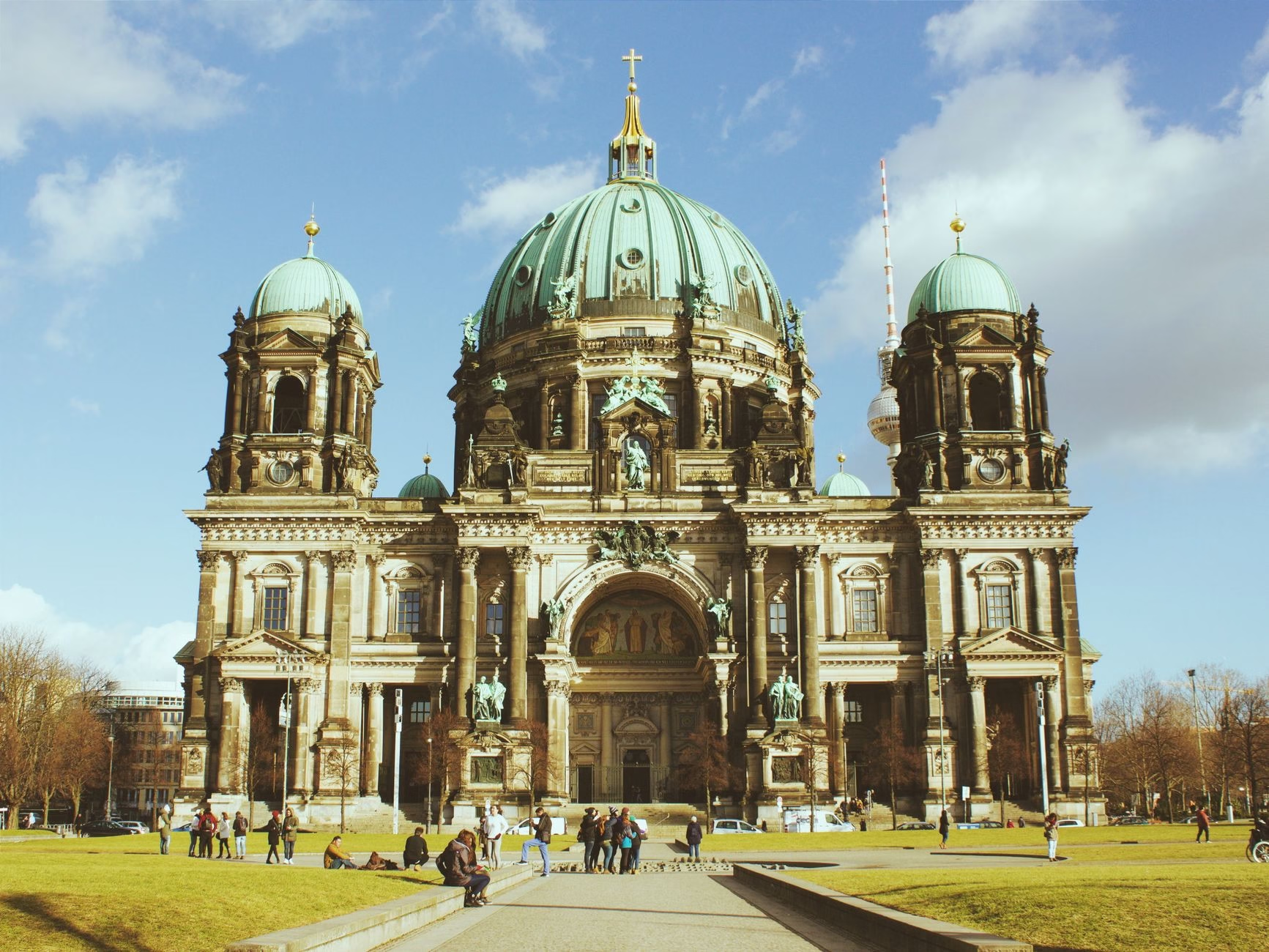
Day 8–9: Berlin, Germany
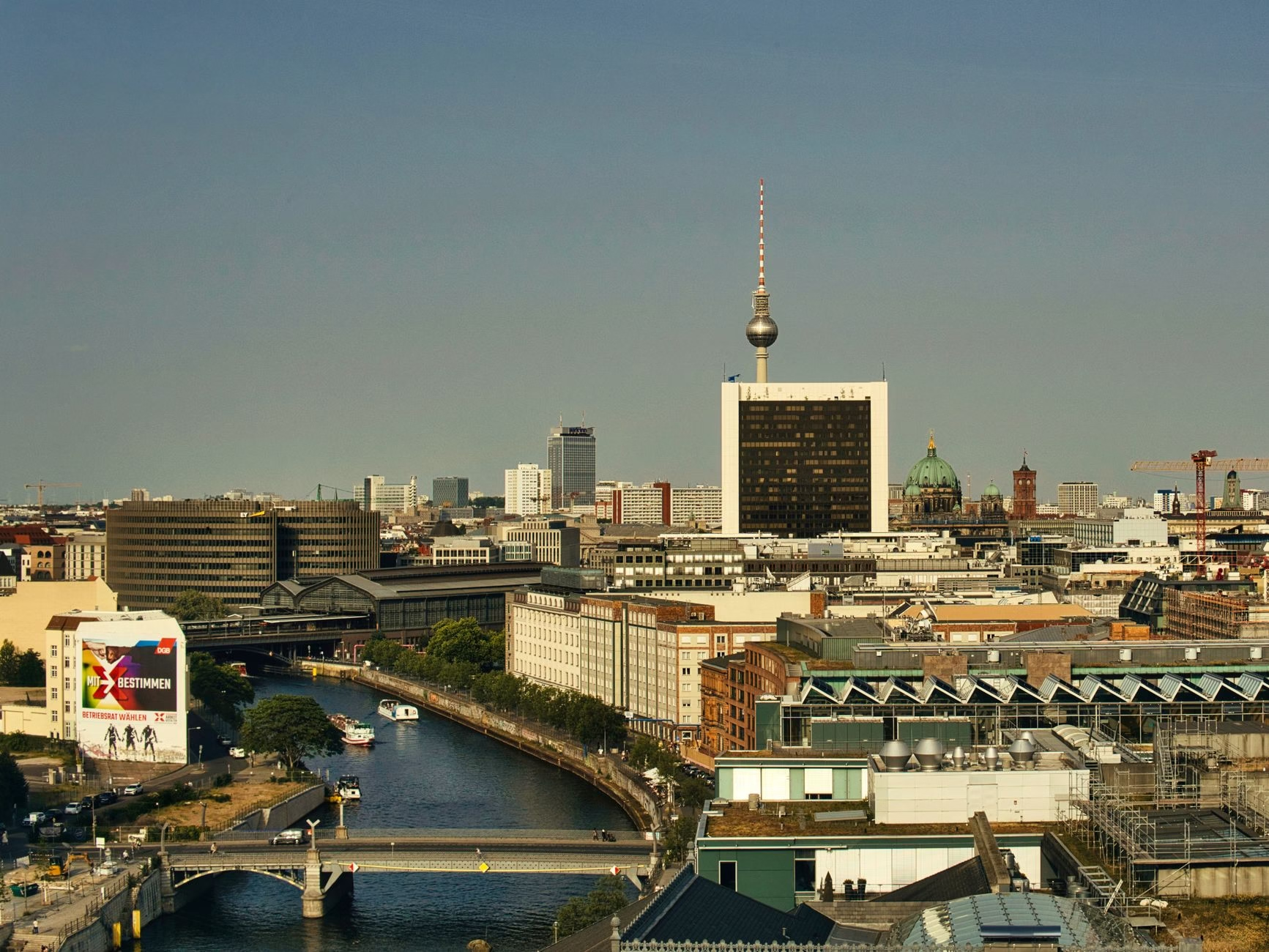
Take an early train from Amsterdam to Berlin, a journey of around six hours. Berlin is a city defined by resilience, creativity, and constant reinvention.
Begin by visiting historical landmarks such as the Brandenburg Gate, the Berlin Wall Memorial, and the Reichstag Building. A free walking tour is a great way to understand the city’s layered past.
Dedicate the following day to exploring Berlin’s artistic neighborhoods. Kreuzberg and Friedrichshain are filled with cafes, galleries, and street art. For those who love nightlife, Berlin is one of the best cities in Europe for music and clubs.
Berlin’s transport system is efficient, and the Berlin WelcomeCard offers discounted access to attractions and public transport.
Day 10–11: Prague, Czech Republic
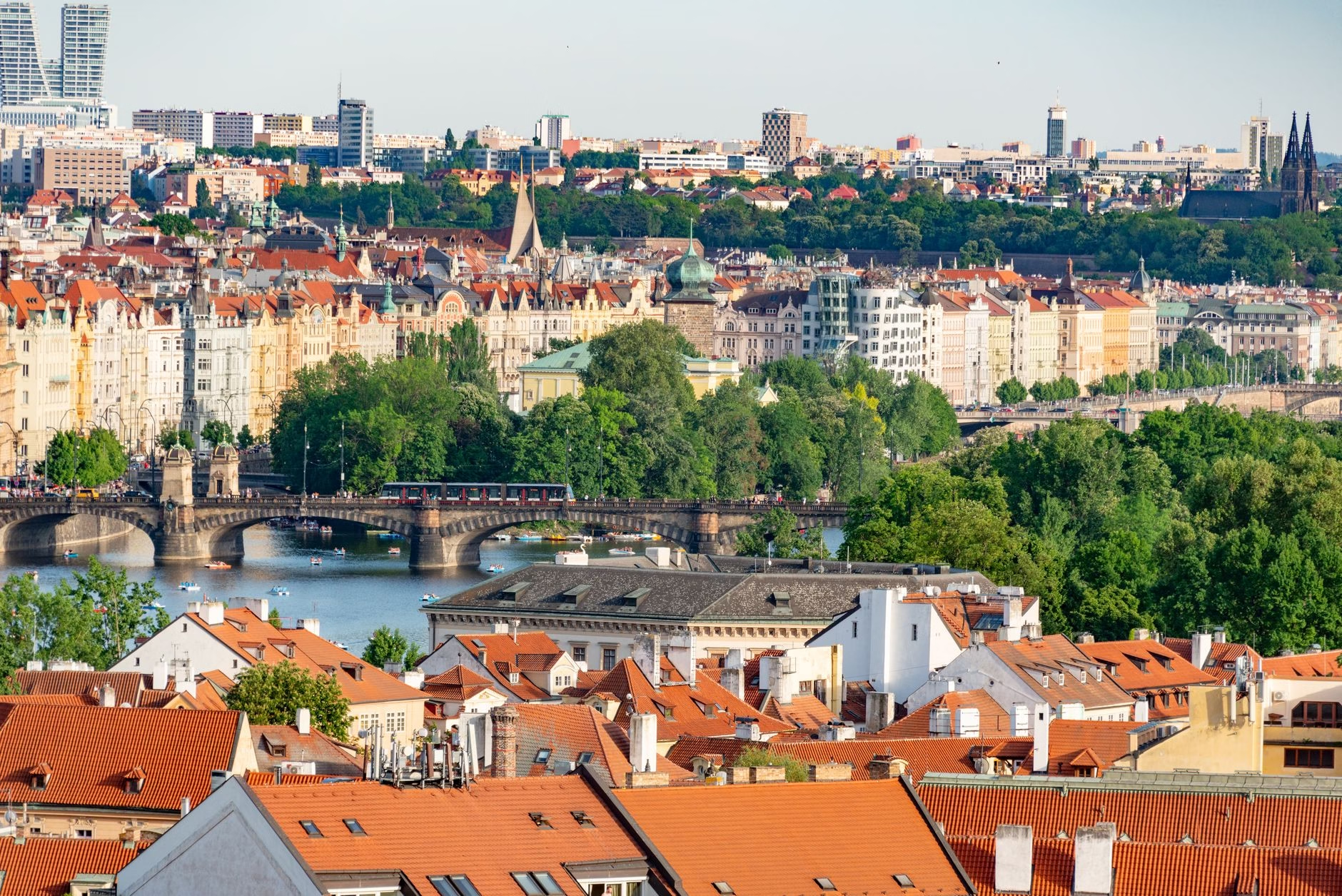
Travel from Berlin to Prague by train, taking roughly four and a half hours. Prague is often described as a fairytale city, with its castle, cobbled streets, and red rooftops.
Your first evening should be spent walking across Charles Bridge at sunset for stunning views. The next morning, visit Prague Castle, St Vitus Cathedral, and the Old Town Square to see the Astronomical Clock.
Prague is also ideal for sampling hearty Czech food like goulash, roasted pork, and dumplings, all best enjoyed with a local Pilsner beer. Accommodation is affordable, making it a popular stop for backpackers.
Day 12–14: Venice and Rome, Italy
From Prague, fly to Venice to save time. Venice is unique and romantic, and getting lost among its narrow passageways is part of the experience. Visit St Mark’s Basilica, the Doge’s Palace, and take a gondola ride through the canals. Spend one full day here before traveling south to Rome by train.
Rome is the grand finale of your European journey. The city feels like an open air museum where history lives within every stone. Spend a day exploring the Colosseum, Roman Forum, and Palatine Hill. Dedicate another day to Vatican City to admire St Peter’s Basilica and the Sistine Chapel. End your trip with an evening walk through Piazza Navona and the Trevi Fountain.
Roman cuisine is a highlight of any backpacking trip. Try pasta carbonara, cacio e pepe, and classic gelato from family run shops.
Practical Tips for a Smooth Backpacking Experience
1. Transportation:
Purchase rail passes such as the Eurail Pass if you plan multiple long journeys. They offer flexibility and can be cost effective. For short distances, budget airlines like Ryanair or easyJet are useful when booked early.
2. Accommodation:
Hostels and budget hotels across Europe are plentiful. Look for ones offering free breakfast and laundry facilities. Booking platforms such as Hostelworld and Booking.com are great for comparing prices and reviews.
3. Packing Essentials:
Keep your backpack light with versatile clothing suitable for layering. Bring a reusable water bottle, travel towel, and a universal adapter. Comfortable walking shoes are a must since European cities are best seen on foot.
4. Local Etiquette:
Learn basic greetings in each country’s language. Respect local customs, dress codes for churches, and tipping norms. Small gestures of respect enhance every travel interaction.
Conclusion: Embracing the Spirit of European Travel
Backpacking through Europe in two weeks is an unforgettable experience. Each stop adds another layer of history, art, cuisine, and human connection. This itinerary offers a balance of major landmarks and meaningful local moments, helping you experience the essence of the continent within a realistic timeframe. As you cross borders, you will see how Europe’s variety fits seamlessly into one magnificent mosaic.
Keep an open mind, travel lightly, and savor each destination. Europe rewards curiosity, and even two weeks are enough to create stories that last a lifetime.
Further Reading
3 Day Istanbul Itinerary for First Time Visitors
Travel to Somalia; How I Traveled to Mogadishu