How to Travel Europe on a Budget
Introduction
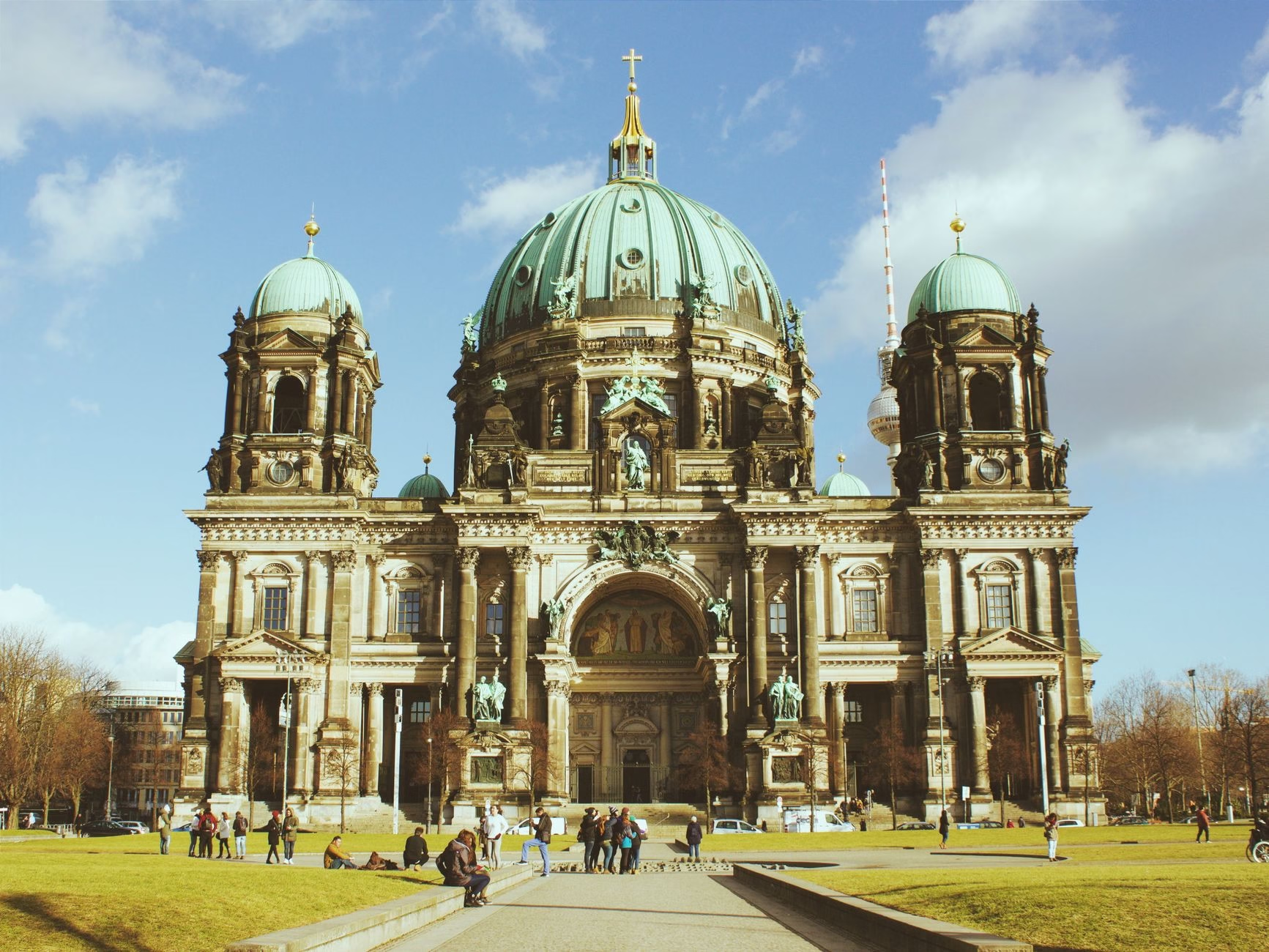
Europe is often seen as the ultimate dream destination for travelers from around the world. From the romantic canals of Venice to the fairytale castles of Germany and the historic streets of Prague, the continent promises an extraordinary range of experiences. Yet many assume that exploring Europe means draining their savings. The truth is, with careful planning, smart choices, and a bit of insider know how, it is entirely possible to travel Europe on a modest budget without sacrificing comfort or memorable experiences.
- Plan smart: set a realistic budget, prioritize destinations, travel shoulder seasons, and keep itinerary flexible to seize deals.
- Choose affordable transport: book trains or regional passes early, use low cost airlines, and prefer buses or shared rides for savings.
- Pick budget stays: modern hostels, guesthouses, short term rentals, or house sitting and work exchanges to lower lodging costs.
- Eat well cheaply: shop markets, favor neighborhood eateries with lunch menus, and cook when possible to cut food expenses.
- Manage money: use fee free cards, withdraw modest cash, pay in local currency, and use apps for route, deals, and offline maps.
This guide reveals detailed, practical strategies to help you make the most of your trip while keeping costs sustainable. We will explore cost effective ways to move between countries, budget friendly accommodation and food options, affordable sightseeing opportunities, and useful planning techniques that make every euro go further. Whether you are a backpacker mapping out a long adventure or a traveler seeking an affordable yet culturally rich holiday, these insights will help you experience Europe confidently and creatively.
Plan Smart: Setting a Realistic Budget and Itinerary
Successful budget travel starts long before you board a plane. Europe’s enticing diversity can overwhelm first time travelers, and without an organized plan, expenses add up fast. Begin by building a realistic budget based on your travel style, destinations, and season.
- Determine your travel priorities: List your must visit destinations and identify places you can skip. Traveling to fewer countries can significantly reduce transportation and accommodation costs. For example, instead of trying to cover all of Western Europe, focus on a specific region such as Eastern or Southern Europe where prices are lower.
- Choose your travel season wisely: Traveling during the shoulder seasons in spring or autumn means fewer crowds, cheaper rooms, and better deals on transportation. Summer months bring high demand across much of Europe, particularly in coastal destinations like Italy, Spain, and southern France.
- Set a flexible itinerary: Allow room for spontaneity. Flexibility lets you take advantage of sudden ticket discounts, cheap last minute accommodation, or free local events you discover on arrival.
A structured yet flexible itinerary paired with a clear, honest budget provides the framework for affordable, stress free exploration.
Getting Around: Affordable Transportation Across Europe
Transportation can be one of the largest expenses on a European trip. Understanding your options helps you move efficiently while saving money.
1. Rail Travel and Budget Train Passes
Europe’s train network is extensive, punctual, and scenic, but fares vary widely. Countries such as Germany, France, and Switzerland tend to be more expensive, while train tickets in countries like Poland, Hungary, or Romania are significantly cheaper.
Consider using passes such as the Eurail or Interrail if you plan to take multiple longer routes. For budget travelers focusing on one region, point to point regional passes often offer better value than continent wide options. Booking in advance, especially on popular routes such as Paris to Amsterdam or Berlin to Prague, can secure major discounts.
2. Low Cost Airlines
Europe is home to several no frills carriers such as Ryanair, Wizz Air, and EasyJet that make flying between countries extremely affordable. A flight that costs sixty dollars or less is common if you book ahead. However, pay attention to luggage fees and strict baggage rules to avoid costly add ons. Travel light to fully benefit from these deals. Also consider secondary airports located farther from city centers; just make sure to include transport costs to and from them in your planning.
3. Buses and Shared Rides
For shorter distances, buses are one of the cheapest ways to travel between European cities. Companies like FlixBus and BlaBlaCar connect hundreds of destinations at unbeatable prices. Overnight buses can save both transportation costs and a night of accommodation. Shared rides arranged through reliable apps are another excellent way to meet locals while saving on travel expenses.
Where to Stay: Budget Friendly Accommodation Options
Choosing the right place to stay is key to balancing comfort and cost. Fortunately, Europe offers many affordable accommodation choices suitable for every traveler profile.
1. Hostels and Budget Hotels
Modern hostels have evolved far beyond the reputation of bare dorm rooms. Many now offer private en suite rooms, communal kitchens, and stylish common areas that foster social connections. Hostelworld and Booking.com are excellent platforms to compare options and read honest reviews. Budget hotels and family run guesthouses, known as pensions, are another great alternative, especially outside major capitals.
2. Short Term Rentals and Local Stays
Short term apartments can be cost effective when staying a few days or traveling with a group. They provide access to kitchens so you can prepare some meals yourself. Local homestays or agriturismo accommodations, particularly in Southern Europe, offer authentic experiences where you learn about local life while saving money compared to standard hotels.
3. Non Traditional Stays
If you wish to stretch your budget even further, consider non traditional stays such as:
- Volunteering or work exchanges that include free accommodation in exchange for light tasks
- House sitting for travelers who need someone to look after their home or pets
- Overnight train cabins, especially for long routes, which combine travel and lodging costs in one
Eating Well Without Overspending
Food is an irresistible part of traveling through Europe, yet restaurant bills can quickly eat into your budget. Luckily, eating affordably does not mean missing out on delicious cuisine.
1. Embrace Local Markets and Street Food
Many European cities host daily markets offering fresh produce, pastries, cheeses, and ready to eat meals at great prices. Enjoy a picnic with local ingredients in a public park or near a scenic viewpoint. Cities like Barcelona, Budapest, and Athens have thriving market cultures that allow tastings of local specialties without formal dining.
2. Eat Like a Local
Seek out neighborhood bakeries, small taverns, or traditional eateries away from tourist-heavy centers. Many restaurants feature lunch specials or fixed price menus that provide excellent value. In Italy, for example, “menu del giorno” options offer a satisfying multi course meal for a fraction of fine dining prices.
3. Cook When Possible
Access to a kitchen, even occasionally, can transform your travel budget. Supermarkets in Europe often sell pre prepared foods and affordable local wines, making it easy to enjoy a cozy evening meal on a budget.
Sightseeing and Entertainment on a Budget
Experiencing Europe’s art, history, and culture does not require an expensive ticket for every site. Many attractions offer free or low cost entry when you plan smartly.
- City Passes: Many European capitals provide passes that include public transport and entrance to major sights for one fixed price. Compare options to ensure they offer real savings based on your interests.
- Free Walking Tours: These tours, offered in countless cities, are led by knowledgeable local guides who rely on tips. They offer fantastic introductions to each city’s history and hidden stories.
- Public Museums and Free Days: In cities like London and Warsaw, many renowned museums have free general entry. Others, such as Paris or Madrid, feature specific days or hours each month when admission is waived.
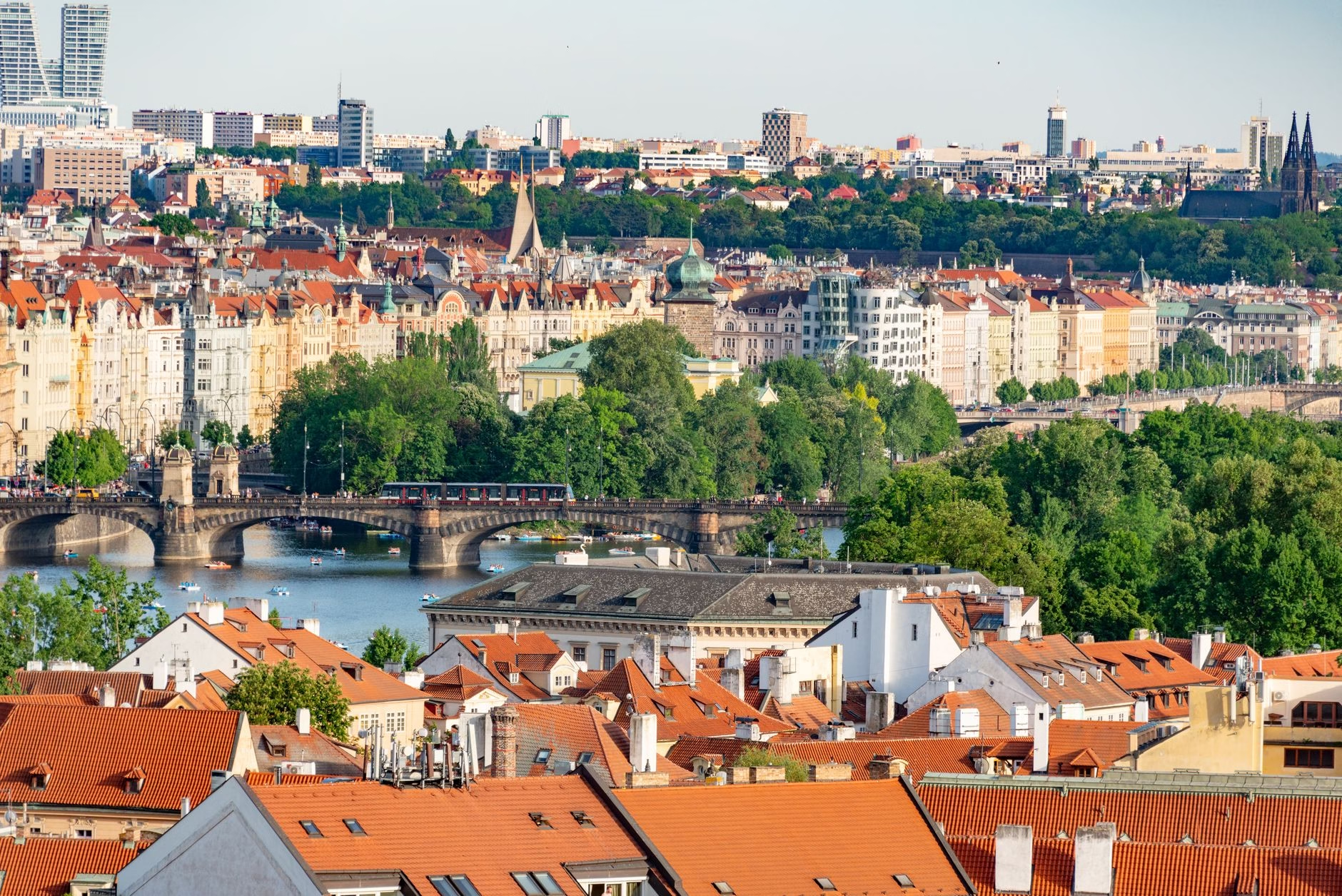
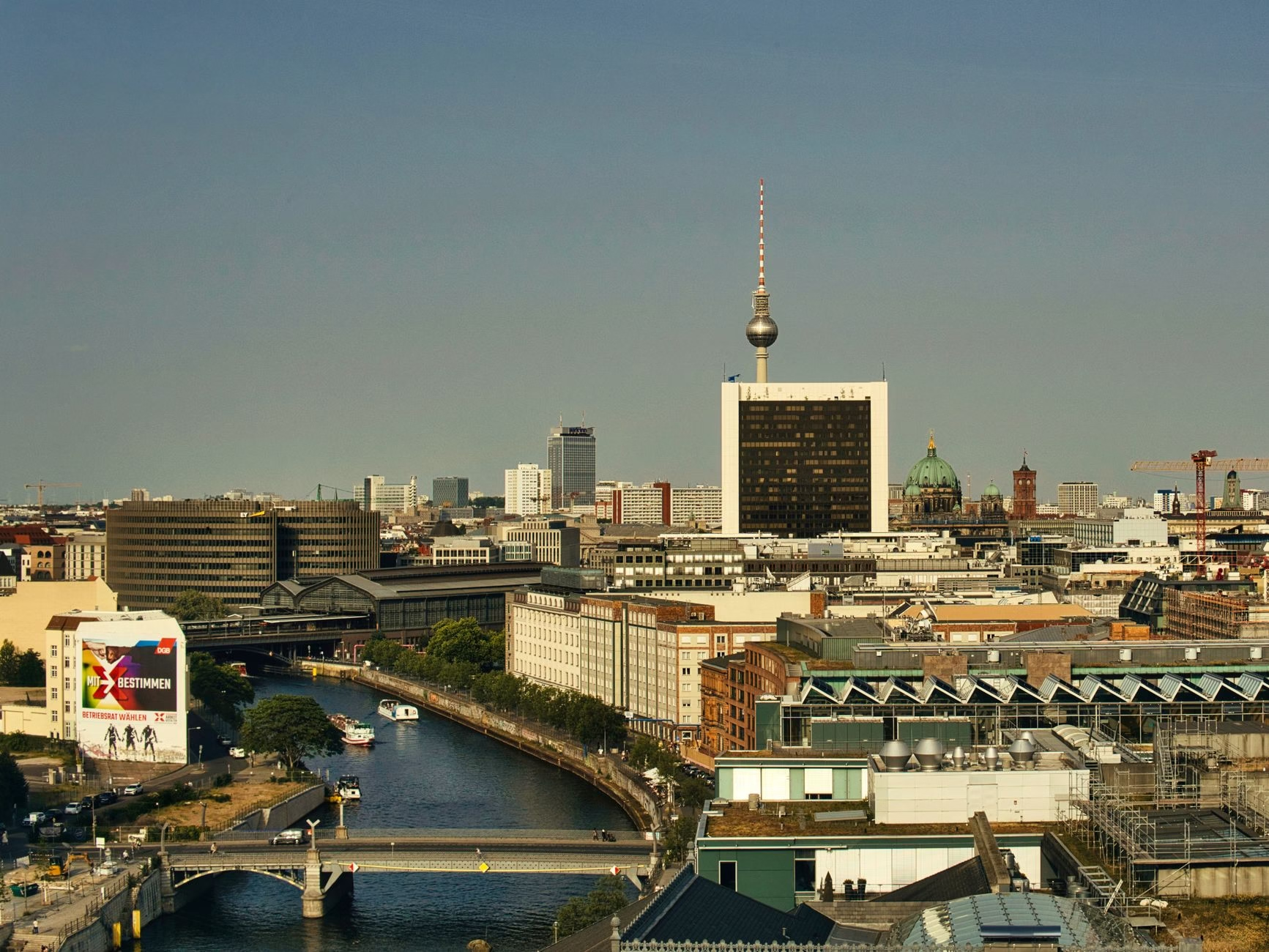
- Local Parks and Landmarks: Some of the most iconic experiences cost nothing. Walk along the Danube in Budapest, watch the sunset from Prague Castle’s courtyard, or explore street art districts in Berlin.
By mixing a few paid highlights with free cultural pleasures, you create a diverse itinerary that keeps costs balanced and experiences rich.
Smart Spending: Currency, Apps, and Local Insights
Managing money efficiently ensures your travel budget lasts longer. Always research the local currency of each country and avoid unnecessary conversion losses. Use fee free debit or credit cards that include travel benefits, and withdraw small amounts of cash from reputable ATMs to reduce fees.
Travel apps can also be powerful money saving tools. Platforms like Rome2Rio for route comparisons, Maps.me for offline navigation, and TooGoodToGo for discounted meals help optimize both time and expenses. When possible, pay in the local currency instead of your home currency to avoid poor exchange rates. Chatting with locals or reading community forums provides authentic advice on affordable restaurants, cheap daily transport, or free events happening during your stay.
Conclusion
Traveling Europe on a budget is not about sacrifice; it is about traveling smarter and more intentionally. By planning thoughtfully, choosing low cost travel methods, embracing local experiences, and making conscious spending decisions, you can enjoy the extraordinary diversity of Europe without financial strain. The reward is a richer, more meaningful connection to each destination, because traveling affordably often brings you closer to the authentic soul of the continent.
Whether you are wandering centuries old alleys in Lisbon, enjoying a market picnic in Florence, or taking a night bus through the Alps, remember that memorable travel is shaped not by how much you spend, but by the experiences you gather along the way.
Further Reading
3 Day Istanbul Itinerary for First Time Visitors
Travel to Somalia; How I Traveled to Mogadishu