
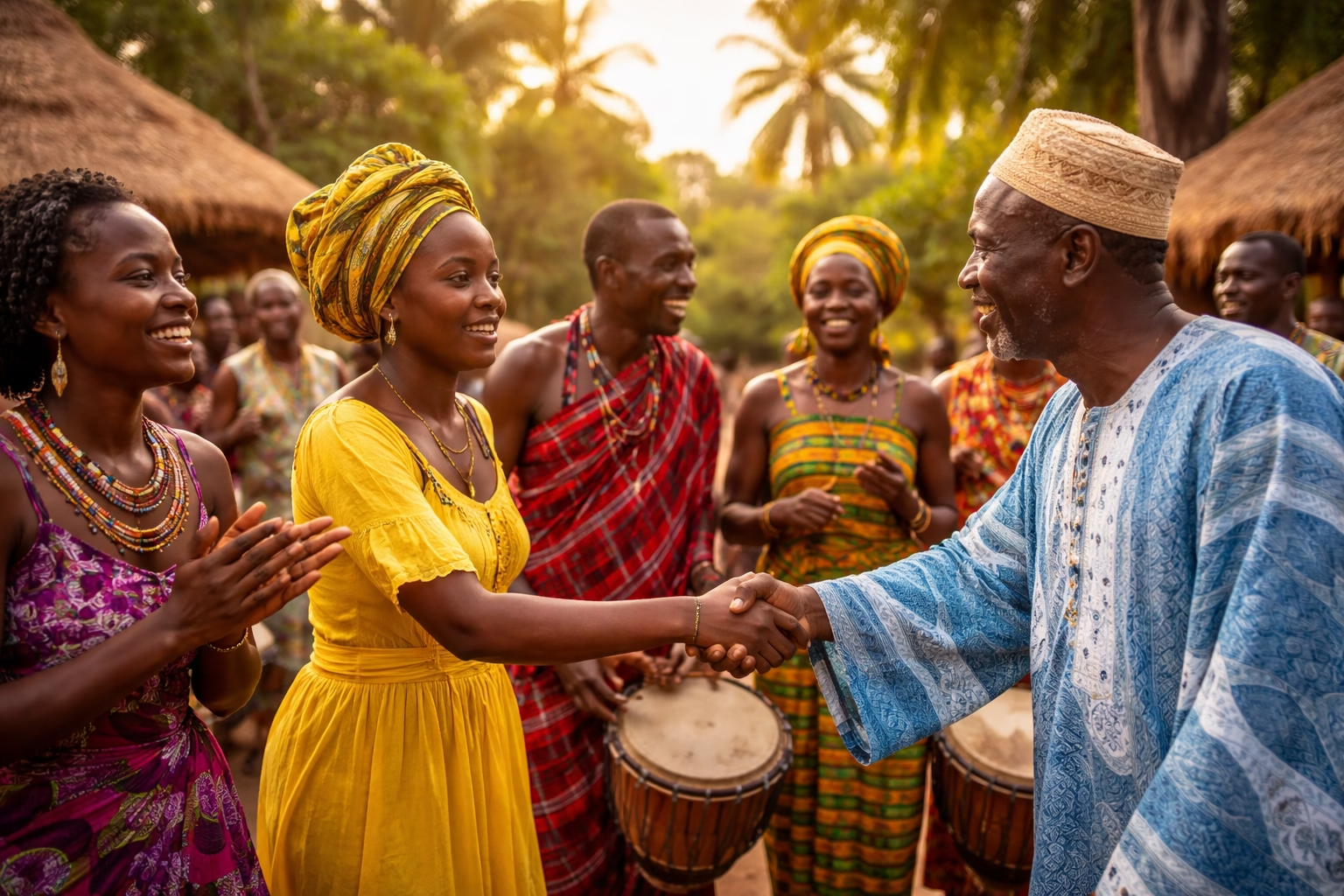
Across Africa, the rich diversity of culture, language, and tradition forms one of the most fascinating aspects of travel on this vast continent. Each country has its own rhythm of greeting, ways of showing respect, dining habits, and codes of social behavior that reflect deep rooted community values. For travelers, understanding these cultural etiquettes is not only an act of courtesy but an essential part of connecting meaningfully with local people.
- Prioritize respectful greetings and listening; follow local greeting customs and let elders or hosts initiate physical contact.
- Use appropriate body language: avoid pointing, left-hand exchanges, and exposing soles; mirror local personal space norms.
- Dress modestly where required, carry a scarf for religious sites, and adapt clothing to local customs and settings.
This article explores how cultural etiquette varies across different African countries, from greetings in West Africa to dress norms in North Africa and hospitality customs in East and Southern Africa. You will discover how to behave appropriately, what to say or avoid, and how to engage genuinely with locals. By the end, you will have a clearer picture of the cultural landscape that shapes everyday interaction across Africa and be better prepared for a respectful, enriching journey.
Respectful Communication and Greetings
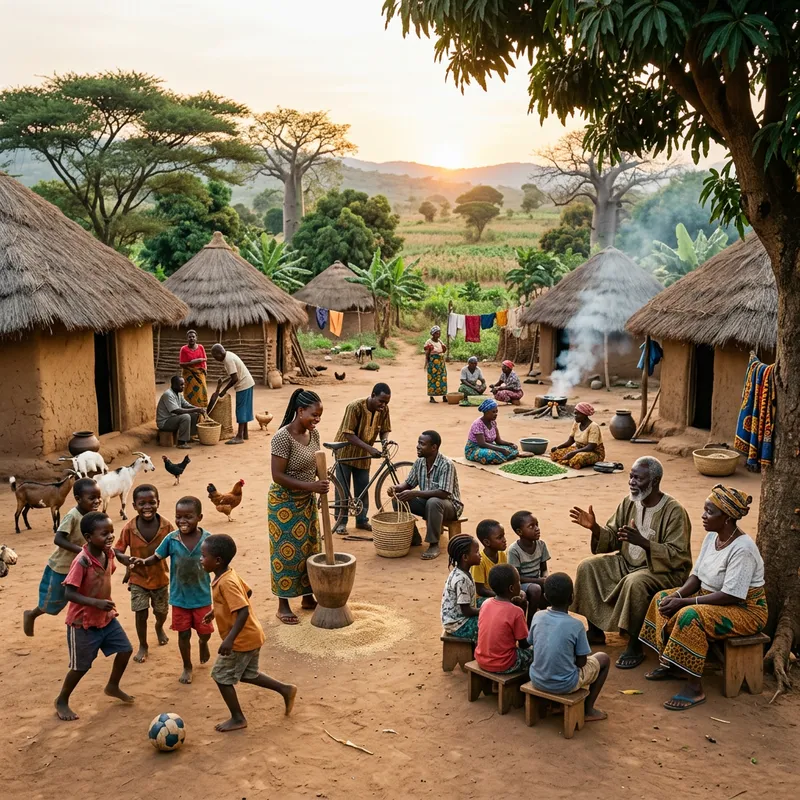
Communication forms the heart of interpersonal connection in Africa. Greetings are particularly significant and often an extended affair rather than a quick exchange.
In West Africa, especially in countries such as Ghana, Nigeria, and Senegal, greeting rituals can be detailed. It is common to ask about the family, health, and work before beginning any conversation. Ignoring this custom may be perceived as impolite or cold. A firm handshake accompanied by a smile is widely used, though in Muslim influenced areas such as northern Nigeria, same gender handshakes are more appropriate while the opposite gender may simply nod or place a hand over the heart.
In East Africa, including Kenya and Tanzania, greetings tend to be more modest but still very important. A soft handshake accompanied by a polite “habari” or “how are you” establishes warmth. Maintaining eye contact is valued but overly prolonged staring might come across as confrontational.
In Southern Africa, for example in South Africa, the greeting varies by ethnic community. Among the Zulu, a handshake often involves a sequence of grips, while among the Tswana or Xhosa people, you might find an emphasis on verbal exchange before physical contact. Always allow elders to initiate handshakes and address them respectfully by title.
Useful tip: When in doubt, wait for your local host to greet first and follow their lead. Listening carefully and responding politely will always be appreciated more than perfect fluency in the local language.

Body Language and Personal Space
Body language often communicates more than words in many African societies. Understanding these nonverbal cues will help travelers avoid misunderstandings.
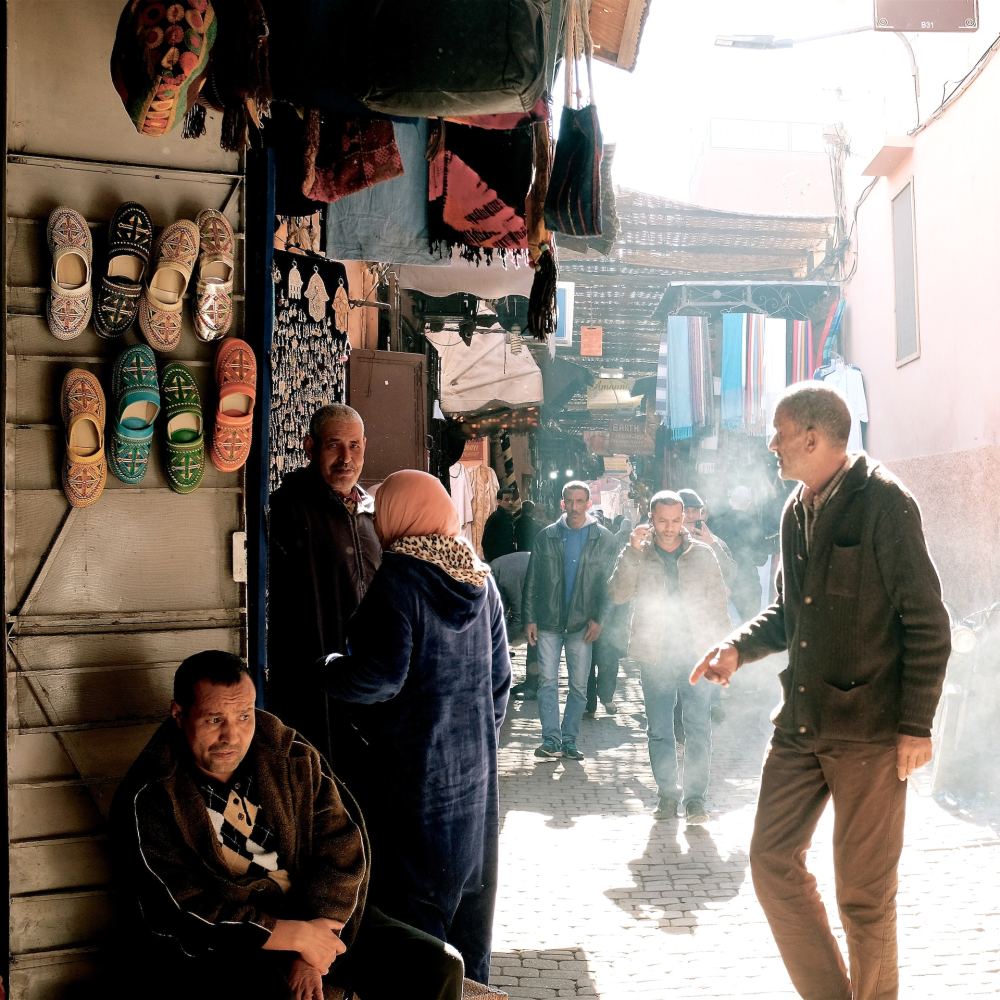
In North African countries such as Morocco, Egypt, and Tunisia, public physical contact between men and women can be frowned upon. Friendly gestures like hugging or touching are best reserved for private settings among close friends or family. Using the left hand to give or receive something is considered impolite in most contexts because the left hand is associated with personal hygiene. Always use your right hand for offering or eating.
In Sub Saharan Africa, gestures like pointing directly at someone, snapping fingers to call attention, or crossing your arms while talking can appear disrespectful. Showing the soles of your feet while sitting, especially in traditional homes or worship areas, is also best avoided.
Respect for personal space varies widely. Rural communities may prefer closer interactions as a sign of friendliness, while urban residents, especially in cities such as Nairobi or Johannesburg, may appreciate a little more space. Observing locals during conversations will give an accurate sense of what feels comfortable in that area.
Dress and Appearance Etiquette
Your clothing choices often send powerful cultural messages. Dressing modestly and neatly shows respect for local customs and helps you blend more easily into your surroundings.
In Muslim majority regions such as Sudan, Mauritania, and parts of Zanzibar, modest dress is essential for both men and women. Women travelers should pack loose fitting clothing that covers shoulders and knees, while men should avoid sleeveless tops in public. In mosques or religious gatherings, a scarf or shawl to cover one’s head is often expected.
In West Africa, traditional fabrics and bright prints dominate local styles. While travelers are not expected to wear local attire, showing interest by purchasing traditional garments like Ghanaian kente or Nigerian Ankara fabric is often warmly received.
In Southern Africa, especially in beach and safari destinations like South Africa, Mozambique, or Namibia, the atmosphere is more relaxed, but it is still advisable to avoid overly revealing clothing in villages or religious areas. Practical outdoor gear and comfortable shoes are perfect for safaris or bush walks.
Travel insight: Always observe what locals are wearing in similar contexts. Carrying a light scarf or shawl is an easy way to adapt quickly to different cultural or religious settings.

Dining Customs and Hospitality
Food in Africa is not just nourishment; it is a gateway to culture and community. Accepting hospitality politely and following basic dining etiquette creates a sense of trust and goodwill.
In Ethiopia, sharing a meal is a gesture of friendship and belonging. Dishes are often communal, served on injera bread, and eaten with the right hand. Feeding another person a bite, known as “gursha,” is an act of respect and affection. Refusing food may be taken as a sign of distance, so even a small taste shows appreciation.
In West African countries such as Ghana and Nigeria, it is customary to wash your hands before and after eating since many traditional dishes are eaten without utensils. Never begin eating before the eldest person at the table or before being invited to do so.
In Morocco and Egypt, meals often start with a prayer or acknowledgment of gratitude. Bread is sacred and should never be placed upside down or thrown away. When tea or coffee is offered, it is polite to accept at least one cup, as hospitality is a valued tradition that symbolically strengthens social bonds.
Practical advice: When sharing a meal, follow your host’s pace, use your right hand unless utensils are provided, and always thank your host sincerely afterward.

Showing Respect to Elders and Community
Across Africa, respect for elders lies at the heart of social structure. This respect is expressed through language, gestures, and behavior.
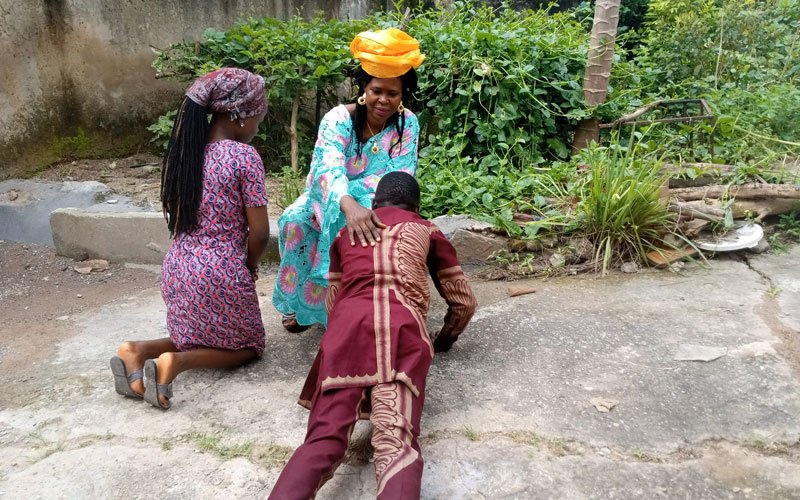
In countries like Uganda, Kenya, and Tanzania, young people usually greet elders first, often bowing slightly or lowering their gaze. Sitting above or speaking over an elder is discouraged during discussions. Gifts or offerings, when presented to older people, are usually handed over with both hands as a gesture of humility.
In West African societies, communal living emphasizes hierarchy and age. Titles such as “Chief,” “Mama,” or “Papa” are often added to names regardless of family ties, reflecting reverence rather than familiarity.
For visitors, taking time to greet community leaders or asking local guides how to properly introduce oneself in villages will open many doors. Respect here is not only social etiquette but a reflection of understanding local values.
Religious and Ceremonial Sensitivity
Religion plays a significant role across Africa, shaping community life, festivals, and daily routines. Travelers who sensitively observe religious practices will always be welcomed with kindness.
In Islamic regions across North and West Africa, be mindful of prayer times, especially during Fridays and Ramadan. Eating or drinking in public during fasting hours may be seen as disrespectful. Always ask permission before entering mosques and remove your shoes before stepping into prayer areas.
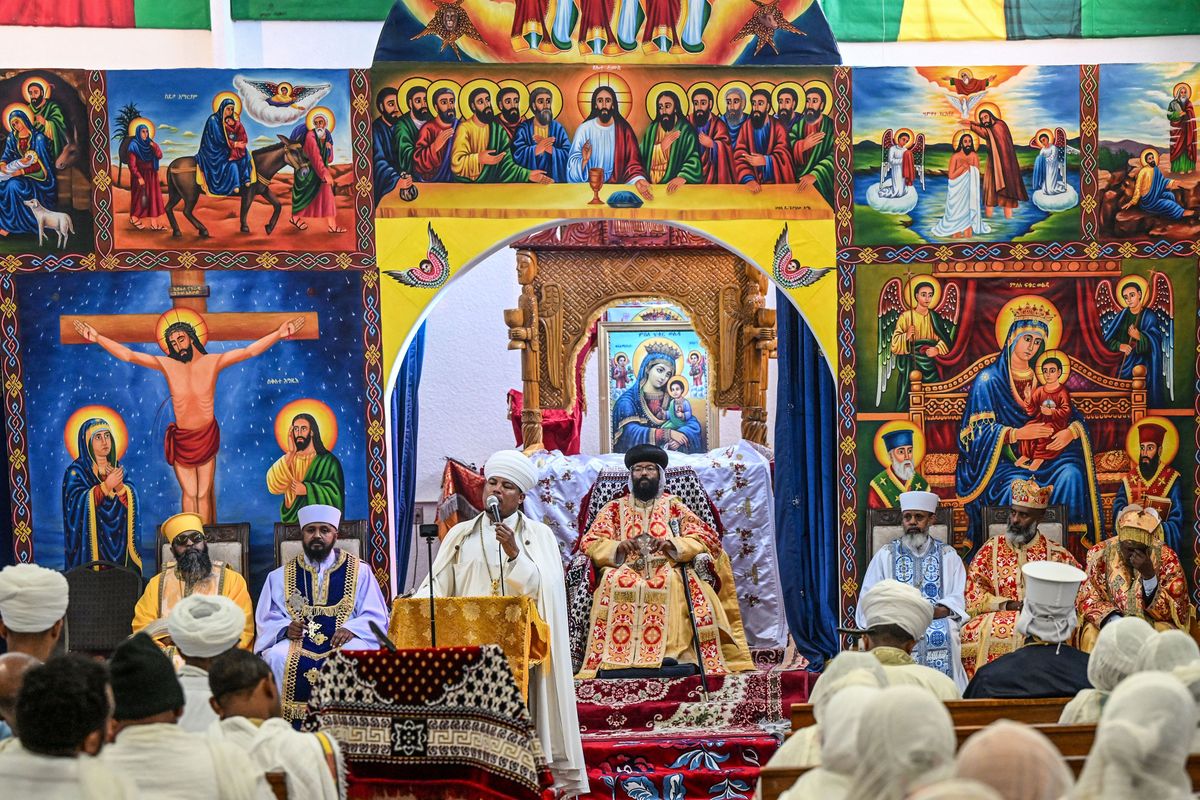
In Christian majority regions such as Ethiopia, Zambia, and Uganda, Sunday worship is a key social event. Villages often slow down for church services, and visitors dressed modestly will be treated warmly if they attend. Do not take photographs during religious ceremonies unless explicitly invited.
In indigenous and traditional African religions, ceremonies may involve singing, dancing, and specific rituals tied to ancestral beliefs. Attend with respect, avoid interrupting, and contribute to community offerings if invited.
Conclusion
Exploring Africa through its cultural etiquette offers far more than a list of behavioral rules. It provides a deeper connection to the values that guide daily life from respect and hospitality to community spirit and balance. Approaching each country with curiosity, humility, and sensitivity ensures richer experiences and greater mutual understanding.
Travel in Africa is as much about people as it is about landscapes or wildlife. By observing these cultural etiquettes, you not only travel responsibly but also help preserve the dignity and pride that sustain local traditions. When you travel with respect, you will leave with friendships and memories that transcend borders.