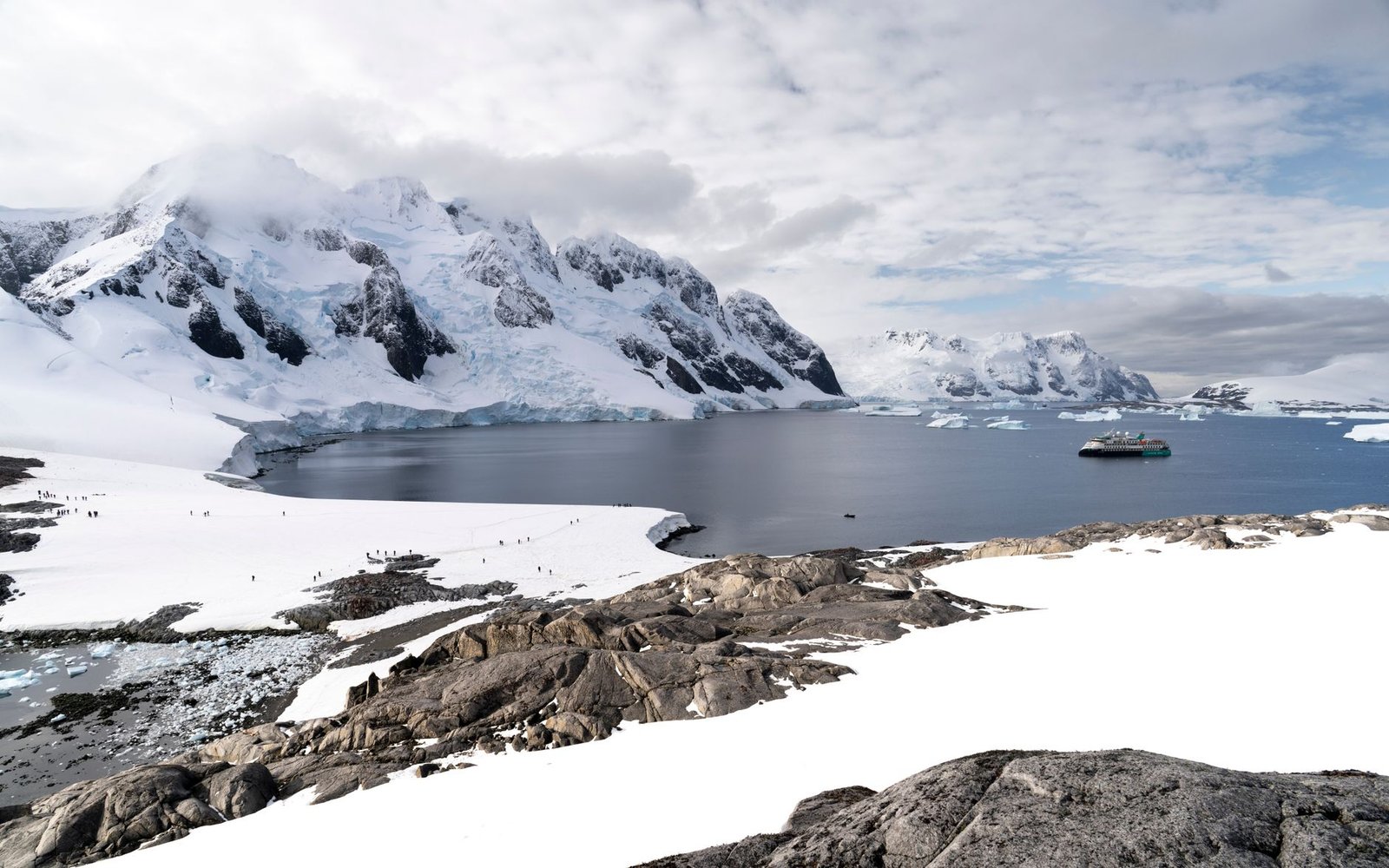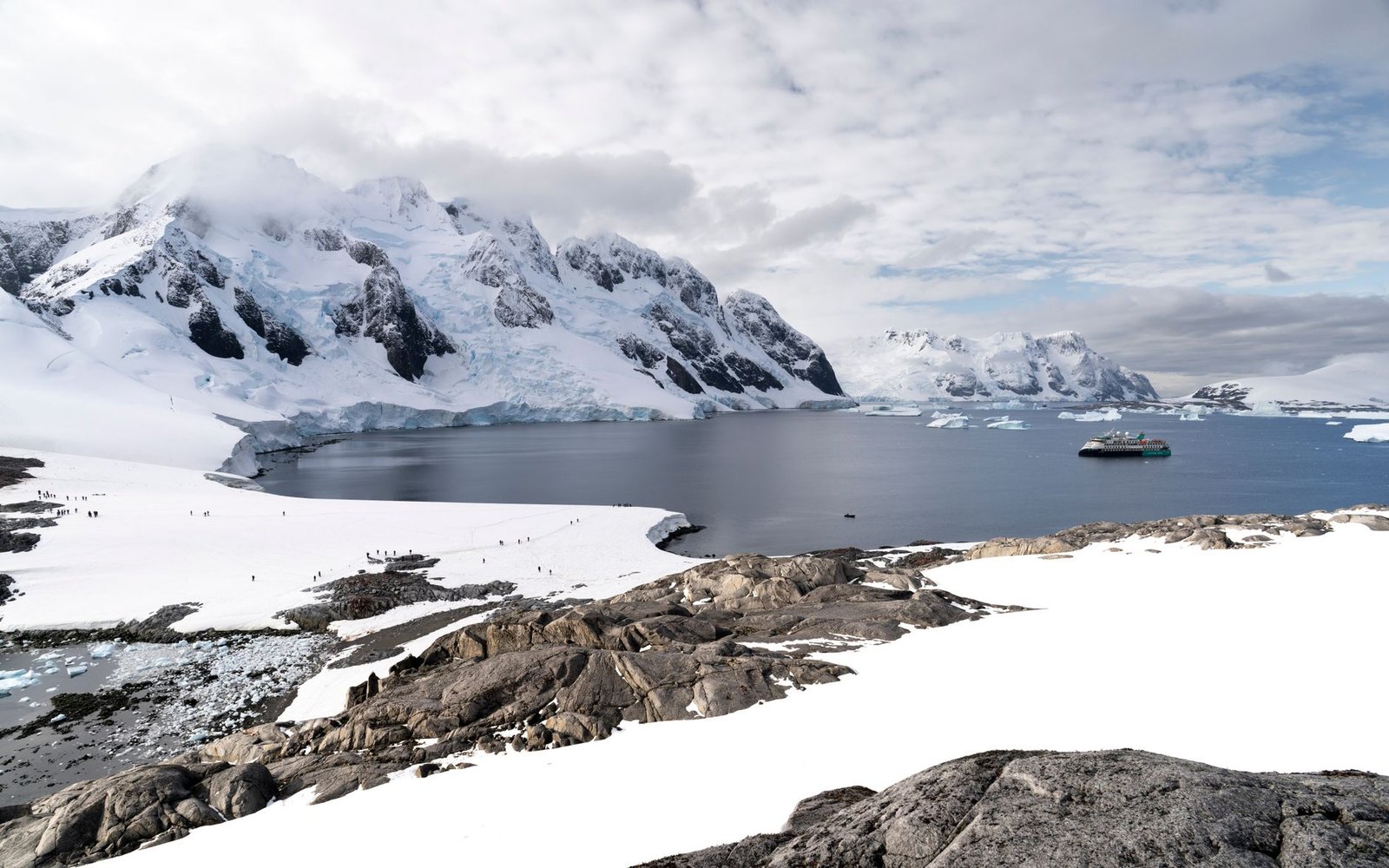

Introduction: The Mystery of Antarctica Travel Rules
Antarctica captures the imagination like no other place on Earth. It is the only continent with no native population, no government, and no permanent residents. Its vast ice-covered wilderness feels like another world entirely, where human presence is only temporary and nature reigns supreme. Yet when travelers begin planning a once-in-a-lifetime journey to the southernmost reaches of the planet, one of the first questions they ask is surprisingly simple: Do you need a visa to travel to Antarctica?
The answer is not as straightforward as it might seem. Because Antarctica is not owned by any country, it does not issue visas in the traditional sense. However, that does not mean you can simply book a flight and go. Travel to Antarctica is carefully regulated through international agreements, environmental protections, and national policies that vary depending on where your expedition departs from.
This guide will explain everything you need to know about visa requirements for Antarctica travel. It will cover how to get there, what permissions you may need, and how to prepare for the journey with the right documentation. By the end, you will understand exactly what paperwork is necessary, what is not, and how to plan your Antarctic adventure with confidence.
Understanding Antarctica’s Unique Political and Legal Status
Antarctica is unlike any other travel destination because it is governed by collective international cooperation rather than a single nation. This system is based on the Antarctic Treaty, an agreement established in 1959 and signed by more than 50 countries. The treaty ensures that the continent is used exclusively for peaceful and scientific purposes, with strict regulations protecting its fragile ecosystem.
Because there is no sovereign government overseeing immigration, Antarctica itself does not require a visa. There are no border controls, no immigration checkpoints, and no embassies or consulates operating on the continent. Instead, access to Antarctica is managed through the countries that you travel through on your way there.
In most cases, this means that the only visa you may need is for the gateway country from which your trip departs. This is where things get more practical and relevant for travelers planning an expedition.
The Role of Gateway Countries and Their Visa Requirements
Virtually all tourist expeditions to Antarctica begin in one of several recognized gateway nations. These are countries that manage most Antarctic logistics, expeditions, and port operations. The main gateways are:
- Argentina – Most cruises leaving for the Antarctic Peninsula depart from Ushuaia, a port city at the southern tip of South America often called the “End of the World.”
- Chile – The port city of Punta Arenas serves as another primary departure point, especially for fly-cruise expeditions that skip the rough seas of the Drake Passage.
- New Zealand – Serves as a base for scientific operations and limited tourist flights.
- Australia – A gateway for the eastern part of the continent, including the Ross Sea region.
- South Africa – Occasionally serves as a departure point to the less-visited eastern coast.
You will need to follow the visa and entry requirements of the gateway country you travel through. For example:
- If you are joining a cruise from Ushuaia, check Argentina’s visa policies for your nationality. Many travelers from the EU, US, and several other countries can enter visa-free for short stays, but others must apply in advance.
- If you are flying to Antarctica from Punta Arenas, make sure you meet Chile’s entry requirements before arrival.
- Similar rules apply if departing from Australia, New Zealand, or South Africa, each of which determines its own visa policies independently.
Keep in mind that these visas apply only to the country of departure, not to Antarctica itself. Your expedition company will usually guide you through the necessary steps during the booking process.
Permits, Authorizations, and Environmental Compliance
While you may not need a visa for Antarctica, you may still need authorization to visit, depending on your citizenship and how your trip is organized. Under the Antarctic Treaty System, countries that are signatories to the treaty are responsible for ensuring that their citizens and operators comply with environmental and safety standards before traveling south.
This includes:
- Environmental Impact Assessments (EIA): Tour operators must file these assessments to ensure their activities minimize disruption to the ecosystem.
- Permits for Certain Activities: If your trip involves scientific work, photography projects, or landing at specific research sites, your operator may need to apply for additional permissions.
- Visitor Guidelines: Travelers must abide by strict environmental codes such as maintaining a safe distance from wildlife, not disturbing nesting areas, and avoiding the introduction of foreign materials to the environment.
Fortunately, if you are traveling as part of an organized expedition, your tour operator will handle all these details on your behalf. Independent travel is virtually impossible and highly restricted due to safety and environmental concerns.
The Role of Tour Operators and Choosing a Reliable Expedition Company
Selecting the right expedition company is one of the most important decisions when visiting Antarctica. Because travel is highly regulated, operators must meet international safety and environmental standards. The best companies are members of IAATO (the International Association of Antarctica Tour Operators), an organization that promotes responsible and sustainable tourism on the continent.
When choosing an operator, look for:
- IAATO membership: This ensures compliance with environmental and operational guidelines.
- Departure point information: Clarify from which country your voyage departs and verify that you meet its visa requirements.
- Emergency response capabilities: Because expeditions occur in remote and extreme conditions, the operator should have contingency plans for evacuation and medical emergencies.
- Environmental commitment: Seek companies that limit group sizes and adhere to strict wildlife viewing protocols.
Working with an established operator not only simplifies permit procedures but also ensures your trip aligns with environmental and ethical best practices.
Essential Travel Documentation and Practical Tips
Although you do not need a visa for Antarctica, you will still need certain documents to make your journey smooth and trouble-free. Below are the essentials:
- Valid Passport: Most operators require your passport to be valid for at least six months beyond your travel dates, as you will likely pass through multiple countries.
- Travel Insurance: Comprehensive insurance that covers medical evacuation from remote regions is mandatory for most operators.
- Cruise or Expedition Ticket: Proof of booked passage is necessary to enter some gateway countries visa-free.
- Return Flight Confirmation: Immigration officers in the gateway country may request proof of onward travel.
It is also wise to carry copies of important documents both printed and digital, and to check country-specific requirements a few months before departure, as regulations can change seasonally.
What Happens When You Arrive in Antarctica
Upon arrival, you will not encounter customs officers or immigration counters. Instead, you will typically land at an ice runway or disembark from your ship at pre-approved landing sites managed by your expedition team. Activities are strictly guided, ensuring you adhere to safety and environmental standards.
Every passenger must follow established visitor protocols. These include cleaning boots to prevent biological contamination, maintaining safe distances from animals, and respecting research stations that you may visit under supervision. Your guides will handle compliance reporting and all communications with national Antarctic programs or treaty representatives if necessary.
Conclusion: Traveling Responsibly to Earth’s Last Frontier
To answer the question simply, no, you do not need a visa to visit Antarctica itself, but you do need to navigate the entry requirements of the country you depart from and comply with international environmental regulations. Traveling to Antarctica is a privilege, and understanding these rules is a vital part of that responsibility.
By working with a reputable expedition company, securing the correct visas for your gateway country, and respecting environmental guidelines, you can embark on one of the most extraordinary journeys anywhere on the planet. The experience will not only connect you to the astonishing beauty of the frozen south but also remind you how essential it is to protect this last great wilderness.
Further Reading
Best Beaches in Southern Europe
Cheapest Countries to Visit in Africa
Travel to Somalia; How I Traveled to Mogadishu