Latest Europe Travel Rules for Children Under 18: Essential Guide
Explore the latest Europe travel rules for children under 18, covering documentation, health requirements, and travel tips for families.
Understanding Travel Rules for Children Under 18 in Europe
Traveling with children can be a rewarding experience, but it also comes with its own set of rules and regulations, especially when venturing into Europe. Parents and guardians must be aware of the latest travel rules for children under 18 to ensure a smooth journey. This article covers essential information regarding documentation, health requirements, and safety tips for families traveling in Europe.
Traveling to Europe with minors has become increasingly regulated in recent years. Understanding these regulations can prevent unnecessary stress at the airport or border crossings. Each country may have unique requirements, making it essential to gather the latest information before planning your trip.
This guide will assist you in navigating through the complexities of traveling with children under 18 to Europe, allowing you to focus on creating lasting memories with your family.

Documentation Requirements for Minors
When traveling to Europe with children, the primary concern is ensuring that you have the right documentation. Different countries have varying regulations regarding minors. Here are some essential documents parents should be aware of:
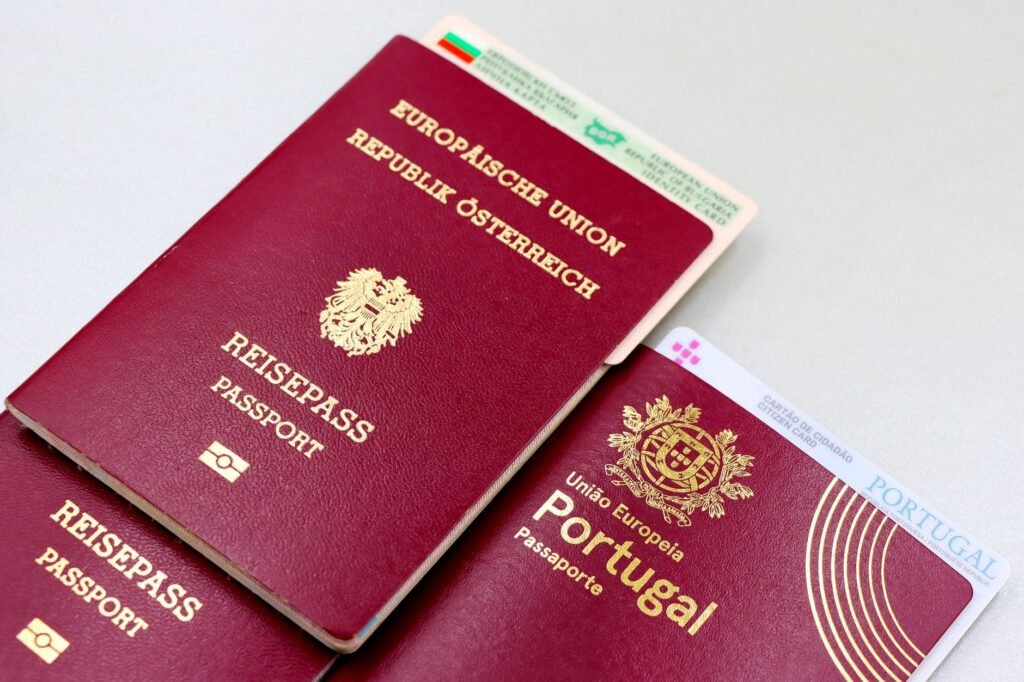
- Passport: All children, including infants, must have their own passport. A child cannot travel on a parent’s passport, even if they are included in the parent’s passport.
- Visa: Depending on the country of origin and destination, children may require a visa to enter certain European countries. Check the visa requirements well in advance of your travel date.
- Consent Forms: If a child is traveling with one parent or a guardian, having a notarized consent form from the non-traveling parent may be required, especially for international travel.
- Birth Certificates: Carrying a copy of the child’s birth certificate can sometimes help clarify age-related questions at borders, particularly if the child looks older than their age.
It is advisable to keep both original documents and photocopies in separate locations. If any documentation is lost, having duplicates can simplify the process of obtaining replacements.
Real-Life Example
Consider the case of a family of four from the United States planning a trip to Italy. They booked a flight months in advance, but just a week before leaving, they realized their 10-year-old daughter did not have her own passport. They quickly applied for a passport, but due to delays, they were unable to receive it in time for their trip. This situation could have been avoided if they had checked the documentation requirements earlier.
Health and Safety Regulations
In addition to documentation, health and safety regulations are crucial when traveling with children under 18. The COVID-19 pandemic has brought about several changes in travel protocols across Europe, which may still be in effect in various forms. Here are key points to consider:
- Vaccination Requirements: Some countries require travelers, including children, to be vaccinated against certain diseases. As of now, many European countries have specific COVID-19 vaccination requirements. Children may also need to present proof of vaccination for other illnesses, such as measles or polio, depending on the country.
- Health Insurance: Having comprehensive health insurance that covers children is vital. Ensure that the policy includes coverage for international travel, as healthcare can be expensive in Europe.
- Travel Advisories: Always check for the latest travel advisories from your government and the destination country. These advisories often include health warnings and recommendations for travelers with children.
By staying informed about health regulations, parents can better prepare their families for travel challenges, ensuring a safer and more pleasant experience.
Country-Specific Entry Requirements
When planning a trip to Europe with children, it’s essential to be aware of the country-specific entry requirements as they can vary greatly. Some countries may have stricter rules compared to others. Here’s a breakdown of what you might encounter:
- Schengen Area Countries: Countries in the Schengen Area have a common visa policy. If traveling to multiple Schengen countries, a single visa can suffice for stays up to 90 days in any 180-day period. However, children must still have their own visas, if required.
- Non-Schengen Countries: Countries like the UK or Ireland may have different entry requirements, such as separate visa applications for minors. Parents should verify these regulations before travel.
- Documentation for Minors Traveling Alone: If a child travels without parents, additional documentation may be needed, such as a consent letter from both parents, confirming that they agree to the travel plans.
Every destination may have its own nuances, so checking the embassy or consulate’s website of the country you plan to visit is advisable for the most accurate and updated information.
Safety Tips for Traveling with Children
Traveling with children requires additional safety precautions. Here are several practical safety tips to consider:
- Keep Valuables Secure: Always keep your child’s passport and other valuables in a secure place, such as a money belt or a locked bag. This reduces the risk of theft or loss.
- Establish Meeting Points: In crowded areas, establish a meeting point in case you get separated. Choose a recognizable landmark that your child can remember easily.
- Emergency Contacts: Equip your child with emergency contact information, including a phone number to reach you and the address of where you are staying. Consider giving them a prepaid phone or a device with GPS capabilities.
By taking these precautions, you can enhance your family’s safety while exploring new destinations.

Travel Insurance for Families
Travel insurance is an essential part of planning a family trip to Europe. It provides peace of mind and financial protection in unforeseen circumstances. Here are key aspects of travel insurance relevant to families:
- Medical Coverage: Ensure that the insurance covers all family members, including children, for medical emergencies during the trip. Verify that it includes coverage for pre-existing conditions if applicable.
- Trip Cancellation: Family trips can be disrupted for various reasons. A good travel insurance policy will cover costs incurred due to trip cancellations or delays.
- Lost Luggage: Look for insurance that covers lost or delayed luggage, which can be particularly stressful when traveling with children.
Choosing the right travel insurance can make a significant difference in handling challenges that may arise during your travel in Europe.

Traveling with Minors: Legal Guardianship and Consent
Understanding Legal Guardianship
Traveling with children often involves navigating complex legal territories, especially concerning guardianship. It is crucial to establish who is legally responsible for the child during the trip. In many European countries, if a child is traveling with one parent, the other parent may need to provide consent, particularly in cases of custody arrangements. This consent may need to be in writing, and in some situations, notarized to ensure its validity.
Here are some key points to consider regarding legal guardianship:
- Both parents should ideally travel together with the child to avoid complications.
- If traveling alone with the child, expect to carry additional documentation proving guardianship or consent.
- Check specific requirements for the countries you plan to visit, as regulations vary widely across Europe.
Parental Consent Documents
To facilitate smooth travel, it’s advisable to prepare consent documents before departure. These documents serve as a protective measure against potential legal issues during travel. A parental consent letter should include essential details such as the child’s full name, date of birth, travel itinerary, and the names of the accompanying adults.
When drafting a parental consent document, consider including the following elements:
- Full names and contact information of both parents or legal guardians.
- Details of the child, including any medical needs or allergies.
- Travel dates and destinations.
- Signature and date of the non-traveling parent or guardian.
International Travel Considerations
For international travel outside the EU, specific regulations apply. Countries outside Europe may have stricter rules regarding minors traveling without both parents. For example, some countries require a legal affidavit or additional proof of guardianship. It is essential to research the entry requirements of each country on your itinerary.
Consult the following resources for country-specific requirements:
- Embassy or consulate websites of the destination country.
- Travel advisory websites that provide updated information on entry requirements.
- Legal advice services that specialize in family travel law.
Traveling by Air: Airline Policies for Children
Age-Specific Policies and Services
Airlines often have specific policies regarding children traveling alone or with adults. Most airlines allow children under a certain age to travel as unaccompanied minors, but this service may come with additional fees and requirements. Understanding these services is crucial for a stress-free travel experience.
For young travelers, airlines generally categorize children into the following age groups:
- Infants: Typically 0-2 years old, often travel for free or at a reduced fare.
- Children: Ages 2-11, may require a ticket but are often eligible for child discounts.
- Teenagers: Ages 12-17, can usually travel alone but may have different rules depending on the airline.
Unaccompanied Minor Services
If your child is traveling alone, many airlines offer unaccompanied minor services to ensure their safety and well-being during the flight. This service includes supervision before boarding, during the flight, and upon arrival. Parents should book these services in advance as they are often limited in capacity.
When considering unaccompanied minor services, keep the following in mind:
- Check airline policies and fees well ahead of travel.
- Provide the airline with all necessary information about the child’s travel plans.
- Ensure the child knows emergency contact information.
In-Flight Experience for Children
Traveling with children can sometimes be challenging, especially during long flights. Many airlines provide amenities tailored to young passengers, including special meals, entertainment options, and activity kits. Knowing what to expect can help parents prepare adequately for the journey.
To enhance the in-flight experience, consider the following:
- Bring along favorite books or toys to keep children entertained.
- Schedule breaks for movement and bathroom visits when possible.
- Pack snacks and drinks, keeping in mind airline restrictions on liquids.
Traveling by Train: Regulations and Tips
Train Travel Across Europe
Train travel is one of the most convenient and scenic ways to explore Europe with children. However, each country has specific regulations regarding the travel of minors. Generally, children under a certain age may travel for free or at reduced fares, but this varies significantly by country and train operator.
When traveling by train with children, consider the following points:
- Check the specific train operator’s policy for children’s tickets and discounts.
- Make reservations in advance, especially during peak travel seasons.
- Look into family-friendly train services that provide amenities for children.
Family-Friendly Train Services
Many European train services cater specifically to families, offering amenities such as family compartments, play areas, and kid-friendly meals. Some trains even feature entertainment systems with movies and games for children. Knowing which services are available can enhance the travel experience.
Popular family-friendly train services include:
- Eurostar: Offers family compartments and children’s menus.
- Thalys: Provides kids’ meals and entertainment options on board.
- Renfe: Offers discounts for families traveling in Spain.
Safety and Comfort Tips for Train Travel
Ensuring the safety and comfort of children during train travel is essential. Parents should familiarize themselves with the train layout, including restroom locations and emergency exits. Additionally, keeping a close eye on children, especially in crowded stations, can prevent potential mishaps.
Here are some safety tips for train travel with children:
- Set a meeting point in case anyone gets lost at the station.
- Teach children about train etiquette and safety rules.
- Keep personal belongings secure to prevent theft.
Frequently Asked Questions
What documentation do children need to travel to Europe?
Children require their own passports, and depending on the destination, they may need visas. It’s also advisable to have consent forms and copies of birth certificates.
Are there any health requirements for children traveling to Europe?
Yes, certain vaccinations may be required, and having health insurance that covers international travel is essential for children.
Can children travel without both parents?
Yes, children can travel with one parent or a guardian, but a notarized consent form from the non-traveling parent may be necessary, especially for international travel.
How do I keep my children safe while traveling?
Keep valuables secure, establish meeting points, and provide emergency contact information to enhance safety while traveling with children.
The Bottom Line
Traveling to Europe with children under 18 requires careful planning and consideration of various rules and regulations. From ensuring that you have the correct documentation to understanding health regulations and safety tips, being well-prepared is crucial. By following the guidelines outlined in this article, families can navigate the complexities of travel and focus on enjoying their European adventure together.
Visa rules, prices and opening times change. Always confirm details with official sources before you travel.