Exploring India’s Western Ghats: A Nature Lover’s Paradise
Discover the breathtaking beauty and rich biodiversity of exploring India's Western Ghats, an essential travel guide for nature enthusiasts.
The Western Ghats, also known as the Sahyadri Mountains, stretch over 1,600 kilometers along the western coast of India. This mountain range is one of the eight “hottest hotspots” of biological diversity in the world, recognized as a UNESCO World Heritage Site. Rich in natural beauty, the Western Ghats is home to a plethora of flora and fauna, making it a must-visit destination for nature lovers and adventure seekers alike.
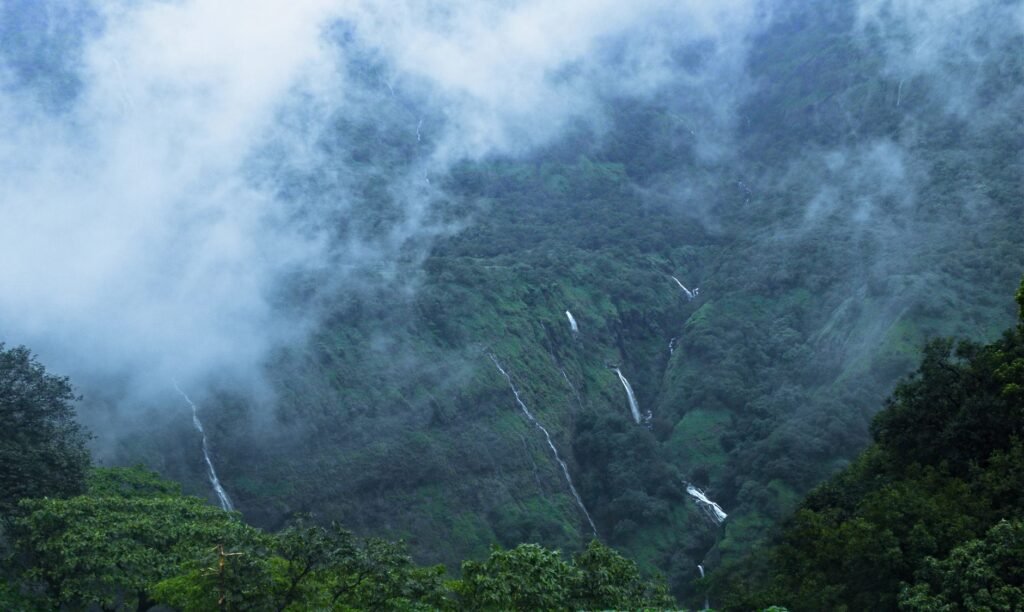
From cascading waterfalls to sprawling tea plantations, the Western Ghats offers a variety of experiences that cater to different interests. Whether you’re looking to trek through the lush forests, spot endemic wildlife, or simply relax in the serene environment, this region has it all. This guide aims to provide practical information and insights to help you explore India’s Western Ghats effectively.
Before embarking on your adventure, it’s important to understand the best times to visit, key destinations to explore, and activities you can engage in, ensuring a fulfilling experience in this enchanting mountain range.
Best Time to Visit
The Western Ghats experiences a tropical climate, with significant variations across its length. The best time to visit largely depends on the type of activities you wish to engage in:
- June to September: This period marks the monsoon season, which transforms the landscape into a lush green paradise. While trekking is possible, be prepared for heavy rainfall and slippery trails.
- October to February: This is the ideal time for visiting the Western Ghats. The weather is pleasant and conducive for outdoor activities. Wildlife spotting is also at its peak during these months.
- March to May: The temperatures start to rise, and the region can be quite hot. However, this is also the time when many birds migrate to the region, making it a good time for birdwatching enthusiasts.
Getting There
Reaching the Western Ghats can be done through various modes of transportation, depending on your starting point:
By Air
The nearest major airports to the Western Ghats are located in cities like Pune, Mumbai, and Cochin. From these airports, you can hire a taxi or take a bus to reach your desired destination within the Ghats.
By Train
India’s extensive railway network offers trains to several towns located in the Western Ghats. For example, you can take a train to stations like Matheran, Ooty, or Kodaikanal. Traveling by train not only provides a scenic view but also allows you to experience local culture.
By Road
Driving to the Western Ghats can be a rewarding experience, as many highways lead through picturesque landscapes. Renting a car or taking a bus can be a viable option. Make sure to check road conditions, especially during the monsoon season.

Top Destinations to Explore
The Western Ghats is dotted with charming towns and breathtaking landscapes. Here are some of the top destinations to explore:
1. Munnar
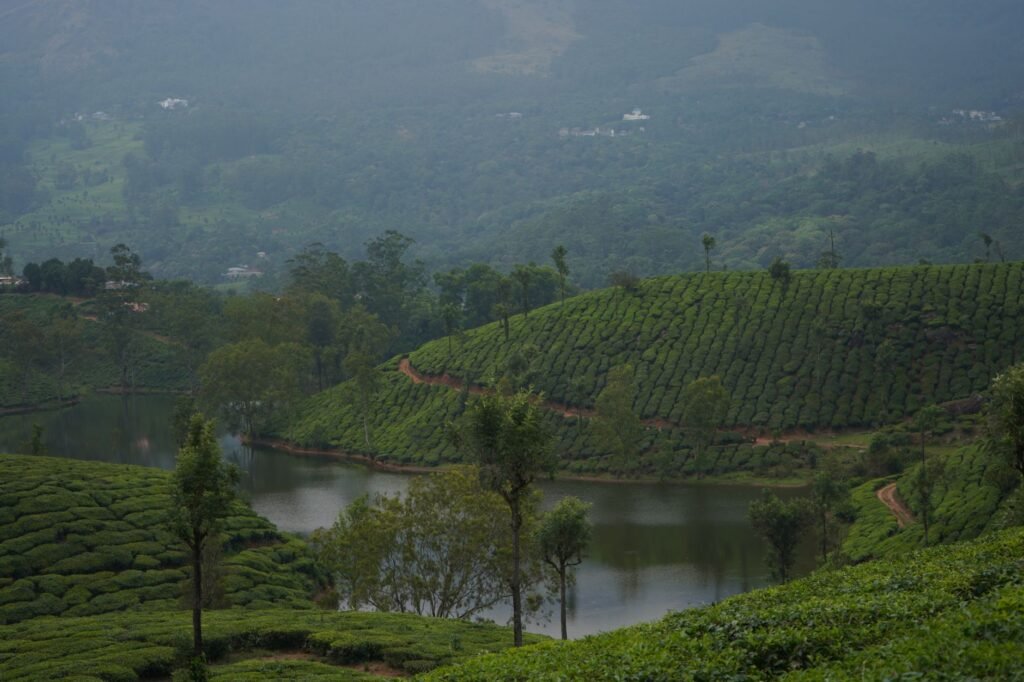
Famous for its sprawling tea plantations, Munnar is a picturesque hill station in Kerala. Visitors can enjoy guided tours of the tea estates, hike to the Anamudi Peak, or visit the Eravikulam National Park, which is home to the endangered Nilgiri Tahr.
2. Ooty
Known as the “Queen of Hill Stations,” Ooty is famous for its botanical gardens, serene lakes, and the Nilgiri Mountain Railway. A ride on this UNESCO-listed train is a delightful experience, offering stunning views of the rolling hills and valleys.
3. Coorg
Coorg, or Kodagu, is known for its coffee plantations, lush greenery, and beautiful waterfalls. Adventure seekers can indulge in activities such as trekking, river rafting, and visiting the Dubare Elephant Camp, where you can interact with elephants.
Activities to Engage In
The Western Ghats offers a plethora of activities for all kinds of travelers. Here are some popular options:
Trekking
With numerous trails crisscrossing the mountain range, trekking is one of the most popular activities in the Western Ghats. Some notable trekking routes include:
- Kudremukh Trek: This challenging trek offers stunning views and a chance to see unique wildlife.
- Chembra Peak: Located near Wayanad, this trek is known for its heart-shaped lake and panoramic views.
- Bhirao Trek: A lesser-known trek with opportunities to see diverse flora and fauna.
Wildlife Watching
The Western Ghats is home to a rich variety of wildlife, including tigers, elephants, and many endemic bird species. Some of the best wildlife sanctuaries and national parks to visit include:
- Periyar Wildlife Sanctuary: A popular destination for spotting elephants and other wildlife.
- Anamalai Tiger Reserve: Known for its tiger population and biodiversity.
- Bandipur National Park: A great place to experience the wildlife of the Western Ghats.
Cultural Experiences
In addition to its natural beauty, the Western Ghats is rich in culture and tradition. Visitors can explore:
- Local Festivals: Experience vibrant local festivals such as Onam and Pongal, showcasing traditional music, dance, and food.
- Temples and Heritage Sites: Visit ancient temples and colonial-era buildings in towns like Coorg and Munnar.
- Traditional Cuisine: Savor local dishes made from fresh, locally sourced ingredients.
Tips for a Safe and Enjoyable Trip
While exploring the Western Ghats can be a thrilling experience, it’s essential to keep some practical tips in mind:
- Stay Hydrated: Carry enough water during your treks and outdoor activities to avoid dehydration.
- Respect Nature: Follow local rules regarding wildlife sightings and avoid littering.
- Check Weather Conditions: Be prepared for sudden weather changes, especially during the monsoon season.
Ecological Significance of the Western Ghats
Biodiversity Hotspot
The Western Ghats is recognized as one of the eight “hottest hotspots” of biological diversity in the world. This mountain range is home to more than 7,402 species of flowering plants, 139 mammal species, 508 bird species, and 6000 insect species. Its unique climatic conditions and varied topography create diverse habitats, from evergreen rainforests to montane grasslands, each supporting a distinct set of flora and fauna.
The presence of endemic species is notable, with around 1,500 species of flowering plants and 139 species of mammals found nowhere else in the world. Some remarkable species include the Nilgiri Tahr, the Lion-tailed Macaque, and various species of orchids. Conservation efforts are crucial to preserve this biodiversity, as habitat destruction and climate change pose significant threats.
Conservation Challenges
Despite its ecological importance, the Western Ghats faces numerous conservation challenges. Rapid urbanization, agriculture expansion, and deforestation have led to habitat fragmentation, threatening many species. The encroachment of invasive species further exacerbates these issues, disrupting local ecosystems.
To combat these threats, various organizations and governmental bodies are working towards sustainable management practices. Initiatives include habitat restoration, community involvement in conservation, and the establishment of protected areas. Raising awareness among local communities about the ecological significance of the Western Ghats is vital for the success of these initiatives.
- Urbanization and infrastructure development
- Illegal logging and poaching
- Climate change impacts
- Water resource management issues
Cultural Heritage and Local Communities
Tribal Communities and Their Traditions
The Western Ghats is home to several indigenous tribes, each with a rich cultural heritage that is deeply intertwined with the region’s natural environment. Tribes such as the Todas, Kotas, and Kurumbas have lived sustainably for centuries, relying on the natural resources around them for food, shelter, and medicines. Their traditional knowledge of the flora and fauna is invaluable, providing insights into sustainable practices.
Visiting tribal villages offers tourists a unique opportunity to learn about traditional lifestyles, handicrafts, and agricultural practices. Many communities engage in eco-tourism, providing guided tours that promote cultural exchange while preserving their heritage. Participating in local festivals can further enhance the experience, showcasing traditional music, dance, and cuisine.
Architectural Wonders
The Western Ghats is dotted with numerous historical sites that reflect the region’s rich cultural tapestry. Ancient temples, colonial-era buildings, and forts are just a few examples of the architectural diversity in the region. The famous hill stations of Munnar, Ooty, and Kodaikanal feature British colonial architecture, while the temples in Hampi and Badami showcase stunning Dravidian architecture.
Exploring these sites is not just about appreciating the beauty of the structures; it also provides insights into the historical narratives that shaped the region. Many of the temples are adorned with intricate carvings that depict mythological stories, while forts reveal tales of ancient kingdoms and their strategic significance.
- Historical temples: Meenakshi Temple, Brihadeeswarar Temple
- Colonial architecture: Bungalows in Ooty, St. Stephen’s Church
- Forts: Chikmagalur Fort, Khandala Fort
Adventure and Wellness Retreats
Adventure Sports
The Western Ghats offers a plethora of adventure sports that cater to thrill-seekers. From trekking through dense forests to paragliding over picturesque valleys, the options are abundant. Popular trekking routes include the Kudremukh trek, known for its lush green landscapes, and the trek to the summit of Mullayangiri, the highest peak in Karnataka.
For those looking for water-based activities, white-water rafting on the rivers of Wayanad and kayaking in the backwaters of Kerala provide exhilarating experiences. Rock climbing and rappelling are also popular in areas like Kothagiri, where the rocky terrain offers suitable challenges for climbers of all levels.
- Trekking: Kudremukh, Mullayangiri, and Agasthyarkoodam
- White-water rafting: Wayanad, River Kundalika
- Paragliding: Kamshet, Lonavala
Wellness and Ayurvedic Retreats
The serene environment of the Western Ghats makes it an ideal destination for wellness and rejuvenation retreats. Many resorts and wellness centers offer traditional Ayurvedic treatments that focus on holistic healing. Visitors can indulge in massages, herbal therapies, and yoga sessions amidst the tranquil backdrop of nature.
These retreats often incorporate local organic produce into their cuisine, promoting health and wellness through a balanced diet. Participating in wellness programs can help visitors learn about the principles of Ayurveda and how to integrate them into their daily lives. The calming natural surroundings enhance the overall experience, making it a perfect getaway for those seeking relaxation and rejuvenation.
- Popular Ayurvedic centers: Somatheeram, Kottakkal Arya Vaidya Sala
- Yoga retreats: Varkala, Munnar
- Wellness programs: Detox, meditation workshops

Flora and Fauna of the Western Ghats
Diverse Plant Life
The Western Ghats are home to an astonishing variety of plant species, many of which are endemic to the region. The lush greenery is predominantly characterized by tropical evergreen forests, deciduous forests, and grasslands. Some notable species include the giant tree fern and various types of orchids, which thrive in the humid climate. The region is also recognized for its extensive coffee and tea plantations, which add to its ecological diversity.
- Endemic species: Approximately 7,402 species of flowering plants.
- Significant forest types: Tropical evergreen, semi-evergreen, and moist deciduous.
- Unique ecosystems: Grasslands and shola forests.
Wildlife Wonders
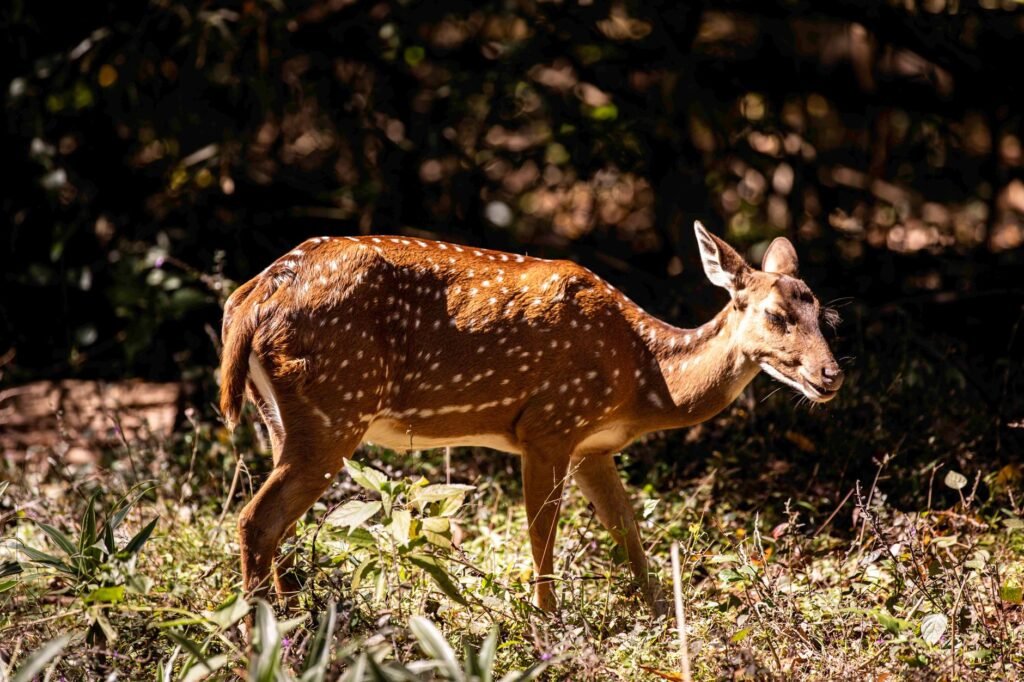
The Western Ghats host a wide range of wildlife, including several endangered species. Visitors may encounter animals such as the Nilgiri Tahr, lion-tailed macaque, and the Malabar large-spotted civet. Birdwatchers will find the region particularly appealing, with over 500 species of birds documented, including the Great Indian Hornbill and various migratory species. The presence of numerous wildlife sanctuaries and national parks provides ample opportunities for wildlife spotting.
- Notable wildlife sanctuaries: Periyar Wildlife Sanctuary, Anamalai Tiger Reserve.
- Bird species to watch: Malabar Grey Hornbill, Nilgiri Wood Pigeon.
- Endangered species: Great Indian Bustard, Indian Bison.
Local Cuisine of the Western Ghats
Traditional Dishes
The culinary landscape of the Western Ghats is as diverse as its geography. Influenced by local ingredients and cultural practices, traditional dishes often feature rice, lentils, and a variety of spices. Popular dishes include ‘Puttu,’ a steamed rice cake, and ‘Appam,’ a type of pancake made from fermented rice batter. The use of coconut in many recipes adds a distinctive flavor that is cherished by locals and visitors alike.
- Puttu: Steamed rice cake usually served with coconut and curry.
- Appam: A fermented rice pancake served with stews.
- Fish Curry: Often made with local varieties, flavored with tamarind and coconut.
Sweets and Snacks
In addition to main dishes, the Western Ghats offer a plethora of sweets and snacks that reflect the region’s rich culinary heritage. Sweets such as ‘Chikki,’ a brittle made from jaggery and nuts, and ‘Peda,’ a milk-based sweet, are popular among locals. Snack options include ‘Banana Chips,’ which are crispy and can be found in various flavors, making them a perfect accompaniment to tea.
- Chikki: Jaggery and nut brittle.
- Peda: Sweet made from condensed milk.
- Banana Chips: Crispy fried banana slices.
Conservation Efforts in the Western Ghats
Protected Areas and Initiatives
Conservation efforts in the Western Ghats aim to protect its rich biodiversity and combat threats such as deforestation and climate change. Several protected areas have been established, including national parks and wildlife sanctuaries, to safeguard the unique flora and fauna. Initiatives by both government and non-government organizations focus on sustainable development and community engagement to promote awareness and education.
- Protected Areas: 39 protected areas, including 7 national parks.
- Key initiatives: Eco-sensitive zones and biodiversity conservation programs.
- Community involvement: Engaging locals in conservation practices.
Challenges to Conservation
Despite ongoing conservation efforts, the Western Ghats face numerous challenges. Urbanization, agricultural expansion, and climate change threaten the fragile ecosystems. Addressing these challenges requires collaborative efforts from various stakeholders, including the government, local communities, and environmental organizations. Raising awareness about the importance of conservation is crucial for the future of the Western Ghats.
- Key challenges: Deforestation, habitat fragmentation, and pollution.
- Collaborative approaches: Involvement of local communities in conservation.
- Awareness campaigns: Education on environmental protection.
Frequently Asked Questions
What are the best trekking routes in the Western Ghats?
Some of the best trekking routes include Kudremukh Trek, Chembra Peak, and the Bhirao Trek. Each offers unique landscapes and experiences for trekkers of different skill levels.
Is it safe to travel alone in the Western Ghats?
Traveling alone in the Western Ghats is generally safe, but it is advisable to stay in tourist-friendly areas, inform someone of your itinerary, and take necessary precautions while trekking.
What wildlife can I expect to see in the Western Ghats?
The Western Ghats is home to a variety of wildlife, including tigers, elephants, leopards, and numerous bird species. Visiting national parks and wildlife sanctuaries increases your chances of spotting these animals.
Are there any cultural experiences to enjoy in the Western Ghats?
Yes, visitors can enjoy local festivals, traditional cuisine, and explore temples and heritage sites, which provide insight into the rich culture of the region.
The Bottom Line
Exploring India’s Western Ghats is an adventure that promises rich experiences, from breathtaking landscapes to diverse wildlife and vibrant local culture. To make the most of your trip, plan your itinerary according to the best visiting times, choose activities that suit your interests, and travel responsibly while enjoying the natural beauty of this UNESCO World Heritage Site.
Visa rules, prices and opening times change. Always confirm details with official sources before you travel.