Introduction
Budapest is a city that instantly captures the imagination. Straddling the Danube River with stately bridges and grand boulevards, the Hungarian capital combines centuries of architectural elegance with a youthful energy that hums through its streets. Travelers come for its famous thermal baths, its skyline marked by domes and spires, and its thriving café culture that feels timeless yet alive with modern creativity.
This comprehensive Budapest travel guide explores the city’s top attractions and provides deeper insight into the experiences that make it one of Europe’s most enchanting capitals. You will discover what to see, where to wander, and how to make the most of every moment in this beautiful city that blends old Central European charm with a vibrant urban rhythm.
The Danube: Budapest’s Defining Feature
Few European cities are as closely tied to their river as Budapest is to the Danube. The river divides the city into two distinct parts: hilly, historic Buda on the west bank and lively, flat Pest on the east. Walking along the Danube promenade or crossing one of its stately bridges gives a sense of the city’s scale and poetry.
For the best perspectives:
- Chain Bridge – This iconic bridge was the first to connect Buda and Pest. Walk across it at dusk when the city lights reflect on the water and the Parliament Building glows across the river.
- Elizabeth Bridge and Liberty Bridge – Each has its own visual character and offers viewing points, especially when you want to photograph the city’s skyline.
- Danube River Cruise – To appreciate Budapest in full, take a sunset river cruise. It offers panoramic views of major landmarks and is a magical way to experience the city’s illuminated grandeur.
The Danube is not only a viewpoint but also a narrative line that connects most of Budapest’s major attractions, making it central to any visitor’s experience.
Buda Castle District: Stepping into History
Perched high above the river, the Buda Castle District is a UNESCO World Heritage Site that feels like walking through the chapters of European history. Its cobbled streets are lined with medieval walls, royal courtyards, and museums that tell the story of Hungary’s past.
Highlights of this area include:
- Buda Castle (Royal Palace) – Housing the Hungarian National Gallery and the Budapest History Museum, the complex offers both art and sweeping views over the rooftops of Pest. For the most memorable visit, arrive early morning when the courtyards are quiet.
- Matthias Church – Recognizable by its colorful tiled roof, this Gothic beauty has been the site of coronations and carries centuries of rich cultural symbolism. Step inside to admire its stunning frescoes and intricate carvings.
- Fisherman’s Bastion – Right beside Matthias Church, this neo-Romanesque terrace is one of Budapest’s most beloved viewpoints. The terraces and towers frame spectacular views of the Parliament Building and the river below.
Allow at least half a day to explore this district. It rewards those who linger, whether for coffee at a small café tucked among the historic houses or an evening stroll through softly lit streets.
The Hungarian Parliament and the Grandeur of Pest
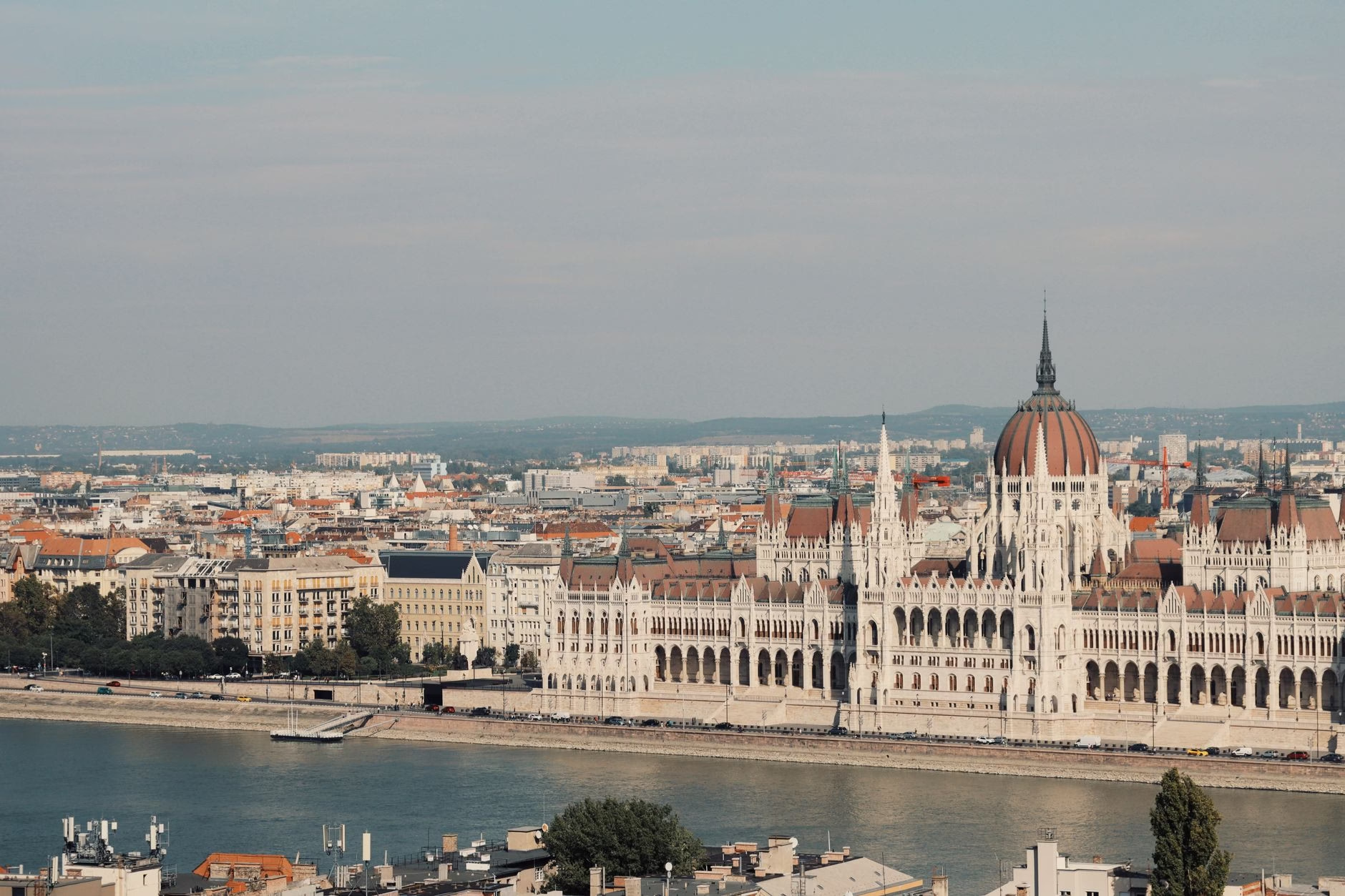
The Parliament Building is one of Europe’s most breathtaking seats of government and symbol of Hungary’s national pride. Inspired by London’s Westminster design, its Gothic Revival style and location right on the river make it an architectural masterpiece.
Tips for visiting:
- Book a guided tour in advance to see the interior’s grand staircases, gold-adorned halls, and the Hungarian Crown Jewels.
- Arrive before sunset to photograph its symmetrical reflection across the Danube.
- The night illumination is a must-see, especially from the opposite bank near Batthyány Square.
Beyond Parliament, Pest’s wide boulevards, cultural institutions, and lively squares showcase the city’s vibrant side. Do not miss:
- St. Stephen’s Basilica, where travelers can climb to the dome for views stretching far across the city.
- Andrássy Avenue, lined with elegant townhouses and cafés, leading up to the iconic Heroes’ Square and City Park.
This area reflects Budapest’s spirit of grandeur combined with vitality and openness, where history and modern life coexist effortlessly.
Thermal Baths: Budapest’s Living Tradition
One of the most distinctive aspects of Budapest is its culture of bathing. The city sits atop a network of natural hot springs, and locals have been enjoying their healing waters for centuries. A visit to the baths is both a wellness ritual and a social experience that offers insight into Hungarian everyday life.
The top options include:
- Széchenyi Thermal Bath – Located in City Park, this is the largest thermal bath complex in Europe, famous for its outdoor pools surrounded by yellow Neo Baroque architecture. Morning hours are calm, while evenings offer a lively atmosphere with locals playing chess in the steaming pools.
- Gellért Baths – Set in a magnificent Art Nouveau building on the Buda side, Gellért Baths combine elegance with relaxation. The indoor pool hall, decorated with mosaics and columns, provides an almost regal experience.
- Rudas Baths – Dating back to the Ottoman era, these baths have preserved their original Turkish dome and atmosphere. The rooftop hot tub offers a remarkable view over the Danube.
Travel Tip: Bring your own flip-flops and towel, and plan at least two hours in the baths to truly unwind.
The Jewish Quarter and the Ruin Bars
Budapest’s Jewish Quarter represents both a poignant past and a dynamic present. The district was once home to one of Europe’s largest Jewish communities and today is a center of culture, street art, and the city’s famous nightlife.
Start with reflection at the Dohány Street Synagogue, the largest in Europe and a stunning Moorish Revival building that also includes the Holocaust Memorial and Jewish Museum. Walk through the neighborhood to see street murals that capture the area’s creative revival.
After dark, the same streets transform into a network of lively ruin bars. These venues were created in abandoned buildings and courtyards, blending rustic interiors with quirky décor. Szimpla Kert, the most famous of them, started the trend and remains a symbol of Budapest’s artistic energy. Evening visits here reveal how Budapest has reinvented its historical spaces into cultural landmarks.
Exploring Markets, Cafés, and Hungarian Cuisine
No Budapest visit is complete without savoring its culinary offerings. Hungarian cuisine is rich and hearty, influenced by centuries of Central European traditions yet adapted for modern tastes.
- Great Market Hall – This spectacular market near Liberty Bridge is the ideal place to sample local products such as paprika, salami, and freshly made lángos. The upper floor features food stalls where you can try traditional Hungarian dishes at friendly prices.
- Café Gerbeaud – One of Europe’s great historical cafés, where locals and travelers share slices of cake and conversation amid chandeliers and marble tables.
- Street Food Karaván – Located in the Jewish Quarter, this popular spot gathers food trucks offering everything from goulash soup to vegan burgers, perfect for casual dining between sightseeing stops.
Travel Tip: Hungary’s wines are exceptional. Try a glass of Tokaji dessert wine or Egri Bikavér red wine to experience traditional flavors that pair beautifully with local dishes.
City Views and Evening Magic
Budapest is particularly enchanting after sunset. Lights shimmer along the bridges and monuments, turning the city into a glowing panorama.
- Climb Gellért Hill for one of the most magnificent city views. The walk up rewards you with a sweeping perspective of both Buda and Pest.
- Ride the Budapest Eye Ferris Wheel at Erzsébet Square for an effortless yet spectacular night view.
- Finish the night with a drink on a rooftop bar, such as those near Deák Ferenc Square, where you can take in the illuminated Parliament and Castle District from above.
Budapest’s evening atmosphere combines elegance with a sense of laid-back enjoyment that defines its charm.
Conclusion
Budapest is a city where history and modernity sit gracefully side by side. From majestic architecture and timeless baths to creative nightlife and emerging culinary scenes, it delivers a travel experience that feels complete and deeply authentic. Whether you come for romance, culture, relaxation, or adventure, Budapest has a way of leaving an impression that endures long after you leave its riverside boulevards.
Take the time to explore, to pause by the Danube, and to discover both its grand landmarks and the small, everyday details that make this city unique. Budapest is not only worth visiting; it is worth truly experiencing.
Further Reading
3 Day Istanbul Itinerary for First Time Visitors
Travel to Somalia; How I Traveled to Mogadishu
Free Family Things to do in Chicago Today
How to Spend Four Days in Hong Kong