
Introduction: Understanding Safety in One of the World’s Most Misunderstood Regions
West Africa is a region of immense cultural depth, natural beauty, and remarkable warmth, yet it remains one of the most misunderstood parts of the continent. For many travelers, the question “Is West Africa safe for tourists?” arises long before thoughts of itinerary planning or hotel booking. Media portrayals often focus on instability, leading prospective visitors to believe the entire region is unsafe. In reality, West Africa is vast and varied, encompassing 16 countries with unique cultures, histories, and levels of development.
This article explores the nuanced reality of travel safety in West Africa. We will analyze regional safety conditions, highlight countries that are welcoming and secure, examine travel logistics, and provide guidance on how to travel responsibly and confidently. By the end, you will have a realistic understanding of what to expect, how to stay safe, and why this part of Africa can be one of the most rewarding destinations you will ever visit.
The Reality Behind the Headlines
Safety in West Africa is not a one-size-fits-all topic. The region stretches from Senegal on the Atlantic to Nigeria in the east, and within that space lies an incredible range of security conditions. Some areas, such as coastal Ghana or Cape Verde, are peaceful and stable. Others, particularly parts of Mali, Burkina Faso, or northern Nigeria, face ongoing security challenges.
It is crucial to differentiate broad regional headlines from local realities. Urban centers like Accra, Dakar, and Abidjan welcome thousands of foreign visitors for business, cultural exchange, and tourism every year. These cities function efficiently, have active nightlife, vibrant arts scenes, and relatively low levels of crime compared to many international cities.
Those who assume the whole of West Africa is dangerous miss out on experiencing:
- The colorful markets of Cotonou and Lomé where artisans craft intricate textiles and art pieces.
- The historical richness of Ghana’s Cape Coast and Elmina castles.
- The music, cuisine, and cultural diversity of Senegal’s capital, Dakar.
In short, generalizations are misleading. West Africa is not inherently unsafe. Understanding where you are going and respecting local customs and realities make all the difference.
Safer Destinations to Explore in West Africa
Many countries in the region are now well-established travel destinations offering a secure environment for visitors. Here are several that stand out for accessibility, infrastructure, and welcoming atmosphere.
1. Ghana
Ghana’s reputation as the “Gateway to Africa” is well earned. The country has long been a favorite for cultural tourism and diaspora travel, offering friendly locals, vibrant festivals, and decent transport infrastructure.
- Accra is vibrant, cosmopolitan, and safe for visitors who follow common sense precautions.
- Cape Coast and Kumasi offer insights into history and heritage.
- The Volta Region and Mole National Park provide natural retreats with guided tours and national park rangers who ensure visitor safety.
2. Senegal
Senegal is a model of stability in the region. Dakar, the capital, is known for its coastal scenery, music scene, and forward-thinking leadership. Goree Island and Saint-Louis are UNESCO World Heritage Sites that attract a steady stream of tourists.
Travelers should still be alert, especially in crowded markets, but violent crime is rare.
3. Cape Verde
An island nation in the Atlantic, Cape Verde is one of West Africa’s most secure travel destinations. The islands combine African and Portuguese influences, offering stunning beaches, hiking trails, and music festivals. The tourism infrastructure is well organized, and local communities rely heavily on respectful visitor engagement.
4. The Gambia
Small and accessible, The Gambia offers a relaxed experience with beach resorts along the Atlantic coast. Tourism plays a major economic role, so locals and authorities are accustomed to foreign visitors and prioritize their security.
Areas That Require More Caution
Certain parts of West Africa should be approached with awareness and preparation. Some regions experience sporadic conflict or high rates of petty crime due to economic challenges.
- Mali and Burkina Faso face insurgent activity, particularly in the northern and border regions. Travelers are advised to avoid rural areas and consult local travel advisories.
- Northern Nigeria has ongoing security concerns, but parts of southern Nigeria like Lagos, Calabar, and Abuja are accessible with care and advance coordination.
- Sierra Leone and Liberia are improving their tourism infrastructure but remain in post-recovery stages, meaning limited travel logistics outside major towns.
For these destinations, updated embassy guidance, local intelligence from reliable tour operators, and flexible itineraries are vital. When planned carefully, some areas may be possible to visit responsibly, but they require extra caution and local guidance.
Practical Safety Tips for Traveling in West Africa
Travel safety anywhere depends on awareness, preparation, and respect for local context. In West Africa, well-planned trips can be smooth, enriching, and genuinely welcoming.
1. Work with Local Experts
Choose locally owned tour companies or licensed guides. They provide real-time insights about regional developments and can advise on navigation through rural areas, festivals, or border crossings.
2. Stay Informed Before and During Travel
Check official government travel advisories regularly. Conditions can change rapidly in certain areas, especially near borders. Join traveler communities or local expat forums for recent updates from those on the ground.
3. Respect Cultural Sensitivities
West Africa is culturally rich and diverse. Modest dress, courteous behavior, and showing interest in local customs go a long way toward respectful and safe interactions.
4. Manage Practical Details
- Keep copies of your passport and visa separate from the originals.
- Use reputable taxis or ride apps where available.
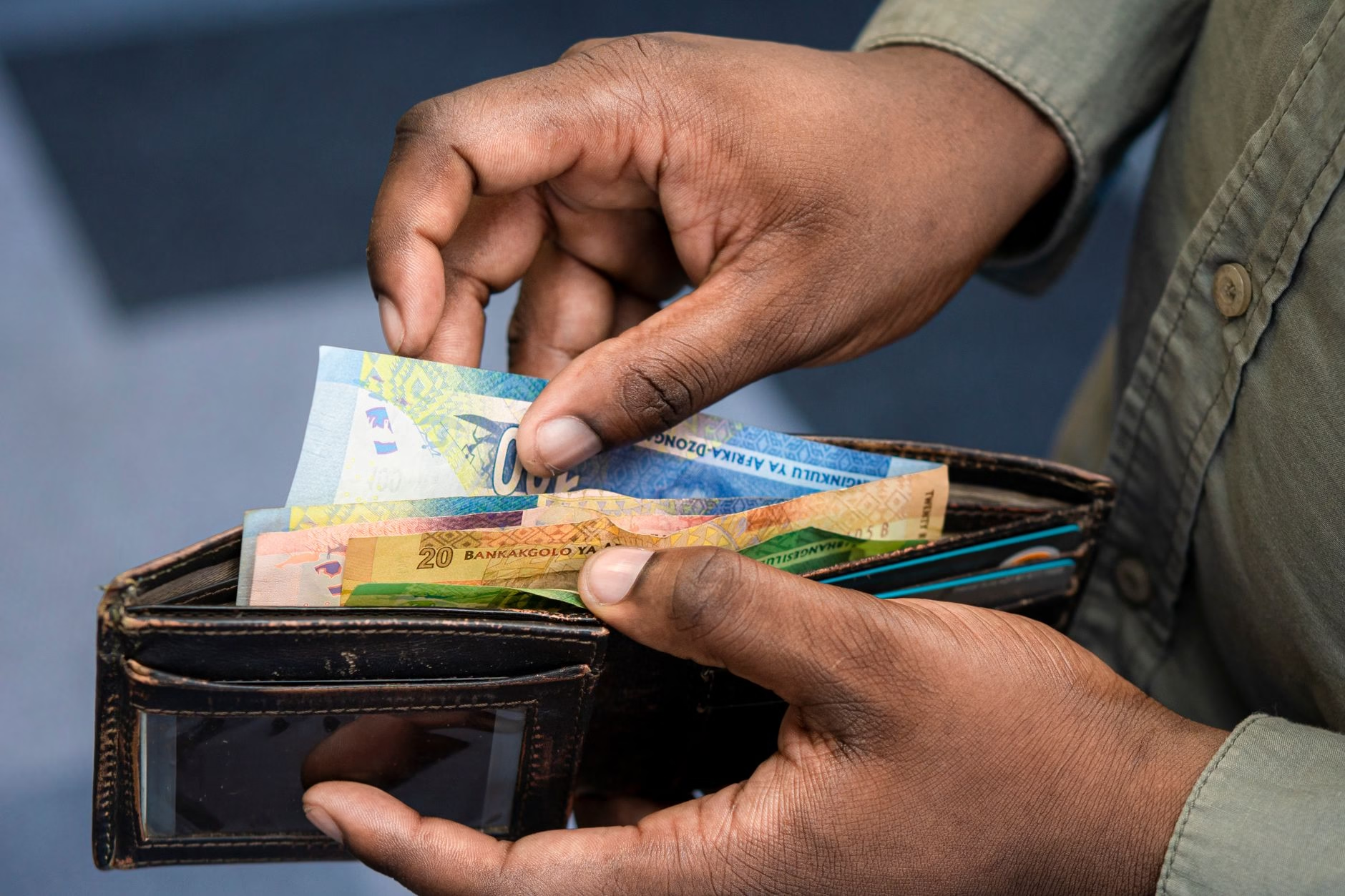
- Carry small amounts of local currency and use ATMs within hotels or malls.
- Drink bottled water and follow recommended health precautions, including malaria prevention.
5. Embrace Daytime Exploration
Plan major sightseeing and intercity travel during daylight hours. Urban centers are generally busier and safer then, with fewer logistical challenges.
Why West Africa is Worth the Effort
Safety should not overshadow the extraordinary rewards of traveling in West Africa. The region offers genuine cultural immersion unlike anywhere else. Visitors often describe an unparalleled hospitality and sense of belonging. Whether you are exploring Ghana’s coast, dancing at a Senegalese beach festival, or savoring the seafood of Cape Verde, the essence of West Africa lies in its people, their resilience, and their openness to share their stories.
The key is to approach the region with informed confidence rather than fear. Do your research, follow local advice, and travel mindfully. West Africa is not a destination for reckless travelers, but for curious and respectful ones, it promises a powerful and unforgettable journey.
Conclusion: A Realistic Yet Hopeful Perspective
So, is West Africa safe for tourists? The honest answer is both yes and it depends. Safety varies widely across the region, but in many places, travelers can explore freely, connect deeply, and travel with peace of mind. With preparation, cultural awareness, and local partnerships, visiting West Africa can be a transformative experience that breaks stereotypes and deepens your understanding of the continent.
West Africa is not without its challenges, but those who take the time to understand and respect it often find it to be one of the most authentic travel experiences in the world. If you are open to immersion beyond conventional destinations, this remarkable region may offer your most meaningful journey yet.
Further Reading
3 Day Istanbul Itinerary for First Time Visitors
Travel to Somalia; How I Traveled to Mogadishu
Free Family Things to do in Chicago Today
How to Spend Four Days in Hong Kong