Introduction
There are few places on earth that capture the imagination quite like Mauritius. Nestled in the warm waters of the Indian Ocean, this island nation blends pristine beaches, emerald lagoons, volcanic landscapes, and a multicultural heritage into a travel experience that feels both exotic and comforting. Mauritius is not only about postcard beauty; it is a destination layered with rich history, diverse cuisine, and a rhythm of life that feels effortlessly relaxed.
If you are planning your first trip to Mauritius, this guide will help you see beyond the beaches and truly understand what makes this island so special. From the best times to visit and where to stay, to exploring nature reserves, savoring local food, and discovering authentic cultural experiences, this article provides all the insight you need to plan your journey with confidence.
Understanding Mauritius: A Quick Overview
Mauritius lies about 800 kilometers east of Madagascar and forms part of the Mascarene Islands. Despite its small size, the country offers an incredible variety of experiences thanks to its diverse geography and vibrant cultural mix. The population is made up of people of Indian, African, Chinese, and European descent, creating a fascinating blend of traditions and languages. English is the official language, but French and Creole are spoken widely, and visitors often find locals friendly and eager to help.
The island’s terrain combines volcanic peaks with verdant forests, sugarcane fields, and idyllic shorelines. This unique mix means you can hike through a protected nature reserve in the morning and watch the sunset over turquoise waters in the evening.
When to Visit Mauritius
Mauritius enjoys a tropical climate year round, which means there really is no bad time to visit. However, understanding the seasonal differences helps make the most of your trip.
The dry season (May to October)
This period offers cooler, less humid conditions with average temperatures between 20 and 25°C. It is ideal for outdoor activities such as hiking, sightseeing, and exploring inland attractions. The skies are usually clear, making it perfect for photography and beach days.
The warm season (November to April)
This is the summer season, when temperatures rise to around 30°C and the island becomes lush and green. It is a great time for water sports, diving, and swimming, though short tropical showers are common. January and February can bring cyclones, so keep an eye on forecasts if traveling then.
For those who prefer fewer crowds, shoulder months like April, May, September, and October combine pleasant weather with fewer tourists and often better rates on accommodation.
Where to Stay on the Island
Mauritius is divided into several coastal regions, each with its own personality and appeal. Choosing the right base can significantly shape your experience.
North Coast: Grand Baie and Beyond
The north is lively, cosmopolitan, and known for its vibrant nightlife and dining scene. Grand Baie is the main hub, offering a wide choice of hotels, bars, and boutiques. This area suits travelers who enjoy an energetic atmosphere combined with great beaches like Pereybere and Mont Choisy.
West Coast: Flic en Flac and Tamarin
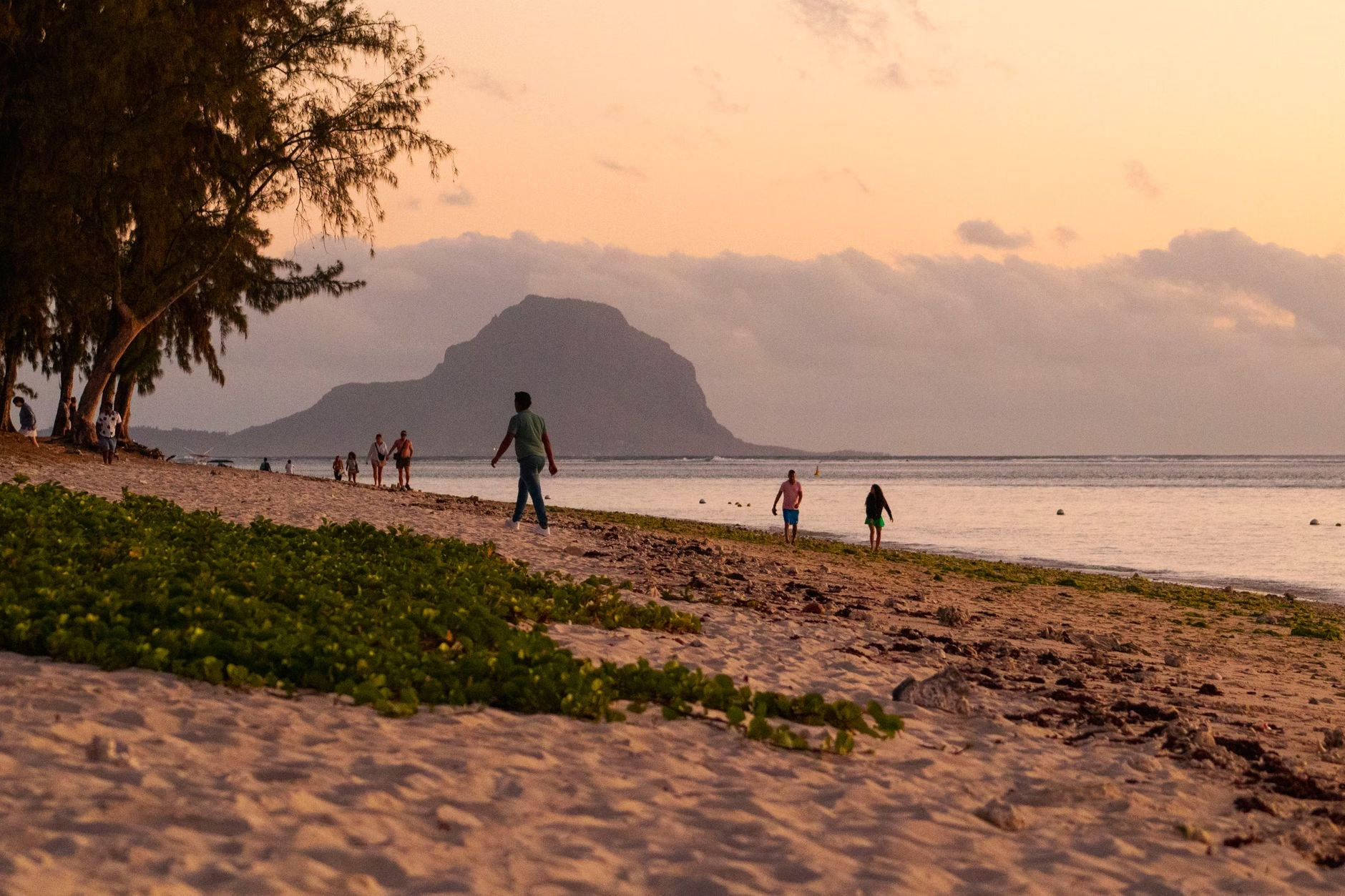
This region enjoys beautiful sunsets, calm lagoons, and great swimming conditions. It is well suited to families and couples seeking a balance between relaxation and local life. Tamarin is also famed for dolphins and surf spots, while Flic en Flac has one of the island’s longest beaches.
South and Southwest: Le Morne and Bel Ombre
For dramatic scenery and a quieter stay, the south is hard to beat. Le Morne Brabant, a UNESCO World Heritage site, rises majestically from the sea and offers world class hiking views. This region is perfect for nature lovers and travelers seeking a touch of seclusion.
East Coast: Belle Mare and Trou d’Eau Douce
Known for its luxury resorts and long beaches, the east coast is ideal for honeymooners or anyone looking for refined tranquility. The water is often crystal clear, and boat trips to nearby Île aux Cerfs are very popular.
Top Things to Do in Mauritius
Whether you are after adventure, relaxation, or a cultural immersion, Mauritius delivers a rich variety of experiences.
1. Explore Port Louis
The capital is buzzing with energy. Visit the Central Market for spices, handicrafts, and local snacks. Explore the Blue Penny Museum to see one of the world’s rarest postage stamps, and stroll along the modern Caudan Waterfront for shops and restaurants.
2. Discover the South at Chamarel
The seven coloured earths of Chamarel are one of Mauritius’s most unique natural wonders. The hills display shades of red, purple, and yellow created by volcanic minerals. Nearby is Chamarel Waterfall, plunging 100 meters into a tropical gorge, and the Rhumerie de Chamarel where visitors can learn about rum production and enjoy tastings.
3. Visit the Black River Gorges National Park
Spread across more than 6,000 hectares, this park is the island’s largest nature reserve. It offers excellent hiking trails through dense forest, home to endemic species like the pink pigeon. The viewpoints at Alexandra Falls and Black River Peak provide fantastic panoramas of the island.
4. Take a Catamaran Cruise
A day on the water is an absolute highlight. Cruises often include snorkeling stops, barbecues on secluded beaches, and the chance to spot dolphins. Popular routes include Île aux Cerfs on the east coast and Île aux Bénitiers near Le Morne.
5. Dive or Snorkel the Coral Reefs
Mauritius is surrounded by a coral reef that shields the lagoons and supports abundant marine life. Beginners can try snorkeling right off the shore at Blue Bay Marine Park, while certified divers will find excellent sites off Trou aux Biches and Flic en Flac.
Experiencing Mauritian Culture and Cuisine
One of the most rewarding aspects of visiting Mauritius is its cultural diversity. The island’s blend of Indian, Creole, Chinese, and European influences has shaped everything from its festivals to its cuisine.
Food to Try:
- Dholl puri: Soft flatbread stuffed with ground yellow split peas, often accompanied by curry and chutney.
- Fish vindaye: A local twist on the Indian curry, usually made with mustard seeds and turmeric.
- Gateau piment: Small lentil fritters sold by street vendors, perfect for a quick snack.
- Octopus curry: Popular in coastal restaurants, combining local seafood with aromatic spices.
Pair any meal with a refreshing local beer or a rum cocktail made with Mauritian sugarcane.
Festivals and Local Life:
Mauritius celebrates a calendar rich in multicultural events. Maha Shivaratri brings thousands of pilgrims to the sacred lake of Grand Bassin, while Chinese New Year and the Creole Festival each showcase the island’s unique rhythm and color.
Interacting with locals, shopping at fresh markets, or joining small food tours are all excellent ways to experience Mauritian warmth and hospitality firsthand.
Practical Tips for First Time Visitors
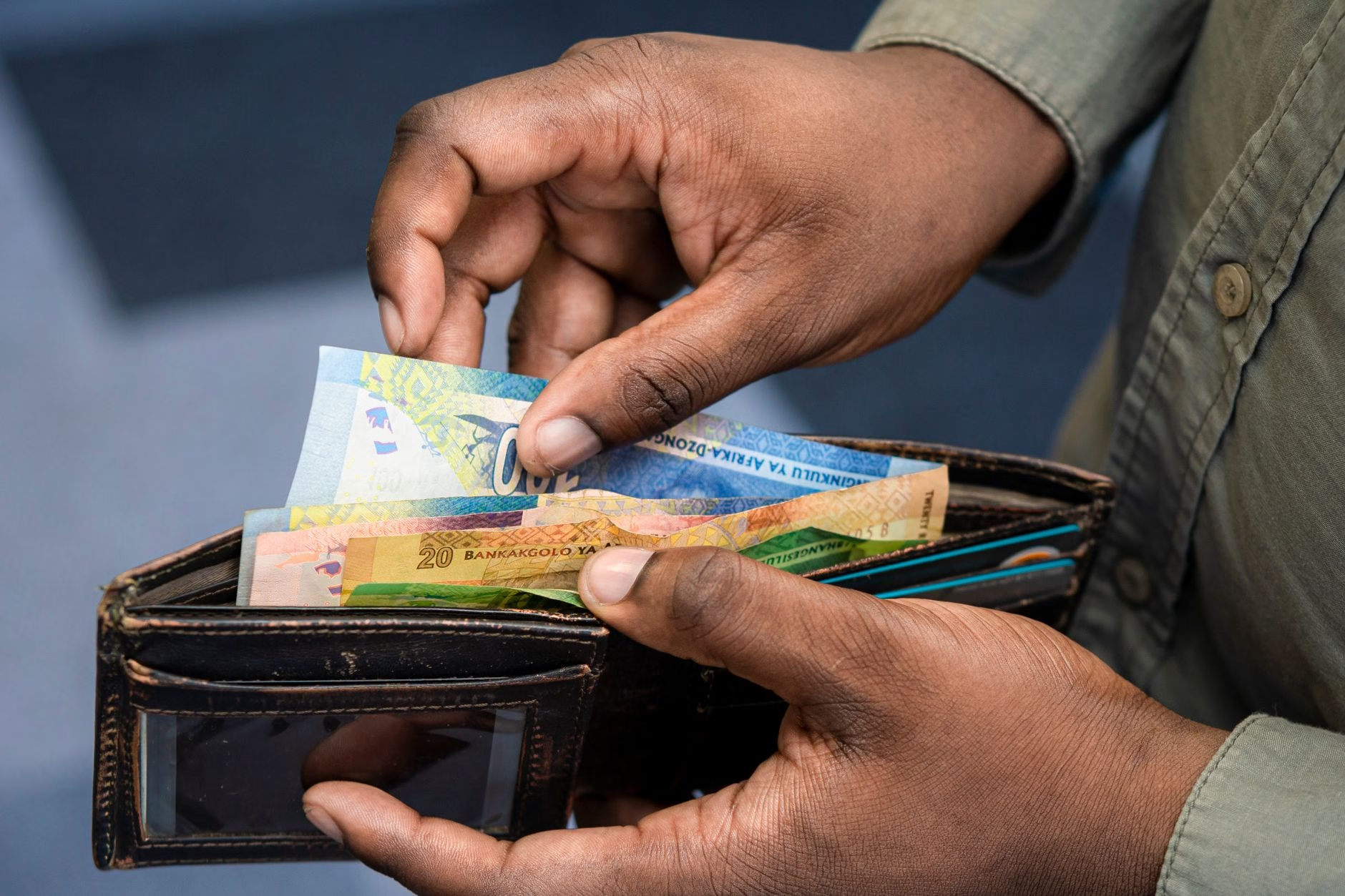
- Currency: The Mauritian Rupee is widely used, and ATMs are available throughout the island. Credit cards are accepted in most hotels and restaurants.
- Transport: Renting a car is the best way to explore at your own pace. Driving is on the left side. Taxis are widely available but agree on the fare in advance.
- Connectivity: Sim cards with affordable data plans are sold at the airport and are convenient for navigation.
- Language: Most people speak English and French, so communication is rarely an issue.
- Local Etiquette: Mauritians are polite and reserved. Dress modestly when visiting villages or religious sites, and always ask before photographing people.
Conclusion
Mauritius is far more than a beach escape; it is a destination that rewards curiosity and slow exploration. Every corner of the island tells a story, from the colonial architectures of Port Louis to the misty forests of Black River Gorges and the cultural harmony that infuses daily life. For first time visitors, the island offers an approachable balance of adventure, comfort, and authenticity that guarantees unforgettable memories.
Whether your goal is to dive into the ocean, hike past waterfalls, or simply unwind beside the waves, Mauritius will meet you with open arms and leave you with a lasting desire to return.
Further Reading
3 Day Istanbul Itinerary for First Time Visitors
Travel to Somalia; How I Traveled to Mogadishu
Free Family Things to do in Chicago Today
How to Spend Four Days in Hong Kong