Discovering Island Diving Destinations in the South Pacific
Explore the best island diving destinations in the South Pacific, offering unique marine experiences and breathtaking underwater landscapes.
The South Pacific is a treasure trove for diving enthusiasts, offering a rich tapestry of vibrant marine life, stunning coral reefs, and crystal-clear waters. From the famous dive sites of Fiji to the hidden gems of the Solomon Islands, this region is a paradise for both novice and experienced divers. In this guide, we will explore the best island diving destinations in the South Pacific, providing practical insights into what you can expect and how to prepare for your underwater adventures.
Whether you are looking to spot majestic manta rays, colorful clownfish, or enchanting coral gardens, the South Pacific has it all. This guide will help you navigate through the array of options available, highlighting the unique features of each destination and giving you tips on how to make the most of your diving experience.
Join us as we dive deep into the world of island diving in the South Pacific, uncovering the best spots, the best times to visit, and essential tips for a safe and enjoyable trip.
Top Island Diving Destinations
1. Fiji
Fiji is often regarded as one of the premier diving destinations in the world. With over 1,500 species of fish and more than 400 species of coral, its waters are teeming with life. The most famous dive sites include the Great White Wall, Rainbow Reef, and the Soft Coral Capital of the World, the Somosomo Strait.
The best time to dive in Fiji is during the dry season, from May to October, when visibility is at its peak. Divers can expect water temperatures ranging from 24°C to 29°C, making it comfortable for extended underwater exploration. Many dive operators offer packages that include guided dives, equipment rental, and accommodation, making it easy to plan your trip.
For example, a diving trip to Fiji’s Rainbow Reef can lead to encounters with schools of tropical fish, vibrant coral formations, and even the chance to see turtles and sharks. It’s a memorable experience that showcases the beauty of the underwater world.
2. Tahiti
Tahiti, the largest island in French Polynesia, is known for its stunning lagoons and dramatic underwater landscapes. The diving here is equally spectacular, with sites like the Coral Garden and the Tiputa Pass offering rich biodiversity and breathtaking coral formations. Divers can expect to see manta rays, sharks, and an array of colorful reef fish.
The best diving conditions in Tahiti are typically found from May to October, coinciding with the dry season. During this time, water temperatures remain warm, and visibility can exceed 30 meters. Dive operators in Tahiti often provide packages that include transportation from your hotel, making it convenient for tourists.
In addition to diving, Tahiti also offers opportunities for cultural experiences, such as local cuisine and traditional dance performances, making it a well-rounded destination for travelers.

3. Solomon Islands
The Solomon Islands are an off-the-beaten-path diving destination that offers some of the most pristine dive sites in the world. With World War II wrecks, vibrant coral reefs, and diverse marine life, it’s a diver’s paradise. Popular dive sites include the famous wreck of the USS Atlanta and the stunning reefs around Gizo and Munda.
The ideal time to dive in the Solomon Islands is from May to September, during the dry season. Water temperatures are generally comfortable, ranging from 26°C to 30°C. The diving experience here is enhanced by the opportunity to encounter unique marine species and explore historic wrecks that tell tales of the past.
A dive in the Solomon Islands can be a surreal experience, as divers often find themselves surrounded by schools of fish darting in and out of the wrecks, creating an unforgettable underwater spectacle.
4. Vanuatu
Vanuatu is an archipelago known for its diverse marine ecosystems and rich cultural heritage. The most notable dive site is the SS President Coolidge, a World War II shipwreck that is accessible to divers of all skill levels. The wreck is teeming with marine life, providing a unique diving experience.
Visiting Vanuatu for diving is best during the dry season, from May to October, when conditions are most favorable. The water temperature typically ranges from 23°C to 29°C, and visibility can reach up to 40 meters, depending on the site.
In addition to wreck diving, Vanuatu also offers opportunities for underwater photography and cultural immersion, allowing divers to experience the beauty of both the marine and terrestrial landscapes.
5. New Caledonia
New Caledonia is home to one of the largest coral reefs in the world, the New Caledonia Barrier Reef, which is a UNESCO World Heritage site. The diving here is exceptional, with sites like the Isle of Pines and the Lifou Island offering stunning coral gardens and abundant marine life.
The best time to dive in New Caledonia is during the dry season, from September to November, when visibility is optimal. The water temperature is comfortable for year-round diving, typically ranging from 24°C to 28°C.
Diving in New Caledonia often includes encounters with sea turtles, dolphins, and a variety of fish species, making it an exciting destination for both novice and experienced divers.
6. Cook Islands
The Cook Islands are a hidden gem for divers seeking a more intimate experience. With crystal-clear waters and vibrant coral reefs, the diving here is exceptional. Popular sites include the diverse marine life around Aitutaki and Rarotonga, where divers can witness stunning coral gardens and abundant fish populations.
The best time to dive in the Cook Islands is from April to November, when the weather is dry and visibility is at its best. Water temperatures are warm, averaging between 25°C and 28°C, making it comfortable for extended dives.
One of the highlights of diving in the Cook Islands is the opportunity to explore less crowded dive sites, allowing for a more personal encounter with the underwater world.
Travel Considerations for Divers
Travel Time and Accessibility
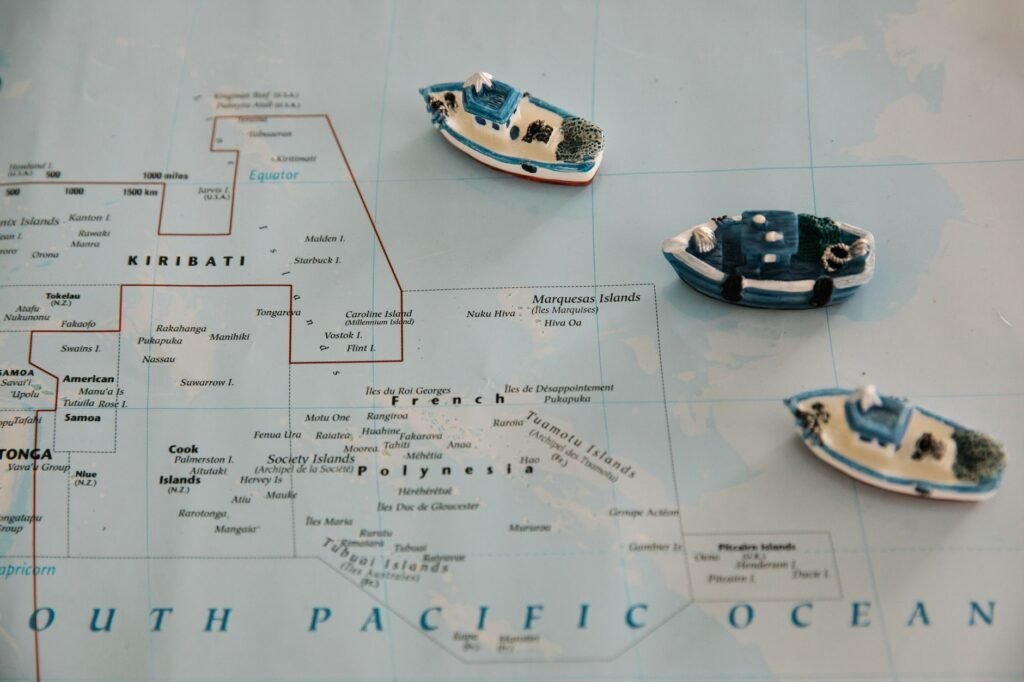
Traveling to the South Pacific islands can involve long flights and multiple connections, depending on your departure location. Major international airports in Fiji, Tahiti, and New Caledonia serve as gateways to the region, making them relatively accessible for travelers from North America, Europe, and Australia. However, some islands may require domestic flights or ferries for final access.
For example, if you’re flying from Los Angeles to Fiji, you can expect a direct flight of about 11 hours. From Fiji, you may need to take a separate flight to reach other islands, such as the Solomon Islands or Vanuatu. It’s essential to factor in these travel times when planning your itinerary to maximize your diving days.
Costs and Budgeting
The cost of diving in the South Pacific can vary significantly based on the destination, type of diving experience, and level of luxury. On average, expect to pay between $100 to $200 per dive, including equipment rental and guided trips. Accommodation costs can range from budget hostels to high-end resorts, so it’s important to set a clear budget before planning your trip.
For instance, a week-long diving trip in Fiji can cost anywhere from $1,200 to $3,000 per person, depending on your choice of accommodation and dive packages. Many dive operators offer discounts for multiple diving days, so consider booking in advance to save costs.
Health and Safety Precautions
Diving safety is paramount, especially in remote locations. Ensure you are in good health before diving and consider consulting a diving physician if you have any preexisting conditions. It’s also advisable to obtain dive insurance that covers medical emergencies and evacuation, as some islands may have limited medical facilities.
Furthermore, familiarize yourself with local diving regulations and safety protocols. Always dive with a certified guide, especially in unfamiliar waters, and ensure your gear is in good condition before each dive.
Unique Marine Ecosystems Worth Exploring
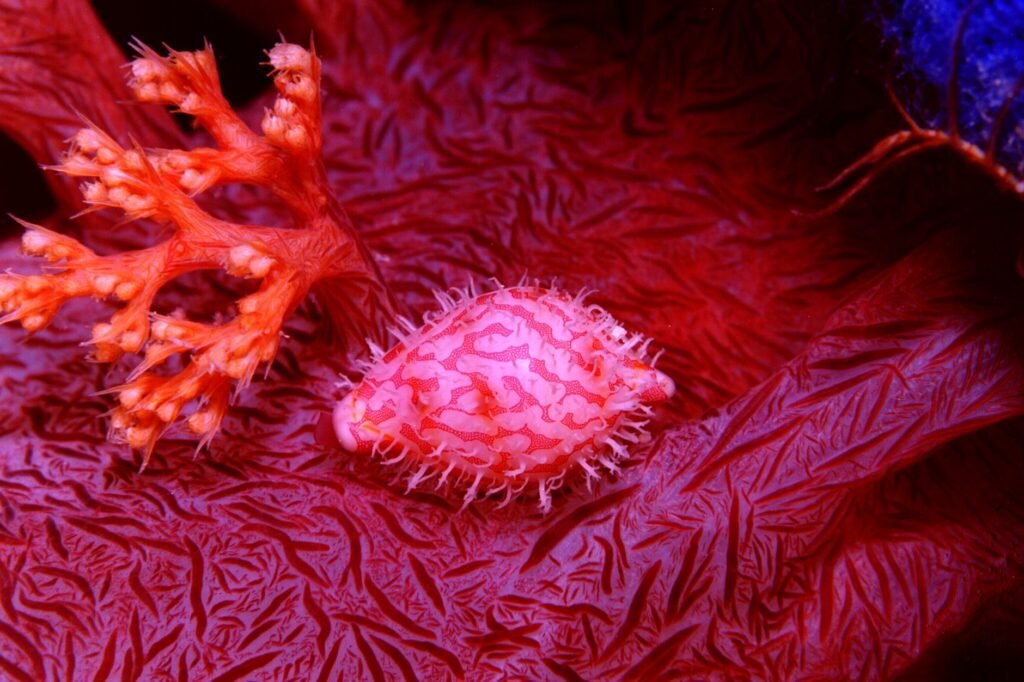
The South Pacific is home to some of the most diverse marine ecosystems in the world, offering divers the chance to explore unique underwater environments. Each destination showcases its own distinctive marine life and ecosystems, making them a must-visit for any diving enthusiast.
Coral Reefs
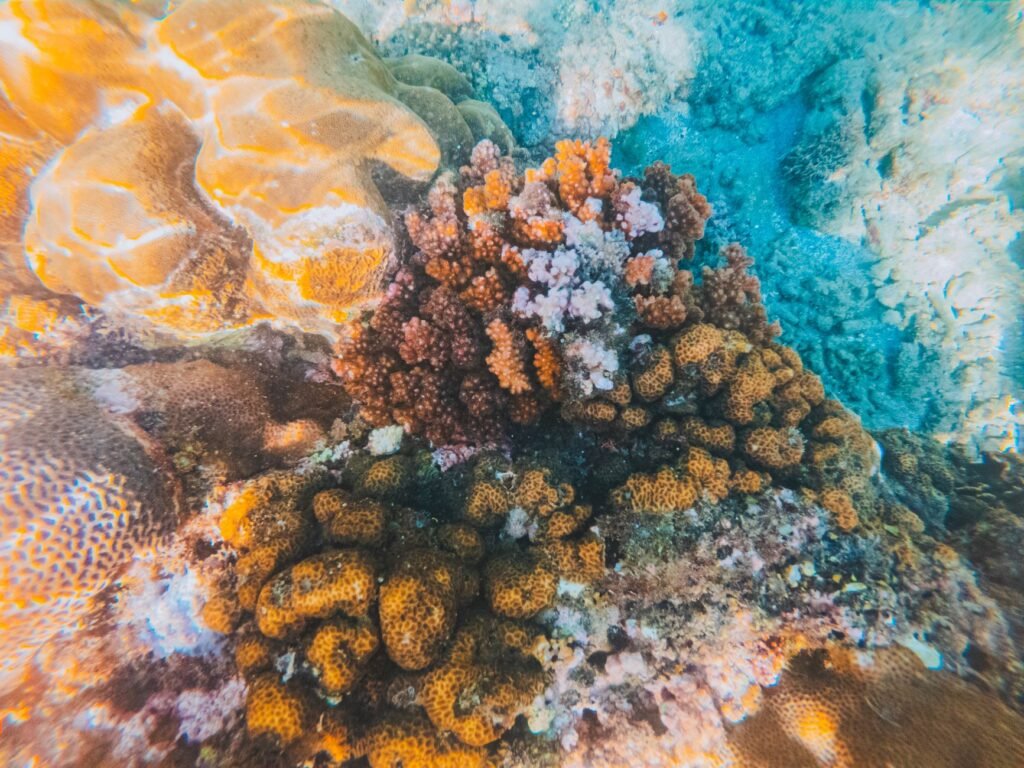
Coral reefs are often referred to as the “rainforests of the sea” due to their rich biodiversity. The South Pacific is dotted with extensive coral reefs that provide habitats for countless species of fish, invertebrates, and other marine organisms. Some of the most stunning coral reefs can be found in regions such as Fiji, where divers can marvel at the vibrant colors and formations.
- Soft and hard corals
- Coral gardens
- Coral atolls
Exploring these coral reefs not only offers an enchanting visual experience but also the opportunity to witness ecological interactions, such as cleaner fish servicing larger fish and the symbiotic relationships between corals and various marine species.
Underwater Volcanoes and Thermal Vents
Another fascinating feature of the South Pacific is its underwater volcanoes and thermal vents. These geothermal formations create unique ecosystems that support an array of life, often found nowhere else on Earth. Diving near volcanic islands like Tonga and the Solomon Islands allows divers to see unusual marine species thriving in these extreme environments.
- Hydrothermal vents
- Volcanic islands
- Unique thermal-adapted species
Diving in these areas not only provides a thrilling experience but also allows for the study of how life can adapt to extreme conditions, making it a fascinating adventure for science enthusiasts as well.
Seagrass Meadows
Seagrass meadows are another important but often overlooked ecosystem in the South Pacific. These underwater grasslands provide essential habitats for many marine species, including sea turtles and juvenile fish. Locations such as the lagoons of Aitutaki in the Cook Islands are prime spots for divers looking to explore these serene environments.
- Home to endangered species
- Carbon sequestration capabilities
- Support ecosystems for fish populations
Diving through seagrass meadows can be an entirely different experience, offering divers a chance to witness the intricate relationships between plants and marine life, and the importance of these ecosystems in maintaining ocean health.
Conservation Efforts in South Pacific Diving Destinations
As diving becomes increasingly popular in the South Pacific, conservation efforts are crucial to preserving these delicate ecosystems. Many regions are implementing sustainable practices and promoting marine conservation to protect their underwater environments.
Marine Protected Areas
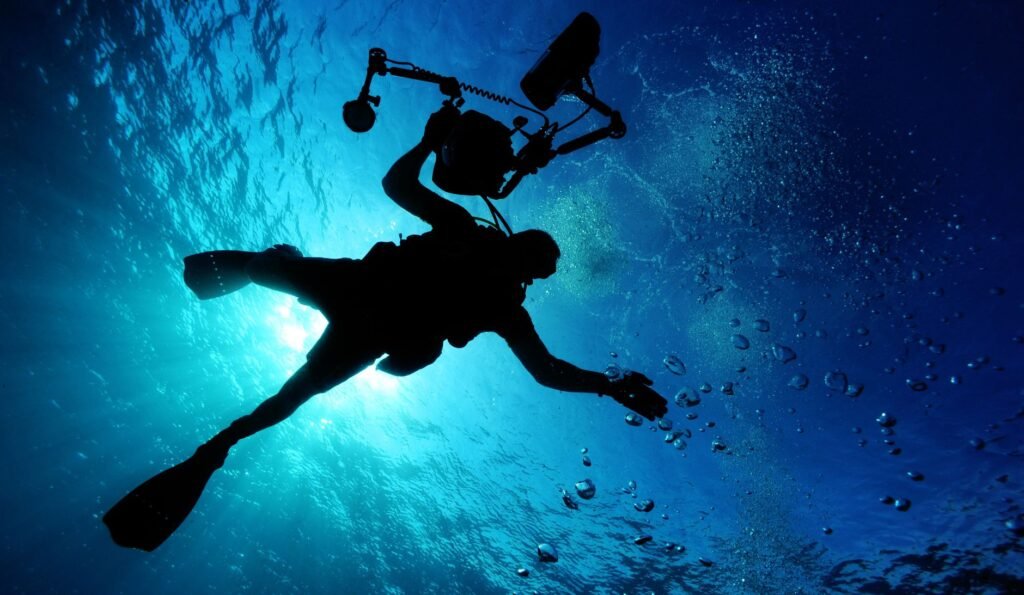
Marine Protected Areas (MPAs) are designated regions where human activity is restricted to protect marine life and ecosystems. Countries like Palau and the Cook Islands have established MPAs to safeguard their rich biodiversity. Divers visiting these areas can enjoy pristine underwater environments while contributing to conservation efforts.
- Limit fishing activities
- Regulate tourism
- Promote research and education
Participating in dives within these MPAs often means encountering healthier coral reefs and abundant marine life, providing a more fulfilling diving experience.
Community Involvement
Local communities play a vital role in the success of conservation initiatives. Many islands in the South Pacific are embracing community-led conservation efforts. By involving local residents in tourism and conservation, these initiatives not only protect the environment but also empower local economies.
- Community-led dive shops
- Educational outreach programs
- Volunteer opportunities for divers
Divers visiting these communities can participate in conservation activities, such as reef clean-ups and educational workshops, making their trip more meaningful and impactful.
Research and Education Initiatives
Many diving destinations in the South Pacific are partnering with universities and research institutions to promote marine science and conservation education. Programs focusing on coral reef health, marine biodiversity, and climate change impacts are essential for understanding and protecting these ecosystems.
- Citizen science projects
- Workshops and seminars
- Data collection efforts
Divers can often engage with these initiatives during their trips, allowing them to contribute to ongoing research while enhancing their understanding of marine ecosystems.
Adventure Diving Options Beyond Traditional Sites
For those looking to expand their diving experience beyond the typical sites, the South Pacific offers a plethora of adventure diving options that cater to thrill-seekers and experienced divers alike.
Wreck Diving
The South Pacific is home to numerous dive sites featuring shipwrecks and planes that tell fascinating stories of history and adventure. Locations such as Truk Lagoon in Micronesia are renowned for their impressive collection of World War II wrecks, where divers can explore submerged vessels teeming with marine life.
- Historical significance
- Unique marine habitats
- Photographic opportunities
Diving at these wreck sites provides not only an adrenaline rush but also a glimpse into the past, as divers encounter artifacts and structures that have been overtaken by the ocean.
Cave Diving
Cave diving is an exhilarating option for advanced divers seeking new challenges. Islands like Fiji and Tonga boast submerged caves that offer breathtaking visuals and unique underwater features. Divers can explore intricate cave systems and witness stunning formations and ecosystems hidden beneath the surface.
- Stalactites and stalagmites
- Unique aquatic life
- Challenging navigation
Cave diving requires specialized training and equipment, making it essential for divers to seek out qualified guides and local dive shops that offer cave diving experiences.
Night Diving
Night diving presents a completely different perspective on marine life, as many creatures exhibit behaviors not seen during the day. The South Pacific offers vibrant night diving experiences, especially in regions like the Great Barrier Reef where bioluminescent organisms come to life.
- Different marine species
- Unique underwater lighting
- Enhanced photography opportunities
With the right guidance and safety measures, night diving can be an unforgettable experience, allowing divers to encounter the ocean’s nocturnal wonders.
Frequently Asked Questions
What is the best time to dive in the South Pacific?
The best time to dive in the South Pacific varies by location. Generally, the dry season from May to October offers the best visibility and calm seas for diving.
Do I need to be an experienced diver to dive in these locations?
While many dive sites cater to all skill levels, some locations may require advanced certifications due to depth or current conditions. Always check with local dive operators for specific requirements.
Are there any health precautions I should take before diving?
Yes, it’s recommended to consult a physician if you have health concerns and to obtain dive insurance that covers medical emergencies. Ensuring you are physically fit is crucial for safe diving.
What should I pack for a diving trip?
Packing for a diving trip should include your diving certification card, swimsuit, rash guard, snorkel gear, sunscreen, and any personal diving equipment you prefer, such as a wetsuit or dive computer.
The Bottom Line
The South Pacific is an extraordinary region for diving, with each island offering unique experiences that cater to all types of divers. From the vibrant reefs of Fiji to the wrecks of the Solomon Islands, the underwater world is rich with diversity and beauty. Whether you are planning a quick getaway or a more extended exploration, the South Pacific’s island diving destinations promise unforgettable adventures beneath the waves.
Visa rules, prices and opening times change. Always confirm details with official sources before you travel.