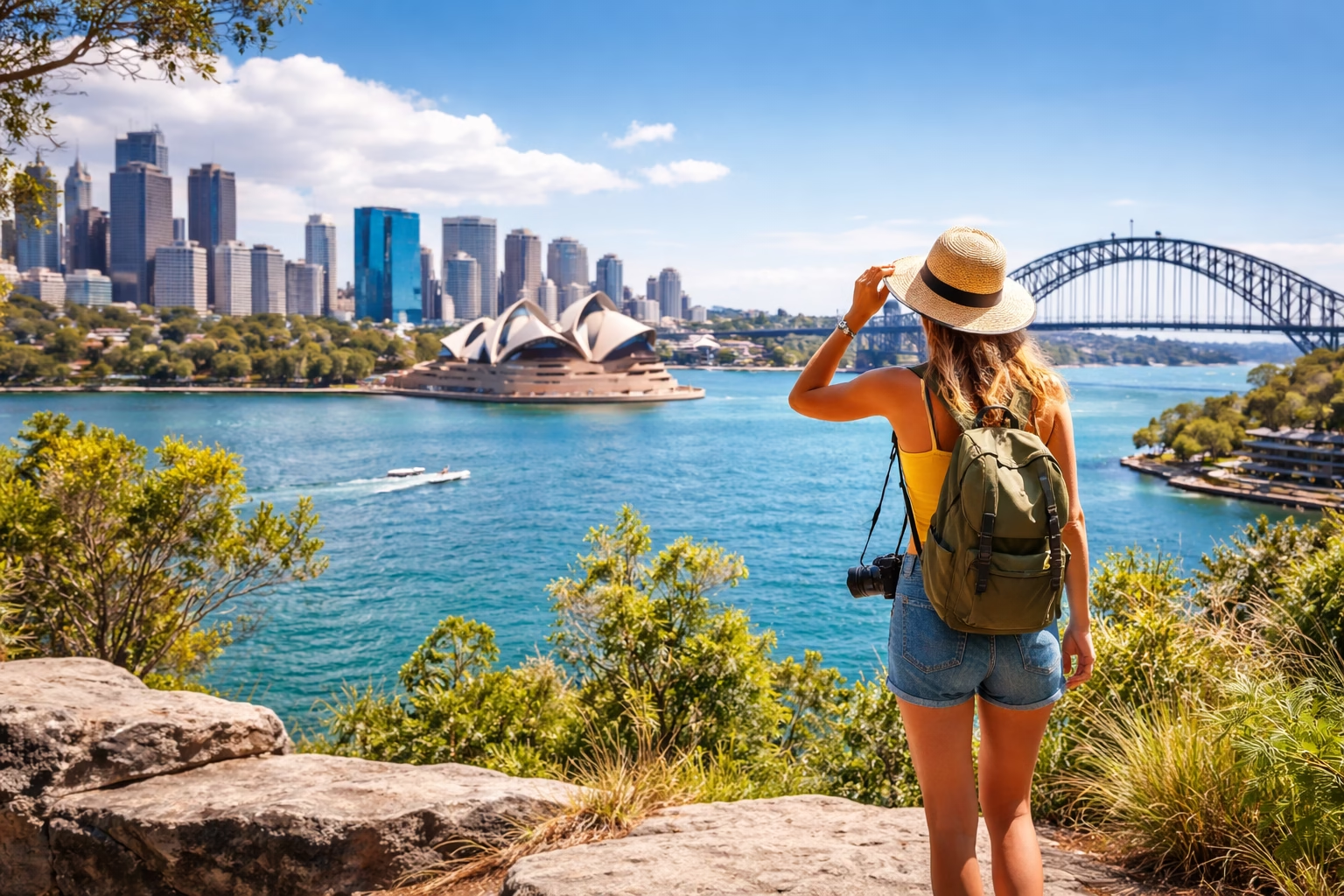
Few travel experiences are as liberating as going solo in Australia. It is a vast and diverse country where boundless landscapes meet cosmopolitan cities, and where independent travelers are welcomed with friendliness and ease. From the golden beaches of Queensland to the rugged beauty of the Outback, Australia offers countless ways to explore at your own pace. Whether you are a first time solo traveler or a seasoned adventurer, this guide will help you plan a safe, fulfilling, and unforgettable Australian journey.
- Choose a few regions to explore in depth, considering East Coast, Outback, Western Australia, or cultural cities like Melbourne and Sydney.
- Pick central, safe lodging that suits your style: hostels for socializing, boutique guesthouses for privacy, farm stays for rural immersion, or short term rentals.
- Use flights, buses, trains, or a rental campervan to travel; book early for deals and get a local SIM for navigation and safety updates.
- Meet others via hostels, tours, and events; share your itinerary, stay sun safe, swim between lifeguard flags, and carry water in remote areas.
In this guide, we will explore everything you need to know to travel solo in Australia, including how to plan your route, navigate day to day logistics, meet people along the way, stay safe, and make the most of your independence.
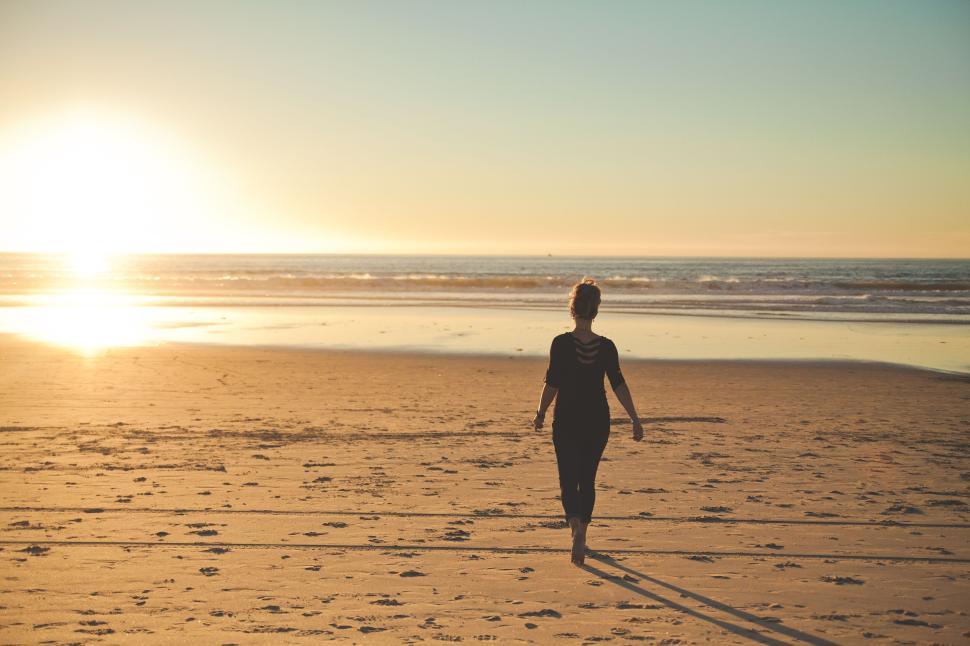
Understanding the Solo Travel Experience in Australia
Australia is one of the best destinations in the world for solo travelers because it combines excellent infrastructure with a laid back social culture. English is the primary language, making communication easy, and the country feels safe, organized, and open to newcomers.
A few things make solo travel in Australia uniquely appealing:
- Community minded culture: Australians are friendly, easygoing, and happy to share tips. You will find that locals often strike up conversations in cafes, on buses, or in hostels, helping you feel welcome wherever you go.
- Reliable transportation: Whether you rely on domestic flights, public trains, or cross country buses, Australia is well connected, which means you can travel alone without difficulty.
- Plentiful accommodation options: With hostels, boutique hotels, homestays, and eco lodges available throughout the country, it is easy to find places that feel safe and sociable.
- Endless outdoor adventure: From coastal hikes to reef diving, Australia’s natural beauty rewards independent exploration.
Understanding this cultural and logistical foundation helps you approach your trip with confidence and curiosity.
Planning Your Solo Travel Route
Because Australia is so large, careful planning makes a big difference. Solo travelers should consider how much time they have, which climates they want to experience, and whether they prefer cities, beaches, or wilderness.
East Coast Adventures
The East Coast is the most popular solo travel route and often the easiest to navigate. Starting in Sydney and traveling north to Cairns, you can explore surf towns like Byron Bay, vibrant Brisbane, and the tropical wonders of the Great Barrier Reef. Hostels and group activities are abundant, making it easy to meet other travelers.
The Cultural and Urban Route
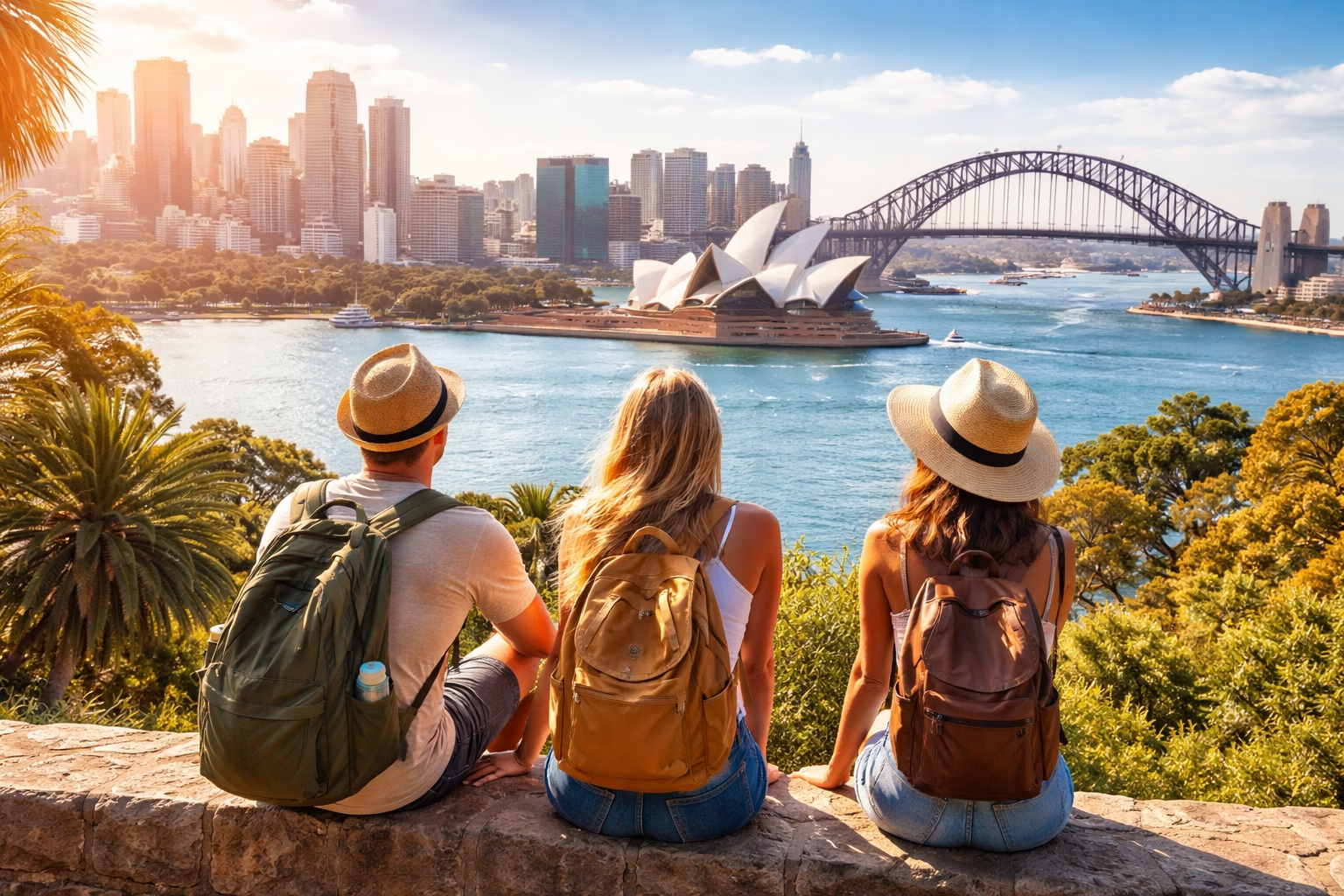
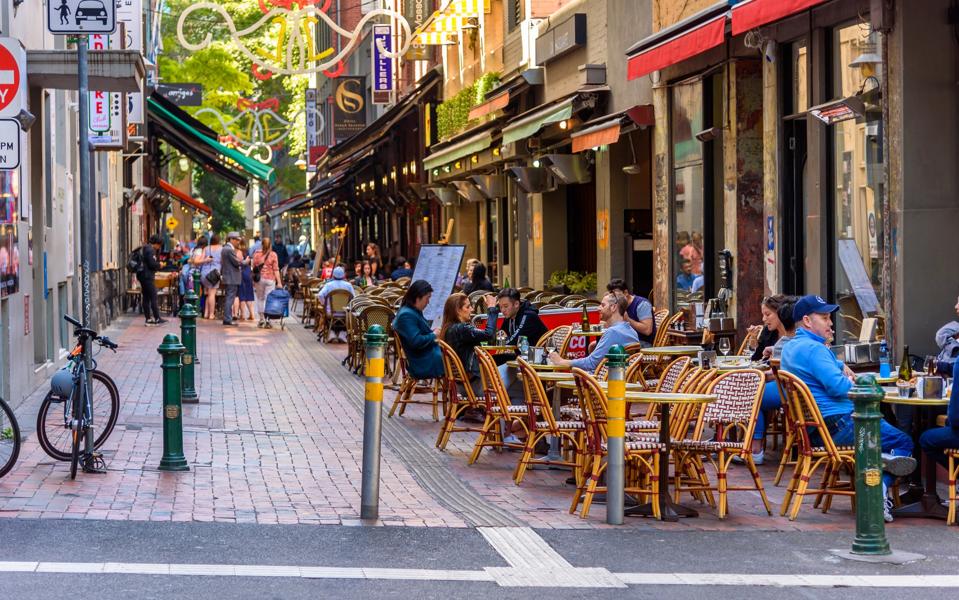
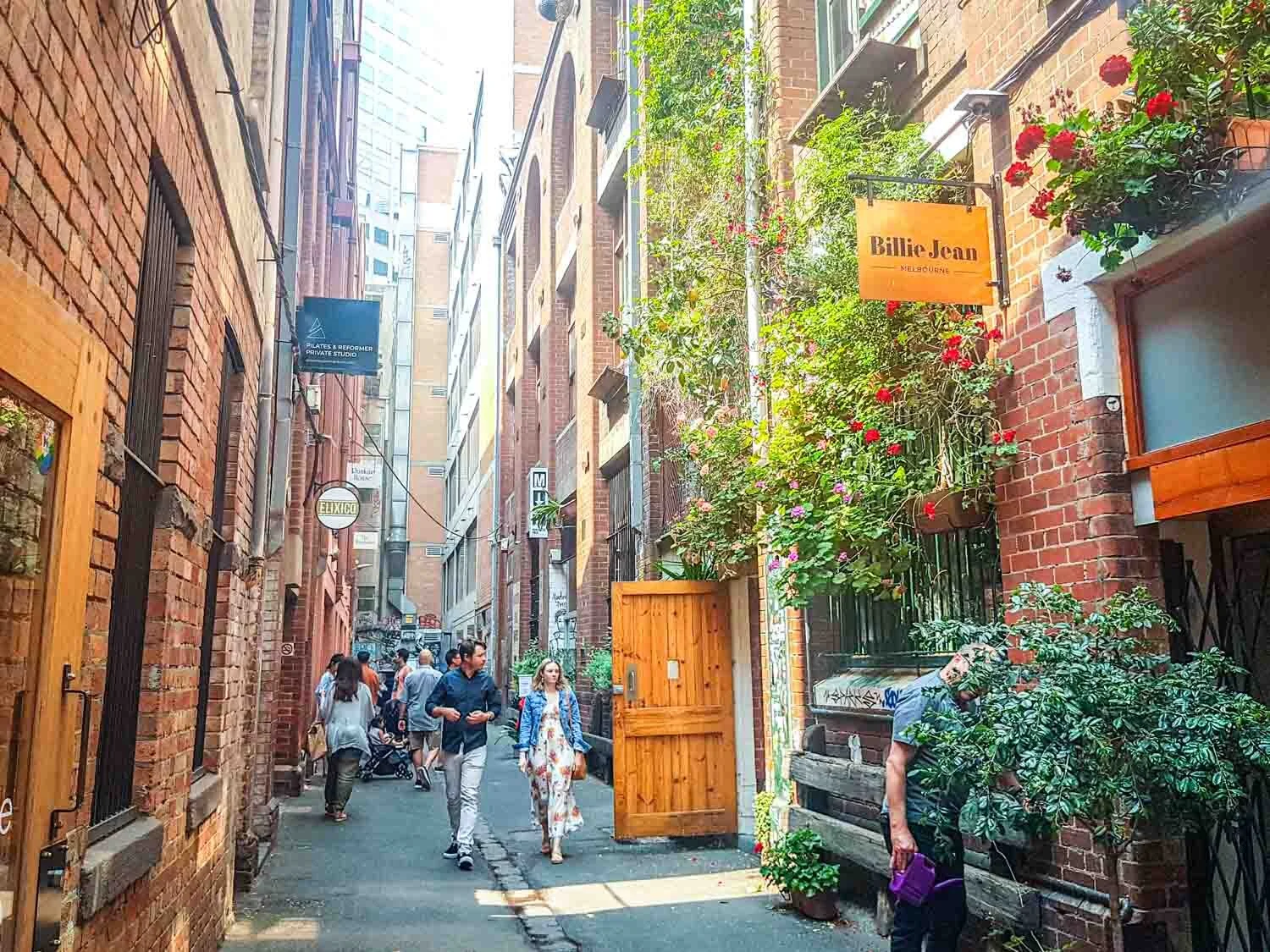
If your interests lean toward art, food, and design, split your time between Melbourne, Sydney, and Adelaide. Melbourne’s laneways and coffee scene appeal to creatives, while Sydney’s harbor offers iconic views. Adelaide offers wine regions nearby such as the Barossa Valley and McLaren Vale, perfect for day trips.
The Outback and Beyond
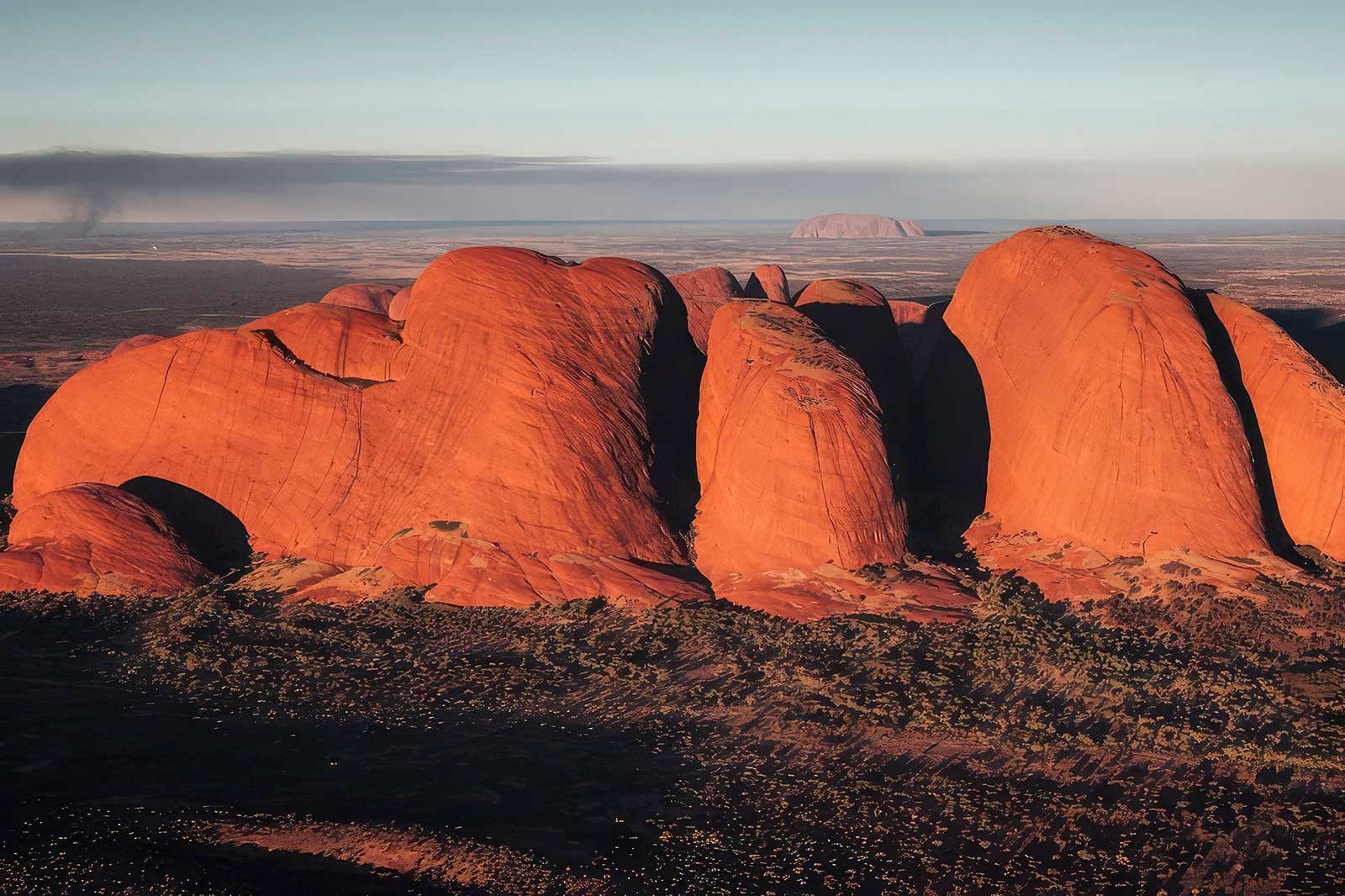
For those seeking solitude and dramatic landscapes, the Red Centre delivers. You can fly into Alice Springs and explore Uluru, Kata Tjuta, and Kings Canyon. Group tours offer safe and social introductions to this remote area. Combine an Outback adventure with a visit to the Top End in Darwin and Kakadu National Park for Indigenous culture and wildlife experiences.
Western Australia’s Wild Frontier
Western Australia draws adventurous solo travelers who want to step off the typical tourist trail. The drive from Perth to Exmouth along the Coral Coast reveals untouched beaches, snorkel sites like Ningaloo Reef, and charming small towns.
When mapping out your trip, remember that distances between major cities can be immense. It is often better to choose a few regions to explore in depth rather than attempting to cover everything in a single trip.
Where to Stay: Safe and Sociable Accommodation Choices
Accommodation plays an important role in how connected and comfortable you feel as a solo traveler. Thankfully, Australia’s lodging options are broad and flexible.
- Hostels: These are social hubs with organized activities, communal kitchens, and affordable dorm or private rooms. Look for popular chains such as YHA or independent hostels known for community atmosphere.
- Guesthouses and Boutique Hotels: If you prefer privacy but still want a local touch, boutique accommodations and family run guesthouses offer a welcoming environment.
- Farm Stays and Eco Lodges: For a taste of rural Australia, farm stays and eco properties in regions like Tasmania or the Margaret River Valley provide immersive experiences.
- Short Term Rentals: Apartments or shared homes can work well for slower travel, especially in larger cities where you might want to stay longer and live like a local.
When booking accommodation, focus on central locations that are near public transport and amenities. Australia’s cities are safe, but choosing lively districts ensures you can explore comfortably at night and return easily.

Getting Around: Travel Transportation for Solo Explorers
Australia’s size can seem overwhelming at first, but several transport options make it manageable.
- Domestic Flights: Major carriers and budget airlines connect every major city and regional center. Booking early often secures low fares.
- Buses: Companies like Greyhound run extensive routes up and down the East Coast and beyond, providing hop on hop off passes that suit flexible travelers.
- Trains: The coastal routes and long distance lines like The Ghan and Indian Pacific offer scenic introductions to the Australian interior.
- Car Rentals and Campervans: Ideal for those seeking freedom, driving allows you to stop in small towns, beaches, and viewpoints along the way. Solo travelers should factor in fuel costs and ensure they have experience driving long distances.
No matter how you travel, invest in a local SIM card for navigation, weather updates, and safety communication. Mobile coverage is generally strong in populated areas but limited in remote regions, so plan accordingly.

Meeting People and Building Connections
Solo travel does not mean traveling alone the entire time. Australia’s backpacker circuit and welcoming social culture make it easy to meet people naturally.
- Join walking tours, day trips, and small group excursions. Guided snorkeling at the Great Barrier Reef or foodie tours in Melbourne’s laneways are ideal icebreakers.
- Attend local festivals and events. From the Sydney Vivid Festival to local surf competitions, these gatherings create a shared experience that encourages conversation.
- Use hostel notice boards or social media groups where travelers post meetups and travel partnerships.
- Interact with locals through cooking classes, art workshops, or volunteer programs, which allow for authentic cultural exchange.
Being open and friendly while maintaining awareness of your personal safety can lead to genuine friendships that enrich your journey.

Staying Safe and Confident on the Road
Australia is consistently ranked as one of the world’s safest destinations, but it remains important to stay aware of your surroundings and plan ahead.
Practical safety tips for solo travelers:
- Share your itinerary with someone you trust and check in regularly.
- Stay hydrated and protect yourself from the intense sun with sunscreen, hats, and light clothing.
- In coastal areas, swim only between the red and yellow flags where lifeguards patrol.
- If hiking or road tripping in remote areas, carry sufficient water, have a paper map as backup, and let someone know your route.
- Always trust your instincts. If a place or situation feels uncomfortable, remove yourself calmly and immediately.
Confidence grows from preparation. Understanding local customs, reading up on wildlife encounters, and keeping emergency numbers saved in your phone ensures peace of mind while exploring independently.
Creating a Meaningful Solo Experience
More than just sightseeing, solo travel in Australia is about self discovery. Take time to slow down and immerse yourself in everyday life. Enjoy early morning swims at Bondi, sip coffee in hidden Melbourne courtyards, join a surf lesson in Byron Bay, or watch the sunset over Uluru in quiet reflection.
Australia rewards curiosity. Traveling alone allows you to make spontaneous choices without compromise, to listen deeply to your instincts, and to savor moments others might rush through. Each region invites a different pace, whether you are hiking Tasmania’s wilderness trails or listening to live music in a Darwin pub.
The key is to remain flexible, plan thoughtfully, and give yourself permission to explore in your own rhythm.
Conclusion
Traveling solo in Australia is both empowering and endlessly rewarding. The country’s blend of natural wonder, modern comfort, and welcoming culture makes it ideal for independent adventurers. With smart planning, awareness, and an open heart, you can enjoy an experience that is safe, enriching, and deeply personal.
As you prepare, remember that solo travel is not just about the destination but the journey itself. Australia will challenge and inspire you in equal measure, leaving lasting memories and renewed confidence in your own ability to navigate the world alone.
Further Reading
5 Day Rome Itinerary with Must See Attractions
Travel to Somalia; How I Traveled to Mogadishu